What to Wear in Iceland in Winter — From a Lapland Local
We live in Finnish Lapland, where winter means minus thirty and snow from October to May. After multiple winter trips to Iceland, here is the layering system that actually keeps you warm — and what most packing guides get wrong.
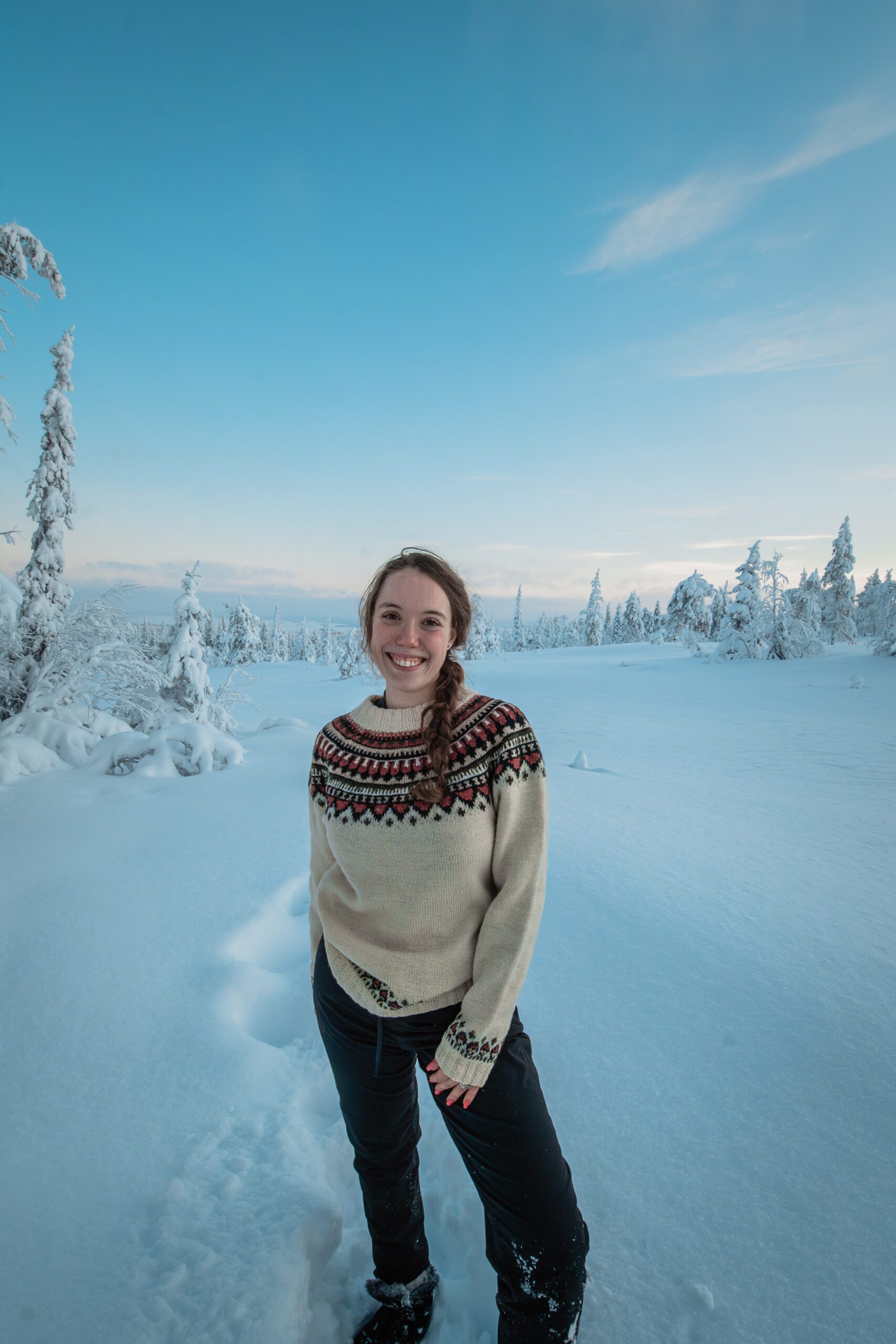
When people ask us what to wear in Iceland in winter, we always start the same way: forget the travel-influencer outfits. Iceland winter is not about looking good — it is about not being miserable in horizontal sleet at 3 degrees while also being ready for minus ten in the highlands two hours later.
We live in Rovaniemi, Finnish Lapland, where we have spent years refining our cold-weather wardrobe. Iceland is a different kind of cold — wetter, windier, and wildly unpredictable — but the layering principles are the same. This is the system we pack every time we fly to Keflavik between November and March.
Dress in three layers: a merino wool base layer, a warm insulating mid layer (fleece or down), and a fully waterproof, windproof outer shell. Add waterproof hiking boots, a warm hat, wind-blocking gloves, and a buff or neck gaiter. The key in Iceland is waterproof everything — the cold is manageable, but the wind and rain will ruin your day if your outer layer lets moisture in.
Why Iceland’s winter cold is different from Lapland cold
Wet cold vs. dry cold
Lapland in January can hit minus thirty-five, but the air is dry. You layer up, you stay warm. Iceland rarely drops below minus ten near the coast, but the combination of wind, rain, sleet, and horizontal snow makes it feel far worse than the thermometer suggests. The wind chill factor in coastal Iceland routinely makes zero degrees feel like minus fifteen.
The single biggest difference: in Lapland we optimize for insulation. In Iceland we optimize for wind and waterproofing. If your outer shell is not waterproof, nothing else matters.
The weather changes every 15 minutes
This is not an exaggeration. We have had mornings in Reykjavik that started with sunshine, shifted to sideways rain, then briefly snowed, then cleared again before lunch. Your clothing system needs to handle all of it without a wardrobe change.
The three-layer system that works in Iceland
Layer 1 — Base layer (against your skin)
- Material: merino wool (our top pick) or synthetic moisture-wicking fabric. Never cotton — it traps sweat and makes you cold.
- Top: long-sleeve merino crew neck, 200-250 gsm weight.
- Bottom: merino wool leggings or thermal tights under your trousers.
- Why merino: it regulates temperature, wicks moisture, and does not smell after three days. We bring two sets and alternate.
Layer 2 — Mid layer (insulation)
- Fleece jacket (200-300 weight) for most days. Breathable, dries fast, works under a shell.
- Lightweight down or synthetic puffer for colder excursions (glacier walks, highland tours, evening northern lights hunts). Packable so you can stuff it in a daypack when the weather warms.
- For legs: the base layer alone is usually enough under waterproof trousers. On very cold days, add a thin fleece layer.
Layer 3 — Outer shell (your survival layer)
- Jacket: a fully waterproof, windproof hardshell with sealed seams, a hood that cinches tight, and pit zips for ventilation. Look for a minimum 10,000mm waterproof rating — 20,000mm is better for Iceland’s horizontal rain.
- Trousers: waterproof over-trousers or hardshell pants. These are the single most overlooked item. Jeans in Icelandic rain will ruin your day within 20 minutes.
- This layer is non-negotiable. A cheap rain jacket from a fast-fashion brand will soak through in Iceland’s sustained wind-driven rain. Invest in a proper hardshell.
The complete winter Iceland packing list
Here is exactly what we pack for a 5-7 day Iceland winter trip. This is our actual list — nothing aspirational, nothing sponsored.
Clothing essentials
- 2 merino base layer tops (long sleeve, 200gsm)
- 2 merino leggings (wear under trousers)
- 1 fleece jacket (mid-weight, zip-up)
- 1 packable down jacket (for cold evenings and aurora hunts)
- 1 waterproof hardshell jacket (10,000mm+ rating, hood)
- 1 waterproof over-trousers (these are critical)
- 3 pairs merino wool socks (thick hiking weight)
- 2 pairs regular day trousers (not jeans — quick-dry hiking pants or similar)
Accessories
- Warm beanie or wool hat — one that covers your ears fully
- Buff or neck gaiter — pull it up over your nose when the wind hits
- Wind-blocking gloves — we use a liner glove plus a waterproof outer mitten system
- Sunglasses — yes, even in winter. Snow glare and low-angle sun are intense
Footwear
- Waterproof hiking boots with ankle support and a grippy sole. We wear ours every day in Iceland.
- Optional: crampons or ice grippers that slip over your boots. Reykjavik’s sidewalks ice up regularly and the locals wear these — tourists usually do not and you can spot them by their slow, cautious shuffle.
Packing lists, local tips, and trip ideas from the Arctic
One email when we publish something worth reading. No spam, no fluff — just honest travel writing from Finnish Lapland.
Tips for specific winter activities in Iceland
Glacier hiking and ice cave tours
- Tour operators provide crampons and helmets, but you need your own waterproof hiking boots (no sneakers, no fashion boots).
- Wear all three layers. Glaciers are exposed, windy, and significantly colder than the road you drove in on.
- Skip the bulky ski jacket — you will overheat on the hike up, then freeze when you stop. A shell plus adjustable mid layers works better.
Northern lights hunting
- You will be standing still for 1-3 hours in the dark. This is when the down puffer earns its place in your bag.
- Double up on socks. Cold feet end aurora hunts early — we know from painful experience in Lapland.
- Hand warmers (the disposable chemical kind) inside your mittens are cheap insurance.
- Bring a thermos of something hot. Seriously.
Golden Circle and day tours by car
- You will be in and out of the car all day, so your system needs to be easy to adjust. Zip-up layers beat pullovers.
- Gullfoss waterfall throws up spray that freezes on your clothes — full waterproofs matter here.
- Thingvellir can be icy and slippery. Ice grippers are worth the fifteen euros.
What most packing guides get wrong about Iceland in winter
- “You do not need waterproof trousers.” Wrong. This is the most common mistake we see tourists make. Jeans or regular trousers will soak through in Iceland’s horizontal rain within minutes, and wet legs in cold wind feel genuinely terrible.
- “A puffer jacket is enough.” Down puffers are warm but most are not waterproof. In Iceland’s rain they get wet, lose their insulation, and become useless. Use them as a mid layer under a waterproof shell, not as your outer layer.
- “Bring your heaviest winter coat.” Bulky ski jackets are overkill. Iceland’s coastal winters hover around zero. A good shell plus fleece plus base layer handles 90 percent of conditions and gives you more flexibility than a heavy parka.
- “Sneakers are fine in Reykjavik.” Reykjavik’s sidewalks ice over regularly. Waterproof boots with grip are not optional — they are basic safety.
- “Pack for extreme cold.” Iceland’s winter temperatures are milder than most people expect (often zero to minus five on the coast). The danger is wind and wet, not deep freeze. Over-packing for cold and under-packing for wind is the classic mistake.
Men vs women: fit and sizing notes
- Merino base layers: women’s cuts tend to be longer in the torso, which matters when you are layering. Alla prefers a snug-fit women’s merino top; Joona sizes up slightly for mobility under the fleece.
- Hardshell jackets: women’s versions typically have a more cinched waist and shorter sleeves. If you are between sizes, go up — you need room for mid layers underneath.
- Waterproof trousers: side-zip models are easier to pull on over boots. Joona uses a full-length zip; Alla uses a half-zip that is lighter and packs smaller.
- Gloves: women’s hands tend to run colder. If that applies to you, invest in heated liner gloves or double up with chemical hand warmers.
- Boots: make sure your boots have room for thick socks. Tight boots restrict blood flow and make cold feet worse. Try them on with the socks you will actually wear.
Our biggest packing mistakes in Iceland (so you do not repeat them)
- Bringing cotton thermals on our first trip. They got damp from sweat within an hour and never dried. Merino wool was the fix we should have started with.
- Assuming our Lapland parka would work. It was warm enough, but too bulky, not waterproof enough, and had us overheating every time we walked more than 10 minutes. Iceland needs agile layers, not one heavy coat.
- Forgetting waterproof trousers. We spent our first afternoon at Seljalandsfoss waterfall in soaked jeans. Never again.
- Skipping ice grippers. Alla took a fall on an icy Reykjavik sidewalk that could have been much worse. We now carry clip-on crampons everywhere in Iceland from November through March.
- Packing too many just-in-case layers. You do not need five mid-layer options. One fleece, one down puffer, and a good shell handles everything. We have learned to trust the system and pack light.
- Not bringing a dry bag for the car. Wet gloves and scarves thrown on the backseat never dry. A simple dry bag keeps your car organized and your spare layers actually dry.
Frequently asked questions
Is Iceland really that cold in winter?
Coastal Iceland (including Reykjavik) is milder than most people expect — average winter temperatures hover around zero to minus five. The highlands and interior are colder, but most tourists stick to the coast and Ring Road. The real challenge is wind and moisture, not extreme cold.
Can I wear jeans in Iceland in winter?
We would strongly advise against it. Jeans are cotton, which means they absorb water, dry slowly, and offer zero wind protection. One rainy walk in Reykjavik and you will be cold and uncomfortable for hours. Quick-dry hiking pants or softshell trousers with waterproof over-trousers are far better.
Do I need a full ski suit for Iceland?
No. A ski suit is overkill for most Iceland winter activities. The three-layer system (base, mid, waterproof shell) gives you more flexibility and handles the rapidly changing weather better than a single heavy suit. Save the ski gear for actual skiing.
What shoes should I bring to Iceland in winter?
Waterproof hiking boots with ankle support and a grippy sole are the only sensible option. Wear them every day. Add clip-on ice grippers (crampons) for icy sidewalks and paths. Leave the sneakers and fashion boots at home.
How many layers do I need for a northern lights tour?
All three layers plus extras. You will be standing still outdoors for 1-3 hours. Wear your merino base, add the down puffer and the fleece if needed, put on the waterproof shell, double up on socks, and bring hand warmers. Northern lights hunting is the coldest activity most Iceland tourists do because there is zero body-heat generation from movement.
Is merino wool really worth the extra cost?
For us, yes — unquestionably. Merino regulates temperature better than synthetics, wicks moisture away from your skin, and can be worn for multiple days without smelling. A good merino base layer set costs more upfront but performs better than anything else we have tried in both Iceland and Lapland winters. Buy it once, use it for years.
A final word from Rovaniemi
We have packed for winter trips in 25 countries, but Iceland is the one that taught us the most about clothing. The lesson is simple: waterproof beats warm. You can always add another layer if you are cold, but once you are wet in Icelandic wind, no amount of fleece will save you.
Start with a good waterproof shell, build your layers underneath it, and trust that you do not need to pack for the Arctic — just for a very wet, very windy version of winter that changes its mind every 15 minutes. Get the shell right, and everything else falls into place.
Joona & Alla
A Finnish-Ukrainian couple living in Rovaniemi, Finland. Joona works in Lapland tourism marketing; Alla is an AI Engineer. Together we have visited 25 countries and share honest, locally-grounded travel writing from our home in the Arctic.
Read our full story →