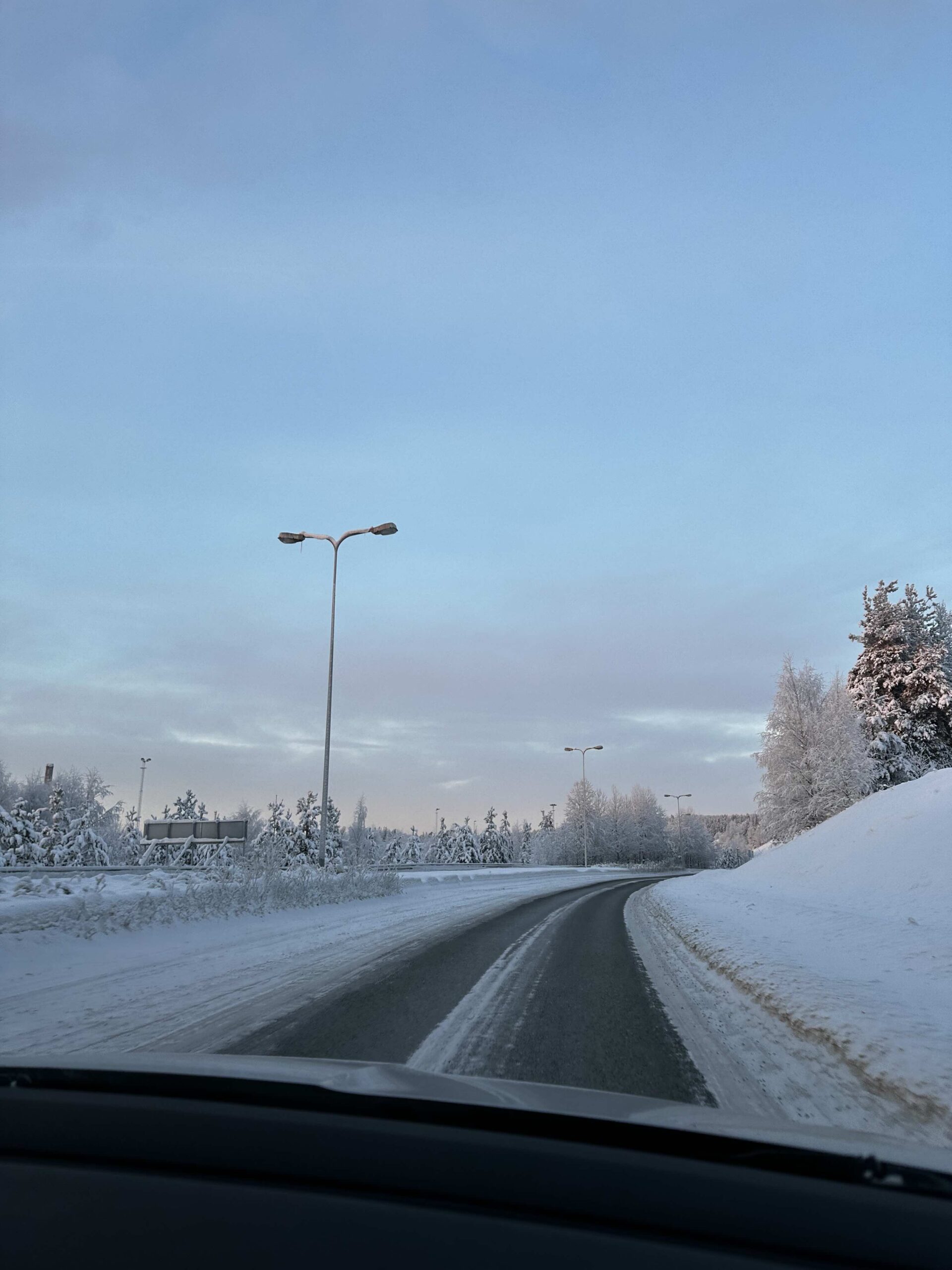
We live in Rovaniemi, on the Arctic Circle, and we get asked about Helsinki campervan rental more than almost any other Finland question. The reason is simple: Helsinki-Vantaa is where most international visitors land, the city is compact, and a van lets you step straight out of the capital into forest, lakes and archipelago without fighting for hotel rooms.
Finland is easy driving, quiet roads and long summer light, but it is also huge, and distances between towns are bigger than visitors expect. Helsinki to Rovaniemi is about 830 km by road. In this guide we use the live Helsinki listing on CampervanPlanet for prices and pick-up points, and add the local knowledge we have from living here.
Helsinki campervan rental starts from about €131 a day on CampervanPlanet, with typical figures of about €152 in winter, €181 in May and September, and €277 in peak July. Pick-up is available at Helsinki, Helsinki Airport and Rovaniemi, so one-way trips north are possible. The best-value months are May and September. Our €20 reader coupon works at checkout.
Why Helsinki works as a starting point
Helsinki Airport is the main hub, and the CampervanPlanet page notes it is about 20 minutes from the city centre, with depots a short shuttle from the terminal. If you arrive by ferry from Tallinn or Stockholm, the city depots in Vantaa and Vuosaari let you skip the airport. The Tallinn crossing from Helsinki takes about two hours, and the page quotes €70–140 with a vehicle.
The listing also shows pick-up at Tampere, Turku and Rovaniemi airports. That matters because Finland suits one-way trips. You can fly into Helsinki, drive north through the Lakeland, and drop the van in Rovaniemi, which saves the long drive back. We have a full guide to that end of the trip in our Rovaniemi campervan rental guide.
Finnish roads are well maintained, tolls do not exist on ordinary roads and fuel stations are frequent in the south. Take care at dusk, because moose and reindeer are real hazards, especially further north.
Route one: the southern coast loop (2–3 days)
This is the perfect short trip for a first-timer or a long weekend. The page describes a loop of about 250 km from Helsinki-Vantaa through the wooden old town of Porvoo, the maritime city of Kotka and its Langinkoski imperial fishing lodge, lakeside Lahti and Nuuksio National Park before returning to Helsinki. It is easy two-wheel-drive driving, and May and September are recommended.
We like Porvoo in particular: red riverside storehouses, cafés and small shops, and a calm pace that suits the first day after a flight. If you only have a weekend, add Nuuksio for a short forest walk and a sauna evening.
Honest travel from the Arctic Circle
We send one letter a month — no roundups, no sponsored fluff. Just what we’re doing, where we’re going, and what we actually think.
Route two: the Finnish Lakeland classic (5–6 days)
Head north through Tampere, known for its saunas, then Jyväskylä with its Alvar Aalto architecture, Kuopio with its lakeside saunas, and the medieval Olavinlinna castle in Savonlinna. The page lists around 800 km for this route and describes it as beginner-friendly, with Europe’s largest lake region from end to end.
This is the Finland of long summer evenings. The sun barely sets in June, and a campsite by a lake with a sauna is hard to beat. Autumn, with the colours in October, is also beautiful and much quieter, although you must be prepared for cold nights.

💡 Our campervan tip: prices for the same van vary a lot between rental brands. We compare Finland campervans across 160+ rental companies on CampervanPlanet — and code HUNGRYTRAVELFAMILY20 takes €20 off your booking.
Route three: Helsinki to Lapland (7–10 days)
The big one. The page suggests driving about 600 km north to Oulu on the Bothnian coast, crossing the Arctic Circle at Rovaniemi, going into the fells of Pallas-Yllästunturi National Park and up to Sodankylä. For this route it recommends considering a one-way drop-off in Rovaniemi, and we agree, because driving back south adds days.
For this trip you want a van that is comfortable in the cold, with decent heating. If you are travelling in winter, ask the rental company about winter tyres and diesel heaters at booking. We describe the practical side in our Finland winter campervan guide and the budget side in our Finland campervan cost guide.
Route four: the Archipelago Trail from Turku (4–5 days)
West of Helsinki, the Turku Archipelago Trail (Saariston Rengastie) is a ring of about 250 km of bridges and free ferries across pine-clad islands in the Baltic. The page recommends it for June and August, with May and September also good, and says a compact camper is best. Turku is about two hours from Helsinki, and there is a pick-up at Turku Airport if you want to start without backtracking.
If you have time, a ferry hop to the Åland Islands is a nice end to the route. Island roads are narrow, ferries have schedules, and some campsites close early in the season, so check opening dates.
What it costs by season
The Helsinki page gives a clear picture. The peak season from June to August has 18–26°C and almost endless daylight, with a typical price of about €277 a day, and the page recommends booking Helsinki-Vantaa pick-ups two to three months ahead for Midsummer. May and September are the best value at about €181 a day, with fewer motorhomes, lower campsite fees and the first autumn colours in the Lakeland.
April and October are moderate at roughly €152–181, with the October ruska colours at their peak in the Lakeland just two to three hours north of Helsinki. From November to March the van costs about €152 a day, but you need a winter-equipped vehicle, short days and real cold. The page also lists four vehicle types, from a €130-a-day budget camper to a €320-a-day family motorhome.
Prices change daily. You can see how Finland compares with other countries in our country-by-country price guide.
Rules, tips and booking
Finland’s everyman’s rights allow you to walk, ski and pick berries almost anywhere, and to pitch a tent temporarily on land away from homes. They do not mean you can drive anywhere or park a van overnight on any private track, so use campsites or ask the landowner when in doubt, and check the current guidance.
Sauna etiquette is simple: wash first, no swimwear in a traditional public sauna unless the place says so, and enjoy the lake dip. Mobile coverage is excellent in most places, and card payments are accepted nearly everywhere.
When you book, compare several rental brands for the same size of van and read the mileage, deposit and insurance terms. The booking works as a deposit online and the rest at pick-up on many offers, with a refundable security deposit held on the main driver’s card. Enter code HUNGRYTRAVELFAMILY20 at checkout to take €20 off. More basics are in our campervan rental guide.
Book your Finland campervan
Compare prices across 160+ campervan and motorhome rental brands, get a free 1GB eSIM with every booking — and €20 off with code HUNGRYTRAVELFAMILY20.
Check prices & availability →Frequently asked questions
How much is campervan rental in Helsinki?
CampervanPlanet shows Helsinki from about €131 a day. Typical prices are about €152 in winter, €181 in May and September, and €277 in peak July, so check your dates.
Can I pick up in Helsinki and drop off in Rovaniemi?
Yes, the listing shows pick-up locations including Helsinki and Rovaniemi, and suggests one-way trips north. One-way fees may apply, so compare totals.
What is the best time for a Finland campervan trip?
May and September are the best value. June to August has the longest days but the highest prices, and October offers autumn colours in the Lakeland.
Can I drive a campervan in Finland in winter?
Yes, with a winter-equipped vehicle. Ask about winter tyres and diesel heaters when you book, and expect short days and cold temperatures.
Is there a discount code for CampervanPlanet?
Yes. Use code HUNGRYTRAVELFAMILY20 at checkout to take €20 off your booking when you book through one of our links.
Can I take a campervan to Estonia?
Ferries run between Helsinki and Tallinn, and the page quotes €70–140 with a vehicle, but check your rental company’s cross-border policy first.
Keep your crypto offline, not in an exchange app
Any crypto we hold lives on a Trezor hardware wallet — a small offline device in a drawer in Rovaniemi, not on a phone that crosses borders every month. If you’ve been meaning to sort that out, this is the link we’d send a friend.