Why Finland Is Accessible Year-Round — And What Each Season Is Actually Like
Most people plan a Finland trip for Lapland in winter or the midnight sun in summer. But after living in Rovaniemi and travelling the country in every season, we can tell you: Finland rewards visitors any month you show up — if you know what to expect.
J&A Joona & AllaRovaniemi, Finland · May 8, 2026 · 11 min read · Updated seasonally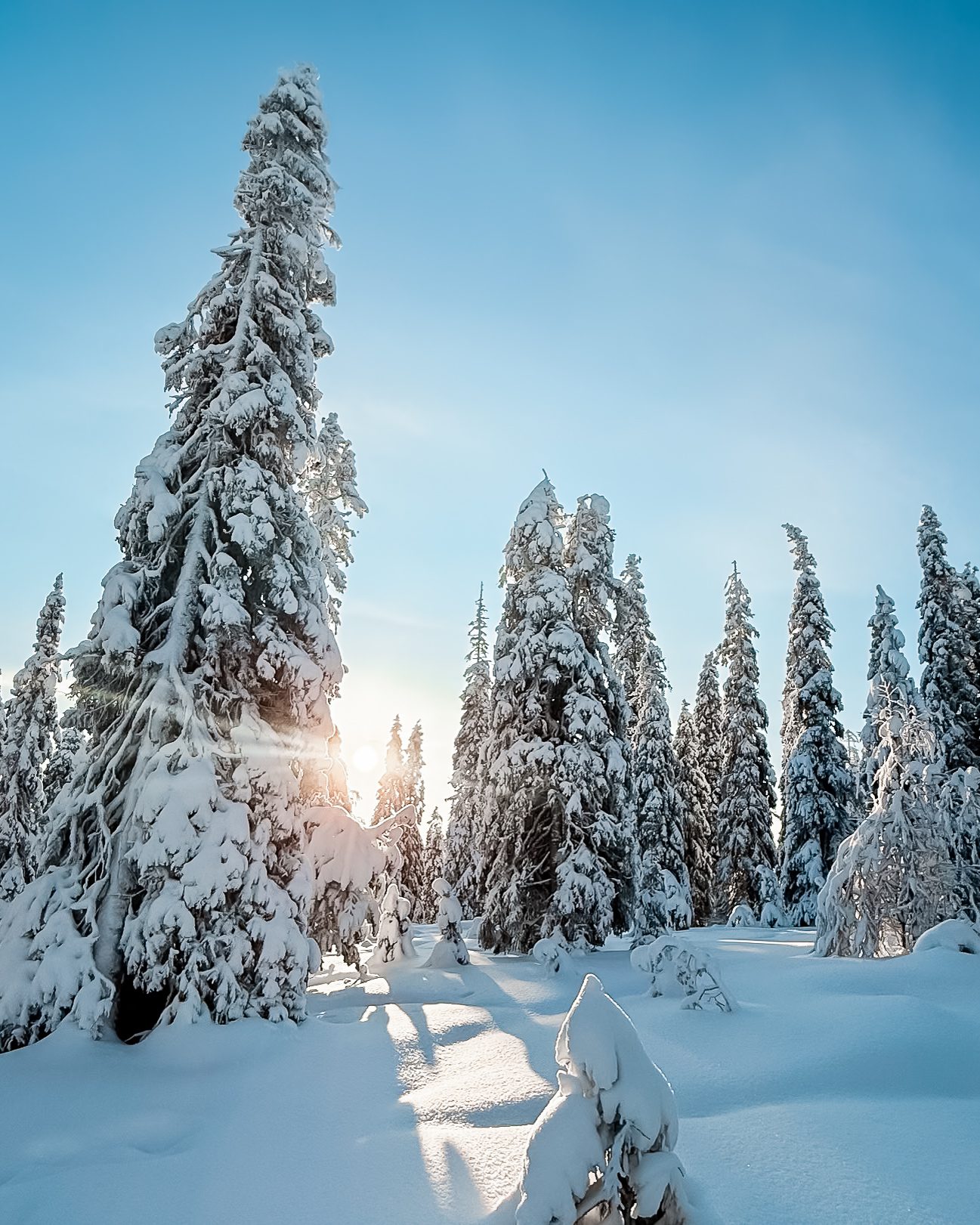
We get this question constantly from friends planning their first Finland trip: “Is it even worth going if it’s not winter?” The short answer is yes, emphatically — but the real answer is more interesting than that. Finland doesn’t just tolerate the off-season; it transforms into something completely different with each turn of the calendar. We’ve experienced every one of those transformations, and we want to save you the confusion that trip-planning forums will not.
Finland is accessible year-round in a way that most Nordic destinations aren’t. Roads are maintained, accommodation stays open, public transport runs reliably, and the country’s world-class infrastructure means you’re never fighting for basic services. What changes dramatically is the experience — the light, the temperature, the activities, and crucially, the prices.
Short answerFinland is genuinely worth visiting in every season. Winter brings snow, northern lights, and ice experiences. Spring offers silence and sauna culture. Summer is the midnight sun, lake swimming, and open roads with almost no crowds. Autumn delivers fiery colours and empty forests. Infrastructure is excellent year-round, so “can I go?” is never the question — it’s “what do I want to feel?”
In this guide- Why Finland works in every season
- Month-by-month breakdown
- How to get there year-round
- Getting around — transport options
- Accommodation and prices by season
- What we learned travelling Finland year-round
- Mistakes to avoid
- Frequently asked questions
Why Finland works in every season
A lot of countries are theoretically visitable year-round but genuinely underwhelming in the shoulder months. Finland is different, because each season brings a defining phenomenon that doesn’t exist anywhere else quite like this. Winter has the polar night and northern lights. Summer has the midnight sun — weeks of 24-hour daylight above the Arctic Circle. Autumn brings ruska, the Finnish word for the spectacular fall foliage that sweeps across Lapland in late August. Spring is quieter and still underrated, but the combination of melting rivers, first migrating birds, and almost zero tourists makes it a favourite among travellers who’ve been before.
The infrastructure argument
Finland’s year-round accessibility isn’t just about weather tolerance — it’s structural. Roads are salted, ploughed, and maintained meticulously through winter. Trains run on time regardless of snow. Nearly every attraction, national park trail, and major accommodation option operates across the full calendar year. The country scores consistently among the world’s top rankings for safety, governance, and infrastructure quality, which translates directly into predictable, low-stress travel.
Who benefits most from each season
- First-time visitors often gravitate to winter Lapland or midsummer — both are spectacular choices, just busy and premium-priced.
- Budget travellers get the best value in May, early June, and September-October, when prices drop 20–40% and roads empty out.
- Families with school-age children are mostly locked into July — which is genuinely excellent, just the most expensive window.
- Solo travellers and couples tend to get the most out of the shoulder months, when you can have a lakeside sauna cabin essentially to yourself.
- Return visitors discover autumn ruska is the underrated gem — possibly the most visually dramatic season, with a fraction of the winter crowds.
Month-by-month breakdown
This is based on our own experience across multiple years of travelling and living in Finland. We’ve tried to be honest about both the upsides and the genuine awkward bits.
January – March: Peak winter, polar night, northern lights
- Temperatures: −5 °C to −25 °C in Lapland; −5 °C to −15 °C in the south.
- Light: polar night in Lapland (December–January); very short days in Helsinki (6–7 hours).
- Best for: northern lights, husky and reindeer safaris, snowmobile tours, ice fishing, proper winter scenery.
- Price: high season in Lapland; moderate in southern cities.
- Crowds: busy in Lapland resort areas; quiet in Helsinki, Turku, Tampere.
April – May: Spring thaw, first warmth, low crowds
- Temperatures: −5 °C to +15 °C, wide variation day to day.
- Light: rapidly returning — up to 17–18 hours of daylight by late May.
- Best for: budget travel, migrating birds, first open café terraces, canoeing on high-water rivers, zero tourist crowds anywhere.
- Watch out for: “mud season” — forest trails can be very soft; some lake cottages open late.
- Price: lowest of the year. Excellent value.
June – August: Midnight sun, summer Finland at its best
- Temperatures: +15 °C to +28 °C. Warmer than people expect.
- Light: midnight sun above the Arctic Circle; near-constant daylight throughout Finland. Rovaniemi doesn’t see true dark from mid-May to late July.
- Best for: lake swimming, midsummer (Juhannus), cycling, cottage life, Lapland with kids, archipelago, berry and mushroom picking from July.
- Price: high season nationally. Book accommodation early.
- Crowds: heaviest in July for popular locations; much lighter than winter in Lapland.
September – October: Ruska — Finland’s secret season
- Temperatures: 0 °C to +15 °C. Cool and crisp.
- Light: autumn light, dramatic. First potential northern lights return to Lapland in September.
- Best for: ruska foliage (peak late August in Lapland, late September in the south), mushroom picking, hiking without bugs, photography.
- Price: moderate — significantly cheaper than winter but higher than spring.
- Watch out for: cloud cover can be persistent in October; book the best-located cottages early despite lower overall demand.
November – December: Darkness and first snow
- Temperatures: −5 °C to −20 °C in Lapland; 0 °C to −10 °C in the south.
- Light: polar night beginning in Lapland; very short days (3–4 hours) by December solstice.
- Best for: early northern lights, Christmas in Lapland (extremely popular), pre-season skiing, cosy city breaks in Helsinki.
- Price: Christmas week is the highest-priced of the entire year in Rovaniemi.
How to get there year-round
Flights to Helsinki-Vantaa (HEL) operate year-round from all major European hubs, as well as direct long-haul routes from New York, Tokyo, and several Asian cities via Finnair. Rovaniemi (RVN), Oulu (OUL), and Kittilä (KTT) all have year-round scheduled flights — Kittilä becomes particularly well-served in winter due to Levi ski resort traffic.
Best approaches by origin
- From the UK: direct flights to Helsinki from London, Manchester, and Edinburgh with Finnair and British Airways. Journey time under 3 hours.
- From mainland Europe: daily direct services from most major cities. Easy to combine with a wider Nordic or Baltic itinerary via train or ferry.
- From the US and Canada: Finnair’s direct Helsinki route from New York JFK and occasional seasonal routes from other cities. Often routed via Helsinki for onward connections to Lapland.
- From Asia: Helsinki is a major transit hub — the routing via the polar route makes it genuinely fast from Japan, South Korea, and Singapore.
- From Estonia or Sweden: fast ferry from Tallinn to Helsinki (2 hrs) or the overnight ferry from Stockholm are popular and scenic ways to arrive.
Visa and entry
Finland is in the Schengen Area, so EU and EEA citizens need only a passport or national ID card. US, UK, Canadian, Australian, and New Zealand citizens can visit visa-free for up to 90 days. ETIAS (the EU travel authorisation system, expected to launch in 2026) will add a simple online pre-registration step for many nationalities — check current requirements before you travel.
Getting around — transport options
Finland has a well-maintained road network, a reliable national rail system, and domestic flights that cover the long distances north. Here’s what we actually recommend depending on where you’re going.
Trains
VR (Finnish State Railways) runs efficient intercity trains connecting Helsinki to Tampere, Turku, Oulu, and as far as Rovaniemi — the night train to Lapland is a particular experience. Trains run in all weather conditions without significant disruption, which is a genuine feat given Finnish winters. The Helsinki–Rovaniemi sleeper takes roughly 12–13 hours and we’ve done it multiple times; it’s genuinely enjoyable and cost-effective if booked in advance.
Buses
OnniBus and Matkahuolto operate long-distance coach routes covering smaller towns the rail doesn’t reach, including many lakeland areas. Local bus networks in smaller towns are less frequent but functional. In Helsinki, the metro and tram system is excellent and runs until late night.
Car rental
For Lapland and rural Finland, a rental car is the single biggest upgrade you can make to your trip. Finnish roads are clear and well-marked even in deep winter — but you’ll need to ensure your rental comes with winter tyres (mandatory by law from November to March, and most rental companies include them automatically). Distances are long by European standards; don’t underestimate how much empty space there is between towns in the north.
Accommodation and prices by season
Finland has a wide range of accommodation — from five-star design hotels in Helsinki to solo wilderness cabins without phone signal. Prices follow the seasonal pattern predictably: peak winter in Lapland, peak summer nationally, and good value in spring and shoulder autumn.
Key price patterns to know
- Lapland winter peak (December–March): expect 2–3x the summer rate for the same cabin or hotel. Book 6–8 months ahead for Christmas week.
- Summer national peak (July): lake cottages book up fast, especially near Rovaniemi and the Lakeland region. Prices are high but the experience justifies it.
- Best value windows: May, early June, and mid-September to mid-October. 20–40% cheaper than peaks, often available last-minute.
- Mökki (summer cottage) culture: renting a lakeside cabin directly from the owner (via Lomarengas or Airbnb) is the most authentic Finnish summer experience and often better value than hotels.
- Hostels and budget hotels: well-distributed in cities; Helsinki, Tampere, and Turku all have excellent budget options year-round.
What we learned travelling Finland year-round
After multiple trips in every season, some things surprised us that the guidebooks didn’t mention. Here’s the unfiltered version.
- Summer Finland is underrated internationally. Most international visitors think of winter Lapland first, but summer — especially the midnight sun — is extraordinary and significantly cheaper.
- Autumn ruska is the best-kept secret. Late August in Lapland, the birch forests turn gold and red. It’s dramatic, it’s free to experience, and almost no international tourists are there to see it.
- Polar night is darker than you expect. We’ve watched visitors arrive in January emotionally underprepared for the short days. This isn’t a complaint — the polar night has a brooding beauty — but know what you’re choosing.
- Finns are genuinely helpful but not chatty. Don’t interpret quietness as coldness. Ask a question and you’ll get a thorough, honest answer. Finns don’t do small talk but they do do substance.
- Bug season is real. July in Lapland means mosquitoes, especially near lakes and bogs. Bring repellent and net if you plan to hike. It’s manageable but worth knowing.
- The country is expensive — and also isn’t. Restaurant meals, wine, and hotels in Helsinki cost about the same as Stockholm. But self-catering from a supermarket, camping, and cooking at a cabin drops your daily cost dramatically. Finland rewards the prepared traveller.
Mistakes to avoid
- Underestimating distances. Finland is the eighth-largest country in Europe. Rovaniemi to the Norwegian border, or Helsinki to Levi, are full-day drives. Plan accordingly.
- Skipping the lake region. The Finnish Lakeland (Saimaa, Päijänne, Pielinen) is the country’s heartland and one of Europe’s most beautiful inland water systems. Many visitors head straight to Lapland and miss it entirely.
- Booking accommodation too late. In peak season — both winter Lapland and summer — popular lake cabins and glass igloos sell out months ahead. Not booking early is the single most common regret we hear from readers.
- Expecting 24-hour services in rural areas. Outside Helsinki and the largest cities, most restaurants close by 9 pm, shops close on Sundays, and petrol stations may be 50+ km apart in northern Lapland. Prepare accordingly.
- Ignoring the weather forecast. Finnish weather — especially in Lapland — can swing dramatically within a day. Layers, waterproof outer layer, and a warm base are mandatory regardless of the calendar.
- Missing the sauna. It sounds like a cliché but it genuinely isn’t. A lakeside sauna, properly done, with a swim in the lake afterwards, is the most Finnish thing you can do. Seek it out in every season.
Frequently asked questions
Is Finland worth visiting outside of winter?
Absolutely. Summer brings the midnight sun and lake culture that are truly unique. Autumn ruska in Lapland is one of Europe’s most underrated natural phenomena. Even spring, despite being the quietest season, offers value, empty roads, and a Finland that feels entirely different from its winter self.
What is the cheapest time to visit Finland?
May and early June are consistently the best value, with prices 20–40% lower than winter or high summer peaks. You’ll get long daylight hours, open roads, and almost no crowds. Mid-September to mid-October is the second-best window price-wise, with the bonus of autumn colours.
Do I need a visa to visit Finland?
EU and EEA citizens don’t need a visa — just a valid ID or passport. US, UK, Canadian, Australian, and New Zealand citizens can visit Schengen countries including Finland for up to 90 days without a visa. ETIAS (a new online travel authorisation) is expected to be required for some nationalities from 2026 — check the latest requirements before you book.
Is Finland safe to travel year-round?
Finland is consistently ranked among the safest countries in the world. Crime is low, infrastructure is reliable, and emergency services are excellent. The main seasonal safety consideration is driving in winter — Finnish roads are well-maintained, but rental cars should have winter tyres (legally required November–March), and you should drive to the conditions on icy or snow-packed roads.
When does the midnight sun happen in Finland?
In Rovaniemi (on the Arctic Circle), the sun doesn’t set for about two months around midsummer — roughly from early June to mid-July. Further north, the midnight sun season is longer. In Helsinki, the sun sets briefly in summer but the sky never truly gets dark. It’s a surreal, beautiful thing to experience regardless of where in Finland you are.
What is the best month to visit Finland for the first time?
It depends entirely on what you want. For northern lights and snow: January or February. For midnight sun and summer: late June or July. For budget and autumn colour: September. For absolute quiet and good value: May. There is no universally “best” month — but there is a best month for the experience you’re after.
Joona & Alla
A Finnish-Ukrainian couple living in Rovaniemi, Finland. Joona is a marketing professional in Lapland tourism; Alla is an AI Engineer. Together we’ve travelled to 25 countries and write honestly about what it’s like — from a home base north of the Arctic Circle.
Read our full story →