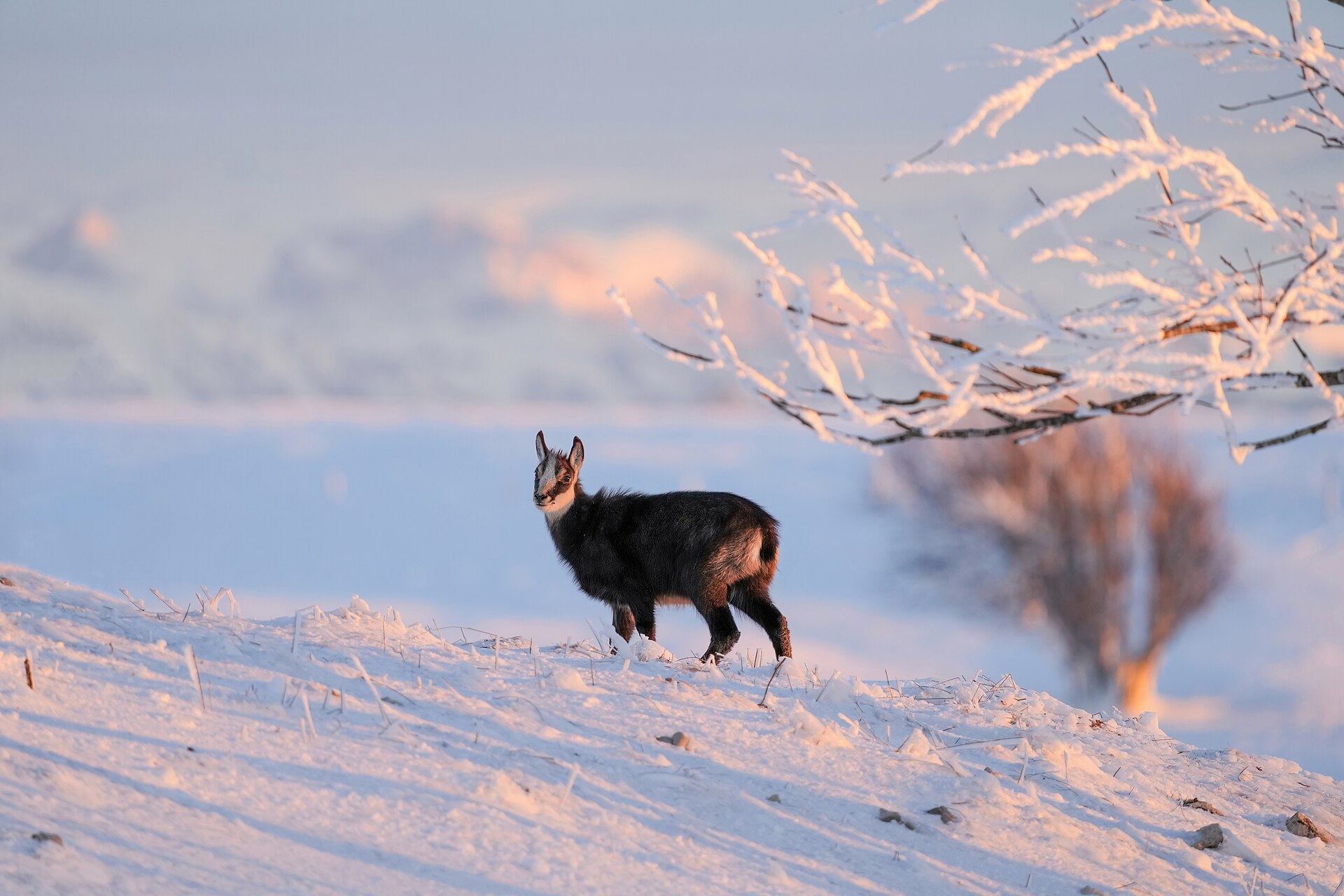
Photo: Giles Laurent, CC BY-SA 4.0, via Wikimedia Commons
Switzerland packs more postcard scenery per kilometre than almost anywhere in Europe: glacier-fed lakes, mountain passes with hairpin bends, cows with bells and trains that run on time. A campervan lets you sleep next to some of it. It also puts you on roads that were not designed for large vehicles and in a country where nothing is cheap, so a little planning goes a long way.
This guide is based on the CampervanPlanet Switzerland page as we saw it in early November 2026, and on stable facts about Swiss roads. We are not describing our own Swiss hire, because our own road-trip experience is in the Nordics, so we hedge where conditions change.
If you are new to hiring, our campervan rental guide is a good place to start.
The CampervanPlanet page showed campervans and motorhomes from €99 a day, with pick-up in Zürich, Bern, Basel, Lausanne, Geneva and more. Typical 7-night prices were about €210 a day in November, €204 in May and €482 in July. The best months are May and September, the big passes usually open late May to October, and code HUNGRYTRAVELFAMILY20 takes €20 off at checkout.
Where to pick up
The page lists pick-ups in Zürich, Bern, Basel, Lausanne and Geneva, plus Lucerne and Brig on the booking form. Zürich is the easiest for international arrivals, and a good start for a loop through central Switzerland. Geneva suits a trip that combines the French and Swiss Alps, and Basel is handy if you are flying in from Germany or France.
Switzerland drives on the right. Rental conditions often limit where you can take the van, so check if you plan to cross into France, Italy or Austria.
The Alpine passes and when they open
Swiss mountain passes are the main reason to take a campervan. The page notes that most high passes, including Furka, Grimsel and Susten, typically open in late May and close in October, and that many passes close from October or November until May or June depending on snow. That means the classic Alpine summer route is only possible for part of the year.
Check pass status before you drive, and keep to the weight and length limits on signs. Some passes have restrictions for larger vehicles, and hairpin bends need slow driving. In winter, snow chains and winter tyres are essential, and many campsites close.
Prices and seasons
The page said that the best time to hire is May and September, the shoulder season, with June to August as the summer peak and November to March as the quietest season. The price examples from the October 2026 searches were about €210 a day in November, €204 in May and €482 in July for a typical 7-night hire. That gap shows how much summer costs.
Fuel was quoted at about CHF 1.70 to 2.00 per litre, with campervans typically using 10–14 litres per 100 km depending on size and terrain. A full Grand Tour of Switzerland, a roughly 1,640 km route, would cost around CHF 250 to 350 in fuel according to the page. Campsites typically cost CHF 30 to 60 per night.
Add the motorway vignette, which Swiss motorways require, and check the current price on the official site. Larger vehicles can be subject to additional road charges, so ask your rental company what applies to your van.
💡 Our campervan tip: prices for the same van vary a lot between rental brands. We compare Switzerland campervans across 160+ rental companies on CampervanPlanet — and code HUNGRYTRAVELFAMILY20 takes €20 off your booking.
Camping rules
Wild camping is restricted in Switzerland, and rules differ by canton. The simplest approach is to stay in campsites, which are widely available and usually well equipped, with lakeside and mountain settings and full facilities. Some farms and mountain huts offer parking for campers, but you should check the rules and book where needed.
We wrote about the mindset of camping in the Nordics, where the right to roam is generous. Switzerland is different, and a campervan trip here is more about tidy campsites and short hops than about free parking.
A route that works
The Grand Tour of Switzerland is a signposted route of around 1,640 km that links lakes, passes and cities. It is long for a campervan, so most people drive a section. A good ten-day plan could start in Zürich, drive to Lucerne and the Lake Lucerne region, cross the Susten Pass to the Bernese Oberland, visit Grindelwald and Interlaken, and finish in the Valais near Zermatt.
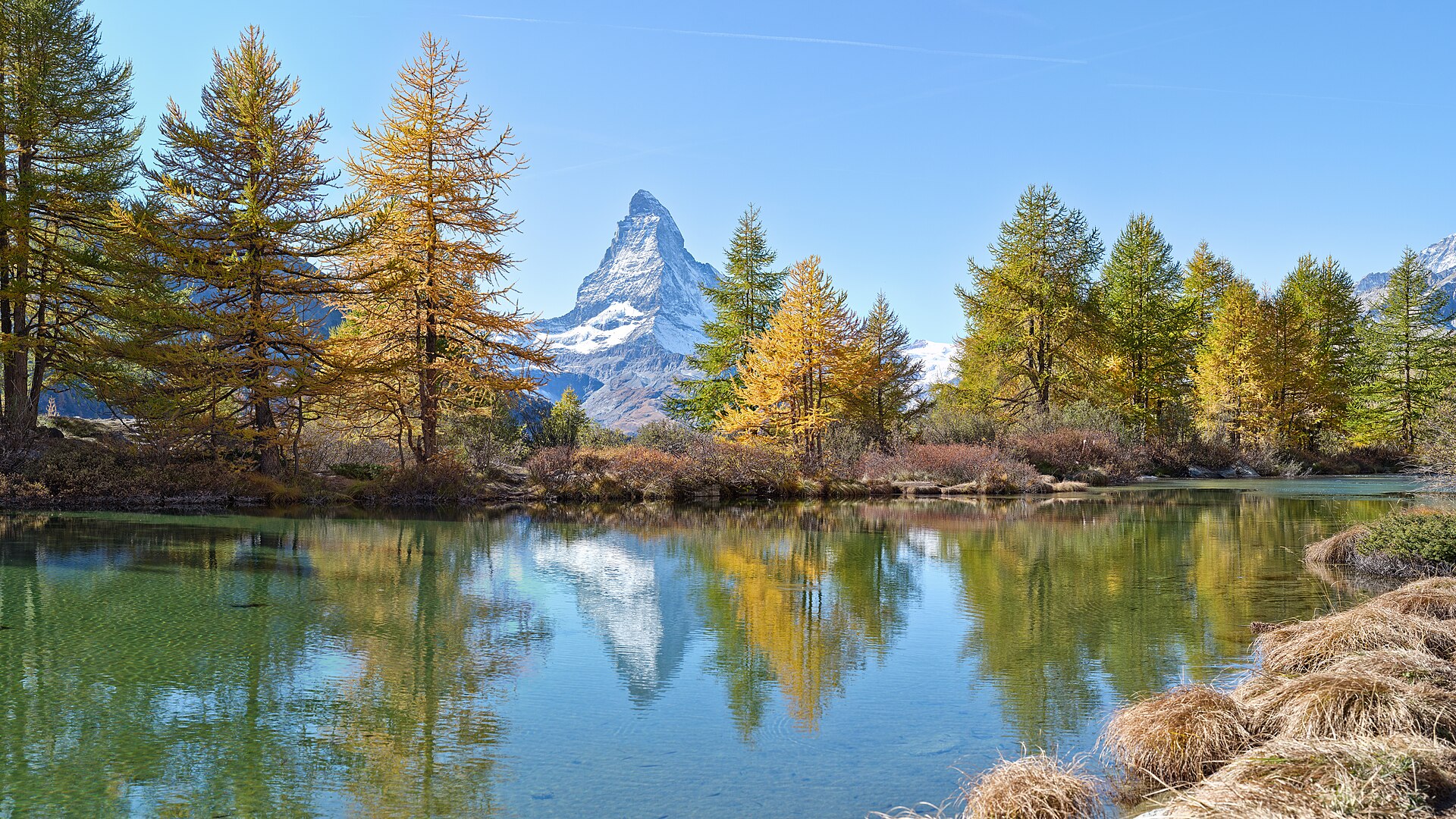
Zermatt itself is car-free, so you park in Täsch and take the train. In the Italian-speaking south, Ticino offers lakes and a milder climate in spring and autumn. In the east, the Engadin valley has dramatic scenery and quieter roads.
Driving a van in the Alps
Switzerland has strict rules and high fines. Keep to speed limits, use headlights where required and follow the weight and height limits on bridges and tunnels. Mountain roads need low gears on descents, and brakes can overheat. Weather can change quickly, even in summer.
Parking in towns and at viewpoints can be limited, and larger motorhomes may not fit under barriers. A compact campervan is easier than a large motorhome on most mountain roads, and costs less.
Booking tips
Check the insurance excess and deposit, the mileage allowance and any cross-border rules. Ask about winter equipment if you travel outside summer, and confirm that the vehicle can use the passes you plan to drive. Check whether the vignette is included and which tolls apply.
You can compare vans on CampervanPlanet’s Switzerland page, or look at neighbouring countries on the Austria page and the Italy page for a longer Alpine loop. Our code HUNGRYTRAVELFAMILY20 takes €20 off your booking at checkout.
If you are deciding how long to stay, our post on why longer trips beat luxury ones argues for fewer places and more time, which suits Swiss valleys well.
Book your Switzerland campervan
Compare prices across 160+ campervan and motorhome rental brands, get a free 1GB eSIM with every booking — and €20 off with code HUNGRYTRAVELFAMILY20.
Check prices & availability →Frequently asked questions
How much does a campervan in Switzerland cost?
The CampervanPlanet page showed prices from €99 a day. For typical 7-night hires, the October 2026 search put prices at about €210 a day in November, €204 in May and €482 in July.
When do the Swiss mountain passes open?
Passes such as Furka, Grimsel and Susten typically open in late May and close in October, depending on snow. Check current status before you drive.
Is wild camping allowed in Switzerland?
It is restricted and rules differ by canton. Plan to stay in campsites, which typically cost CHF 30 to 60 per night.
Is there a discount code for CampervanPlanet?
Yes. Enter HUNGRYTRAVELFAMILY20 at checkout on CampervanPlanet to take €20 off your booking. It is a fixed amount and comes out of our commission.
What is the best time to hire a campervan in Switzerland?
May and September are the best shoulder months, with good weather and lower prices than July and August.
Do I need a vignette?
Swiss motorways require a vignette. Check whether your rental van already has one and what it costs.