Road Trip Through Sweden: What to Expect
We drove more than 2,000 km through Sweden on a single summer road trip — from the southern coast to the edge of Swedish Lapland. Here is everything we wish we had known before we left Rovaniemi.
J&A Joona & AllaRovaniemi, Finland · May 2026 · 12 min read · Updated seasonally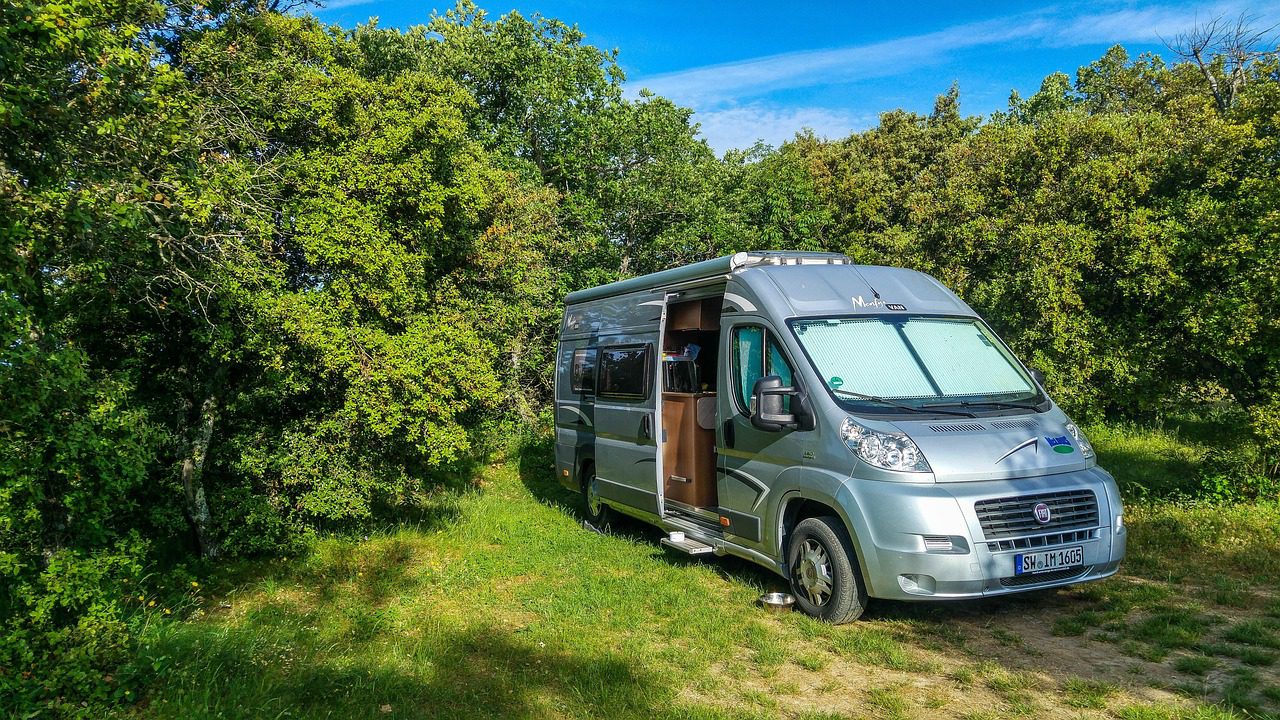
We have driven across Finland dozens of times, but the first time we pointed the car south-west and crossed into Sweden something shifted. The roads got quieter, the forests opened into glassy lakes, and speed cameras appeared around every other bend. A road trip through Sweden is easy, beautiful, and genuinely different from anything else in Scandinavia — but it rewards preparation. This is the honest guide we would send to anyone planning a Sweden road trip for the first time.
What we actually want to answer is the question nobody writes about clearly: what does it feel like to drive through Sweden, and what do you need to know before you go?
Short answerA road trip through Sweden is one of the most rewarding drives in Europe. Roads are excellent, English is spoken everywhere, wild camping under Allemansrätten is free and legal, and the country has more inland water than almost anywhere in Scandinavia. Expect long distances, strict speed limits, expensive fuel, and scenery that shifts dramatically from rolling farmland in the south to boreal forest and Arctic fells in the north.
In this guide- What driving in Sweden is actually like
- Planning the route — south, middle, or north
- Sweden road trip essentials checklist
- Costs and what surprised us
- Where to stay — camping vs hotels
- Mistakes we made on our Sweden road trip
- Frequently asked questions
- A final word from Rovaniemi
What driving in Sweden is actually like
Sweden has around 580,000 km of roads, and the quality is consistently high — even on smaller numbered routes. The E-roads (E4, E6, E18, E45) are motorway standard for long stretches, but the real pleasure of a Sweden road trip is leaving them behind and taking the smaller county roads that wind between lakes and through village centres.
Speed limits and cameras
Sweden is serious about speed enforcement. The main limits are 110 km/h on motorways, 90 km/h on rural roads, 70 km/h in built-up areas, and 30 km/h near schools. Fixed cameras appear every 10–15 km on the E4; section-control cameras cover long stretches of national roads. We got a fine on our first Sweden trip. Don’t speed — the cameras are real and the fines are steep.
- Download Waze or HERE Maps before crossing the border — Swedish camera locations are well-mapped in both apps.
- Watch for the 2+1 roads — alternating overtaking lanes separated by a wire barrier down the middle. They look confusing at first but are actually very safe once you understand the pattern.
- Roundabouts are everywhere. Traffic already in the roundabout has priority — different from older Finnish junctions.
Road character by region
- Skåne (south): flat, farmland, wind turbines, very few trees. Feels more like Denmark than what most people imagine Sweden looks like.
- Småland and Dalarna (central): classic Sweden — red cottages, birch and pine, endless lakes. The roads here are genuinely beautiful.
- Norrland (north): distances expand dramatically. You can drive 90 minutes without passing a petrol station. Reindeer appear on roads without warning after Sundsvall.
Planning the route — south, middle, or north
Sweden is 1,572 km long from Malmö to the northern frontier. Most visitors have 7–14 days, which is not enough to see the whole country in one go. Pick one of three core route shapes and do it properly rather than trying to rush the full length.
The southern loop (5–7 days)
- Malmö → Gothenburg → Bohuslän coast → Oslo or back via Dalarna
- Best for first-time visitors, those arriving by ferry from Denmark or Germany, or anyone who wants culture and coast mixed with straightforward driving.
- Highlights: Gothenburg’s fish market and canal system, the granite archipelago of Bohuslän, Halland’s beaches in summer.
The central lakes route (7–10 days)
- Stockholm → Lake Vänern → Lake Vättern → Dalarna → back to Stockholm
- Best for couples, photographers, anyone who wants to understand why Swedes are devoted to their lakes. This is the emotional heart of the country.
- Highlights: Drottningholm Palace by boat, Mariestad harbour, Siljan lake, the painted Dalarna horse villages, midsummer celebrations if you time it right.
The northern full run (10–14 days)
- Stockholm or Sundsvall → Östersund → Umeå → Luleå → Swedish Lapland → Abisko → into Norway or Finland at Haparanda
- Best for wilderness, midnight sun, and serious hiking. This is the route we drove when we first crossed from Rovaniemi.
- Highlights: the UNESCO High Coast, Luleå’s sea archipelago, Swedish Lapland’s open fell landscape, Abisko National Park.
Sweden road trip essentials — checklist
These are the eight things we confirm before every Sweden road trip. Copy this before you leave.
- Bridge tolls: Sweden has no motorway vignette. Most roads are free. But the Öresund Bridge and some urban bypasses use automatic cameras. Register your foreign plate at epass24.com before crossing or an invoice arrives later with a €25 admin fee added.
- Fuel strategy: petrol costs around €1.90–2.10/litre in summer 2026. Fill at Ingo or OKQ8 for the best prices; avoid motorway stations. In Norrland, fill whenever you hit half a tank.
- Offline maps: download all of Sweden in Google Maps or Maps.me. Remote Norrland has patchy mobile data even on Swedish SIM cards.
- Allemansrätten (Right of Public Access): you can camp anywhere on uncultivated land for one or two nights. Stay 150 m from the nearest house and leave no trace. This changes everything about how you experience Sweden.
- Emergency number: 112 for everything. SOS Alarm dispatches police, ambulance, and fire. Note the nearest large town when entering remote stretches.
- Wildlife risk: elk (moose) collisions are a genuine road hazard at dawn and dusk in forested areas. The yellow triangle warning signs are not decoration. Slow down.
- Camping supplies: Naturkompaniet and Clas Ohlson sell compatible gas canisters in most towns. Hemköp and ICA supermarkets are found even in small villages.
- Cash: you won’t need it. Sweden is arguably the most cashless society in Europe. We did not touch physical cash on our last trip.
💡 Our campervan tip: prices for the same van vary a lot between rental brands. We compare Sweden campervans across 160+ rental companies on CampervanPlanet — and code HUNGRYTRAVELFAMILY5 takes 5% off.
Costs — what surprised us
Sweden has a reputation for being expensive. It is — but not uniformly. Here’s what we actually spent and where the money went on a 2,000 km trip.
- Fuel: the biggest line item. A 2,000 km trip in a mid-size diesel runs roughly €250–320 at 2026 prices.
- Accommodation: wild camping = €0. Campsite with hookup = €30–45/night. Budget hotel (Scandic, Comfort, First) = €90–130/night. Staying outdoors dramatically changes the total.
- Food: supermarket cooking is the only way to keep costs reasonable. ICA and Hemköp are affordable; restaurants in Gothenburg and Stockholm are genuinely expensive. Budget €15–25/day eating mainly from supermarkets, or €50–70/day with one restaurant meal.
- Fika stops: Swedish coffee-and-cinnamon-bun culture is worth budgeting €5–8 per person per day. The buns are not optional.
- Activities: most nature is free. National parks have no entry fees. City museums run €15–25 per person. The Abisko chairlift costs around €20 return.
Our honest estimate for a couple doing a 10-day Sweden road trip with mixed wild camping and occasional hotels: €900–1,400 total, not including flights or car hire.
Letters from Rovaniemi
Get our monthly dispatch from the Arctic
Road trip notes, honest destination guides, and travel ideas from a couple who lives at the Arctic Circle.
Subscribe — it’s freeWhere to stay — camping vs hotels on a Sweden road trip
This decision shapes your whole experience. Here is the honest breakdown.
- Wild camping under Allemansrätten is the soul of a Swedish road trip. Pulling off a forest track, walking 200 m into the pines, and waking up next to a lake with no neighbours — this is what Sweden does better than almost any other country in Europe.
- SCR campsites (Sweden’s official camping network) are clean, well-equipped, and common. Most have electricity hookups, hot showers, and dishwashing facilities. Book ahead in July.
- Stuga (cottage) rentals via Airbnb or Cottages.com are good value outside peak season — a full kitchen, and often a private dock on a lake.
- Budget hotels: Scandic Hotels has a good network including smaller cities. Booking two or three days ahead is usually enough outside of Gothenburg and Stockholm.
- Free overnight parking: the iOverlander and Park4Night apps list legal overnight spots across Sweden with user reviews. Many laybys in the north permit overnight camping in vehicles.
Mistakes we made on our Sweden road trip
- Underestimating Norrland distances. The map makes the north look compact. It is not. The E4 from Sundsvall to Luleå is 350 km with very little in between. Plan fuel and food stops before you start, not when the warning light comes on.
- Not registering the Öresund toll. We crossed the Öresund Bridge without registering our Finnish plates. An invoice arrived four months later with a €25 administration fee added. Register at epass24.com before you cross.
- Assuming petrol station hours. In Swedish Lapland, unmanned card-operated pumps exist but are not always obvious. A manned station that looks open on Google Maps may close at 18:00. Treat the north like remote Finland — fill up when you can.
- Ignoring the 2+1 road rules. The wire-barrier 2+1 roads have strict overtaking rules that locals follow instinctively. Getting it wrong makes you a moving hazard. Read the rule before you drive one: use the overtaking lane only when the dotted line is on your side; pull back when the barrier begins.
- Not downloading the Naturkartan app. Not all land is open for wild camping — national parks, nature reserves, farmland, and land within 150 m of a house are excluded. The app shows free camping zones clearly. We wasted a full hour on our first trip trying to find a legal spot after dark.
- Speed camera complacency in the north. After a stretch of empty northern highway we relaxed into Finnish road habits. Sweden’s average-speed zones stretch 30–60 km at a time. Stay at 90.
Book your Sweden campervan
Compare prices across 160+ campervan and motorhome rental brands, get a free 1GB eSIM with every booking — and 5% off with code HUNGRYTRAVELFAMILY5.
Check prices & availability →Frequently asked questions
Is a road trip through Sweden suitable for first-time visitors to Scandinavia?
Yes — Sweden is arguably the easiest Scandinavian country to road trip in. Roads are well-signposted in English, petrol stations are frequent in the south, wild camping is legal, and almost everyone speaks excellent English. The north requires more planning but is not difficult if you prepare for the distances.
How long do you need for a Sweden road trip?
Seven days gives you a solid southern or central route. Ten to fourteen days lets you push into Norrland and Swedish Lapland. If you want to drive the full length from Malmö to Abisko, allow at least twelve days and accept that you’ll be driving more than stopping.
Do I need an international driving licence for Sweden?
No — EU licences are fully valid, and most non-EU licences are accepted for tourist stays. North American, Australian, and UK licence holders can drive freely in Sweden. Check your specific country on the Swedish Transport Agency website if you’re uncertain.
Is wild camping in Sweden really legal?
Yes, under Allemansrätten — the Right of Public Access. You can camp on uncultivated land for one or two nights as long as you stay at least 150 m from the nearest house, leave no trace, and don’t enter fenced or cultivated land. It is a genuine legal right, not a grey area.
What is the best time of year for a Sweden road trip?
June through August for warmth, midnight sun in the north, and full access to outdoor activities. June also brings Midsommar (June 21), which is worth planning around in Dalarna. September is beautiful — emptier roads, autumn colours, first aurora chances in Swedish Lapland. Winter is doable but requires winter tyres and careful planning around daylight hours.
Can you drive from Finland into Sweden?
Yes, very easily. The main crossing points are Haparanda–Tornio on the E4, Karesuando–Kaaresuvanto on the E45, and a handful of smaller crossings. The Haparanda crossing is seamless — no passport checks for EU citizens. We cross regularly from Rovaniemi. It’s around a four-hour drive to the border from our home.
A final word from Rovaniemi
Sweden was the country that made us understand how different two neighbouring nations can feel when you’re actually driving through them. Finland’s roads are quieter, the forests are darker, and the silences run deeper. Sweden feels more open — more populated, more varied, more willing to surprise you around a corner with a red cottage reflected in a lake you didn’t expect.
The Sweden road trip is not the most dramatic drive in Scandinavia. Norway has the fjords, Finland has the silence, Iceland has the craters. But Sweden has something harder to name — a comfortable beauty that doesn’t try to impress you and ends up doing so anyway.
If you’re driving from Finland, or planning a Scandinavian loop, don’t treat Sweden as transit. Give it the time it deserves. Start in the south if you have two weeks. Start in Norrland if you’re coming from our direction. Either way: slow down, take a lake road, stop for fika, and let the kilometres pass without rushing. That is the Sweden road trip at its best.
J&A Written byJoona & Alla
A Finnish-Ukrainian couple living in Rovaniemi, Finland. Joona is a marketing professional in Lapland tourism; Alla is an AI Engineer. Together we have visited 25 countries and share honest, locally-grounded travel writing from our home in the Arctic.
Read our full story →