Riga in Summer: The Art Nouveau Capital Nobody Expects
We came for a night on our Baltic road trip and stayed three. Riga in summer is one of those cities that quietly rewires what you think European travel can feel like — at a fraction of the usual price.
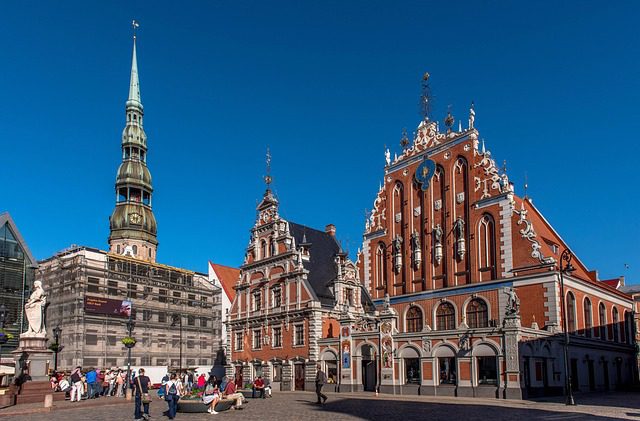
Riga in summer was not in our original plan. We were driving the classic Baltic loop — Tallinn down through the Latvian coast to Vilnius — and Riga was supposed to be a single overnight stop. Then we actually got there. The art nouveau quarter alone kept us a full extra day. The covered market — five repurposed Zeppelin hangars — became our morning ritual. And the riverside at midnight, with the sky still faintly lit, felt like a secret we’d somehow stumbled into ahead of everyone else.
We’ve now visited twice. This is the guide we wish we’d had the first time: what actually makes Riga worth your time in summer, where the crowds go (and where to avoid them), and the practical stuff nobody tells you.
Riga in summer is genuinely one of Europe’s most underrated city breaks. It has the largest collection of Art Nouveau architecture in the world, a medieval old town, excellent food at Baltic prices, and some of the best access to the Latvian coast (Jūrmala is 30 minutes by train). Summer runs warm — expect 20–25°C — with long evenings and an increasingly lively festival scene. Budget €60–100 per day for two, including accommodation, food, and entry fees.
- Why Riga in summer surprises so many visitors
- How to plan your time in Riga step by step
- Riga summer at a glance: 8 things to know fast
- The art nouveau quarter: what to look for and where
- Riga vs Tallinn: which Baltic capital wins in summer?
- Mistakes we made in Riga (so you won’t)
- Frequently asked questions
- A final word from Rovaniemi
Why Riga in summer surprises so many visitors
Most people arrive in Riga with Tallinn already in their recent memory — which is a slightly unfair comparison. Tallinn’s old town is more polished, more photogenic from above, and more visited. Riga is messier, louder, and larger. It’s a proper European capital with 600,000 people, a functioning metro system (well, tram lines), and a food scene that has shifted dramatically over the past decade. It rewards a different kind of attention.
The art nouveau factor
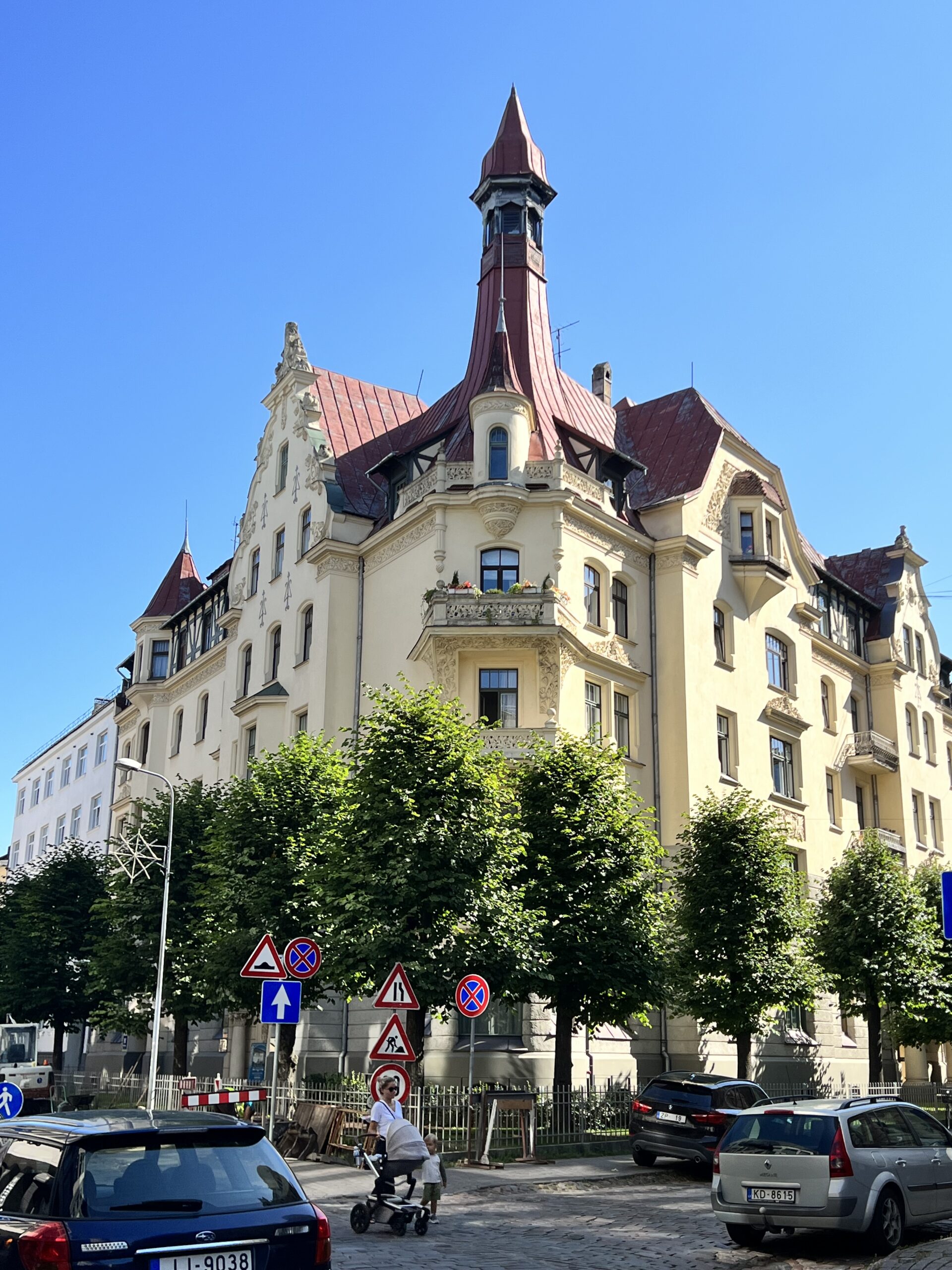
About a third of all buildings in the city centre date from the early 20th century Art Nouveau period — around 800 buildings. No other city in the world has this density. Walking Alberta Street (Alberta iela) on a sunny July morning, with the wrought-iron balconies and the ornate facade details catching the light, is one of those travel moments that makes you pull out your phone every twenty metres. We stopped counting after the fifteenth building we wanted to photograph.
Summer specifically changes the city
Riga in December is cold and grey. Riga in July is an entirely different city: the Esplanade park fills with families, the market stalls outside the Central Market spill onto the surrounding streets, the Daugava riverside promenade becomes an evening social institution, and the summer terrace culture — which Latvians take seriously — transforms almost every café and restaurant. The long Latvian summer evenings (light until nearly 10 pm in June) give the whole city an unhurried, expansive quality.
How to plan your time in Riga in summer step by step
Here’s the honest truth: most visitors spend two nights in Riga and leave wishing they’d had three. We did exactly that on our first visit. Our second visit, we stayed four nights and still felt we could have used one more. Below is a planning sequence that works regardless of how long you have.
Step 1 — Anchor yourself near the old town or the art nouveau district
Riga’s old town (Vecrīga) and the art nouveau district (centred on Alberta iela and Elizabetes iela) are walkable from each other — about 15–20 minutes on foot. Staying between the two puts everything within reach. We stayed in a converted Soviet-era apartment on Brivibas iela (Freedom Street) on our second visit — basic but cheap, and perfectly located for walking both areas.
Step 2 — Spend your first morning at the Central Market
The Riga Central Market (Centraltīrgus) operates out of five enormous Zeppelin hangars from the 1920s. It’s one of the largest markets in Europe by footprint and it is genuinely excellent. Go early — by 9 am — before the tourist groups arrive. Buy the smoked fish, the rye bread, the Latvian dairy (the sour cream, the cottage cheese). This becomes the template for understanding Latvian food culture, which is hearty, seasonal, and not well known enough.
Step 3 — Do the art nouveau walk mid-morning, before midday heat
The art nouveau district is best in the morning light, and it gets warm by midday in summer. Alberta iela is the main event — nine consecutive buildings designed by Mikhail Eisenstein (father of the filmmaker) between 1900 and 1906. Then Elizabetes iela, Strelnieku iela, Kr. Barona iela. The Riga Art Nouveau Museum on Alberta iela 12 has an excellent interior restoration and is worth the entry fee.
Step 4 — Old town in the afternoon and evening
The old town is touristy but genuinely beautiful. The key sights — Riga Cathedral, St Peter’s Church (worth the tower climb for the city view), the Three Brothers (the oldest residential buildings in the Baltics), the House of the Blackheads — can all be done on foot in an afternoon. In the evening, the restaurant density is highest here; prices are slightly elevated compared to the rest of the city but still very reasonable by northern European standards.
Riga summer at a glance: 8 things to know fast
- Weather: June–August averages 20–25°C. July is the warmest month and the driest. Rain is possible but brief; pack a light layer for evenings.
- Cost level: Very reasonable by EU standards. A decent sit-down lunch for two: €18–25. A craft beer at a good bar: €3–4. A mid-range hotel double room: €60–90 per night in July.
- Language: Latvian is the official language; Russian is widely spoken among older residents. English is universally understood in tourist areas and most restaurants.
- Getting there: RigaAir (AirBaltic hub) connects to most European cities. From Helsinki, AirBaltic flies direct. From Tallinn, the bus (Lux Express or FlixBus) takes about 4.5 hours and costs €15–30.
- Jūrmala day trip: The Latvian Riviera — a 33km stretch of beach resort towns — is 30 minutes by commuter train from Riga central station. The beach at Majori is genuinely excellent. Go on a weekday if possible.
- Midsummer (Jāñi): Latvia’s biggest celebration falls on June 23–24. If you’re here for it, it’s extraordinary — but book accommodation months in advance.
- Card-first economy: Riga is almost entirely cashless. Your bank card works everywhere; we didn’t use cash once on either visit.
- Free highlights: Walking Alberta iela, the Esplanade park, the Daugava riverside, the old town itself (most sights are free to walk around externally) — all cost nothing.
Related read Planning the wider Baltic loop? Our 7-day Baltic summer road trip guide covers the full Tallinn–Riga–Vilnius route with day-by-day itinerary and real cost breakdown.
Get our best travel tips in your inbox
Monthly stories from Rovaniemi — Arctic tips, packing lists, and the places we keep coming back to.
A final word from Rovaniemi
We live in Rovaniemi, above the Arctic Circle, and spend most of our year surrounded by forest and snow. When we travel south in summer, we’re looking for something genuinely different — not just warm weather, but places that feel like they have a story we haven’t heard before. Riga is exactly that kind of place.
It’s a city that doesn’t advertise itself aggressively. It doesn’t need to. The Art Nouveau quarter is simply there, block after block, for anyone who chooses to walk it. The market is one of the best we’ve seen in Europe, by any measure. The evenings on the riverside — with the sky staying light until ten, the wooden table terraces busy, the occasional jazz floating out of an open window — are the kind of evenings that make travel feel like the right use of your time.
Add two extra nights. You’ll thank yourself.