Is Estonia Worth Visiting? A Travel Couple’s Honest Answer
We’ve crossed into Tallinn more times than we can count — by ferry from Helsinki, by road from Riga, once on a whim in November. Here is the blunt, unsponsored verdict from a couple who keeps going back.
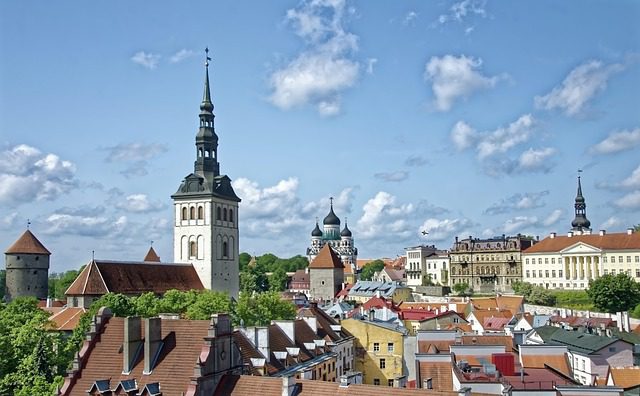
We live in Rovaniemi, in the far north of Finland — and Tallinn is one of the closest foreign cities we can reach without a flight. The Helsinki–Tallinn ferry takes under two and a half hours, and we have made that crossing in every season: summer evenings with the sun still blazing at 10 pm, grey November mornings when the Old Town felt like a film set, and the kind of crisp spring weekend that makes you wonder why you ever bother flying south.
People ask us whether Estonia is worth visiting all the time. The honest answer is: yes, but it depends on what you’re after. Estonia is not a destination that shouts. It rewards the traveler who slows down, eats the dark rye bread, walks the medieval walls, and pays attention to the quiet way this tiny Baltic republic has remade itself since 1991.
Yes, Estonia is absolutely worth visiting — especially for travelers who want medieval architecture, a genuinely walkable capital, outstanding food and coffee, and one of Europe’s best value-for-money ratios. Tallinn’s Old Town is a UNESCO World Heritage Site for good reason. The wider country — coastal islands, bog landscapes, Soviet-era architecture — rewards anyone who stays longer than two days.
What actually makes Estonia worth visiting

Estonia punches far above its weight for a country of 1.3 million people. The first time we walked into Tallinn’s Old Town through the Viru Gate, we both went quiet. The medieval walls, the limestone towers, the narrow cobblestone lanes — it is legitimately one of the best-preserved medieval city centers in all of Europe. But that’s just the entry point.
The Old Town is just the beginning
Tallinn’s Old Town (Vanalinn) is a UNESCO World Heritage Site, and it earns that designation. The two-tiered city — Upper Town on Toompea Hill for the aristocracy, Lower Town for the merchants — is still entirely readable as you walk through it. Climb the viewing platforms at Patkuli and Kohtuotsa for the panorama that ends up on every postcard. Then go back to street level and wander without a map for an hour. You won’t be bored.
But here is what most people miss: Tallinn’s character in 2026 extends well beyond the tourist-facing Old Town. The Telliskivi Creative City district, a former industrial quarter west of the main train station, is where the local coffee culture, vintage shops, street art, and weekend markets actually live. Kalamaja, the adjacent wooden neighborhood with colorful 19th-century houses, is where young Tallinnians go on weekends. If you stay inside the medieval walls the entire visit, you’ll see Estonia’s past without touching its present.
Value for money that Northern Europe otherwise doesn’t offer
We are from Finland, where a dinner for two can easily run €80–100. In Tallinn, we have had some of the best meals of our travels for a fraction of that. A bowl of thick Estonian black bread soup, a plate of elk tartare, a craft beer brewed down the road — at prices that still feel like a minor miracle coming from Helsinki. Estonia is in the Eurozone, so there are no currency surprises, but costs run roughly 30–40% lower than in Helsinki or Stockholm on comparable food and accommodation.
Best time to go — and how long you actually need
We have visited Estonia in summer, autumn, and winter. Each has genuine advantages and we genuinely enjoy all three. That said, most travelers will have the richest experience visiting between late May and early September.
Season by season
- June–August (peak summer): Long evenings, the Old Town at its most photogenic, outdoor terraces in full swing. Crowds are real but manageable compared to Prague or Dubrovnik. This is when Tallinn’s food market at Balti jaam is best. Temperatures reach 20–25°C. The best months for a first visit.
- May and September: Shoulder season — fewer tourists, lower prices, still very pleasant. May is especially lovely as everything is coming into bloom and the Old Town has breathing room.
- October–November: Grey and moody, often rainy, but Estonia in autumn has a particular atmosphere that suits the place. Hot chocolate at a medieval pharmacy, empty cobblestone streets. We loved our November trip.
- December–February: The Old Town Christmas Market (one of the finest in the Baltics) runs through December. January and February are cold, dark, and quiet — not miserable, but best saved for travelers who have been before and want a slow stay.
How long do you need?
- 2 days (weekend trip): Enough to cover the Old Town, one evening in Telliskivi, and a meal at a good restaurant. The minimum meaningful visit.
- 3–4 days: Adds day trips — Lahemaa National Park (Estonia’s wild coast and manor houses, 90 minutes away), the open-air museum, or the Soviet-era Linnahall waterfront.
- 5–7 days: The islands of Saaremaa and Hiiumaa open up, and you start to understand that Estonia is much more than its capital. We’d love to go back for a full week.
Related read Planning the Helsinki–Tallinn crossing for the first time? Our Helsinki to Tallinn Day Trip Ferry Guide covers timing, tickets, and exactly what to do on each side.
The fast-reference Estonia checklist
If you want a single page to make your decision, here is everything we know condensed into a scannable list.
Tallinn’s medieval walled city is one of the most complete in Europe. Unlike many tourist-heavy old towns, it still functions — people live here, churches hold services, small shops sell things locals actually buy.
Estonia has a strong Nordic-influenced food culture: dark bread, fermented vegetables, game meats, excellent dairy. The specialty coffee scene in Tallinn rivals Helsinki. Prices make it feel like a steal.
Estonia is famous for its e-governance and digital infrastructure. The city is clean, signage is excellent in English, and most places accept contactless payment. Getting around is genuinely effortless.
Lahemaa National Park’s limestone cliffs and Soviet-era manor houses are unlike anything in Tallinn. The bog trails of Viru Raba are 45 minutes away. The islands (Saaremaa, Hiiumaa) are a full different mood.
Estonia consistently ranks among Europe’s safest countries for tourists. We have walked back to our accommodation at midnight through empty streets without a second thought, in all seasons.
Tallinn is the natural starting or ending point for a Baltic road trip. Helsinki is a short ferry away. Riga is a 4-hour drive. The region makes sense as a multi-destination trip in a way few others do.
Estonia’s occupation history is visible and thoughtfully interpreted, especially at the Vabamu Museum of Occupations. It adds considerable depth to a visit and gives context the Old Town alone can’t provide.
Estonian is a Finno-Ugric language related to Finnish, but English is widely spoken across Tallinn, especially among anyone under 50. We have never struggled to communicate.
Get our best travel tips in your inbox
Monthly stories from Rovaniemi — Arctic tips, packing lists, and the places we keep coming back to.