Renting a Car in Norway for the First Time: What to Expect
We’ve driven Norway from Stavanger to the Lofoten Islands. Here’s what we wish someone had told us before we picked up the keys — from toll roads and ferries to narrow mountain passes.
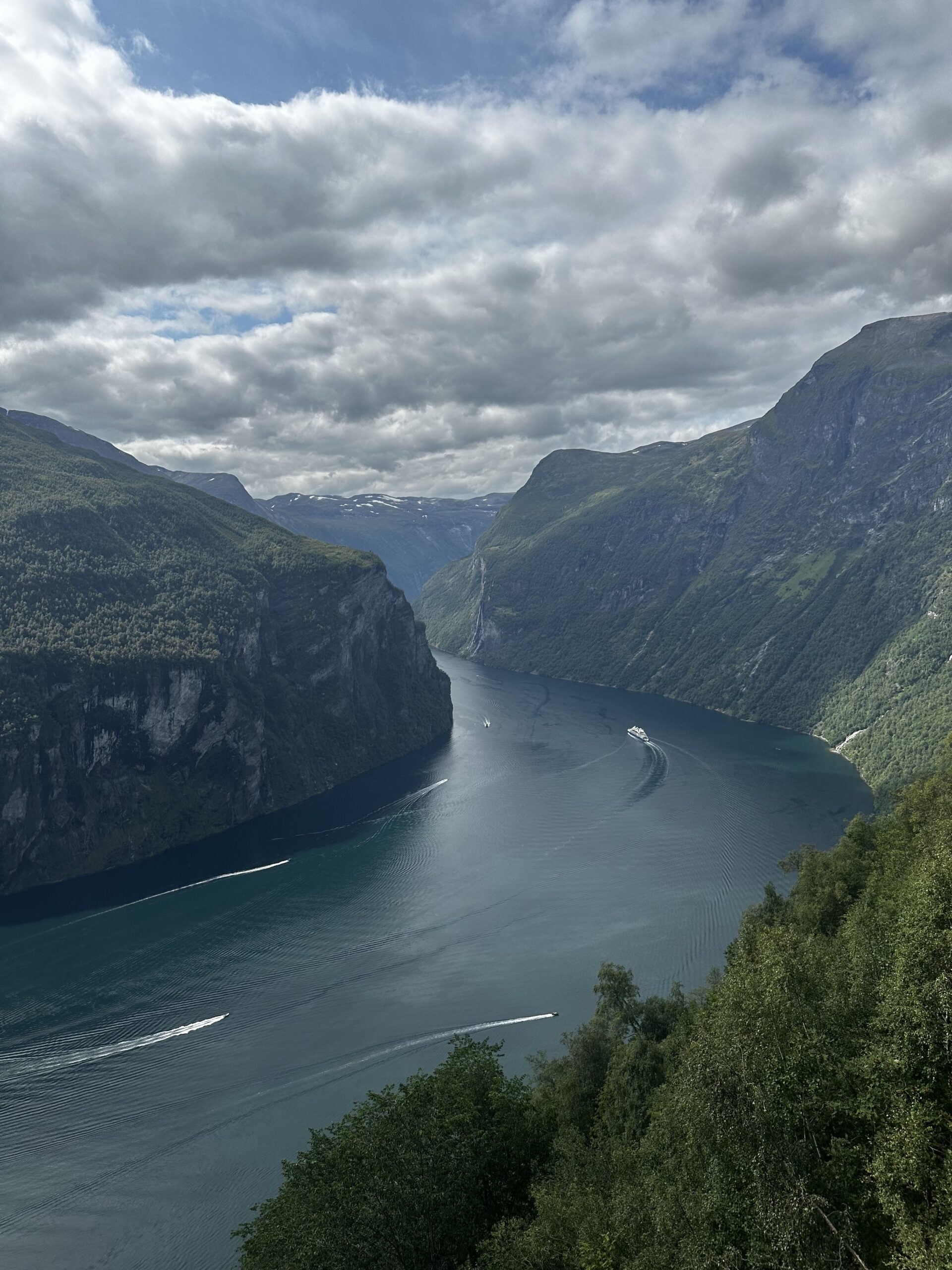
Renting a car in Norway was one of the best decisions we’ve ever made as a couple — and also one of the most stressful pick-up moments of our lives. We stood at an Avis desk in Oslo Airport, cards in hand, being asked about AutoPASS agreements, one-way ferry surcharges, and snow tyre insurance add-ons we had absolutely not prepared for. We said yes to most of it, paid more than we needed to, and learned a lot the hard way.
We’ve since rented cars in Norway several more times — driving the fjords from Stavanger north, crossing into Swedish Lapland from Rovaniemi, and completing sections of the Norwegian Scenic Routes. Here is the honest briefing we wished we’d had before that first pick-up.
Renting a car in Norway is straightforward if you prepare for three things in advance: Norway’s AutoPASS toll system (you’ll be charged automatically whether ready or not), ferry crossings on many scenic routes, and narrow mountain roads that require confidence at the wheel. Book early for summer, bring a full licence, and decline most of the rental desk add-ons — your credit card probably covers collision damage already.
What you actually need to rent a car in Norway
Norway has no particularly unusual requirements compared to other European countries, but there are a few things worth double-checking before you fly.
Documents and age requirements
- Full driving licence: your national licence is valid throughout Schendinavia. If your licence is not in the Latin alphabet (e.g. Arabic, Chinese, Cyrillic scripts), bring an International Driving Permit as well.
- Minimum age: most companies set 21 as the minimum; some charge a young-driver surcharge for drivers under 25. A handful of premium/campervan companies require 25.
- Credit card in the driver’s name: debit cards are rarely accepted for the security hold. The hold is typically NOK 3,000–10,000 (€250–850) depending on the car class.
- Passport or EU ID: you’ll need photo ID at pick-up. Non-EU travellers should bring a passport.
How far in advance to book
- June–August (peak season): book at least 6–8 weeks ahead. Inventory disappears fast, especially for larger estates, 4x4s, and campervans at the major airports.
- May and September: 2–4 weeks is usually fine, though prices climb as departure approaches.
- Off-season (October–April): flexibility is possible, but some mountain roads will need winter tyres — confirm with the rental company that the vehicle is equipped.
Choosing the right car for Norway
This is genuinely important. Norway has some of the narrowest paved roads in Europe — passing bays on single-track routes where you reverse 200 metres to let an oncoming campervan through. The car you rent should match the roads you’re planning to drive.
Our category guide
- Small hatchback (VW Polo, Kia Picanto class): best for cities, fjord valleys, and the main E-roads. Easiest to park, cheapest, and easiest to manoeuvre on tight passes. What we hire 80% of the time.
- Compact estate / mid-size SUV: good balance of luggage space and width. Sensible for families or for those doing National Tourist Routes. Not too wide for the tightest passes.
- Large SUV or 7-seater: fine for main roads, but genuinely stressful on the Trollstigen, Dalsnibba, Lysevegen, and other mountain roads with 3-metre-wide carriageways. We avoid these in Norway.
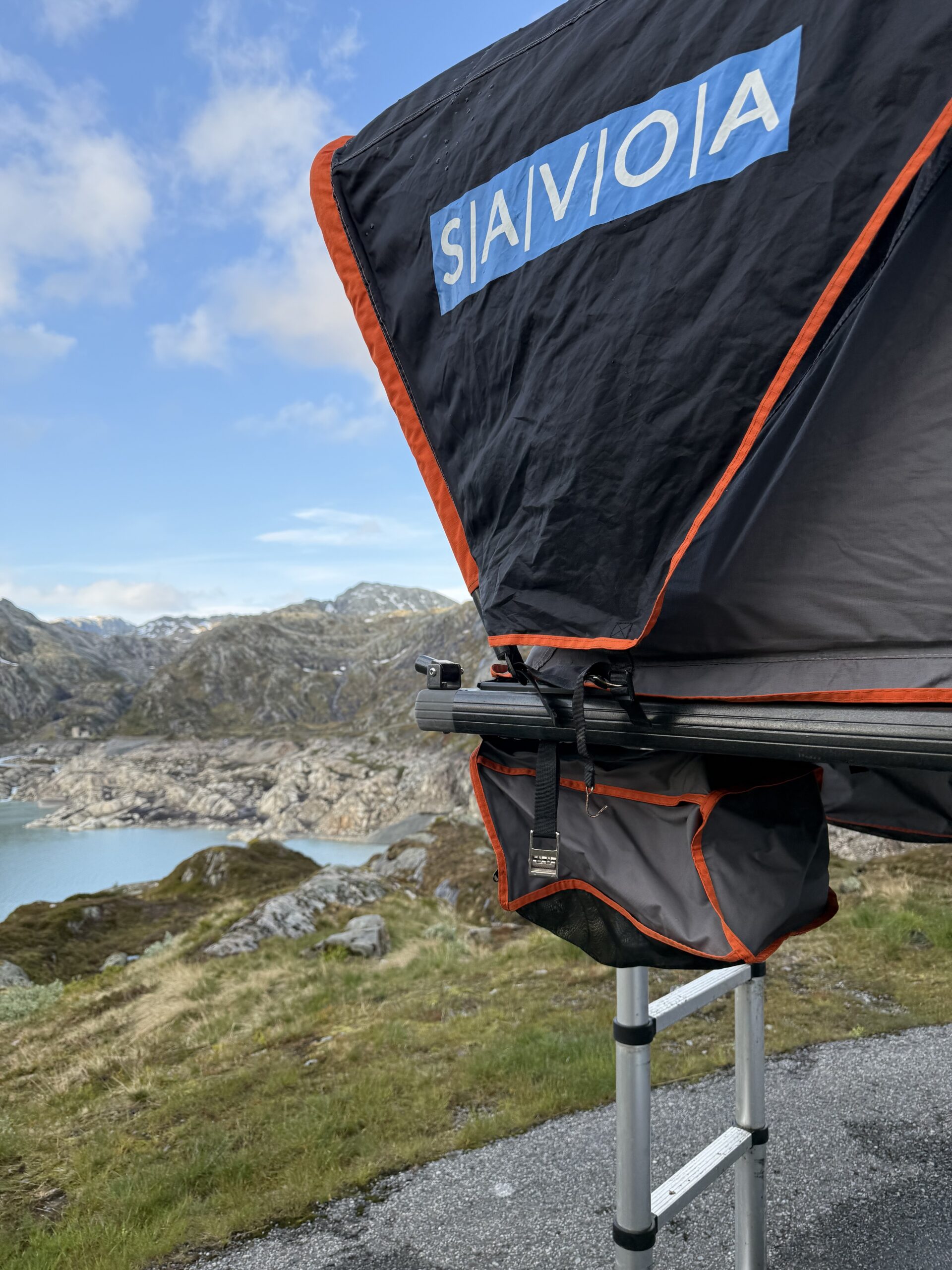
- Campervan / motorhome: a wonderful way to experience Norway but plan your routes carefully. Several scenic roads have length or height restrictions. The Norwegian Scenic Routes map lists clearances.
- Electric vehicles: Norway has the densest EV charging network in the world. EVs are a genuinely practical choice on main routes — just plan charging stops on remote roads, where gaps can be 100+ km.
Related read Is Renting a Car in Norway Worth It? What We Wish We’d Known — our full cost breakdown and honest verdict.
Norway’s toll roads and AutoPASS — the system that surprises everyone

Norway’s toll system is fully automated — there are no toll booths where you stop and pay. Cameras read your licence plate at gantries and charge the registered owner. If you drive a rental car, the rental company will be charged and will pass the cost on to you — plus an admin fee, typically NOK 35–75 per transaction.
The 8-item AutoPASS quick reference
- You cannot opt out: if you drive on a tolled road, you will be charged. There is no manual option.
- The admin fee adds up: each separate toll gantry crossing generates a separate admin fee from the rental company. A day of driving in Oslo can produce 8–12 crossings.
- Sign up for a visitor account: AutoPASS.no has a “visitor agreement” for foreign travellers with registered rental cars. This caps admin fees at a flat daily rate.
- Ask at pick-up: some rental companies include an AutoPASS agreement as a paid add-on (NOK 50–100/day). On a 7-day trip in a fjord-heavy itinerary, this is almost always worth it.
- Budget for NOK 200–600/day in the south: toll density is highest around Oslo, Bergen, Stavanger, and on the E6 south of Trondheim.
- Northern Norway (north of Trondheim) is largely toll-free: the E6 through Nordland and Troms has very few tolls. The Lofoten bridge has one small toll.
- City zones: Oslo, Bergen, and Stavanger all have ring-road tolls that fire every time you enter. If you’re parking for the day, park and walk — don’t keep driving in and out.
- Check your invoice: after returning the car, review the toll charges line by line. We have had errors on every third rental — duplicates and incorrect gantry assignments happen.
Get our best travel notes — before they’re on the blog
Insider routes, honest cost breakdowns, and the Scandinavian tips we only share with our readers.
💡 Our campervan tip: prices for the same van vary a lot between rental brands. We compare Norway campervans across 160+ rental companies on CampervanPlanet — and code HUNGRYTRAVELFAMILY5 takes 5% off.
Ferries, fjords, and what Google Maps doesn’t show you
Norway has over 20 car ferry crossings on its main road network. Several of the most scenic routes — including the classic Sognefjord crossing and the Geirangerfjord approach via Hellesylt — require a ferry. These are not optional, and they are not always obvious when you plan a route in Google Maps.
What you need to know about Norwegian road ferries
- Payment is on board: most ferries accept card. Some remote crossings still prefer cash, though this is becoming rare.
- Cost: a car + two passengers is typically NOK 100–350 (€9–30) per crossing, depending on the route.
- Frequency: on popular summer routes ferries can run every 15–30 minutes. On remote crossings (like Bodø–Moskenes to Lofoten), the full-size car ferry runs just a few times a day and fills quickly.
- Booking in advance: the Lofoten ferry (Bodø–Moskenes) and the Hurtigruten ship crossings should be booked online at 177nordland.no. Most other crossings are first-come, first-served.
- Tunnel alternatives: many fjord crossings now have subsea tunnel alternatives. The Ryfast tunnel (world’s deepest road tunnel, near Stavanger) and the Eikesundtunnelen are free, though most have a small toll.

Insurance: what you actually need (and what to skip)
The rental desk add-on pitch in Norway is aggressive. Here is what the options actually mean, and what we do.
- CDW / Collision Damage Waiver (already included): Norwegian law requires this to be included in the base rental price. It covers the car body but has a high excess (typically NOK 8,000–20,000 / €700–1,700).
- Super CDW / Excess reduction: reduces or eliminates your excess in case of damage. Costs NOK 100–250/day. Worth it if your credit card does not provide rental car excess coverage — many premium Visas and Mastercards do, check first.
- Gravel / windscreen protection: Norway’s gravel roads are hard on windscreens. This is genuinely worth adding if you are driving National Tourist Routes in summer — loose stone from passing trucks chips windscreens regularly. We have had two chips in four Norway trips.
- Theft protection: usually bundled with CDW and already required. Confirm it is included in the base price.
- Personal accident insurance: skip this. Your travel insurance covers it, and if it doesn’t, buy better travel insurance before you leave.
- Roadside assistance / breakdown: all rentals include basic roadside assistance in Norway. Upgraded plans are rarely necessary.
Also useful Norway AutoPASS Explained: How Toll Roads Work for Foreign Drivers — our complete breakdown of the toll system.
The mistakes we made — and how to avoid them
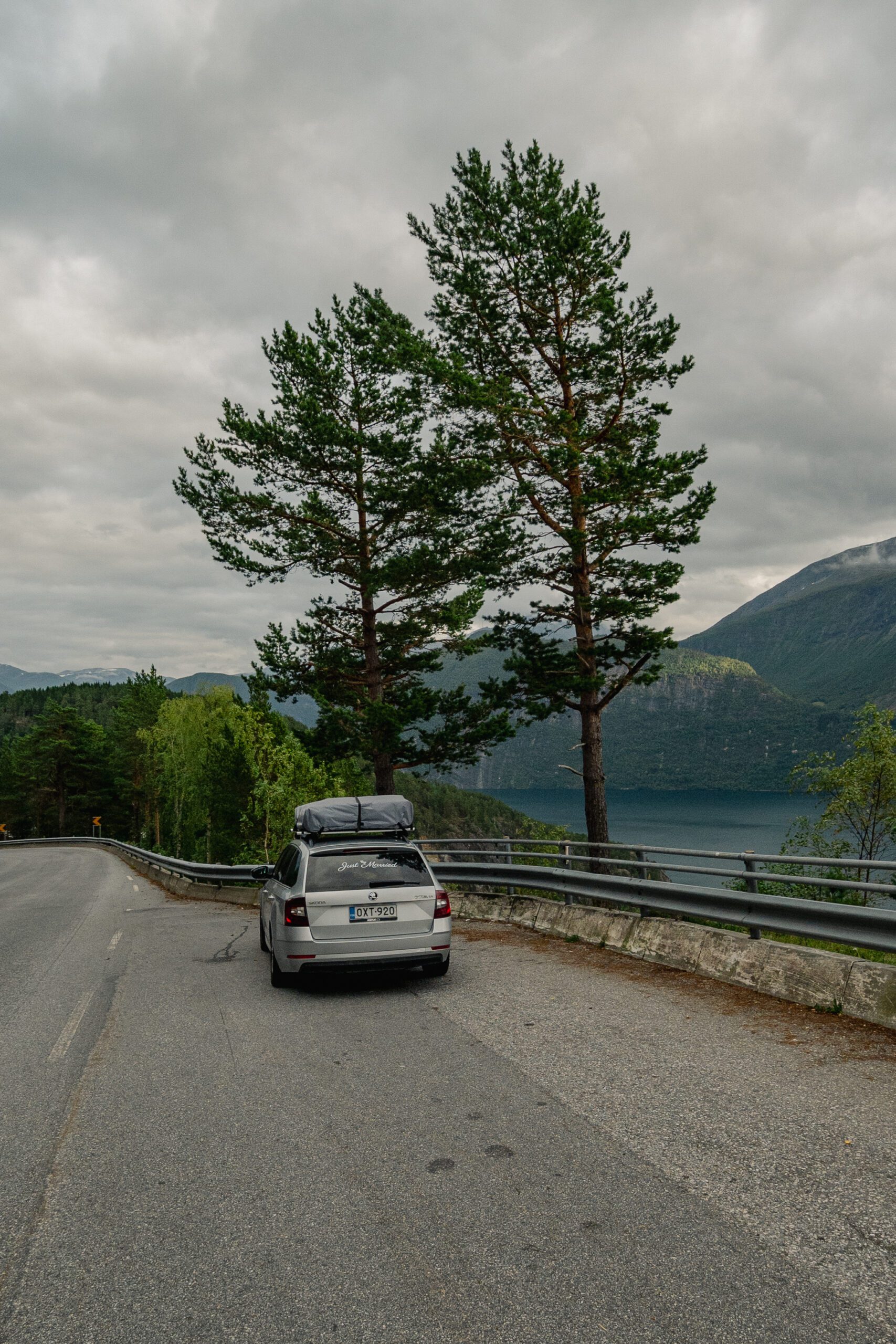
- Booking a large SUV for narrow roads. We picked up a full-size Hyundai Santa Fe in Bergen and spent the first day white-knuckling it on single-lane B-roads. A compact would have been far less stressful and cheaper to fill.
- Not asking about the AutoPASS add-on at the desk. We got home and found €180 in toll admin fees for a 5-day trip. Buying the daily AutoPASS agreement would have cost €35 total.
- Underestimating ferry queues. We missed the last Lofoten ferry of the day by six cars. There was not another one for 20 hours. Book the Lofoten ferry in advance — always.
- Relying on Google Maps ETA on mountain roads. Google maps a route at 50 km/h. The Trollstigen is 10–20 km/h with photo stops and passing bays. Add at least 50% to any mountain driving ETA.
- Filling up with petrol when the tank said “half.” In remote Norway, “half a tank” can be 150 km between petrol stations. Fill at the last town before any mountain crossing.
- Assuming all roads are open in early June. Several mountain passes (including the famous Sognefjellet and Geiranger–Stranda road) open late due to snow — often not until mid-June or early July in high years. Check Vegvesen.no for current road status.
Book your Norway campervan
Compare prices across 160+ campervan and motorhome rental brands, get a free 1GB eSIM with every booking — and 5% off with code HUNGRYTRAVELFAMILY5.
Check prices & availability →Frequently asked questions about renting a car in Norway
Do I need an International Driving Permit to rent a car in Norway?
Not if your licence is in the Latin alphabet (English, Finnish, Swedish, German, French, etc.). Licences from countries that use other scripts — Arabic, Chinese, Thai, for example — require an IDP in addition to the original licence. Norwegian rental companies have become stricter about this since 2024.
Is it expensive to rent a car in Norway?
Rental rates themselves are comparable to the rest of Western Europe — typically €40–80/day for a compact in summer. The real cost adds up in fuel (roughly €1.90–2.10/litre for petrol in 2026), tolls, ferry crossings, and parking in cities like Oslo and Bergen. Budget €25–50/day on top of the rental rate for these extras.
Can I take a Norwegian rental car into Sweden or Finland?
Usually yes — we regularly drive between Norway and Finland from our home in Rovaniemi. You must inform the rental company in advance. Some budget companies prohibit cross-border travel or charge an extra fee. Get written confirmation before you go.
What are the speed limits in Norway?
The default built-up area limit is 50 km/h. Outside towns it is typically 80 km/h on open roads, rising to 90 or 100 km/h on some motorways. Speed cameras are extremely common and fines are very high — a 20 km/h overspeed can cost NOK 5,000+ (€450+). Drive to the posted limits.
Is driving in Norway difficult for first-timers?
Main roads and motorways are straightforward. The challenge is the secondary road network — many scenic routes are single-lane with passing bays, and mountain roads have tight hairpin bends. Take it slowly, pull aside confidently when you see oncoming traffic, and you’ll be fine. A compact car helps enormously.
When do mountain passes in Norway open?
The most famous passes — Sognefjellet, Geiranger–Stranda, Dalsnibba, Vikafjell — typically open between late May and early July depending on snowfall. Some years Sognefjellet does not fully open until mid-June. Always check Vegvesen.no before planning a route over a mountain pass.
A final word from Rovaniemi
We have driven Norway more times than we can count now — from the Lofoten Wall at midnight in summer to the fjords of the southwest in drizzling March fog — and renting a car is still the way we would choose every single time. No bus schedule, no tour guide, just the road unspooling ahead of you and a passing bay every 200 metres.
The system takes one trip to understand. After that first pick-up panic in Oslo, we now arrive at the rental desk with our AutoPASS question ready, our credit card excess confirmed, and a mental note to ask about gravel protection on scenic-route itineraries. It takes five minutes and it saves a lot of money and stress.
If you are heading to Norway this summer and wondering whether to commit to a rental, the answer is almost certainly yes. Just book smaller than you think you need, check the mountain pass opening dates, and remember that the ferry queue is not a delay — it is part of the journey.
— Joona & Alla, Rovaniemi
Joona & Alla
A Finnish-Ukrainian couple living in Rovaniemi, Finland. Joona is a marketing professional in Lapland tourism; Alla is an AI Engineer. Together we’ve visited 25 countries and share honest, locally-grounded travel writing from our home in the Arctic.
Read our full story →