How to Drive in Iceland: Rules, Roads, and What Surprised Us
A couple who drove Iceland’s Ring Road, highland F-roads, and everything in between shares the practical driving tips we wish we’d had before we landed in Reykjavík.
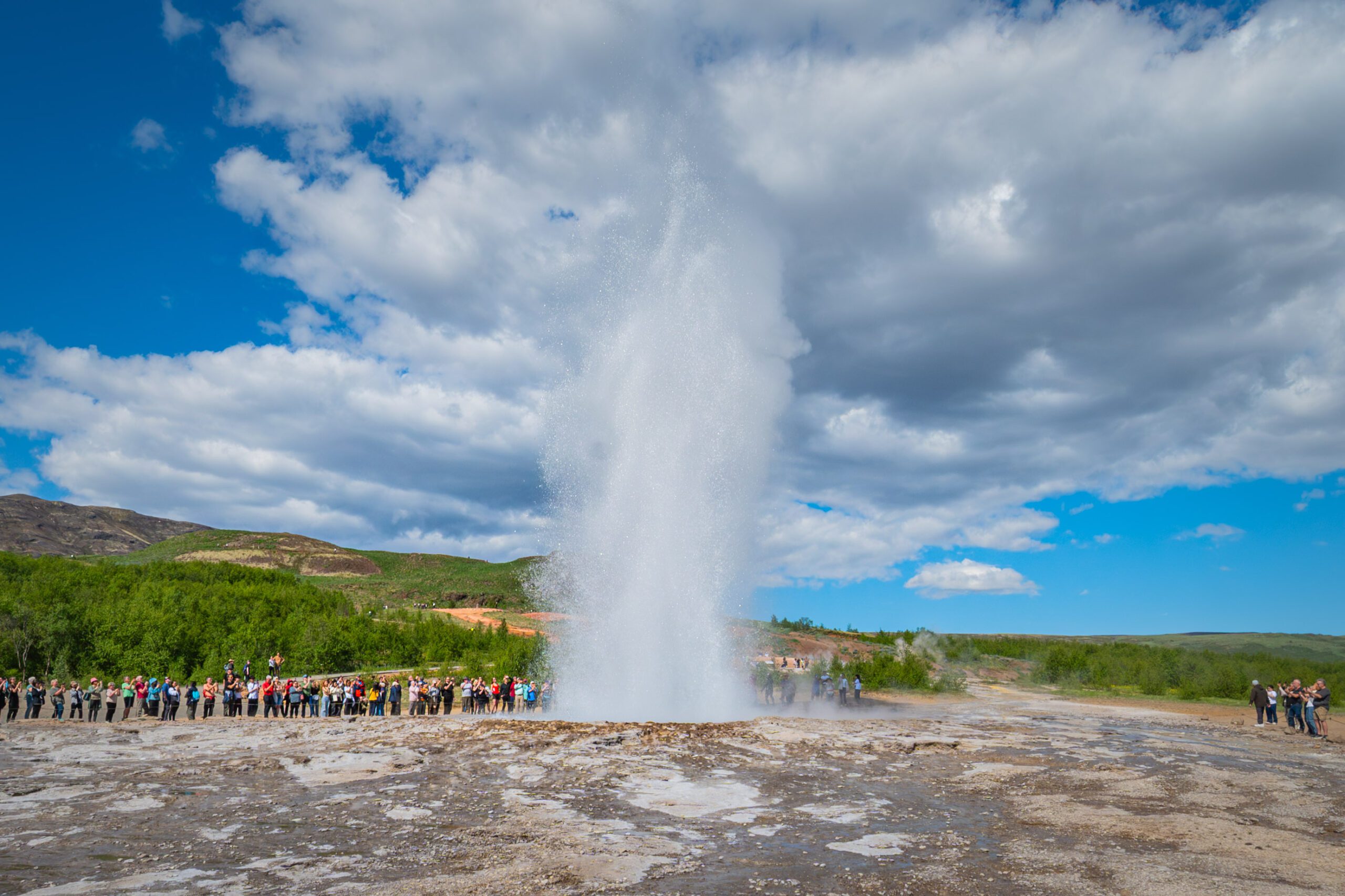
We drove Iceland for the first time coming from our home in Finnish Lapland — confident that Nordic driving would feel familiar. It does, mostly. But Iceland has its own rules, its own road hazards, and a classification system for “roads” that would make a Finnish highway engineer weep. This guide is the honest debrief we give friends before they fly to Reykjavík and pick up their keys.
These driving tips in Iceland are based on firsthand experience on the Ring Road, several coastal detours, and one nerve-wracking afternoon on a highland F-road that we’d like to tell you about.
Driving in Iceland follows standard right-hand traffic rules, requires a full driving licence, and is genuinely manageable for most travellers — except F-roads, which are highland gravel tracks that legally require a 4WD and destroy ordinary rental cars. Never cross a glacial river ford without asking locals first, always check road.is before setting out, and budget for the single-vehicle accident insurance add-on. The rest is intuitive if you’ve driven in any other Nordic country.
- Basic rules and what’s different in Iceland
- F-roads explained: what they are and who can drive them
- Quick-reference: Iceland driving rules at a glance
- Weather and road conditions: how to check before you go
- Rental car decisions: what cover you actually need
- Mistakes we made on our Iceland road trip
- Frequently asked questions
- A final word from Rovaniemi
Basic rules and what’s different about driving in Iceland
Iceland drives on the right side of the road, same as mainland Europe and Scandinavia. Speed limits, roundabout rules, and seatbelt requirements all follow the European convention. If you’ve driven in Finland, Norway, or Germany, the fundamentals are immediately familiar. What’s not familiar are a handful of Iceland-specific rules and road conditions that caught us out on our first visit.
The rules that surprised us
- Headlights on at all times: Mandatory 24 hours a day, year-round — even in the blazing June midnight sun. Your rental car will likely default to auto-on, but check before you leave the car park.
- Speed limits are lower than they look: Urban areas 50 km/h, gravel roads 80 km/h, paved roads 90 km/h. There is no 110 or 130 km/h. Icelanders drive unhurriedly; so should you.
- Single-lane bridges: Hundreds of them on the Ring Road and rural routes. The rule is simple — whoever reaches the bridge first has right of way. In practice, Icelanders are polite about this. Slow down, make eye contact, proceed when it’s clear.
- No overtaking on blind hills or curves: The same as everywhere, but it matters more in Iceland because the roads are narrow and the ditches are deep.
- Drink-driving limit is 0.05% BAC — same as Finland and stricter than the UK’s 0.08%.
- Off-road driving is illegal and heavily fined. Iceland’s moss and lava soil take centuries to recover from tyre damage. Stay on marked roads, always.
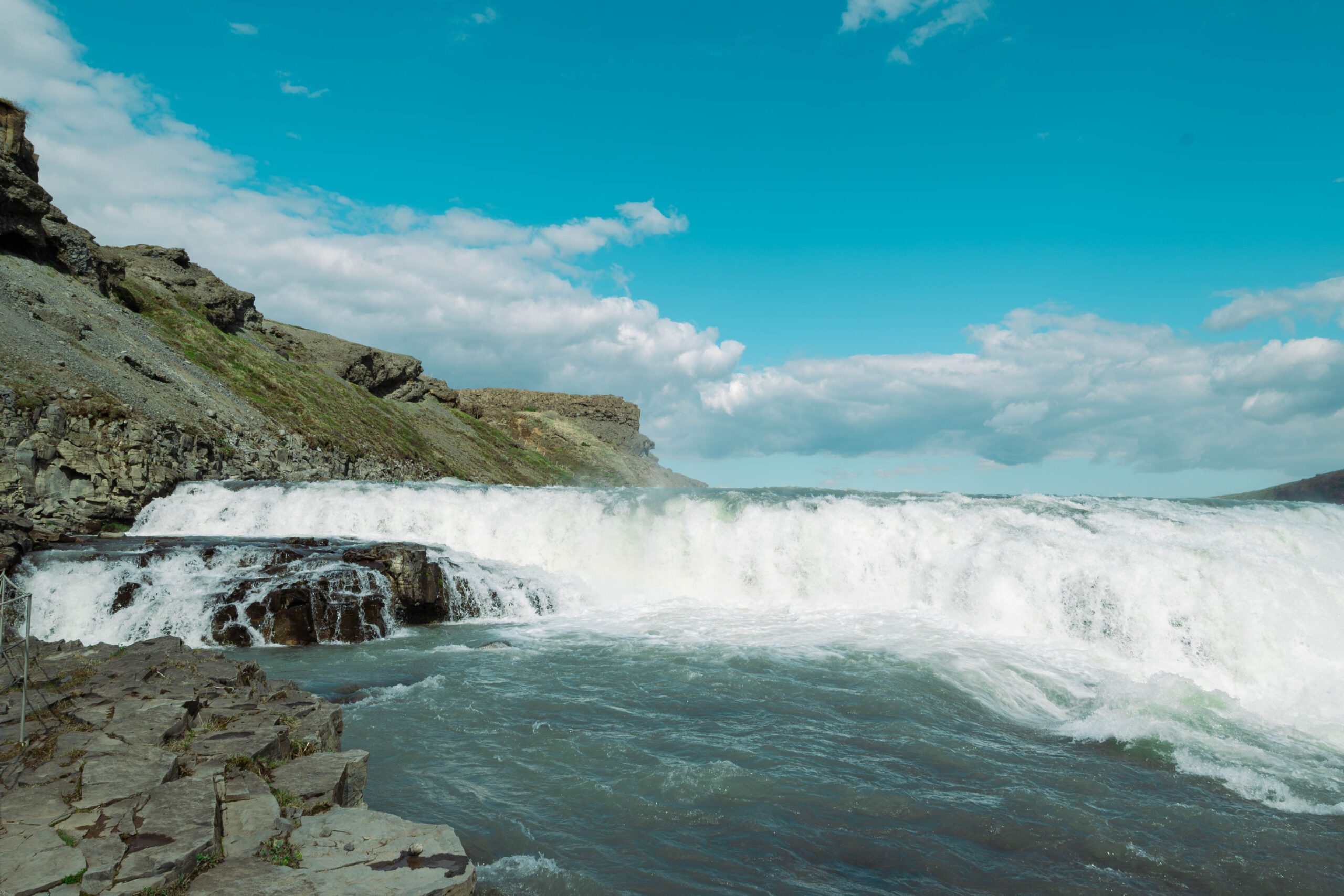
F-roads explained: what they are and who can actually drive them
This is the single most important section in any guide to driving in Iceland. F-roads are highland interior tracks, marked on maps with an “F” prefix (F210, F35, F26, and so on). They are not roads in any normal sense. They are unmaintained gravel and rock tracks that cross river fords, snow fields, and loose volcanic soil at altitude.
What “F-road capable” actually means
- 4WD is legally required to drive F-roads. Standard 2WD rental cars are banned from them, and your insurance is void the moment you cross an F-road gate in a small SUV or sedan.
- High clearance matters as much as 4WD. A low-slung crossover marketed as an SUV is not built for F-road boulders. We recommend at least 200 mm ground clearance.
- River crossings (fords) are not bridged. You drive through running glacial meltwater. The depth varies hour by hour depending on temperature. We watched one traveller strand a rented Duster mid-river. The tow cost was not covered by any standard insurance add-on.
- F-roads open seasonally — typically mid-June to early September, depending on snowpack. Check the Vegagerðin website (road.is) for the current status of each specific route before planning.
- Go in convoy. Seriously. If your vehicle breaks down at the Landmannalaugar trailhead with no phone signal, you want another car nearby.
We drove the F208 to Landmannalaugar in a properly specced 4WD. It was spectacular. It was also deeply uncomfortable, very slow (expect 25–30 km/h on the rough bits), and punctuated by three river crossings we wouldn’t have risked in anything smaller. If you’re renting for F-roads, budget for a proper 4WD — typically €80–150/day more than a compact car.
Related read Planning the full loop? Is Iceland’s Ring Road Doable in 7 Days? — our honest take on pacing the full 1,332 km route with realistic daily distances.
Iceland driving rules: the quick-reference checklist
Before every driving day in Iceland, run through this list. It takes 90 seconds and has saved us more than once.
- Check road.is for closures, F-road status, and storm warnings specific to your planned route.
- Check vedur.is (Iceland Met Office) for wind and visibility. Sustained wind above 20 m/s is dangerous on exposed highland roads.
- Headlights on from the moment you start the engine.
- Speed limit on gravel: 80 km/h maximum — but 60 km/h is safer. Flying gravel chips windscreens.
- Seatbelts for all passengers, rear seats included.
- Mobile phone only with hands-free. Iceland’s roads do not tolerate distracted driving.
- Never stop on the road to photograph. Use designated pull-offs. The shoulder crumbles. Rear-end accidents at scenic viewpoints are Iceland’s most common crash type.
- Fuel up whenever the gauge reaches half. Petrol stations in the east and highlands can be 100–150 km apart. Most are 24-hour self-service with card payment.
New posts, honest road notes, and travel finds
We write from the Arctic Circle. No spam — just the stuff worth reading.
Weather and road conditions: how to check before every drive
Iceland’s weather changes fast. “Clear this morning” and “blizzard by noon” can be the same day in the East Fjords in September. We developed a simple morning routine that covers most risk scenarios.
Our pre-drive weather routine
- road.is — Road conditions map: Shows real-time closures, gravel sections, snow, and bridge updates. Bookmark it before you land. Filter by “Closed” and “Difficult” for your specific region first thing every morning.
- vedur.is — Wind forecast: Iceland’s Met Office. Check the wind map specifically. High-profile vehicles (camper vans, SUVs) can be pushed off road at 25 m/s. The orange and red wind warnings are not suggestions.
- en.vedur.is/weather/forecasts/road: Road weather specifically — ice, snow, reduced visibility per segment.
- Safe Travel Iceland app: Register your itinerary so search-and-rescue knows where to look if you go missing. Also issues automated safety alerts to registered travellers. Free. Use it.
- Talk to your accommodation: Farmstays and guesthouses in rural areas always know the local road condition better than any app. Ask at breakfast.
Rental car decisions: the insurance you actually need
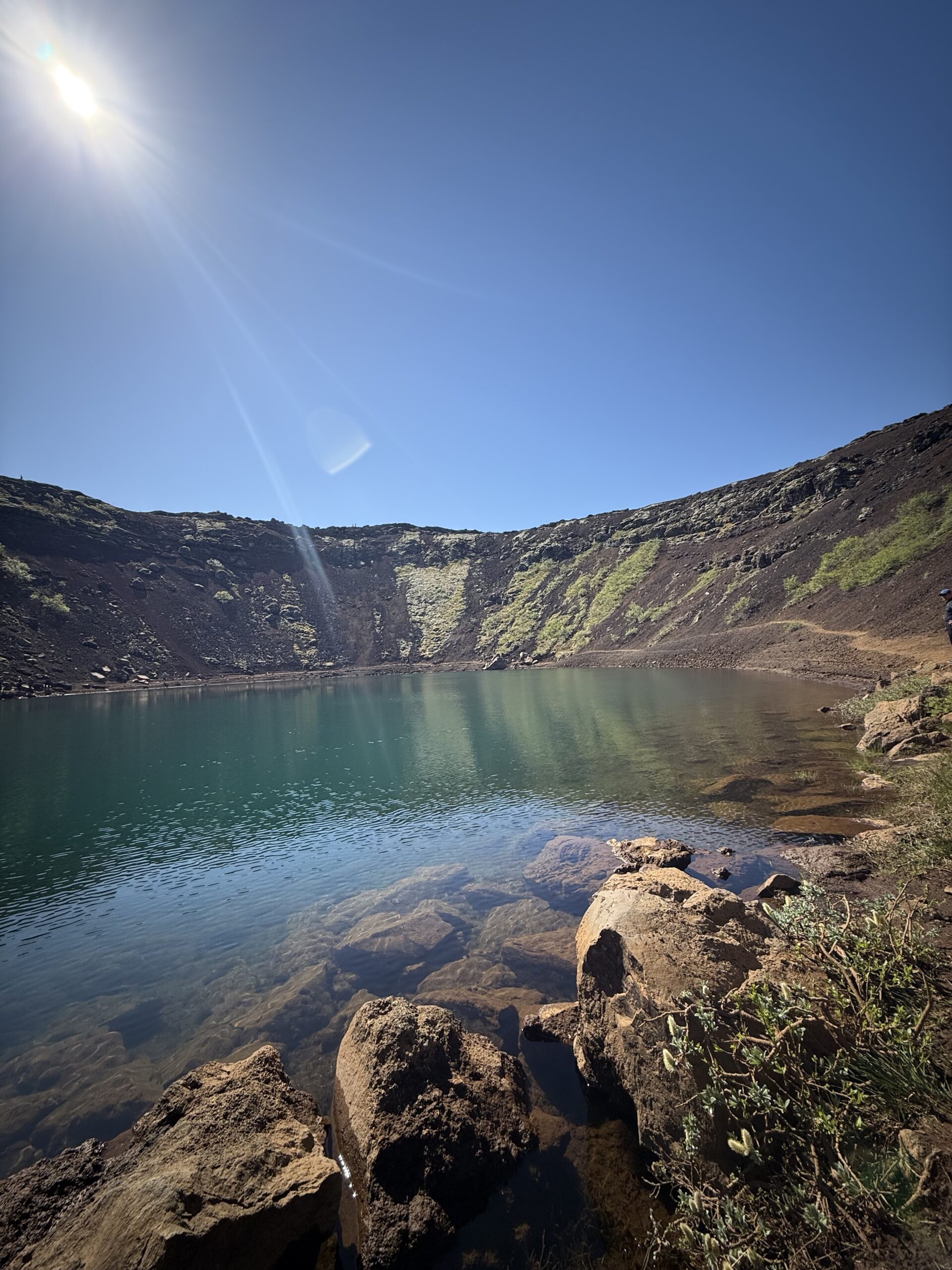
Iceland’s rental car landscape has a reputation for surprise charges. Here is what we learned after two rental experiences and one friend’s horror story involving a cracked windscreen and an uncovered gravel damage claim.
- CDW (Collision Damage Waiver) is standard and covers most accidents — but check the excess. It can be €500–2,000. A Super CDW or zero-excess upgrade is worth it if you’re doing gravel roads.
- SAAP (Single Vehicle Accident Protection): Iceland specifically offers this add-on because rolling off the road onto rough lava — with no other vehicle involved — is very common. Standard CDW does not cover single-vehicle accidents on unpaved surfaces. We always add this.
- Gravel Protection: Flying stone chips are excluded from most base insurance. Windscreen cracks are the most common paid claim in Iceland. Add the gravel protection or accept the risk.
- Sand and Ash Protection (SAAP variant): Relevant only if driving near black sand beaches (Reynisfjara, for instance) or near active volcanic areas. Particles strip paint. The cover is inexpensive and worth it in southern Iceland.
- F-road clause: Confirm in writing that your chosen 4WD is insured for F-roads. Some rental companies exclude specific tracks. Get it in the rental agreement, not verbal reassurance.
- Book early: In summer 2026 the supply of larger 4WD vehicles has tightened significantly. We recommend booking 3–4 months ahead for any June–August trip.
Related read Is Renting a Motorhome in Iceland Worth It? — a separate breakdown of the campervan-vs-rental-car decision, costs, and what changed our minds.
Driving mistakes we made in Iceland (so you don’t have to)
- We didn’t check road.is the first morning. We set out for the south coast on a day when the road past Vík was closed due to storm surge. We turned back 40 km in. Always check.
- We underestimated driving times. Google Maps calculates Iceland roads at normal European speeds. Most of the Ring Road east of Höfn averages 60–70 km/h realistically, not 90. Add 25–30% to every estimated journey time.
- We stopped on the shoulder to photograph a waterfall. A farmer in a truck told us (kindly but firmly) that the shoulder we’d pulled onto was unstable and had swallowed a car last spring. Now we always look for a designated pull-off or park in a proper lay-by.
- We forgot to fill up near Egilsstaðir. The next station was 90 km east. We made it, but only because we’d happened to fill three-quarters the day before. The east is genuinely sparse. Fill at every opportunity.
- We skipped the gravel protection. First trip. A stone cracked the windscreen on the road to Jökulsárlón. It cost us €280 out of pocket. We never skip it now.
- We drove the F208 in the wrong direction. River crossings are easier in one direction than the other (approach angle matters for the current). Ask the rental company or local accommodation which way to tackle each ford before you go.
Frequently asked questions about driving in Iceland
Do I need an international driving licence to drive in Iceland?
No, if your licence is issued by an EU/EEA country, the UK, USA, Canada, or Australia, your national licence is accepted. Iceland requires that the licence be in Roman-script (Latin alphabet) or accompanied by an official translation. If your licence is in Cyrillic, Arabic, or another non-Latin script, bring an IDP.
What are F-roads and do I need a special licence for them?
F-roads are highland interior tracks, marked with an “F” prefix on maps. No special licence is needed, but a 4WD vehicle is legally required. Driving an F-road in a 2WD car voids your rental insurance and is illegal. Check road.is for which F-roads are currently open — most only open in summer.
Can I drive in Iceland in winter?
Yes, but winter driving is challenging. Ice, snow, darkness, and sudden blizzards are common. Winter tyres are mandatory from November 1 to April 14 (rental cars are already equipped). The Ring Road generally stays open but can close for hours during storms. Avoid F-roads entirely in winter — they are impassable and closed.
Is it safe to drive in Iceland as a tourist?
Iceland is safe to drive, but single-vehicle accidents are the most common serious incident. Tourists drift onto soft shoulders, get surprised by single-lane bridges, or attempt F-roads without the right vehicle. Follow road.is, respect the speed limits on gravel (80 km/h maximum), and never drive off-road. The roads themselves are well-maintained where they are paved.
What side of the road do Icelanders drive on?
Right-hand side, same as mainland Europe and Scandinavia. The steering wheel is on the left. This can cause momentary confusion when arriving from the UK or Ireland, where it’s the opposite.
How much does it cost to rent a car in Iceland in summer 2026?
A compact 2WD runs roughly €60–90/day in summer, including basic insurance. A proper 4WD with Super CDW, gravel protection, and SAAP adds up to €120–200/day for a mid-size option and €170–280/day for a large Defender-class vehicle. Prices in June–August are significantly higher than off-season. Book early — supply of larger 4WDs is genuinely limited.
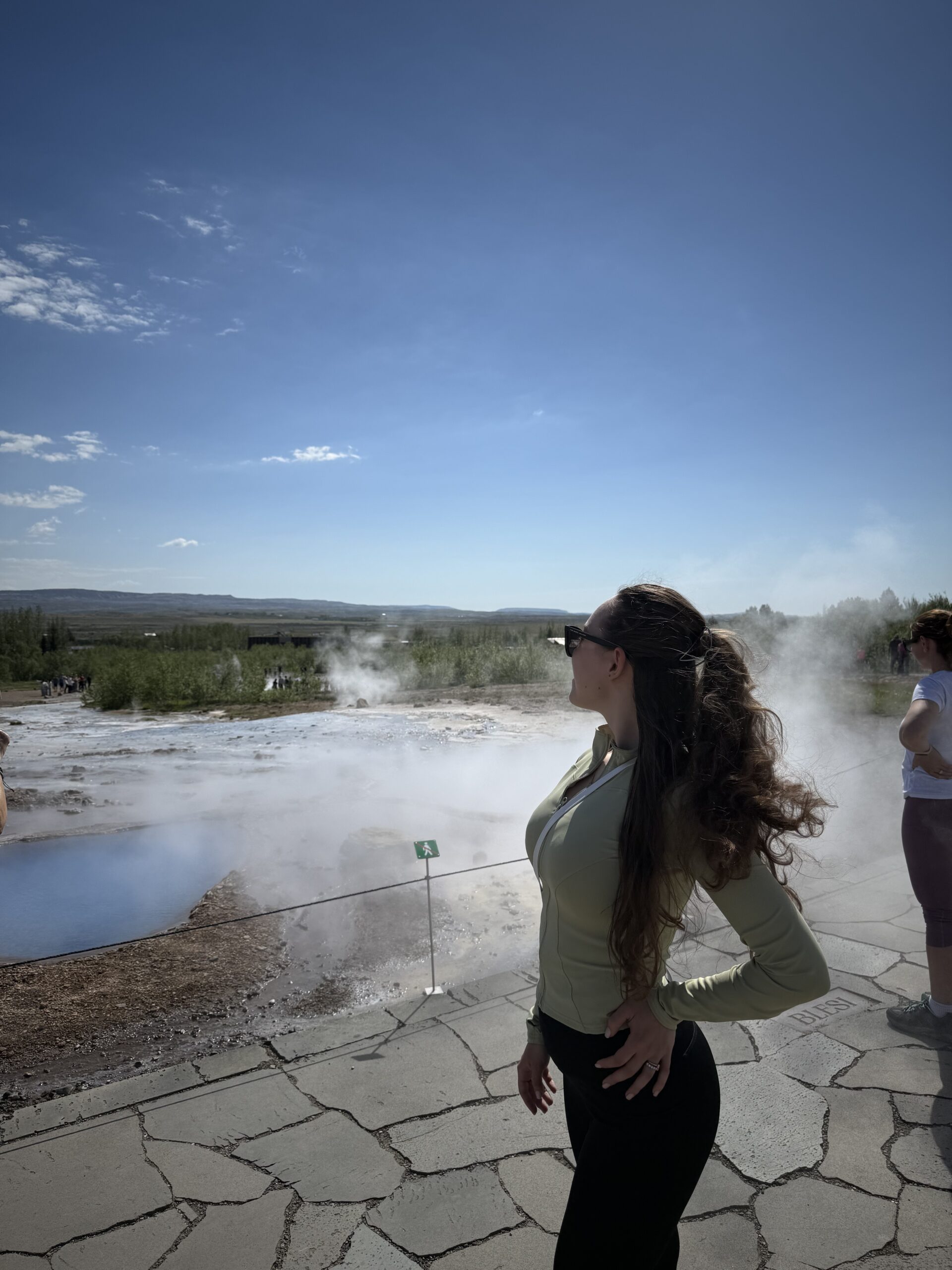
A final word from Rovaniemi
We come from a place where driving on ice-covered roads in the dark is a normal Tuesday in January. Iceland still managed to teach us a few things about humility behind the wheel. The country is breathtakingly beautiful in a way that makes you want to stop the car every five minutes — and the roads genuinely reward careful, unhurried driving more than almost anywhere else we’ve been.
The driving itself is not the challenge. The F-roads are genuinely technical. The weather is genuinely unpredictable. The single-vehicle accident statistics are genuinely sobering. But if you drive to the conditions, check road.is every morning, add the gravel protection, and resist the urge to draft a TikTok video at the wheel on the Snæfellsnes peninsula — Iceland will reward you with some of the most spectacular road-trip hours on the planet.
We hope this guide saves you the windscreen bill we didn’t avoid. Drive well out there.
— Joona & Alla, Rovaniemi
Joona & Alla
A Finnish-Ukrainian couple living in Rovaniemi, Finland. Joona is a marketing professional in Lapland tourism; Alla is an AI Engineer. Together we’ve visited 21 countries and share honest, locally-grounded travel writing from our home in the Arctic.
Read our full story →