We keep telling people to visit Norway in spring. Fewer crowds, dramatic snowmelt waterfalls, the fjords turning green before the summer rush arrives — and prices that are noticeably lower. Here is our honest case for May and early June.Norway in Spring: An Underrated Season
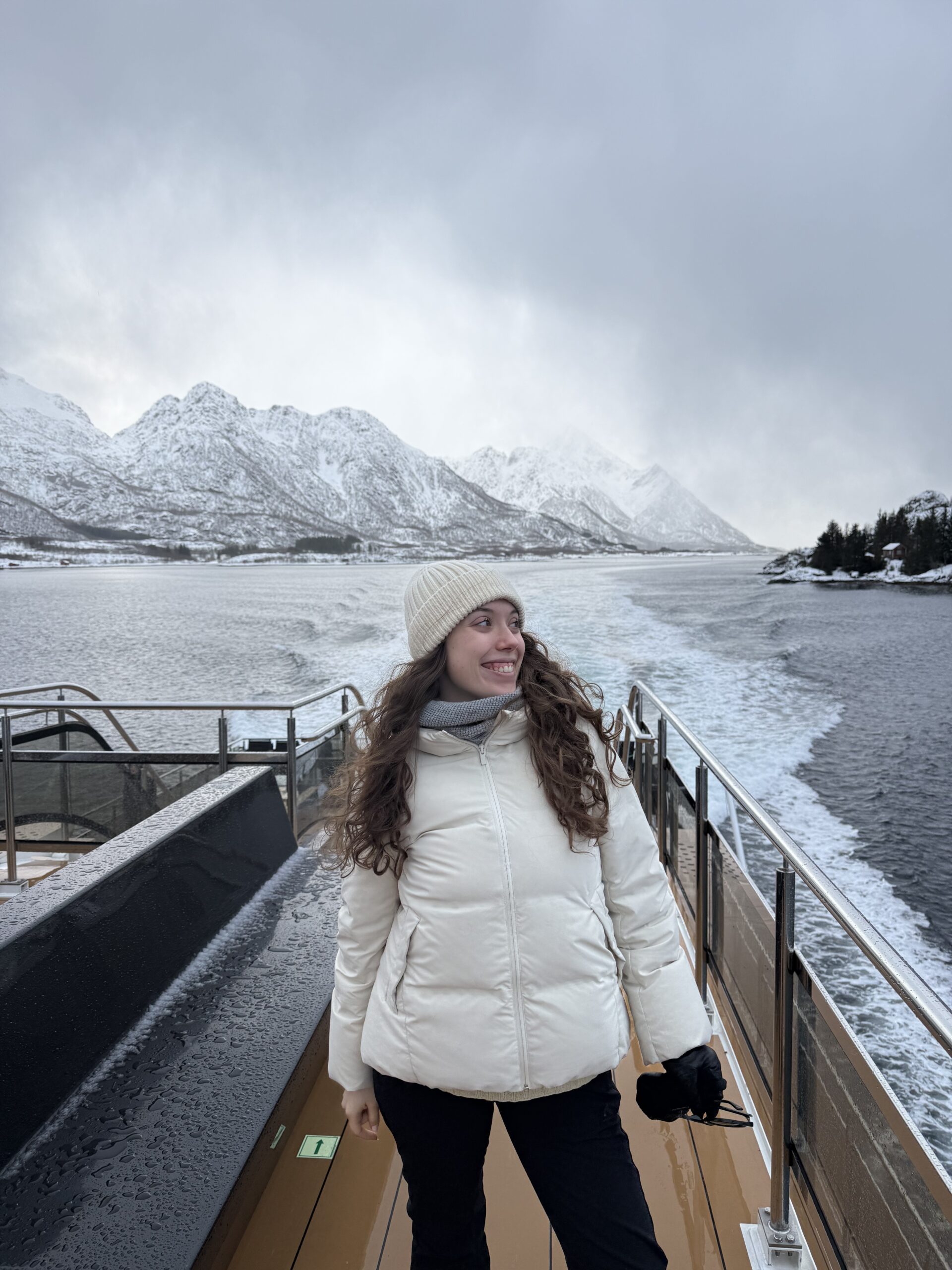
We have driven to Norway from Rovaniemi more times than we can count. In winter for the northern lights and snow. In summer for the midnight sun and fjord road trips. But the season that quietly keeps winning us over is spring — specifically Norway spring travel in May and early June, when the crowds have not arrived yet and the landscape is going through the most dramatic transformation of the year.
Waterfalls fed by snowmelt run harder than at any other time. The fjords shift from steel grey to the kind of vivid green that makes you stop the car and just stare. Accommodation costs less. You can get a table at a restaurant in Bergen without a reservation. And the mountain passes — Trollstigen, Sognefjellet, Aurlandsfjellet — are reopening for the season, which means you can be among the first drivers through.
Norway in spring (May to early June) is genuinely underrated. The waterfalls are at peak power, the fjords turn vivid green, crowds are minimal, and prices are 20–40% lower than peak summer. The trade-off is that some mountain roads are still opening and higher-elevation hikes require more gear. For a first Norway trip focused on fjords and scenery, late May is one of the best times to go.
Why Norway spring travel is worth it
The waterfalls hit different
We have seen Vøringsfossen in July. We have seen it in late May. It is not even a comparison. Snowmelt from the Hardangervidda plateau feeds the falls through spring in volumes that summer simply cannot match. The same is true for Steinsdalsfossen, Låtefossen, and dozens of unnamed cascades that appear along the Hardangerfjord in May and are barely a trickle by August. If waterfalls are your reason for going to Norway, spring is your season — not summer.
The fjords turn green before the crowds arrive
Late April and May is when the fjord hillsides shift from bare rock and dead grass to the kind of intense, almost unreal green that Norway is famous for in photographs. The thing about summer is that by then, everyone is already there to see it. In spring, you have the viewpoints to yourself. We drove the Nærøyfjord road in late May and stopped at every pull-off without once having to wait behind another car for a parking space.
From Rovaniemi, we cross into Norway through Kautokeino or via the E8 through Kilpisjärvi — and even those border crossings feel different in May. The light is long but the roads are quiet. It already feels like a secret.
What Norway looks like month by month in spring
March and April: still winter in most of Norway
We would not call March or April proper spring travel in Norway. Northern Norway — Tromsø, Lofoten, Svalbard — is still deeply wintry. The fjord regions of western Norway are beginning to wake up, and flowers appear in the Hardangerfjord area by mid-April (the Hardanger blossom season is genuinely spectacular and worth timing a trip around). But most mountain passes remain closed, snow can appear at any time, and tourist infrastructure runs on reduced winter schedules.
May: the sweet spot for Norway spring travel
May is where Norway spring really becomes a travel decision rather than a weather gamble. Here is what you can expect:
- Western fjords (Bergen, Flåm, Aurland, Nærøyfjord): fully green by mid-May, waterfalls at peak volume, temperatures ranging from 10–18°C in the valleys
- Mountain passes: Sognefjellet and Aurlandsfjellet typically open in early to mid-May; Trollstigen opens mid-May to early June depending on snowpack
- Lofoten: surprisingly pleasant in May — puffins arrive, wildflowers are out, and the dramatic cliffs have their spring colour before the camping season crowds
- Oslo and surrounding area: warm and green, with the city at its liveliest before the summer tourist peak hits
- Northern Norway (Tromsø, Alta): still cold at higher elevations but the light is extraordinary — heading toward midnight sun conditions by the end of May
Early June: the transition window
Early June is the grey zone between spring and summer. The midnight sun is beginning or already active in the north. Mountain roads are fully open. Wildflower meadows above the fjords are at their best. Accommodation prices start rising as summer bookings kick in, but you still avoid the July and August peaks. If you can travel in the first two weeks of June, this is arguably the single best window for a Norway road trip — everything is open, nothing is yet over-crowded, and the light lasts all night.
Spring Norway quick-reference planner
Catch the Hardanger blossom season (usually peaks mid-April to early May — check Hardanger Frukt & Cider for live updates). Drive the Hardangerfjord loop via Lofthus and Eidfjord. Vøringsfossen is at maximum flow. Temperatures 8–14°C. Accommodation easy to book without advance planning.
The Nærøyfjord (UNESCO World Heritage Site) is at its most photogenic in May. Drive the Aurlandsfjellet Scenic Route (Snow Road) — it opens early to mid-May and is spectacular with snow still on the roadside. The Flåm Railway runs year-round. Waterfalls cascade off every cliff.
Trollstigen opens for the season (typically mid-May). Drive it early in the morning to avoid any traffic. Geirangerfjord cruise season starts and the road down to Geiranger is dramatic with snowmelt streams crossing the tarmac. Stay in Åndalsnes for easy access to both.
Puffins arrive in Lofoten in May. The E10 road along the islands is driveable and quiet. Rorbu accommodation is available without advance-booking panic. Bring layers — coastal Lofoten spring can be breezy and changeable. Average temperatures 5–12°C.
Oslo in May is genuinely lovely. The city parks (Frognerparken, Ekebergparken) are green and busy with locals. Vigeland Sculpture Park is crowd-free in the mornings. Constitution Day (17 May) is one of the best public events in Scandinavia — the city fills with Norwegians in national dress for a parade through the entire centre.
The midnight sun starts properly in Tromsø on 20 May and runs until 22 July. Late May is the start of this window: long light, low crowds, and the Arctic landscape coming alive. Bring a good layering system — temperatures 5–15°C.
Get our best travel tips in your inbox
Monthly stories from Rovaniemi — Arctic tips, packing lists, and the places we keep coming back to.
What to watch out for in spring
- Road opening dates vary by year: Snowpack is different every spring. Trollstigen opened 10 May one year and not until 3 June the next. Always check vegvesen.no before building a pass crossing into your itinerary — they post real-time opening dates.
- Higher elevations are still cold and can be icy: Valley temperatures in Bergen in May can feel like a warm spring day. Drive 600 metres up and you can hit sub-zero temperatures and icy patches. A 4WD with winter or all-season tyres is genuinely useful until mid-May in northern and inland Norway.
- Some ferry routes run on reduced schedules: The Norwegian ferry network has seasonal schedules. Some fjord crossings run less frequently in spring than in July. Check Ruter or Skyss apps and local routes before you rely on a specific crossing time.
- Easter week brings a surprising spike: Norwegians take Easter skiing seriously. In the week around Easter, ski resorts and mountain cabins are busier than midsummer. Prices rise and accommodation books out. Either embrace it or avoid it.
- Hiking trails above the treeline require gear: Classic hikes like Preikestolen, Kjeragbolten, and Trolltunga technically open in spring but the upper sections can have significant snow and ice through May. Crampons and poles are worth bringing for high-altitude hiking.
- Not everything is open yet: Some seasonal restaurants, tour operators, and visitor centres do not open until late May or early June. If a specific experience is essential, call ahead.
Spring vs summer in Norway — honest comparison
- Waterfalls: Spring wins. Snowmelt makes them significantly more powerful through May and into early June. By August many of the same falls are reduced to a fraction of their spring volume.
- Crowds: Spring wins convincingly. July and August in the fjord region have exploded with tourism. The famous viewpoints — Stegastein, Ørnesvingen above Geiranger — can have queues of cars in summer. In May, you have them to yourself.
- Accommodation prices: Spring is 20–40% cheaper on average for fjord-region accommodation. The extreme summer premium in places like Flåm and Balestrand is not yet in effect.
- Daylight: Summer wins for pure light quantity — midnight sun gives 24-hour daylight in the north. But late May still gives 18–22 hours of light in southern and western Norway. It is more than enough.
- Mountain road access: Summer wins — all passes are open. In spring, you may encounter a closed Trollstigen. It is manageable with planning but adds uncertainty.
- Hiking trail conditions: Summer wins for the classics. Trolltunga in May often requires ice axes. In July it is a well-worn trail. If hiking is your main purpose, summer is safer and more accessible.
- Puffins (Lofoten and Runde): Spring actually wins — puffins arrive in May and can be seen at their most active before the summer crowds reach the nesting cliffs.
Mistakes we made visiting Norway in spring
- Assuming Trollstigen would be open when we planned: We built a tight itinerary around driving Trollstigen on a specific date in mid-May. It was still closed that year due to late snowpack. We had to reroute through the tunnel and missed the pass entirely. Now we always have a backup plan for every mountain road we are counting on.
- Not checking ferry schedules until the last minute: A fjord crossing we needed had reduced spring departures — three per day instead of the summer frequency of every 40 minutes. We missed the last one by 12 minutes and had to detour an extra 90 km. Check schedules when you plan, not when you arrive.
- Underestimating how cold it can get above the valley floor: We dressed for Bergen valley temperatures and drove up the Aurlandsfjellet. We were in summer clothes at 1,000 metres in a light rain that felt close to sleet. Always pack an extra layer specifically for high-elevation stops in May.
- Booking a guesthouse that turned out to open only in June: A lovely-looking fjord guesthouse listed itself as open. We showed up and it was still shuttered. Some properties in the fjord region genuinely do not open until June regardless of their website status. Call before you confirm.
- Not timing our waterfall visits for morning light: The big falls face different directions and get their best light at different times. We arrived at Vøringsfossen in mid-afternoon when the sun was behind the cliff. With long spring days, this is easy to fix: check which direction the falls face and plan accordingly.
FAQ
Is Norway worth visiting in spring (May–June)?
Yes — and we say this as people who have visited Norway in every season. Spring (especially May and early June) offers the most dramatic waterfall scenery of the year, the fjords at their greenest, significantly lower prices than July or August, and none of the summer crowds. The trade-offs are that some mountain passes are still opening and hiking trail conditions at high elevation require more preparation. For a fjord-focused road trip, it is one of the best windows to go.
What is the weather like in Norway in spring?
It varies significantly by region and elevation. Bergen and the western fjord valleys in May can be genuinely warm — 12–18°C on good days, with rain a regular feature regardless of season. Oslo is typically 10–18°C. Northern Norway (Tromsø, Lofoten) runs colder — 5–12°C. Above 600 metres, temperatures drop sharply and snow can appear at any time through May. Pack layers and a waterproof shell regardless of where you are going.
When do the mountain passes open in spring in Norway?
Opening dates vary by snowpack and change every year. Typical windows: Sognefjellet (Rv. 55) — early to mid-May; Aurlandsfjellet (Snow Road) — early to mid-May; Trollstigen (Rv. 63) — mid-May to early June; Hardangervidda (Rv. 7) — April to May. Always verify at vegvesen.no, which publishes real-time opening and closing status.
Is Norway expensive in spring?
Less so than summer. Hotel prices in the fjord region can be 20–40% lower than peak July–August rates. Budget roughly €120–180 per person per day all-in for accommodation, food, and fuel on a road trip, with significant variation depending on where you stay and eat.
Can you see puffins in Norway in spring?
Yes. Puffins return to their nesting sites in Lofoten and Runde island in May. They are active through summer, but May and early June offers the combination of puffins present plus low crowds at the viewing spots — which makes for much better photography and a calmer experience.
What should I pack for Norway in spring?
Think in layers. A mid-layer fleece or down jacket, a waterproof shell, and base layers will serve you across all conditions from fjord valley warmth to mountain viewpoint cold. Waterproof hiking shoes are worth bringing even if you are not doing serious hiking — paths near waterfalls can be wet and muddy. Sunglasses are essential as the days get long. If hiking above the treeline, bring trekking poles and check whether crampons are needed for your specific route.
A final word from Rovaniemi
We drive to Norway several times a year. It is the nearest dramatic landscape change from Rovaniemi — a few hours across the border and you are in a completely different world of fjords and mountain roads. We have done this in every season, and spring keeps surprising us with how good it is.
Part of it is the waterfalls. There is something almost violent about a Norwegian waterfall in May when all that winter snow decides to let go at once. Vøringsfossen, Låtefossen, the unnamed dozens that appear along the Hardangerfjord — they are different creatures in spring than they are in August. You stand there getting misted and you understand why people used to travel for weeks to see them.
Part of it is the solitude. We are not anti-tourist. We are tourists ourselves. But there is a quality of attention that comes with having a viewpoint to yourself, with being the only car pulled over at a fjord bend, with eating in a restaurant where the staff are still in their pre-season rhythm. Norway in spring gives you that — and it will not forever as more people discover it, but for now, it still does.
If you have been putting off Norway because July and August feel too crowded or too expensive, this is your answer. Go in May. Drive with the windows down at the bottom of the fjords and the heater on at the top. Let a waterfall soak you. Book the guesthouse you thought was out of reach in summer. Spring Norway is still relatively unhurried — and that is a rare and wonderful thing.
Joona & Alla
A Finnish-Russian couple based in Rovaniemi, Finnish Lapland. Norway is practically our backyard — we have crossed the border in all four seasons and documented our travels across 25 countries. Joona works as Head of Marketing at Stay Lapland; Alla studies content creation and AI. We write about travel the way we live it: honest, first-person, and always hungry for the next road.
More about us →