Lofoten in Winter vs Summer: Which Season Is Right for You?
We’ve driven the E10 across the Lofoten Islands in both deep winter and the height of the midnight sun. Here is our honest, first-hand comparison of what each season actually delivers — and which one to pick for your trip.
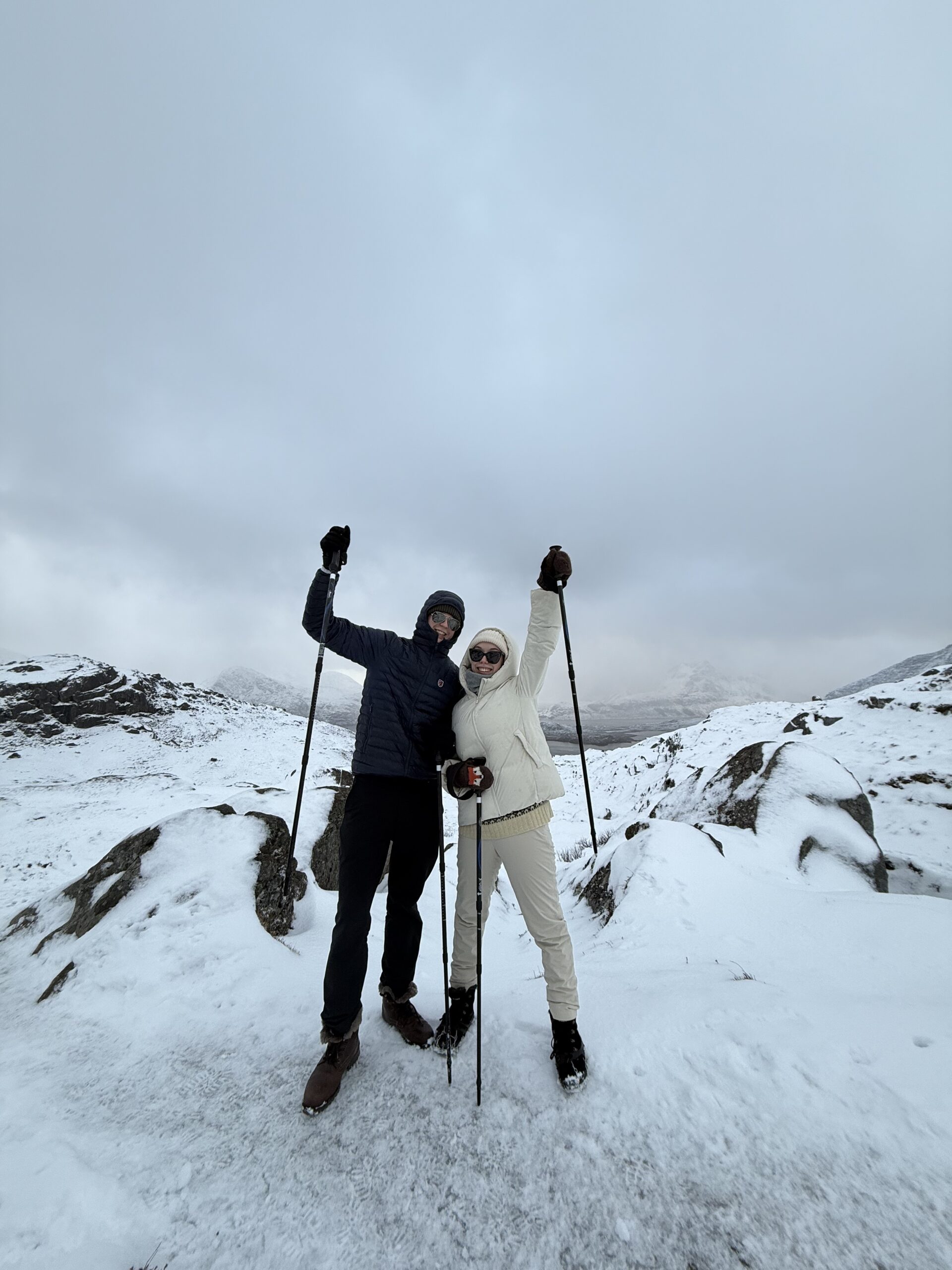
We drive the E10 through Lofoten more than most people realise. Living in Rovaniemi puts us roughly eight hours from the Lofoten bridge, close enough for a long weekend if you push it — and we have, in February blizzards, in June’s electric-white nights, and in October when the colours sit halfway between both worlds. Lofoten in winter vs summer is one of the most-asked questions in our inbox, and the honest answer is: they are almost completely different destinations that happen to share the same road.
This is not a travel brochure comparison. We’ll tell you the real trade-offs — what each season costs you, where it surprises you, and what kind of traveller tends to go home happy from each one.
Winter (November–March) gives you the northern lights, frozen drama, and deep quiet — but short days, expensive flights, and cold that demands preparation. Summer (June–August) gives you the midnight sun, hiking, sea kayaking, and lush green mountains — but higher prices, more crowds, and no aurora. Both seasons are worth it. Which is right depends on whether you want drama or freedom.
- What Lofoten actually looks like in each season
- Weather, light, and what to expect on arrival
- The side-by-side comparison: 8 key factors
- Best things to do in Lofoten in winter
- Best things to do in Lofoten in summer
- Costs, crowds, and booking timing
- Which season should you choose?
- Frequently asked questions
What Lofoten actually looks like in each season
The Lofoten Islands sit above the Arctic Circle off the northwest coast of Norway, roughly 68°N. That latitude makes the seasonal difference extreme in a way that very few places outside Lapland can match. The same mountain ridge that turns white and ghostly in January turns a shocking bright green by late June.
The winter picture
- Snow on the peaks from October: the high ridges go white early. By December the iconic red and yellow rorbuer (fishermen’s cabins) sit under snow-capped mountains and beside dark, still fjords — it’s the postcard most people imagine.
- Darkness: in the depths of winter (mid-November to late January) Lofoten experiences polar night. The sun does not rise above the horizon. You get a few hours of blue-grey twilight around midday, and that’s it. For many visitors this is intensely beautiful. For others it’s disorienting.
- Northern lights territory: Lofoten sits right inside the auroral oval. On a clear winter night, even a KP 1 storm can produce stunning aurora over the fjords — and the dark water makes for extraordinary reflections.
- The fishing season: January to April is the peak of the skrei (migratory Arctic cod) season. The drying racks — hjell — come alive with hundreds of thousands of fish. The smell is unforgettable. The visual is unlike anything else in the Nordic world.
The summer picture
- Midnight sun from late May to mid-July: the sun does not set. At 2 am the fjords glow gold. Hiking ridges at midnight is a completely real and completely surreal experience.
- Green mountains: the same peaks that are white in winter become intensely green — almost tropical-looking when the light hits them at the right angle. First-time visitors in June often say it doesn’t look like Norway at all.
- Accessible roads: mountain passes that close in winter open up. The full E10 from Fiskebøl to å is driveable without winter tyres, chains, or anxiety about road conditions.
Weather, light, and what to expect on arrival
Lofoten’s weather is famously unpredictable in both seasons. The North Atlantic keeps winters milder than the latitude suggests — it rarely gets below −10°C at sea level — but the wind is the thing that will catch you off guard. A sunny morning can turn into a horizontal-sleet afternoon with almost no warning.
Winter weather reality
- Temperatures: typically −5°C to +3°C at sea level. Occasionally colder during clear, calm spells — which are also the nights you’ll see the lights.
- Wind: strong and frequent. “Feels like −15°C” is a realistic wind chill on exposed headlands in February.
- Snow: at sea level, snowfall is inconsistent — the ocean keeps temperatures just above zero much of the time. Reliable snow is on the peaks and inland. Don’t assume a white landscape every day.
- Road conditions: require winter tyres (mandatory in Norway November–April north of Dovre). Mountain roads can close temporarily. Budget extra driving time.
Summer weather reality
- Temperatures: typically 10°C to 18°C. A warm July day can reach 22°C, but the average is cooler than most of mainland Europe — hence the “coolcation” appeal.
- Rain: Lofoten gets a lot of it, summer included. Pack a proper waterproof, not a fashion raincoat. The light between rain showers can be extraordinary.
- Wind: calmer than winter on average, but sea kayaking days can still get cancelled by unexpected gusts.
The side-by-side comparison: 8 key factors
We’ve made this trip enough times to have strong opinions. Here is how the two seasons compare across the things that actually affect your trip.
At a glance
- Northern lights: Winter ✓ (excellent) — Summer ✗ (not possible — sky never darkens)
- Midnight sun: Summer ✓ (late May–mid-July) — Winter ✗ (polar night)
- Hiking: Summer ✓✓ (all trails open) — Winter ✓ (limited, some require crampons)
- Sea kayaking: Summer ✓✓ — Winter ✗ (sea state and cold make it specialist-only)
- Photography drama: Both seasons excellent — different palette entirely
- Crowds: Summer higher — Winter lower (but growing fast)
- Accommodation prices: Summer is peak — Winter is shoulder (except Christmas/New Year)
- Road accessibility: Summer better — Winter requires winter tyres and patience
Best things to do in Lofoten in winter
Winter in Lofoten rewards people who slow down. It’s not a season for ticking off a checklist at pace — it’s a season for staying somewhere long enough to get a clear night, to sit with a coffee and watch the drying racks, to drive slowly and stop whenever the light changes. And it changes constantly.
Winter highlights worth planning around
- Aurora hunting over the fjords: the combination of dark water, jagged peaks, and minimal light pollution makes Lofoten one of the best aurora destinations in the world. Head to Flakstadpollen or drive the quiet roads south of Flakstad church after 9 pm on a clear night.
- Skrei cod season (January–April): the migratory Arctic cod arrives every winter. You can book guided fishing trips out of Svolvær, Henningsvær, or Reine. Catching a 10–20 kg cod in a small boat on a calm fjord is one of the most quietly satisfying experiences we’ve had.
- Snowshoeing and winter hiking: trails like Reinebringen are actually less crowded in winter, and the snow-covered summit view is stunning. You’ll need micro-spikes or crampons for icy sections — ask at the trailhead.
- The rorbu experience: staying in a traditional red fishermen’s cabin perched over the water is best appreciated when the water is dark and still and you can hear almost nothing. In summer, the same cabin has neighbours either side and boats passing constantly.
- Blue hour photography: with only a few hours of twilight each day in deep winter, every moment of usable light becomes precious. The blue hour in Lofoten in January lasts two to three hours, and it is extraordinary.
Best things to do in Lofoten in summer
Summer Lofoten is about freedom and light. The midnight sun removes the clock from your trip in the best possible way. We’ve hiked at 11 pm, eaten dinner at midnight, and still had light to read by at 2 am. It feels like cheating.
Summer highlights worth planning around
- Reinebringen at midnight: the most-photographed hike in Lofoten looks entirely different — and far less crowded — at 11 pm when the midnight sun turns Reine and the surrounding fjords gold. The 448-metre climb takes about 45 minutes. Bring a layer.
- Sea kayaking: the fjords are calm enough in summer for paddlers of all levels. Guided day trips from Svolvær or Henningsvær are an excellent way to see the coast from water level. Look for operators that run sunset paddles — which in June means 11 pm.
- Cycling the E10: the full length of the archipelago is just over 160 km by road. The route is hilly and the tunnels can be daunting (especially the underwater Lofast tunnel), but on a clear summer day, it’s one of the most scenic bike rides in Europe.
- Beach swimming: yes, really. Haukland Beach and Utakleiv Beach are genuine white-sand Arctic beaches with astonishingly clear water. In late July the water temperature edges above 14°C — cold by any southern European standard, but plenty warm enough if you’re Nordic about it.
- Svolvær Goat (Svolværgeita) via ferrata: the two rocky spires above Svolvær are accessible via a guided via ferrata route in summer. The view from the top — fjords on three sides, mountains in every direction — is one we’d happily repeat.
- Midnight sun at Henningsvær: the little fishing village on its own island is the most photogenic village in Lofoten. At 1 am in June, with the sun sitting just above the horizon and the coloured houses reflected in still water, it’s almost too beautiful to process.
We write about the Nordic places we actually go
No algorithm-chasing. Just honest travel writing from Finnish Lapland, sent a few times a month.
Costs, crowds, and booking timing
This is where the decision often gets made, so let’s be direct about money and logistics.
The honest cost picture
- Accommodation in summer: Lofoten rorbu prices peak June–August. Expect €150–€300 per night for a traditional cabin with a fjord view. Budget options (camping, hostels) go quickly — book 3–4 months ahead for July.
- Accommodation in winter: prices drop noticeably outside Christmas (December 23–January 2, which is expensive) and the Skrei Festival in March. February in particular offers solid value — often 30–40% cheaper than August for the same cabin.
- Flights: Bodø and Harstad/Narvik are the main gateways. Summer flights from Oslo and beyond are pricier. Winter can be cheaper on the flight but more expensive if you need a rental car with winter tyres.
- Activities: guided fishing in winter, guided kayaking in summer — both run €80–€150 per person for a half day. Winter aurora tours add another layer of cost if you book a guide. Self-hiking is free in both seasons.
Crowd levels and booking timing
- July is peak season: the E10 can feel genuinely congested around Reine and Henningsvær on sunny weekends. Parking spots fill by 8 am. Go early or go late (which in summer means very late — midnight hikes have shorter queues).
- February is the sweet spot for winter: fewer visitors than December or March, better aurora odds than November, and the drying racks are up. It’s the month we’d recommend to almost anyone asking about winter Lofoten.
- Book the rorbu cabins first, everything else second: the best-located cabins — especially Sakrisøy, Reine, and Nusfjord — sell out months ahead in both seasons. Sort accommodation before you sort flights.
Which season should you choose?
After enough trips to have opinions on this, here is how we’d summarise it: winter is the more intense, more demanding, more cinematic experience — and summer is the more accessible, more freeing, more joyful one. Neither is objectively better. They’re different enough that your answer depends on what you’re actually looking for.
Choose winter if you
- Want the northern lights over the fjords — this is one of the very best aurora destinations on the planet
- Love dramatic, brooding landscape photography and have the patience to wait for the light
- Want to experience the quiet, lived-in side of Lofoten — the drying racks, the fishing boats, the off-season calm
- Are coming from a Nordic country and aren’t intimidated by cold, dark, and icy roads
- Are visiting in February specifically — it is genuinely the best single month for this destination
Choose summer if you
- Want to hike freely without worrying about trail conditions or winter kit
- Are bringing children or less-experienced travellers who need reliable daylight
- Want the midnight sun experience — it is one of the most disorienting and magical things we’ve encountered in all our travels
- Plan to kayak, swim, cycle, or do any activity that requires calm seas and long daylight
- Are visiting Lofoten for the first time and want to see the full palette of the archipelago
If you have the luxury of going twice — go in February for the northern lights and the quiet, and in late June for the midnight sun hike from Reinebringen. We have never heard anyone regret either trip.
Frequently asked questions
Is Lofoten better in winter or summer?
Neither is objectively better — they offer entirely different experiences. Winter gives you northern lights, polar night drama, and the fishing season. Summer gives you midnight sun, open hiking trails, and sea kayaking. Most people who’ve visited in both seasons find it almost impossible to choose. If forced: February for aurora, late June for the midnight sun hike at Reinebringen.
Can you see the northern lights in Lofoten in summer?
No. From roughly late May to mid-July the sky never gets dark enough for aurora to be visible, because of the midnight sun. The lights are still physically occurring — the sun’s activity doesn’t stop — but you cannot see them when the sky stays bright. For aurora you need to visit between September and March.
How cold is Lofoten in winter?
Milder than you might expect for the latitude. At sea level, temperatures typically range from −5°C to +3°C. The North Atlantic keeps winters surprisingly mild. Wind is the bigger issue — exposed headlands can feel much colder due to wind chill. Pack windproof layers and good boots rather than extreme cold-weather gear.
What is the best month to visit Lofoten?
February for winter: excellent aurora odds, the skrei cod season is starting, fewer crowds than December, and prices are lower than peak months. Late June for summer: midnight sun at its peak, all trails open, the islands are lush green, and you can hike Reinebringen at midnight with golden light. Both are exceptional months for photography.
Do you need a car to visit Lofoten?
Yes, for the most flexibility. The E10 connects the main islands and a rental car lets you stop whenever the light changes, drive the quiet back roads, and reach the less-visited fishing villages. In summer you can cycle sections of the route. In winter you absolutely need a car with winter tyres — both by law and for safety on mountain roads.
How many days do you need in Lofoten?
Five to seven days gives you the best experience in either season. With fewer than four nights you’re at the mercy of one bad-weather day wiping out your plans. In winter you especially want at least four to five nights to get a clear evening for the northern lights. Three days can work, but you’ll feel rushed and weather-anxious throughout.
Joona & Alla
A Finnish-Ukrainian couple living in Rovaniemi, Finland. Joona is a marketing professional in Lapland tourism; Alla is an AI Engineer. Together we’ve visited 21 countries and share honest, locally-grounded travel writing from our home in the Arctic. Lofoten is a recurring destination — we keep going back.
Read our full story →