Is Iceland Worth Visiting in Summer? Everything We Wish We’d Known
We’ve now done Iceland in summer twice — once completely winging it and once with a proper plan. Here’s the honest picture: the midnight sun, the crowds, the costs, and whether Iceland is worth it when the whole world shows up at once.
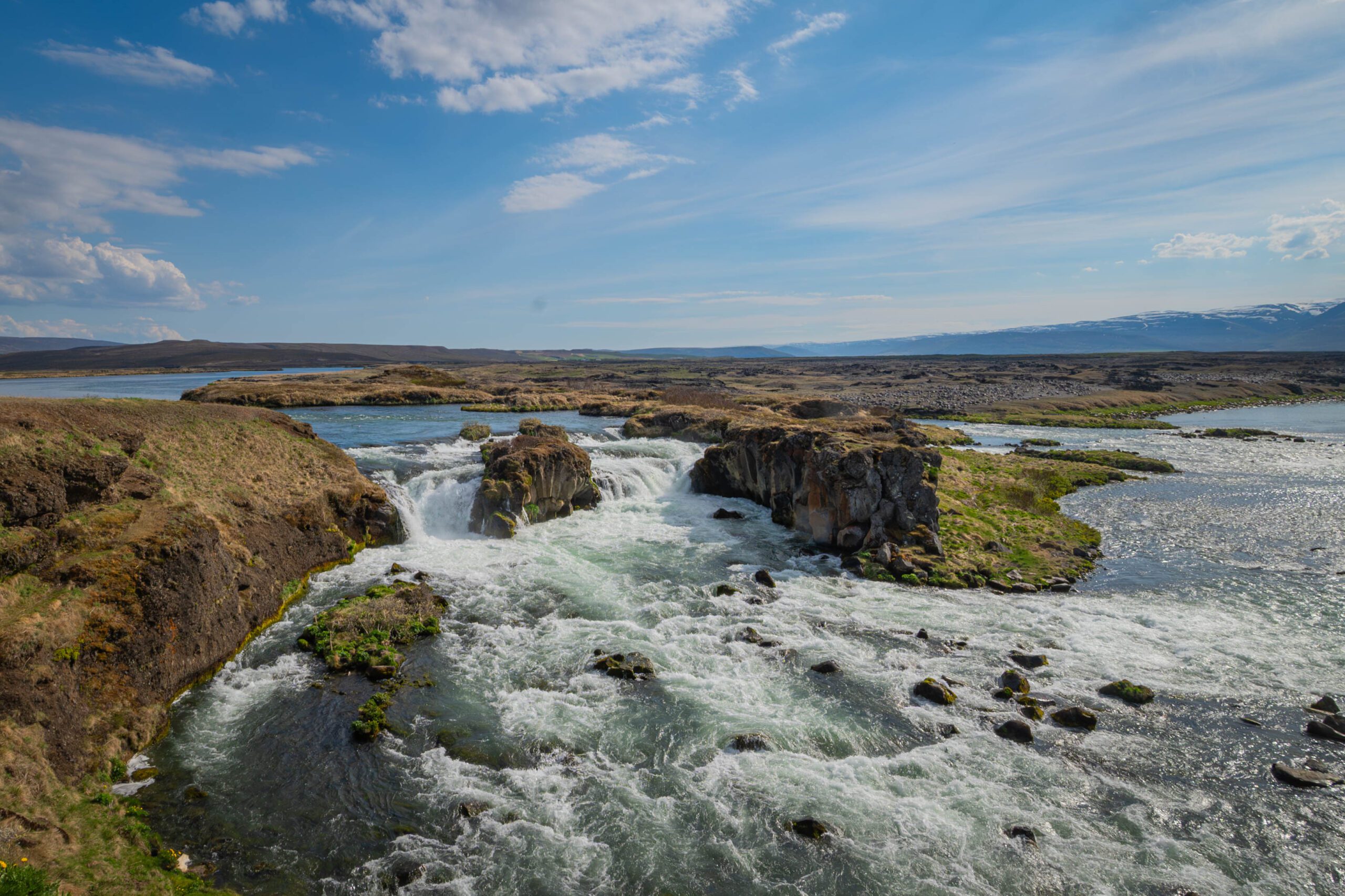
We live in Finnish Lapland. We know the midnight sun better than most — it’s part of our daily life from May through July. So when people ask us whether Iceland is worth visiting in summer, we have some genuine context to add beyond the usual “it’s magical” blog post.
The short version: yes, Iceland is worth visiting in summer — but it rewards preparation and punishes assumptions. Summer 2026 is particularly interesting because the so-called coolcation trend is pushing record numbers of travelers north, and Iceland is the name on more lips than ever. That changes things you need to know about before you book.
Iceland is absolutely worth visiting in summer for the midnight sun, puffins, green landscapes, and driveable Ring Road — but summer is also the peak season with the highest prices and biggest crowds. Go in late May or early September if you want the light without the peak congestion. Book accommodation months ahead and budget at least €150–200 per person per day to enjoy it properly.
- Why summer in Iceland is genuinely special
- What Iceland looks like in each summer month
- The honest summer checklist: 8 things to plan
- Tips and warnings we wish someone had told us
- Iceland in summer vs shoulder season: is peak worth it?
- The mistakes we made (so you don’t have to)
- FAQ
- A final word from Rovaniemi
Why summer in Iceland is genuinely special
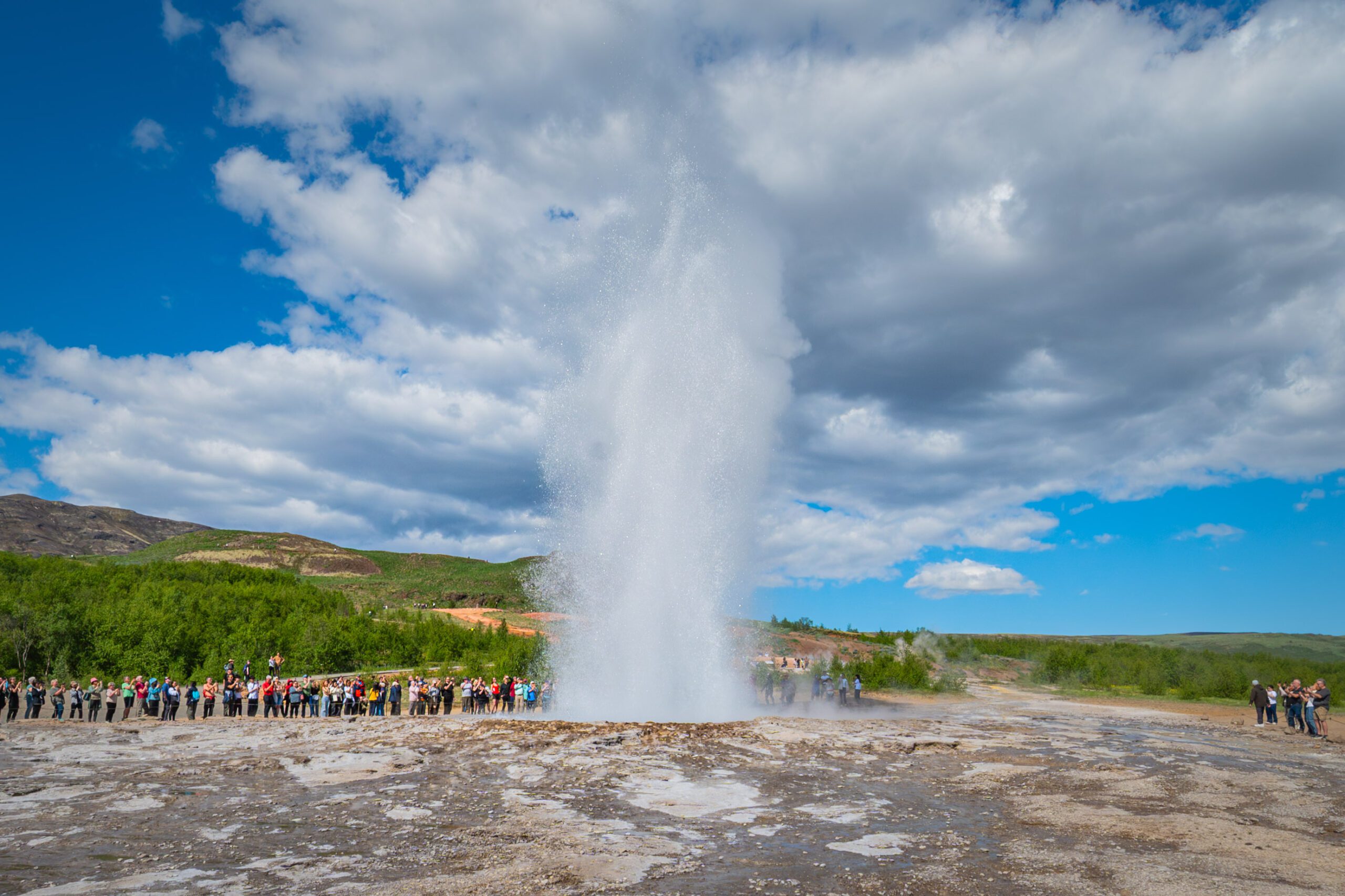
We’ve been to Iceland in both June and in late August, and the experience is genuinely unlike anywhere else we’ve traveled across our 25 countries. Here’s what makes summer specifically different.
The midnight sun changes everything
From late May through late July, Iceland has almost no true darkness at all. The sun dips briefly toward the horizon after midnight but never fully sets — you can read a book outdoors at 2 am. As Lapland locals, we’re used to this, but the effect on travel is real: you never feel pressed for time, you can hike after dinner, and the golden light that lasts for hours is extraordinary for photography.
The flip side is that it completely disrupts sleep if you’re not prepared. Heavy curtains, a sleep mask, and perhaps a gentle melatonin supplement are not optional — they’re essential.
Wildlife: puffins, Arctic terns, and seals
The puffins alone justify a summer trip for a lot of people. They arrive in Iceland from around May and depart in late August. The largest colonies — Látrabjarg in the Westfjords and the Vestmannaeyjar (Westman Islands) — are genuinely staggering. You can get within a metre of puffins at Látrabjarg because the birds have essentially no fear of humans. Arctic terns are everywhere from June, and be warned: they will divebomb your head if you walk near their nests. A stick raised above your head is the standard defence.
💡 Our campervan tip: prices for the same van vary a lot between rental brands. We compare Iceland campervans across 160+ rental companies on CampervanPlanet — and code HUNGRYTRAVELFAMILY5 takes 5% off.
What Iceland looks like in each summer month
May: the quiet opener
Late May is one of the least appreciated months in Iceland. The midnight sun is nearly there, the puffins have just arrived, the famous lupine fields (a carpeting of purple flowers across the south) start blooming in late May, and the tourist numbers haven’t yet peaked. Waterfalls are running hard from snowmelt. Temperatures are cool — 8–12°C — but very manageable with layers. This is our personal pick for a first trip.
June: peak light, rising crowds
June is when the midnight sun is at its most extreme and the puffins are fully established. It’s also when Icelandic school holidays begin and international tourist numbers hit their first surge. The Ring Road is accessible, campgrounds fill fast, and the waterfalls (Skogafoss, Seljalandsfoss, Godafoss) are spectacular. Book accommodation at least three months ahead.
July: peak of everything
Peak season, peak prices, peak people. July sees the most visitors, the warmest temperatures (10–15°C), and the most congestion at famous spots like the Blue Lagoon and Jokulsarlon Glacier Lagoon. It’s not unpleasant — Iceland absorbs crowds better than, say, Barcelona — but you will queue. Book everything before you arrive.
August: the golden sweet spot
Late August is arguably the best month of the whole summer. The midnight sun is fading to genuine twilight, which means you might even catch the first northern lights of the season. Puffins are still around until late August. Tourist numbers drop noticeably after the first week of August. And the heather on the lava fields is turning to russet gold. We’d pick August over July every time.
The honest summer checklist: 8 things to plan before you go

- Book accommodation early — seriously. By February, most popular guesthouses and campervan rental companies for July are fully booked. For late May and August, you have more flexibility, but six to eight weeks lead time is still minimum safe.
- Decide: Ring Road or deep-dive regions? You can’t do both well in under 14 days. The Ring Road (1,332 km full circuit) needs 7–10 days minimum if you actually stop at things. Alternatively, base yourself in the south and the Snæfellsnes Peninsula for a more relaxed 5–7-day trip.
- Rent a 4WD if you want the Highlands. The F-roads (Highland routes including the famous Landmannalaugar) are only open in summer and legally require a 4WD. They open roughly late June and close again in September. A standard 2WD rental won’t cover them.
- Budget properly. Iceland is genuinely expensive. A realistic daily budget for two people (accommodation, food, fuel, one paid activity) is €200–280. Eating out is particularly pricey — self-catering from supermarkets like Bonus or Krónan cuts costs significantly.
- Get a Vodafone or Siminn SIM on arrival. Mobile data is your navigation, weather app, and safety tool in remote areas. International roaming rates are punishing. Pick up a local SIM at the airport.
- Download the 112 Iceland app. This is not optional when driving remote areas. It lets you share your GPS location with emergency services with a single tap. It’s free.
- Check road conditions daily. Road.is is the Icelandic Road Administration website — it shows live road conditions, closures, and F-road status. Summer weather is still highly variable; roads close and reopen within hours.
- Respect the “no off-road” rules. Driving off marked roads — even briefly to park or photograph — is illegal and causes lasting damage to the fragile moss and lava landscape. Fines are substantial and cameras are increasingly common.
Related Planning a Nordic summer? Read our full guide: Best Coolcation Destinations in Europe for Summer 2026 — we rank Iceland alongside Norway, Finland, Faroe Islands, and Sweden.
Get our best travel tips in your inbox
Monthly stories from Rovaniemi — Arctic tips, packing lists, and the places we keep coming back to.