Iceland in June: Midnight Sun, Puffins, and the Ring Road
June is Iceland’s most dramatic month — the sun refuses to set, puffins line every cliff, and the Ring Road is wide open. We’ve driven it in June twice. Here’s exactly what to expect, what to book early, and what nobody tells you before you go.
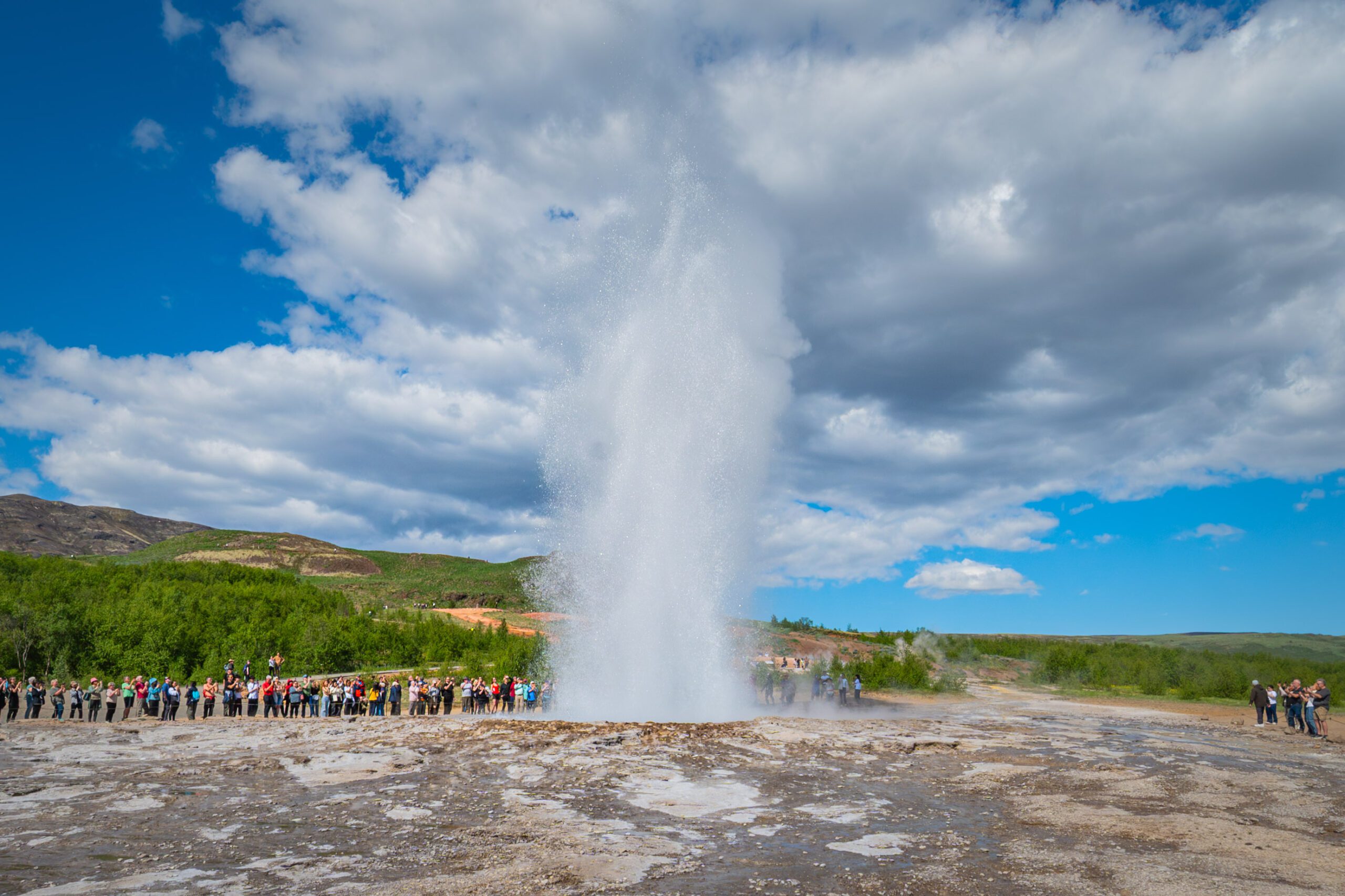
We live in Rovaniemi, inside the Arctic Circle. The midnight sun is part of our ordinary life from May through July — we go to bed with light streaming through the curtains, wake up to the same brightness, and somehow still find it magical every single year. So when we say that Iceland in June felt different even to us, that means something.
Iceland in June is peak midnight-sun season, the month when puffins are fully established on every sea cliff, and the month the Ring Road becomes a complete circuit for the first time after winter. It is also when tourist numbers begin their sharpest climb. This guide is built on two June trips to Iceland and covers everything from the midnight sun logistics to where to see puffins, how to plan the Ring Road in June, and the honest things we wish we’d known before we went.
Iceland in June offers the best conditions of the entire year — full midnight sun, puffins in residence, all Ring Road sections open, and wildflowers blooming. The trade-off is that June is also when tourist numbers surge and prices peak. Book accommodation and car rental at least three months ahead, budget €180–260 per day for two, and go in the first two weeks of June if you want the light with slightly fewer crowds than July.
- What Iceland in June actually looks and feels like
- Puffins in June: where to go and what to expect
- The June Iceland planning checklist: 8 things to sort before you fly
- Tips and warnings from our June trips
- June vs other summer months: is June the best time to go?
- Mistakes we made in Iceland in June
- FAQ
- A final word from Rovaniemi
What Iceland in June actually looks and feels like

From a purely sensory standpoint, Iceland in June is unlike anywhere else we have visited across our 25 countries. The light never fully disappears. Around midnight, the sun dips toward the horizon, turns a deep amber gold, and then simply refuses to go further. If you stand on a ridge above Reykjavik at 1 am in June, the sky looks like a perpetual sunset — and it will look exactly the same at 3 am when you check again.
The midnight sun in practical terms
As Lapland locals, we are well-acquainted with sleeping through light. We still struggled on our first Iceland June trip. The difference between Rovaniemi’s midnight sun and Iceland’s is one of latitude: Rovaniemi sits just inside the Arctic Circle; Reykjavik is 64 degrees north and the whole country sits in that band where June brings near-total brightness. Pack a quality sleep mask and blackout liner. Most Airbnbs and guesthouses have curtains that are decorative at best. This is not a small thing — poor sleep will derail your trip far more than any weather.
The flip side is extraordinary: you can photograph waterfalls at 11 pm in golden light, hike until 10 pm without a headtorch, and never feel the evening-anxiety of “we need to be back before dark.” For photographers, June is the holy grail.
Wildflowers and the landscape in June
June is when Iceland’s famous lupine fields bloom. These tall purple flowers — technically an introduced species, but now deeply part of the Icelandic summer visual identity — carpet the roadsides and hillsides of the south coast in late May and June. The Skogafoss and Seljalandsfoss waterfalls are running at full height from winter snowmelt. The lava fields are vivid green with summer moss. Iceland looks, in June, like a country that has come alive after a long sleep — which is exactly what it has done.
💡 Our campervan tip: prices for the same van vary a lot between rental brands. We compare Iceland campervans across 160+ rental companies on CampervanPlanet — and code HUNGRYTRAVELFAMILY5 takes 5% off.
Puffins in June: where to go and what to expect
Puffins are one of the main reasons people specifically target June for Iceland. They arrive in Iceland from around late April and reach peak numbers in June and July before departing again in August. Here is what we have learned from photographing them across multiple trips.
The best puffin locations in June
- Látrabjarg (Westfjords): The largest puffin colony in Iceland, possibly in the world. The cliffs stretch for 14 km and the birds are genuinely unafraid of humans — you can photograph them at eye level from a metre away. The catch: the Westfjords add two to three days to your itinerary and require either a specific road trip or a flight to Ísafjörður. Absolutely worth it if you have time.
- Vestmannaeyjar (Westman Islands): A 30-minute ferry from the south coast gets you to the archipelago where an enormous puffin colony nests every summer. Heimaey island is the main destination, and puffin-watching boat tours operate all June.
- Borgarfjörður Eystri (East Iceland): Far fewer tourists reach this east coast village, yet it has an accessible wooden viewing platform built directly into the puffin nesting area. We’ve sat there for two hours without another person in sight.
- Akureyri area (north Iceland): The coastal town of Husavik — also Iceland’s whale watching capital — has puffin colonies on nearby sea stacks visible from whale watching boats. You can tick off puffins and humpbacks in a single morning.
The June Iceland planning checklist: 8 things to sort before you fly
- Book your rental car the moment you have flights. June 4WDs and campervans are among the first things to sell out in Iceland, often months ahead. Standard cars are easier to find but a 4WD opens the F-roads (Highland routes), which typically open in late June. If a Highland drive is on your list, book a 4WD in January for a June trip — seriously.
- Book accommodation before you buy flights. The most desirable guesthouses along the Ring Road — particularly the south coast hotspots like Vík and Jökulsárlón — fill up for June by February. If you are flexible on timing, search accommodation first, then lock flights to match what’s available.
- Check which F-roads are open for your travel dates. F-roads — the gravel Highland tracks including Landmannalaugar — typically open in late June, sometimes early July. The opening date changes every year based on snowmelt. Check road.is as your departure approaches and do not assume they will be open just because it is June.
- Pack a serious sleep kit. Sleep mask, earplugs if you need them, and a melatonin tablet or two. This is the single most practical bit of advice we can give for any June trip above 60 degrees north. Your body will thank you.
- Buy a local SIM at Keflavik airport. Siminn and Vodafone Iceland have desks in arrivals. For the price of a coffee, you get unlimited data that will power your maps, weather apps, and emergency services on every remote road in Iceland. Do not rely on international roaming.
- Download road.is and 112 Iceland before you land. Road.is shows live road conditions and closures — conditions can change within hours in June. 112 Iceland lets you share your GPS location with search and rescue with a single tap and is free. Non-negotiable for anyone driving outside Reykjavik.
- Budget accurately for June. June prices are peak-season prices. Accommodation along the Ring Road runs €80–160 per night for a basic guesthouse twin room. Petrol is roughly €1.80–2.00 per litre. A sit-down meal for two in a restaurant is €50–80. For a 7-day trip, budget a minimum of €1,200–1,800 per person above your flights and car rental.
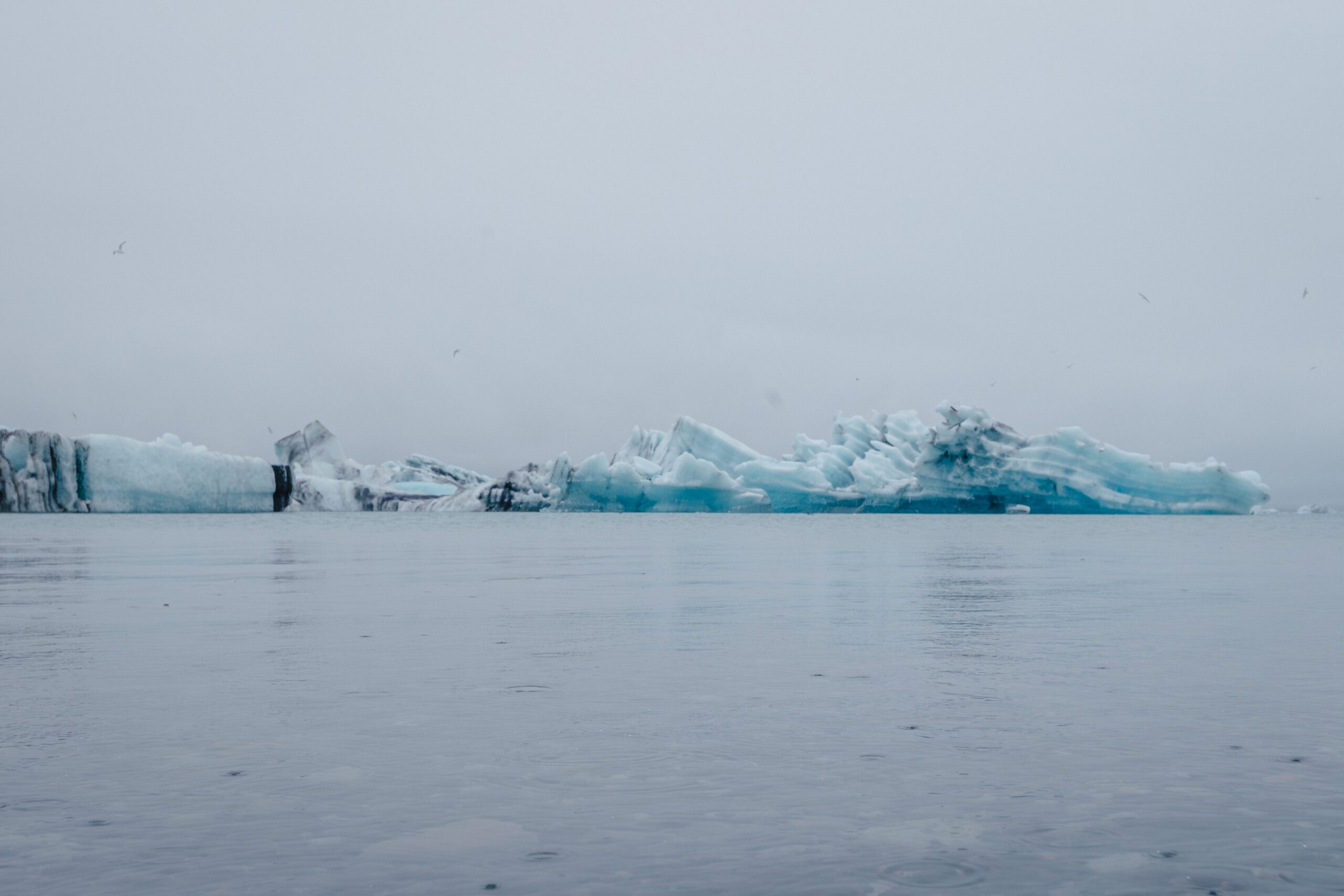
- Plan your Ring Road direction. Clockwise (south coast first) is the most popular direction and means you hit the headline attractions — Seljalandsfoss, Skógafoss, Vik black beach, Jökulsárlón — early in your trip while energy is highest. Anticlockwise (north first) tends to be quieter and can yield better photography light if you are chasing the midnight sun from the east.
Related Wondering whether Iceland is the right summer destination for you? Read our full verdict: Is Iceland Worth Visiting in Summer? Everything We Wish We’d Known — we cover costs, crowds, and whether to go in June vs August.
Get our best travel tips in your inbox
Monthly stories from Rovaniemi — Arctic tips, packing lists, and the places we keep coming back to.