Hungary in Summer: Budapest’s Thermal Baths and the Balaton
We spent a week exploring Hungary in high summer — sweating through thermal baths, swimming in the Balaton, and hunting ruin bars until midnight. Here’s what actually worked.
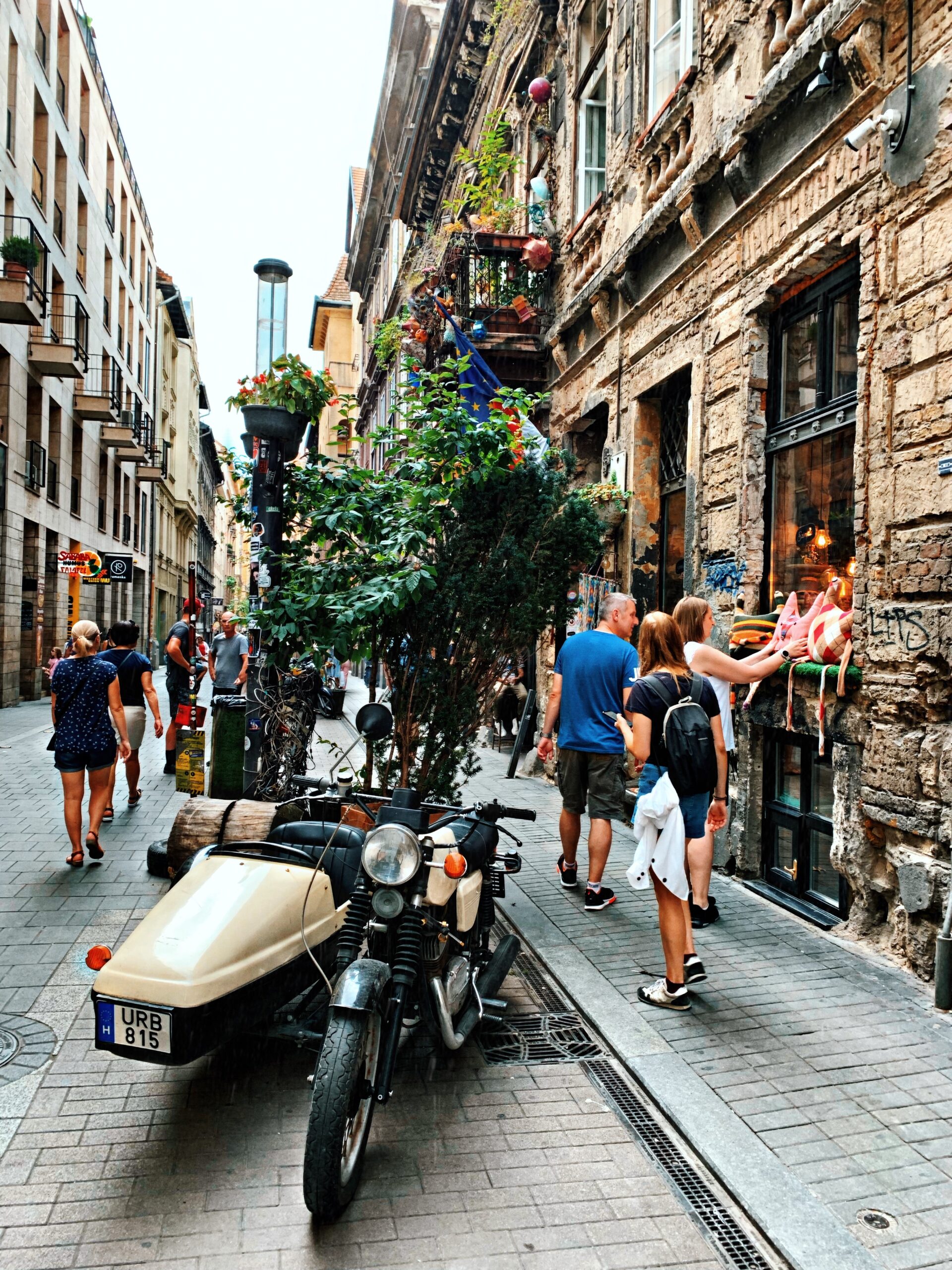
Hungary in summer surprised us. We arrived expecting the Budapest of postcards — the Parliament reflected in the Danube, ruin bars packed shoulder-to-shoulder, Széchenyi thermal bath steaming in the morning light. What we got was all of that, plus a side trip to Lake Balaton that felt more like the Mediterranean than Central Europe, and a pace of life that made us slow down in the best possible way.
This guide is based on a week we spent in Hungary: four days in Budapest, then a long weekend on the Balaton’s southern shore. It’s honest, which means we’ll also tell you what we’d skip.
Hungary in summer is best experienced as two trips in one: thermal baths, ruin bars, and architecture in Budapest, then a few days unwinding on Lake Balaton. Plan for heat (30–36°C in July), book your baths in advance, and consider the southern Balaton shore over the more crowded northern side. The country is excellent value for money by Western European standards.
Why Hungary in summer is worth it
We’ve been to 25 countries, and Hungary has one of the best value propositions in Europe — especially in summer. The forint keeps prices well below Western European norms, Budapest’s architecture is world-class, and the thermal bath culture is unlike anything else on the continent.
But summer in Hungary is genuinely hot. July averages 32–36°C in Budapest, and heat waves pushing 38°C are not uncommon. That temperature would put us Finns flat on the ground in about twenty minutes. The key is planning around the heat: mornings for sightseeing, afternoons for baths or a Balaton swim, evenings for ruin bars and dinner outdoors.
The two modes of a Hungary summer trip
- City mode (Budapest): architecture, thermal baths, ruin bars, Hungarian food, Danube riverfront. Best for culture lovers, couples, foodies, and anyone chasing Instagram-worthy grandeur.
- Lake mode (Balaton): swimming, sailing, wine, cycling the 200-km shoreline path, and surprisingly good food. Best for families, cyclists, and anyone who wants to decompress after a city sprint.
Most visitors spend 3–4 days in Budapest and never make it to the Balaton. We think that’s a mistake — the lake is only 1.5 hours from Budapest by train and it’s one of the most relaxing places we found anywhere in Central Europe.
Budapest thermal baths: which one to pick
There are roughly 20 public thermal baths in Budapest. That’s overwhelming. Here’s how we chose, and what we actually thought of the two we visited.
The main contenders
- Széchenyi (City Park, Pest): the famous outdoor pools surrounded by yellow baroque architecture. The most photographed bath in the city. Very crowded in summer — book online, arrive before 10 am. We loved it but the tourist-to-local ratio tips toward the former in July.
- Gellért (Buda side): stunning Art Nouveau interior, slightly less crowded, slightly more expensive. The covered central pool is architecturally magnificent. Better for a quieter, more atmospheric soak.
- Rudas (Buda, near the bridges): older, more local feel, rooftop pool with a Danube view. Not as grand but much less touristy. The Friday–Saturday night sessions are adults-only and have a party atmosphere — not our style, but worth knowing.
- Lukács (Buda): less famous, very local. Cheaper, less Instagram, more actual Budapestians soaking after work. We’d go back here just for that atmosphere.
Our honest verdict: go to Széchenyi once for the architecture and the experience, then try Rudas or Lukács for a quieter soak. Two baths in four days felt right. Three felt like too much of a good thing.
Quick-reference: Budapest summer planner
Start at the Grand Market Hall for breakfast, walk up Andrássy Avenue (Hungary’s Champs-Élysées), visit Heroes’ Square, then spend the afternoon at Széchenyi. Evening: ruin bar crawl in the Jewish Quarter (Szimpla Kert is the benchmark).
Cross the Chain Bridge, take the funicular up to Buda Castle. Matthias Church and Fisherman’s Bastion are right next door — go early to beat the crowds. Lunch in the castle district, afternoon at Gellért Hill for the panorama. Evening at a terrace restaurant on the Pest riverside.
Morning: Great Synagogue (book ahead), the Jewish Quarter neighbourhood. Afternoon: book a Parliament tour (mandatory, capacity is limited). The interior is extraordinary — don’t skip it. Evening: wine bar in Gozsdu Courtyard.
Gellért bath in the morning, then explore the IX district (Ferencváros) for a more local Budapest — good coffee, street art, fewer tour groups. Evening: rooftop bar for a last Danube view.
Train from Budapest Keleti to Siófok (about 1h30). Southern shore is more beach-resort; northern shore has volcanic hills, Badacsony wine, and a wilder feel. Pick based on what you want: relaxed beach vs active hiking + wine.
1. Accommodation (fills up fast in July); 2. Parliament tour (online only, limited daily numbers); 3. Széchenyi bath (online booking avoids queue); 4. Great Synagogue. Everything else can be walked into.
Get our best travel tips in your inbox
Monthly stories from Rovaniemi — Arctic tips, packing lists, and the places we keep coming back to.