A Rovaniemi-based couple who road-tripped Iceland shares the things guidebooks skip — from costs and driving to weather, crowds, and the stuff we wish someone had told us before we went.What to Know Before Your First Trip to Iceland — Honest Advice
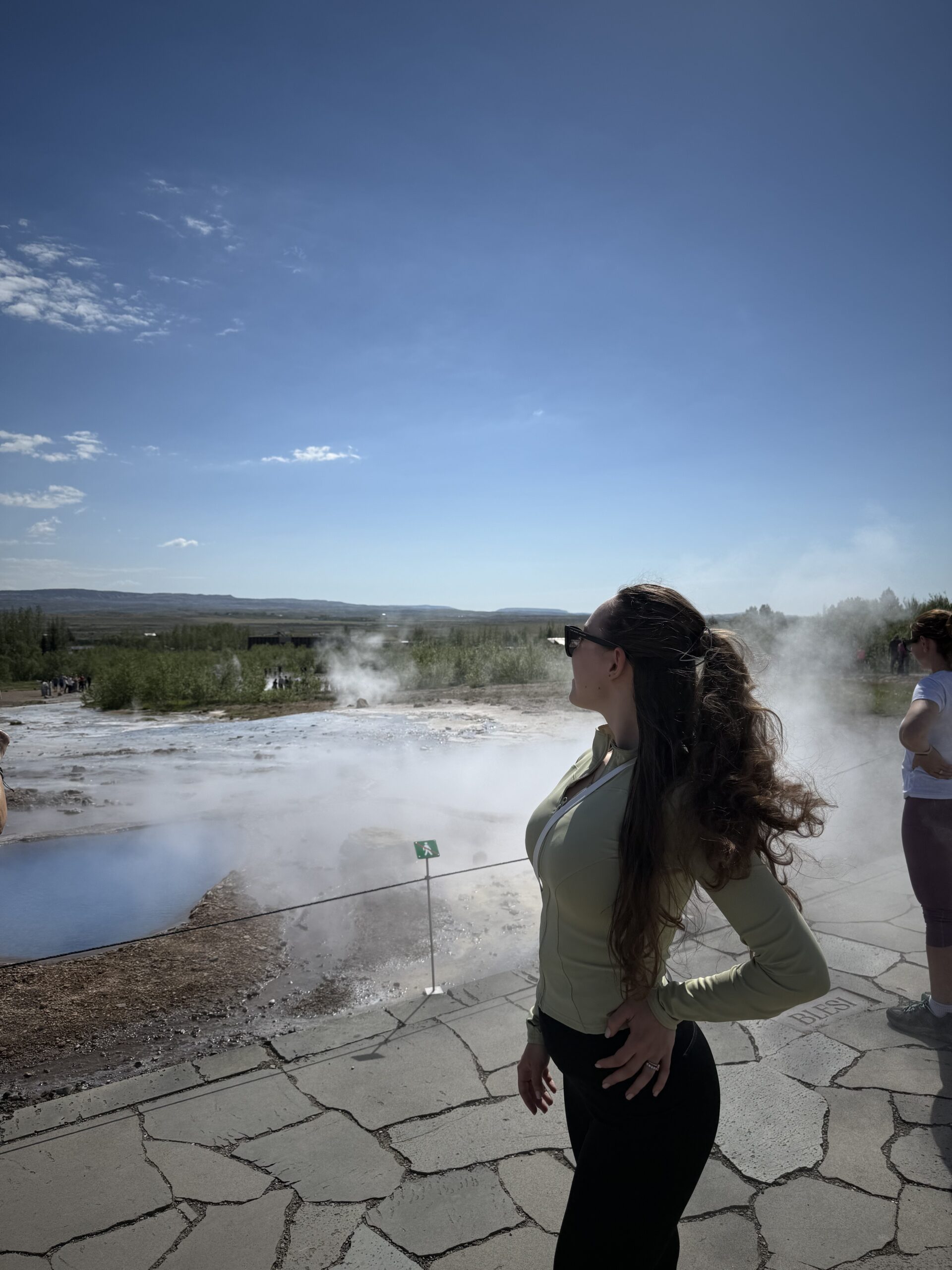
We live in Rovaniemi, Finland — about as far north as you can comfortably live in Europe — and we still weren’t fully prepared for Iceland the first time. The landscapes are otherworldly, the costs are real, and some of the first trip to Iceland tips floating around online are either outdated or just wrong.
We’ve now driven the Ring Road, explored the Westfjords, and spent time in Reykjavik across different seasons. Here’s everything we wish someone had told us before our first trip to Iceland — no sugar-coating.
Iceland is absolutely worth visiting, but go in with realistic expectations about costs (budget €150–250/day per couple minimum), weather (it will change every hour), and driving (gravel roads, single-lane bridges, and wind you’ve never felt before). Rent a car, skip the Golden Circle bus tours, and give yourself at least 7 days.
The real cost of visiting Iceland
Food will surprise you
We thought we were used to Scandinavian prices — we live in Finland, after all. Iceland made Helsinki feel cheap. A basic lamb soup at a casual spot in Reykjavik cost about €18–22. A grocery-store sandwich and a coffee: €12. If you’re planning to eat out for every meal, budget at least €80–100 per person per day on food alone.
Our advice: hit Bónus or Krónan (Iceland’s budget supermarkets) the moment you land. Buy bread, cheese, skyr, fruit, and something for dinner. We cooked most of our meals in guesthouse kitchens and Airbnbs, and it cut our food budget by about 60%.
- Restaurant dinner for two: €60–120 depending on the town and how much fish you eat
- Grocery run for 3 days: €80–110 for a couple
- Hot dog from Bæjarins Beztu: about €5 — one of the cheapest meals in the country
- Beer at a bar: €10–14 for a pint
Accommodation is the biggest line item
In summer, a basic double room outside Reykjavik starts around €120–160/night. In Reykjavik itself, expect €180–250 for anything decent. Campsites are the budget move — about €15–20/person per night — but you need proper gear because Icelandic weather doesn’t care about your plans.
When to go (and when to avoid)
Summer (June–August)
This is when most people visit, and for good reason. You get 20+ hours of daylight, all highland roads are open (most years), and the puffins are nesting. The downside: everything is more expensive, popular spots like Seljalandsfoss and the Blue Lagoon are crowded, and accommodation books out months in advance.
Shoulder season (May and September)
Our favourite window. Prices drop 20–30%, crowds thin out dramatically, and you still get decent weather. September adds the chance of northern lights. May has longer days than you’d expect and most Ring Road sections are clear.
Winter (November–March)
Northern lights, ice caves, and empty landscapes — but also 4–5 hours of daylight, closed roads, and genuine blizzard risk. We’re used to Arctic winters in Rovaniemi, and Icelandic winter driving still kept us alert. Don’t attempt it without a proper 4WD and experience on ice.
When to avoid
Late October and early November are the awkward middle: too late for autumn colours, too early for reliable aurora or ice caves, and the weather is at its most unpredictable. We’d also skip the last two weeks of July if you dislike crowds — that’s peak season at its most intense.
Driving in Iceland: what nobody warns you about
- Single-lane bridges: These are everywhere on Route 1. The car that arrives first has right of way. Flash your headlights if you’re unsure.
- Wind: Not a gentle breeze — we’re talking gusts that physically push your car sideways. Check vedur.is (the Icelandic Met Office) every morning. If it says “strong wind warning,” believe it.
- Gravel roads: Even well-maintained ones kick up rocks that crack windshields. Keep your distance from the car ahead, and make sure your rental insurance covers gravel damage (most basic policies don’t).
- F-roads: Highland roads marked with an “F” require a 4WD. They’re not suggestions — your rental agreement likely voids coverage if you take a 2WD on one. River crossings are real and dangerous.
- Speed cameras: They exist, they’re subtle, and fines start at about €150. The speed limit is 90 km/h on paved roads and 80 on gravel.
- Fuel: Fill up whenever you see a station outside Reykjavik. In the north and east, gaps between stations can be 100+ km.
Honest travel stories from the Arctic
One email a month — our latest posts, trip reports, and the occasional recommendation from a couple who lives above the Arctic Circle.
What to pack (from a Lapland local)
We live in the Arctic, so packing for unpredictable cold weather is second nature. Iceland’s version adds horizontal rain and volcanic dust. Here’s the gear that actually matters:
- Waterproof outer layer: Not water-resistant — waterproof. A hardshell jacket with taped seams and waterproof trousers. You will get rained on sideways.
- Merino base layers: Wool regulates temperature better than synthetics in Iceland’s constant temperature swings (it can go from 14°C to 5°C in an hour in summer).
- Sturdy hiking boots: Waterproof, ankle-supporting, broken in. Icelandic terrain is uneven lava rock, wet moss, and loose scree.
- Swimsuit: Yes, even in winter. Hot springs and geothermal pools are everywhere, and the best ones are the roadside surprises.
- Eye mask: If you’re visiting in June or July, the midnight sun means it never gets dark. You’ll want one for sleeping.
- Power bank and car charger: Cold drains phone batteries fast, and you’ll be using your phone for GPS and weather apps constantly.
- Reusable water bottle: Icelandic tap water is some of the cleanest in the world. Don’t buy bottled — it’s a waste of money and plastic.
- Buff / neck gaiter: More useful than a scarf. Blocks wind, sand, and volcanic ash on windy days.
Tourist traps vs places worth your time
- Skip the Golden Circle bus tour: Rent a car and drive it yourself in half a day. The bus tours are overpriced and rush you through. Gullfoss, Geysir, and Þingvellir deserve your own pace.
- Blue Lagoon is fine, but Sky Lagoon is better: Blue Lagoon is iconic and worth seeing once, but Sky Lagoon in Reykjavik is less crowded, has a better infinity-edge design, and costs less. Book either one in advance — walk-ins are nearly impossible in summer.
- Diamond Beach is worth the drive: Icebergs wash up on black sand near Jökulsárlón glacier lagoon. It’s genuinely surreal and free to visit.
- The Westfjords are the real Iceland: Fewer than 10% of visitors make it here. The roads are challenging but the landscape — Dynjandi waterfall, Rauðasandur beach, Hornstrandir — is Iceland at its most raw.
- Reykjavik deserves 2 days, not 4: It’s charming but small. The harbour, Hallgrímskirkja, the hot dog stand, and a good seafood dinner — then get out and drive.
- Landmannalaugar is worth the effort: Rainbow-coloured rhyolite mountains with natural hot springs. It requires a 4WD and some planning, but it’s one of the most beautiful places we’ve ever been.
The mistakes we made (so you don’t have to)
- We underestimated driving times. Google Maps says 5 hours — that’s without stops, photo breaks, or the 45-minute detour you’ll take because you saw a waterfall from the road. Add 50% to every driving estimate.
- We didn’t book accommodation early enough. By March, summer guesthouses in popular Ring Road stops (Vík, Höfn, Akureyri) were already full. Book 3–4 months ahead for June–August.
- We skipped travel insurance the first time. Don’t. A medical evacuation from rural Iceland can cost €30,000+. Our travel insurance post covers what we recommend.
- We brought the wrong shoes. Trail runners instead of proper hiking boots. Within two days we had wet feet and blisters on the lava fields near Mývatn.
- We tried to see too much in 5 days. The Ring Road is 1,322 km. Trying to rush it turns a stunning trip into a stressful driving marathon. Seven days is the minimum; ten is ideal.
- We didn’t check wind forecasts. We planned a hike on a day when gusts hit 90 km/h. We turned back after 10 minutes. Now we check vedur.is every single morning — it’s the most important website for any Iceland trip.
Frequently asked questions
How many days do you need in Iceland for a first trip?
Seven days minimum if you want to drive the Ring Road at a comfortable pace. Five days works for the south coast and Golden Circle only. Ten days lets you add the Westfjords or Snæfellsnes without rushing.
Is Iceland safe for first-time travelers?
Extremely safe in terms of crime — it consistently ranks as one of the safest countries in the world. The real risks are natural: rogue waves on black sand beaches, sudden weather changes, and river crossings on F-roads. Respect the environment and check conditions daily.
Do I need a 4WD in Iceland?
For the Ring Road and south coast in summer, a 2WD is fine. For the highlands (F-roads), Westfjords, or winter driving, you need a proper 4WD — not a crossover, a real four-wheel-drive vehicle.
Is Iceland too expensive for budget travelers?
It’s expensive, but manageable with planning. Camp instead of staying in hotels, cook from supermarkets, skip the tourist restaurants, and travel in shoulder season. We spent about €130/day as a couple on our most budget-conscious trip.
What’s the best time of year to see puffins in Iceland?
Mid-May to mid-August, with peak numbers in June and July. The Westman Islands (Vestmannaeyjar) have the largest colony, but you can also see them at Látrabjarg in the Westfjords and Borgarfjörður Eystri in the east.
Can you drink the tap water in Iceland?
Yes — it’s glacier-filtered and some of the purest in the world. The only catch: hot water from the tap smells faintly of sulphur (it’s geothermal). It’s safe but takes getting used to. Always drink from the cold tap.
A final word from Rovaniemi
We live in a place that gets compared to Iceland all the time — the Arctic light, the raw nature, the quiet. But Iceland is its own thing entirely. The volcanoes, the black sand, the way the weather shifts three times before lunch — it’s unlike anywhere else we’ve been in 25 countries.
Our honest advice: don’t overthink it. Rent a car, pack layers, give yourself enough days, and leave room for the unplanned stops. The waterfall you pull over for on a whim will probably be the one you remember most.
And check the weather. Every morning. We can’t say that enough.
Joona & Alla
A Finnish-Ukrainian couple living in Rovaniemi, Finland. Joona is a marketing professional in Lapland tourism; Alla is an AI Engineer. Together we’ve visited 25 countries and share honest, locally-grounded travel writing from our home in the Arctic.
Read our full story →