Italian Dolomites vs Swiss Alps: Which Summer Escape?
We’ve driven both. A Rovaniemi-based couple who’s crossed 25 countries compares the drama, the crowds, the costs, and the moments you can’t find anywhere else.
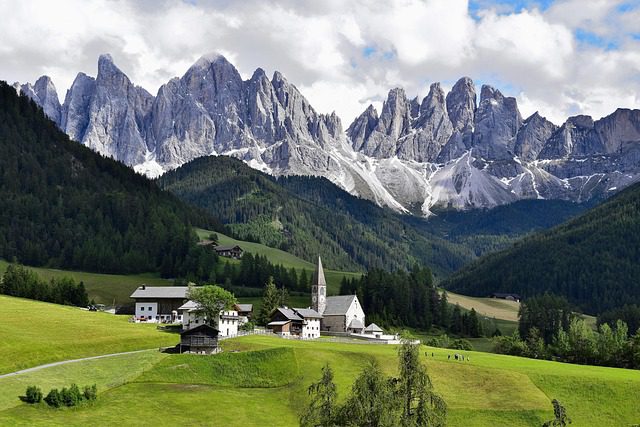
We finally did it back-to-back: the Dolomites one summer, the Swiss Alps the next. Both trips were everything the postcards promised and nothing like we expected. From the Arctic, where our mountains top out at gentle fells, the sheer verticality of both ranges still catches us off guard every time. But they are very different experiences — different in price, pace, crowd density, and the kind of traveller they reward.
If you’re planning a summer Alps escape and can’t decide between the two, this is the guide we wish we’d had. We’re not travel writers who parachute in for a weekend; we’re a couple who planned carefully, drove extensively, made mistakes, and can now compare them honestly.
The Italian Dolomites win on drama, colour, and value for money — go if you want jaw-dropping scenery on a moderate budget with great food. The Swiss Alps win on infrastructure, iconic villages, and ease — go if you want a seamlessly organised trip and don’t mind paying for it. Both are excellent summer coolcation destinations that stay genuinely fresh even in Europe’s hottest months.
What makes each range genuinely unique
The Italian Dolomites
The Dolomites are a UNESCO World Heritage Site for a reason. The rock formations here are unlike anything else in the Alps — pale orange and pink towers that glow at sunrise and sunset like they’re lit from inside. This is the place that invented the via ferrata, the Italian tradition of mountain climbing on steel cables and ladders bolted directly into cliff faces. Even if you never clip in, simply walking below these walls feels theatrical.
- The rock: dolomite limestone, unique warm colouring unlike grey granite elsewhere.
- The villages: Cortina d’Ampezzo is glamorous and expensive; Ortisei and St Ulrich (in the Ladino-speaking Val Gardena) are more authentic and better value.
- The food: you’re in Northern Italy, so the food is extraordinary — fresh pasta, local cheeses, Südtiroler Speck (smoked ham), and wines from nearby Trentino.
- The hiking: the Alta Via trails (especially Alta Via 1 and 2) are among the most scenic multi-day routes in Europe.
The Swiss Alps
Switzerland does things differently. The mountains are high — 82 peaks over 4,000 m — and the infrastructure around them is extraordinary: cogwheel trains, cable cars to glaciers, perfectly maintained trails, and villages that have been welcoming tourists since the Victorian era. Grindelwald, Zermatt, and Interlaken are household names because they deliver on their promise, every time.
- The peaks: the Eiger, Mönch, and Jungfrau form one of the most recognisable mountain silhouettes in the world.
- The trains: Switzerland’s mountain railways are an experience in themselves. The Glacier Express, the Jungfraujoch rack railway, the Bernina Express.
- The cost: Switzerland is significantly more expensive. Budget roughly 40–60% more per day than equivalent Italy.
- The villages: Zermatt is car-free and electric-vehicle only. Grindelwald searches jumped 60% in 2026 after the James Turrell Dome announcement in nearby Aarhus put Alpine art back in the cultural spotlight.
How to get there and get around
Both ranges require some planning. Neither is a simple city hop.
Getting to the Dolomites
- Fly into: Venice (VCE) or Verona (VRN) are the most useful airports. Bologna (BLQ) works too. Innsbruck (INN) in Austria is excellent for the northern Dolomites.
- Drive or bus? Renting a car is by far the best option. The mountain passes — Passo Pordoi, Passo Sella, Passo Giau — are part of the experience. Driving the “Sella Ronda” loop past four mountain groups in a single day is one of the best road trips in Europe.
- Summer cable cars: the main lifts operate from mid-June to mid-October. Check specific opening dates because high-altitude lifts often open later.
- Tip: book accommodation by April for July and August. The Dolomites are no longer off the tourist radar.
Getting to the Swiss Alps
- Fly into: Zürich (ZRH) or Geneva (GVA) are the main gateways. Bern (BRN) has limited connections but is centrally located.
- Train or car? Switzerland’s rail network is so good that a car is optional. Buy a Swiss Travel Pass for unlimited rail, tram, and bus travel. Some resort villages like Zermatt are car-free anyway.
- Summer validity: the Jungfraujoch (“Top of Europe”) is open year-round and busiest in summer. Book the rack railway early or go first thing in the morning.
- Tip: the Swiss Half Fare Card is one of Europe’s great travel deals — 50% off most trains, boats, and cable cars for a flat annual fee.
Related read Planning a broader European summer? See our guide to Italy in Summer: Where to Go When Rome Is Too Hot — the northern lakes and Dolomites are the coolest corners.
Quick-reference comparison: Dolomites vs Swiss Alps
Use this at a glance
- Scenery style: Dolomites = warm-toned, theatrical, spire-like / Swiss Alps = classic Alpine, grand, glaciated
- Best for: Dolomites = foodies, drivers, via ferrata, budget-conscious / Swiss = train lovers, iconic views, families, efficiency
- Summer temperatures: both stay in the 18–26 °C range at valley level, perfect coolcation territory vs 35+ in Rome or Athens
- Budget per day (mid-range couple): Dolomites €120–180 / Swiss Alps CHF 250–380 (roughly €260–400)
- Getting around: Dolomites = rental car recommended / Swiss Alps = train pass ideal
- Most crowded month: both peak in August — July is slightly easier, late June is the sweet spot
- English spoken: widely in both, especially in tourist areas
- Altitude sickness risk: low for most Dolomite hikes; possible at Jungfraujoch (3,454 m) in Switzerland
Get our best travel tips in your inbox
Monthly stories from Rovaniemi — Arctic tips, packing lists, and the places we keep coming back to.