Berlin in Summer: Beyond the Wall — What to Actually Do
We went to Berlin expecting history. We stayed for the parks, the lakes, the outdoor culture, and the electric feeling of a city that never quite goes to sleep. Here’s what Berlin in summer is actually like.
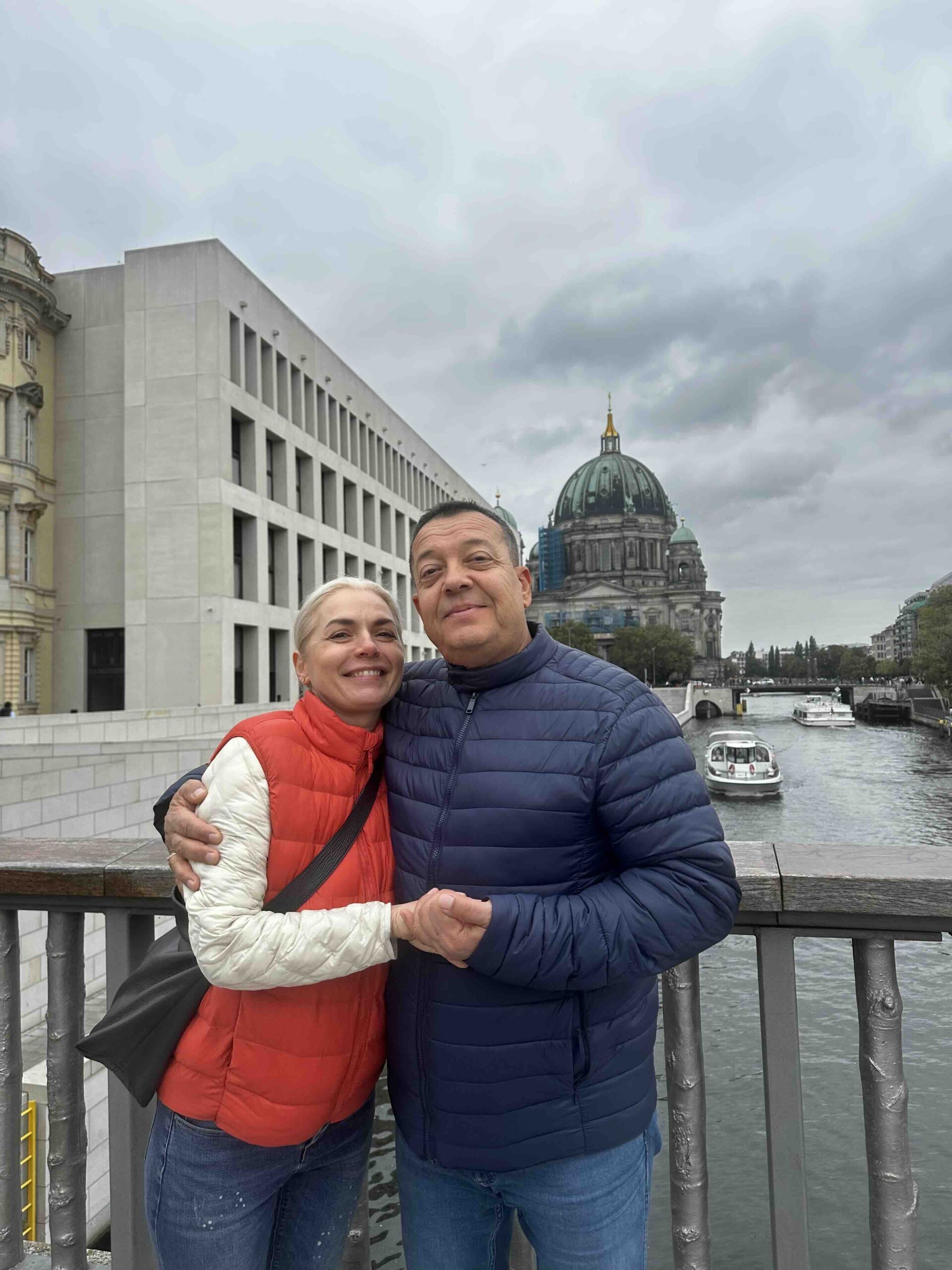
We first visited Berlin on a grey November trip and liked it fine. Then we came back in July and it clicked. The city transforms in summer in a way that is hard to describe from the outside — parks fill up, lakes come alive, rooftop bars overflow, and the long Nordic-style evenings (Berlin’s summer days are nearly as long as ours in Finland) give the city an almost euphoric energy. Berlin in summer is, simply, one of Europe’s best experiences.
We’ve now been to Berlin in summer twice, and we’ve sent more friends there than to almost any other city in Europe. This guide is everything we know — the touristy stuff worth doing, the stuff to skip, and the things you only discover when you stop following a walking-tour map.
Berlin in summer (June–August) is genuinely excellent: warm but rarely scorching, full of free outdoor activities, with world-class culture that doesn’t require booking three months in advance. The key is to balance the big history sites with the city’s outdoor lake and park culture — that’s what makes Berlin different from every other European capital.
What Berlin in summer is actually like
Coming from Rovaniemi — a city that takes its summers seriously after eight months of winter — we recognised something familiar in Berlin’s summer mood. People spill out of cafes, restaurants push tables onto pavements, and there is a collective decision to be outside as much as possible. In Berlin, though, this happens at a scale we rarely see anywhere in northern Europe.
The weather: what to expect
Berlin summers run warm and mostly sunny. June averages around 22°C, July peaks at 24–26°C, and August is similar. Heat waves do happen — Berlin has seen days over 35°C in recent years — but most summers are pleasant, nothing like southern European cooking. Rain comes in short sharp bursts rather than grey drizzle. We found the heat manageable without air conditioning most days, though having a cool accommodation option for very hot nights matters.
- June: long evenings, not too crowded, occasional rain. The best month for a calmer experience.
- July: peak summer, busiest, warmest. All the outdoor events are in full swing.
- August: similar to July but locals start going on holiday, which ironically makes some things slightly less crowded mid-month.
How busy it gets
Berlin is large enough that summer crowds rarely feel oppressive, except at specific bottlenecks: the Brandenburg Gate on a Saturday morning, the Holocaust Memorial queue, the Fernsehturm (TV Tower) ticket line. Book timed entry for the Reichstag and Fernsehturm ahead — everything else you can manage on the day.
The history sites: what’s worth your time
Berlin’s history is inescapable and genuinely fascinating, but you can burn two days on an endless loop of memorials and museum queues and leave feeling more exhausted than moved. Here is how we’d approach it.
The non-negotiables
- The Reichstag glass dome: free entry, but you must book online in advance. Go at opening or in the evening for the best light and thinner crowds. The views across the Tiergarten are excellent.
- The Memorial to the Murdered Jews of Europe (Holocaust Memorial): quiet, powerful, set on a city block near the Brandenburg Gate. No booking needed. Allow 30–45 minutes to walk through properly and visit the underground documentation centre.
- East Side Gallery: the longest remaining stretch of the Wall, now an open-air gallery along the Spree. Go in the morning before tour groups arrive. It’s free, takes about an hour, and the combination of street art and weight of the place is unlike anything else in Europe.
- Checkpoint Charlie: understand what it is before you go — the actual checkpoint is a reconstruction, and the area is very touristy. Skip the ticketed museum; the free outdoor information panels tell the story well enough.
What we’d skip or limit
- Museum Island on a Saturday: the five museums here are world-class, but the queues in summer are punishing. Pick one (the Pergamon Altar is closed until 2027, so the Neues Museum or Alte Nationalgalerie) and go on a weekday morning.
- The TV Tower (Fernsehturm): views are great but the ticket price has crept up, and the queue can be an hour without pre-booking. Pre-book or skip — the views from the Reichstag dome are comparable and free.
Related read Planning more of Germany this summer? Read our guide to Munich and the Bavarian Alps in 3 days — a great add-on if you’re doing a Germany loop.
Berlin’s outdoor summer culture: parks, lakes, and beaches
This is the part most first-time visitors under-invest in, and it is honestly what makes Berlin summer special. The city has more green space per capita than almost any comparable European capital, and it also has lakes — actual swimming lakes — within the city limits.
Our 8 favourite outdoor Berlin summer moves
The Strandbad Wannsee is a proper lido beach on a lake in the south-west of the city. Go on a weekday. Take the S-Bahn to Nikolassee, walk 10 minutes. Entry is a few euros. The water is clear, the setting is beautiful, and this is where Berliners actually spend their summer.
The Tiergarten is 210 hectares of parkland in the centre of the city. Rent a bike (many dockless options available) and spend an hour wandering its paths. Combine with the Reichstag visit and Brandenburg Gate walk.
The old Tempelhof airport runway is now a vast public park. Nothing quite captures Berlin’s spirit like watching people kite-surf, cycle, barbecue, and do yoga on a former Nazi-era airport. Go in the evening for the light.
Berlin runs outdoor cinemas from June through August, most famously in Volkspark Friedrichshain and Kreuzberg. Check current listings. Take a blanket — evenings cool down fast even in July.
Berlin’s outdoor bar scene is excellent. Clarchens Ballhaus in Mitte has a legendary courtyard. Prenzlauer Berg’s Kastanienallee is lined with pavement seating. Kreuzberg’s canal-side bars (Paul-Lincke-Ufer) are perfect for an evening drink.
The Mauerpark flea market (Sunday) and the Antik & Trödelmarkt am Ostbahnhof (weekend) are genuine Berlin experiences. Go in the morning before the crowds. Bargaining is expected and welcomed.
The indoor market in Kreuzberg hosts a Street Food Thursday event every week (from 5 pm). The quality is excellent, the diversity is genuinely impressive, and it is much cheaper than tourist-area restaurants.
Berlin’s largest lake, in the east of the city. Take the S-Bahn to Friedrichshagen, walk to the shore. Swimming, kayak rental, beach bars. Far less crowded than Wannsee and beloved by locals who live on the east side.
Get our best travel tips in your inbox
Monthly stories from Rovaniemi — Arctic tips, packing lists, and the places we keep coming back to.