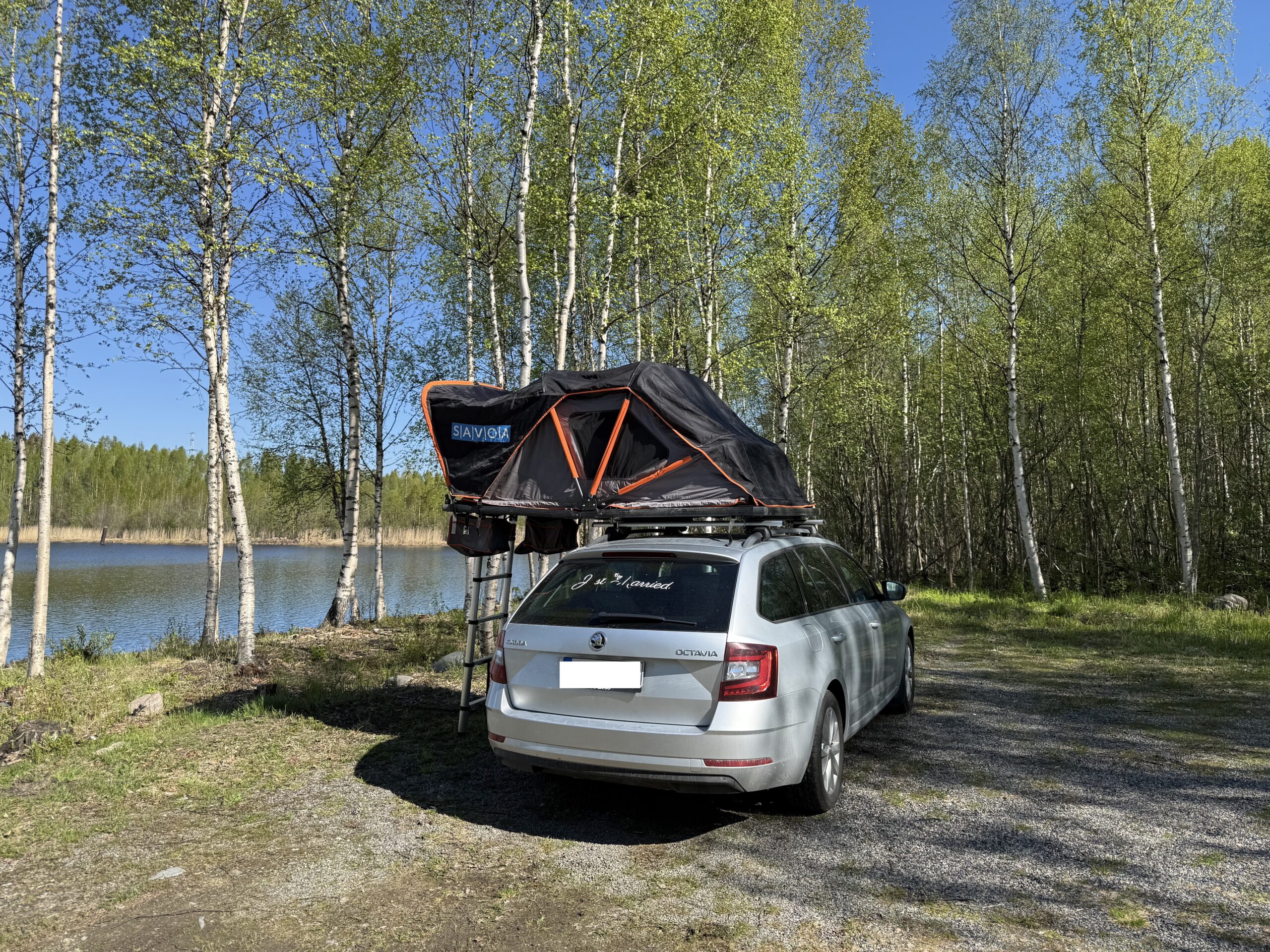
We get this question from almost every reader planning a Nordic trip that includes Iceland: is a campervan actually cheaper than flying in and renting a car plus hotels, or does the daily rental rate just replace one bill with another? Ring road distances are long, fuel isn’t cheap, and Iceland has a reputation for being expensive before you’ve even picked up the keys.
We’ve driven the ring road and priced out campervan life for our own trips and for readers who write in before booking theirs. Here’s the honest breakdown — what a campervan in Iceland actually costs by vehicle class, where that money goes, and where the real savings are.
Campervan rental in Iceland currently starts from around €89/day for a budget van, €129/day for a comfort campervan, and €189/day for a 4×4 built for highland (F-road) routes, per current CampervanPlanet listings. On top of the daily rate, budget for fuel, campsite fees, and insurance — the van itself is only part of the number. Compare campervan prices for Iceland directly, and code HUNGRYTRAVELFAMILY20 takes €20 off.
The real answer, by vehicle class
Iceland campervan pricing splits fairly cleanly into three tiers, and which one you need depends entirely on your route. Per current listings, a budget campervan starts from around €89/day, a comfort campervan (more space, better heating, a proper kitchen setup) from around €129/day, and a 4×4 built for highland routes from around €189/day.
The 4×4 tier isn’t an upsell to ignore if you’re planning to drive Iceland’s F-roads into the highlands — those routes are genuinely restricted to 4×4 vehicles, river crossings included, and a standard 2WD campervan simply isn’t allowed or safe on them. If you’re sticking to the ring road (Route 1) and coastal detours, the budget or comfort tier covers you fine.
It’s worth pricing all three tiers against your actual itinerary rather than defaulting to the middle option. A couple doing a straightforward ring-road loop in July doesn’t need the highland-capable van and its extra daily cost; a group planning even one or two days into the interior does, and there’s no cheap workaround for that — rental companies are strict about which vehicles are permitted on F-roads, partly for insurance reasons and partly because the routes genuinely aren’t safe in the wrong vehicle.
What actually moves the price
Season is the single biggest lever. June through August is peak — the highest daily rates, the tightest availability, and the point at which booking early actually matters. Shoulder months (May, September) come down noticeably, and winter rates can be lower still, though winter driving in Iceland brings its own conditions to plan around rather than a straightforward discount.
Insurance is the other big variable, and it’s where people get caught out. Standard rental cover in Iceland typically carries a high excess, and Iceland’s specific gravel-chip and sand/ash-storm risks (yes, this is a real add-on in Iceland specifically) mean the “full cover” upgrade is worth pricing in from the start rather than treating as an optional extra at pickup.
Fuel costs on the ring road
The full ring road is around 1,300 km, and most itineraries add detours for the Westfjords, Snæfellsnes, or the highlands on top of that. Fuel in Iceland runs noticeably higher than in Finland or Sweden, so budget accordingly rather than pricing it like a mainland Nordic trip.
The real fuel risk in Iceland isn’t the price so much as the gaps — in remote stretches, especially the east coast and the Westfjords, service stations can be well over 100 km apart. Fill up whenever you see a station rather than waiting until the tank looks low, and if you’re heading onto an F-road, treat a full tank as non-negotiable before you commit to the route.
💡 Our campervan tip: prices for the same van vary a lot between rental brands. We compare Iceland campervans across 160+ rental companies on CampervanPlanet — and code HUNGRYTRAVELFAMILY20 takes €20 off.
Campsites and where you actually sleep
Iceland has a genuinely large campsite network — over 170 registered sites across the country — with most operating seasonally from roughly June to mid-September. Campsite fees run somewhere in the region of €13–33 per person per night depending on the site and facilities, which adds up over a two-week trip but is still far cheaper than hotel rooms, which are scarce and expensive across most of the country in peak season.
If you’re doing a longer trip, a Camping Card (around €160 for 28 nights across 40-plus participating campsites) can work out significantly cheaper than paying per night at each stop — worth pricing against your actual planned route before you commit to one, since it only pays off if enough of your stops are on the list.
One thing that surprises first-time Iceland campervanners: wild camping outside designated sites is restricted in most of the country now, and heavily fined in popular areas. Budget for proper campsites as part of your daily cost rather than assuming you can park up for free the way you might in Finland or Sweden under Everyman’s Right rules.
Tolls, insurance and the hidden costs
Compared with Norway, Iceland is refreshingly light on road tolls — there’s no general toll network. The one exception most itineraries actually hit is the Vaðlaheiðargöng tunnel near Akureyri, which charges a toll of roughly €10 per passage. Outside of that, the road network itself doesn’t add ongoing toll costs the way a Norway trip would.
Insurance excess is where the real hidden cost sits. A standard policy’s excess is commonly in the €1,500–2,500 range if something goes wrong, and gravel-chipped windscreens are a genuinely common claim on Iceland’s ring road — we’ve had it happen to us on a Nordic road trip in a different country, and it’s not a remote risk here either. Price the full excess-waiver cover into your budget from the start rather than deciding at the pickup counter.
Our biggest budget surprises with Iceland campervans
- Pickup location matters more than people expect. Keflavik International Airport (about 45 minutes from Reykjavik) is the main hub, alongside Reykjavik city centre and the domestic airport, with some options in Akureyri and Egilsstadir too — picking the wrong one can add hours to your first and last day.
- Peak-season booking windows are short. Iceland’s campervan fleet is genuinely finite, and June–August availability tightens fast. Book earlier than you think you need to.
- Campsite bookings can require advance reservation in July. Some popular sites now require booking ahead in peak season rather than accepting walk-ins, which changes how spontaneous a “just drive and see” Iceland trip can realistically be.
- Fuel-gap anxiety is real on remote routes. We’d rather over-plan fuel stops on the east coast and Westfjords than find out the hard way that the next station is 150 km off.
- Weather changes the plan more often than in mainland Scandinavia. Iceland’s weather can shift a route in hours, not days — a pass that was fine in the morning can close by afternoon. Build slack into your itinerary rather than booking every campsite and activity back-to-back with no buffer.
None of this is meant to scare anyone off — a campervan is still one of the more flexible, cost-effective ways to see Iceland properly rather than rushing between hotel bookings. It just rewards a bit more planning than a typical mainland Europe road trip does.
How to actually save money on an Iceland campervan trip
Travel in May or September rather than July if your schedule allows it — rates are lower, roads are quieter, and you still get most of the daylight and scenery peak summer offers. Book your campervan and your accommodation-heavy nights (if any) well ahead for a July–August trip specifically, since last-minute peak-season options tend to be both scarce and expensive.
Compare more than one rental brand rather than booking the first result — the same class of van can vary meaningfully in price between operators, which is exactly why we point readers to compare campervan prices for Iceland across multiple companies rather than a single site. If you’re planning a longer Nordic loop that includes Iceland alongside Norway, Sweden or Finland, our real cost breakdown of a Nordic road trip covers how the countries compare, and our budget vs experience travel philosophy is worth a read if you’re deciding how much to spend on the van itself versus the rest of the trip.
Use code HUNGRYTRAVELFAMILY20 for €20 off whichever tier you book, and check our campervan rental guide for the wider picture across all the Nordic countries we’ve driven.
Honest travel from the Arctic Circle
We send one letter a month — no roundups, no sponsored fluff. Just what we’re doing, where we’re going, and what we actually think.
Book your Iceland campervan
Compare prices across 160+ campervan and motorhome rental brands, get a free 1GB eSIM with every booking — and €20 off with code HUNGRYTRAVELFAMILY20.
Check prices & availability →Frequently asked questions
How much does a campervan cost per day in Iceland?
From around €89/day for a budget campervan, €129/day for a comfort model, and €189/day for a 4×4 built for highland F-roads, per current listings — plus fuel, campsite fees and insurance on top.
Do I need a 4×4 campervan in Iceland?
Only if you’re planning to drive the highland F-roads, which are restricted to 4×4 vehicles and can involve river crossings. If you’re sticking to the ring road and coastal detours, a standard 2WD campervan is fine.
Are there toll roads in Iceland?
No general toll network — the main exception most routes hit is the Vaðlaheiðargöng tunnel near Akureyri, at roughly €10 per passage. It’s far lighter on tolls than a Norway road trip.
Can I wild camp for free in Iceland to save money?
Not really, not any more — wild camping outside designated campsites is restricted across most of the country and can be heavily fined in popular areas. Budget for proper campsites (roughly €13–33 per person per night) as part of your daily cost.
Is campervan insurance worth upgrading in Iceland?
We’d say yes. Standard excess is commonly €1,500–2,500, and gravel-chipped windscreens are a genuinely common claim on Iceland’s roads. Pricing in full excess-waiver cover from the start avoids an unpleasant surprise at drop-off.
When is the cheapest time to rent a campervan in Iceland?
Shoulder season — May or September — typically brings lower rates and quieter roads than peak June–August, while still giving you strong daylight and scenery.
Keep your crypto offline, not in an exchange app
Any crypto we hold lives on a Trezor hardware wallet — a small offline device in a drawer in Rovaniemi, not on a phone that crosses borders every month. If you’ve been meaning to sort that out, this is the link we’d send a friend.