
When people ask us what a campervan trip in the Nordics will cost, they usually mean the rental. The rental is the number you see on a screen. Campervan fuel cost is the number you feel, one fill-up at a time, in a region where a single day’s drive can be 600 km and the next fuel station can be 90 minutes away.
We live in Rovaniemi, on the Arctic Circle, and we have driven these roads in cars and vans through Finland, Norway, Sweden and Denmark. We cannot give you pump prices that will still be true next month, because they move every week, so this guide does something more useful: it shows you how to work out your own fuel budget, what changes it, and where the real surprises are.
For the wider picture of food, camping and ferries, our full Nordic road trip cost breakdown covers the rest. Here we stay with fuel.
Most diesel campervans use about 9–13 litres per 100 km, so fuel for a two-week Nordic trip usually lands in the hundreds of euros. Distance matters more than the pump price: work it out with a simple formula, fill up at half a tank in the north, and use our €20 reader coupon on the rental.
The simple formula for campervan fuel cost
Fuel cost is just two numbers multiplied: how far you drive and how much the van drinks. Most diesel campervans in the size people hire for two travellers use somewhere between 9 and 13 litres per 100 km, depending on weight, wind, speed and how hilly the road is. A bigger family motorhome will be higher; a compact van lower.
The formula is simple:
distance (km) ÷ 100 × litres per 100 km × price per litre = fuel cost
Here is a worked example, using a deliberately round, assumed price of €1.75 a litre, which you should replace with the current price when you plan. A 2,000 km trip at 11 litres per 100 km uses about 220 litres, which at €1.75 comes to around €385. A week-long drive from Rovaniemi to the North Cape and back, which the CampervanPlanet Rovaniemi page lists as roughly 770 km each way, is about 1,540 km and would use around 170 litres on the same assumptions, so roughly €300.
Those are illustrations, not quotes. The point is that fuel for a normal two-week Nordic trip lands in the hundreds of euros, not the thousands, and that the biggest lever is distance, not price.
How the Nordic countries compare at the pump
Pump prices vary a lot between neighbouring countries, and the ranking changes with taxes and exchange rates, so we will not print a league table you cannot trust. What we can tell you from experience is the pattern:
- Finland. Reasonably priced for the Nordics, with a dense network of stations along the main roads and cheaper unmanned pumps in many towns. Our Finland rental page is the best place to see current van prices.
- Sweden. Often similar to Finland, with plenty of stations along the motorway network and the main roads north. See the Sweden campervan page.
- Norway. Usually pricey at the pump, and Norwegian roads add tolls and ferries on top. We cover those separately, but they matter to the total road cost. See the Norway campervan page.
- Denmark. Compact, so you drive fewer kilometres, though the bridges between islands carry their own charges. See the Denmark campervan page.
- Iceland. Fuel stations are fewer outside the Ring Road towns, and prices tend to sit at the high end. See the Iceland campervan page.
Check a current price comparison website or app in each country a few days before you go. If your route crosses a border, a few euro cents per litre can be worth planning your fill-ups around.
Distance is the real cost: the long north
Because fuel is cheap compared with distance, the thing that really moves the number is how far apart things are. Northern Finland and Norway are the extreme case. Our Rovaniemi route notes, for example, flag that fuel stops get scarce beyond Sodankylä on the road to Inari and beyond.
Our rules for the north:
- Fill up at half a tank. Never wait for the warning light in Lapland or in the Norwegian north. A closed station on a Sunday can cost you a lot more than a few euro cents.
- Check opening hours. Many smaller stations are unmanned and card-only, and some cards do not work at every pump. Carry a card with a PIN as well as a contactless one.
- Know your range. A typical campervan tank gives you roughly 600 to 900 km, depending on the vehicle. That is more than enough for the roads we know, if you plan the stops.
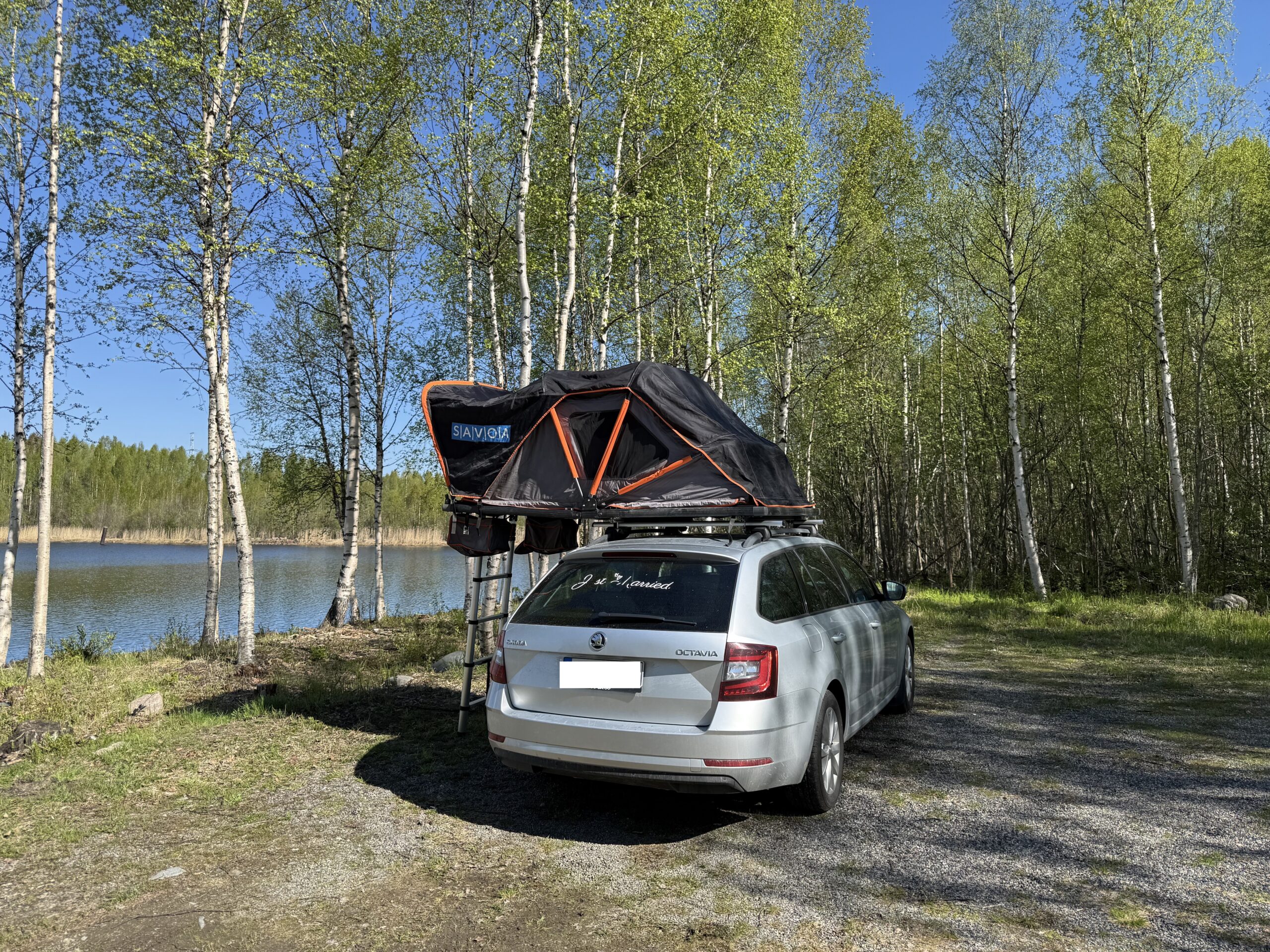
It is worth saying that this is the case for a tour of a few days. If you fly into Helsinki and drive north, the long road to Lapland is itself a big chunk of the fuel bill. Our what campervan rental in Finland costs guide shows how people usually plan it.
💡 Our campervan tip: prices for the same van vary a lot between rental brands. We compare Finland campervans across 160+ rental companies on CampervanPlanet — and code HUNGRYTRAVELFAMILY20 takes €20 off your booking.
Winter: what changes in the cold
The Nordic winter changes more than the weather. Cold air is denser, studded tyres add rolling resistance, and heating the cabin and the engine means you use more fuel per kilometre than in summer. We would budget a sensible margin on top of your summer figure, rather than a precise number, because we have not measured it for a specific van and it depends on the vehicle.
Winter-specific things to ask your rental company at pick-up:
- Winter diesel and AdBlue. Stations in the north normally sell winter-grade diesel. Ask whether your van needs AdBlue, how much is in the tank, and where to top it up.
- Engine heater. In deep cold, vans in Lapland normally come with a block heater and a plug. Learn how to use it, because it affects both starting and consumption.
- Tyres. The CampervanPlanet Rovaniemi page notes that winter tyres are mandatory from December 1 and that most winter rentals include them.
Finland’s page shows a typical rental price of about €157 a day for the November to March period, against about €286 a day in peak summer. The fuel cost for the same distance is not very different between the seasons, so winter can be the cheaper trip overall, even with a margin for the cold.
How we keep the fuel bill down
Rental pricing and fuel pricing are connected, and the second is easier to control. A few habits make a real difference:
- Slow down a little. Fuel use rises quickly above about 90 km/h in a boxy van. Dropping from 110 to 90 on a long straight can cut consumption noticeably.
- Pack light. Water is heavy. Carry what you need, not a full tank for a night near a tap.
- Plan the route, then the van. A route that doubles back wastes more fuel than any pump discount saves.
- Use a loop when you can. One-way drop-offs often cost more than the fuel you save by not driving back.
- Return it full. Most companies charge a premium to refuel it for you. Fill up before you return the van, and keep the receipt.
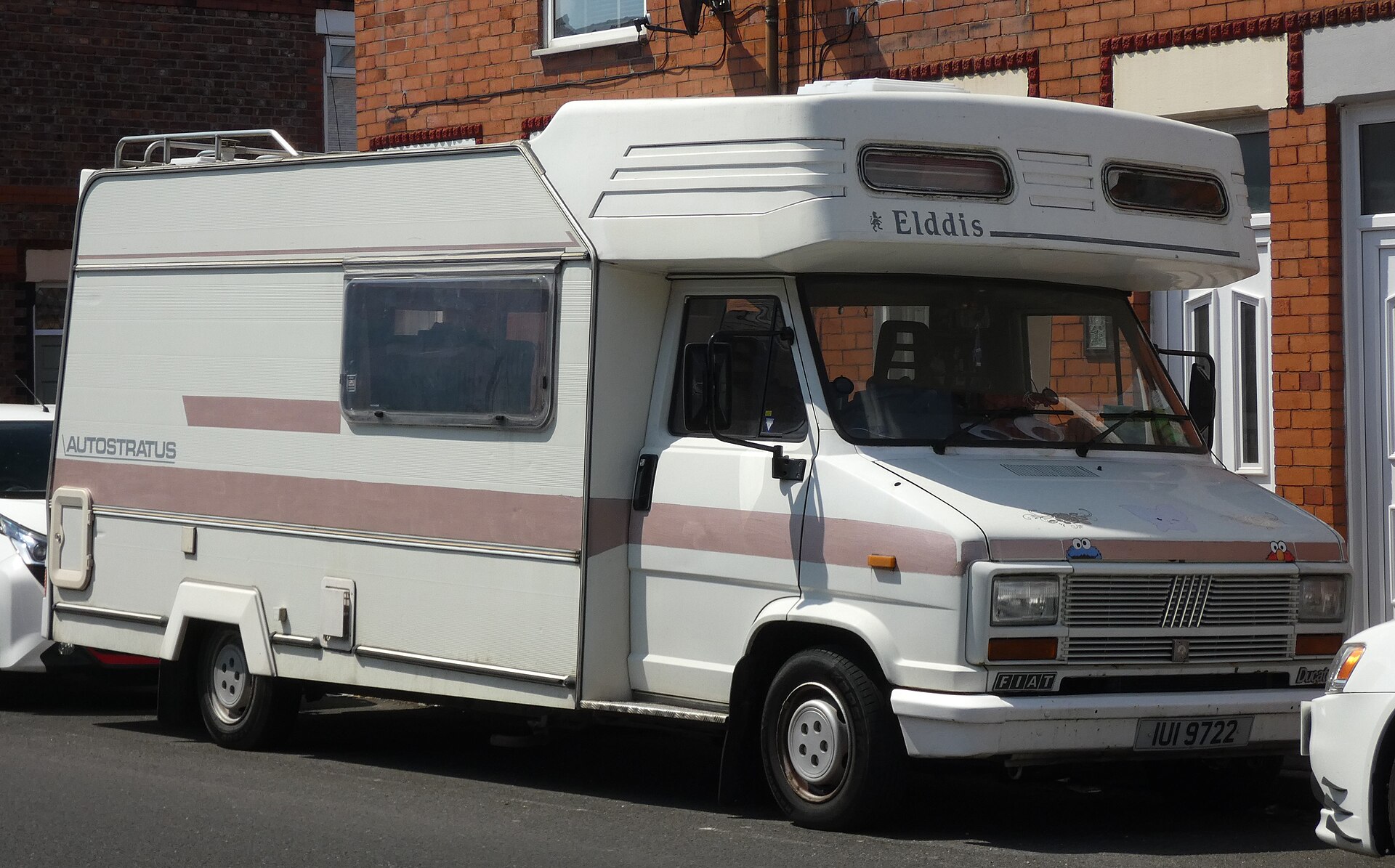
If you are comparing vans, ask about the consumption of each model, and remember that a smaller van is not always cheaper over a long trip once you count the days you need to cover the distance. Our multi-country Nordic campervan trip explains how borders, ferries and pick-ups fit together.
Fuel next to the rest of your costs
Fuel is only one line on a Nordic campervan bill. Alongside it we would plan for the rental, the insurance excess or bond, ferries and tolls (particularly in Norway and between Denmark and Sweden), campsites and groceries. In practice, fuel is typically one of the smaller items compared with the rental itself and with accommodation.
The CampervanPlanet Finland page lists campervans from about €128 a day, with the best-value shoulder season in May and September at about €178 a day and the summer peak at about €286 a day. It also lists five pick-up depots: Helsinki, Rovaniemi, Tampere, Oulu and Turku airports. Those prices were from the page’s November 2026 index, so check your own dates.
When you are comparing, compare Finland campervans on CampervanPlanet and enter HUNGRYTRAVELFAMILY20 at checkout for our €20 reader coupon.
A short checklist before you go
We drive in Finland and the neighbouring countries all year, and the pattern is always the same: people over-worry about the price per litre and under-plan the distance. Fix the route first, work out the kilometres, and the fuel budget follows from the formula in section one.
A short checklist before you go:
- Work out your total distance, including side trips, and add ten per cent.
- Ask the rental company for the van’s typical consumption, or assume 9–13 litres per 100 km.
- Look up current prices in each country on your route a few days before you travel.
- Plan fill-ups in the north at half a tank.
- Fill the tank before you return the van.
Our our campervan rental guide covers the other half of the budget: the rental, the deposit and what is included. If you book through our links we may earn a commission at no extra cost to you, which is what keeps this blog on the road.
Book your Finland campervan
Compare prices across 160+ campervan and motorhome rental brands, get a free 1GB eSIM with every booking — and €20 off with code HUNGRYTRAVELFAMILY20.
Check prices & availability →Frequently asked questions
How much fuel does a campervan use per 100 km?
Most diesel campervans of the size two travellers hire use roughly 9 to 13 litres per 100 km, depending on the weight, speed, wind and terrain. Larger motorhomes use more. Ask your rental company for the typical figure for the model you book.
How much will fuel cost on a two-week Nordic campervan trip?
It depends on distance and the pump price, but the formula is simple. For example, 2,000 km at 11 litres per 100 km uses about 220 litres, which at an assumed €1.75 a litre is around €385. Replace the price with the current one when you plan.
Is there a discount code for CampervanPlanet?
Yes. Our reader coupon HUNGRYTRAVELFAMILY20 takes €20 off your booking when you enter it at checkout on CampervanPlanet. Use it with the link in this guide so the booking is credited to us.
Is fuel more expensive in Norway than in Finland?
Typically Norway is pricier at the pump, and tolls and ferries add to the road cost. Prices change weekly, so check the current numbers for each country a few days before you travel rather than relying on a fixed ranking.
Do I need to return a campervan with a full tank?
Usually yes, and most companies charge a premium if they have to refuel it for you. Fill up shortly before the drop-off and keep the receipt in case there is a question later.
Does winter driving use more fuel?
Generally it does, because of the cold, studded tyres and heating, so add a sensible margin to your summer figure. Ask your rental company about winter diesel, AdBlue and the engine heater when you collect the van.