Winter in Finnish Lapland for families: school, outdoor play and daily life at −20 °C
Average January −10 °C, school as usual and outdoor play in the cold: what the numbers, a Lapland children's study and Finnish daycare advice say.
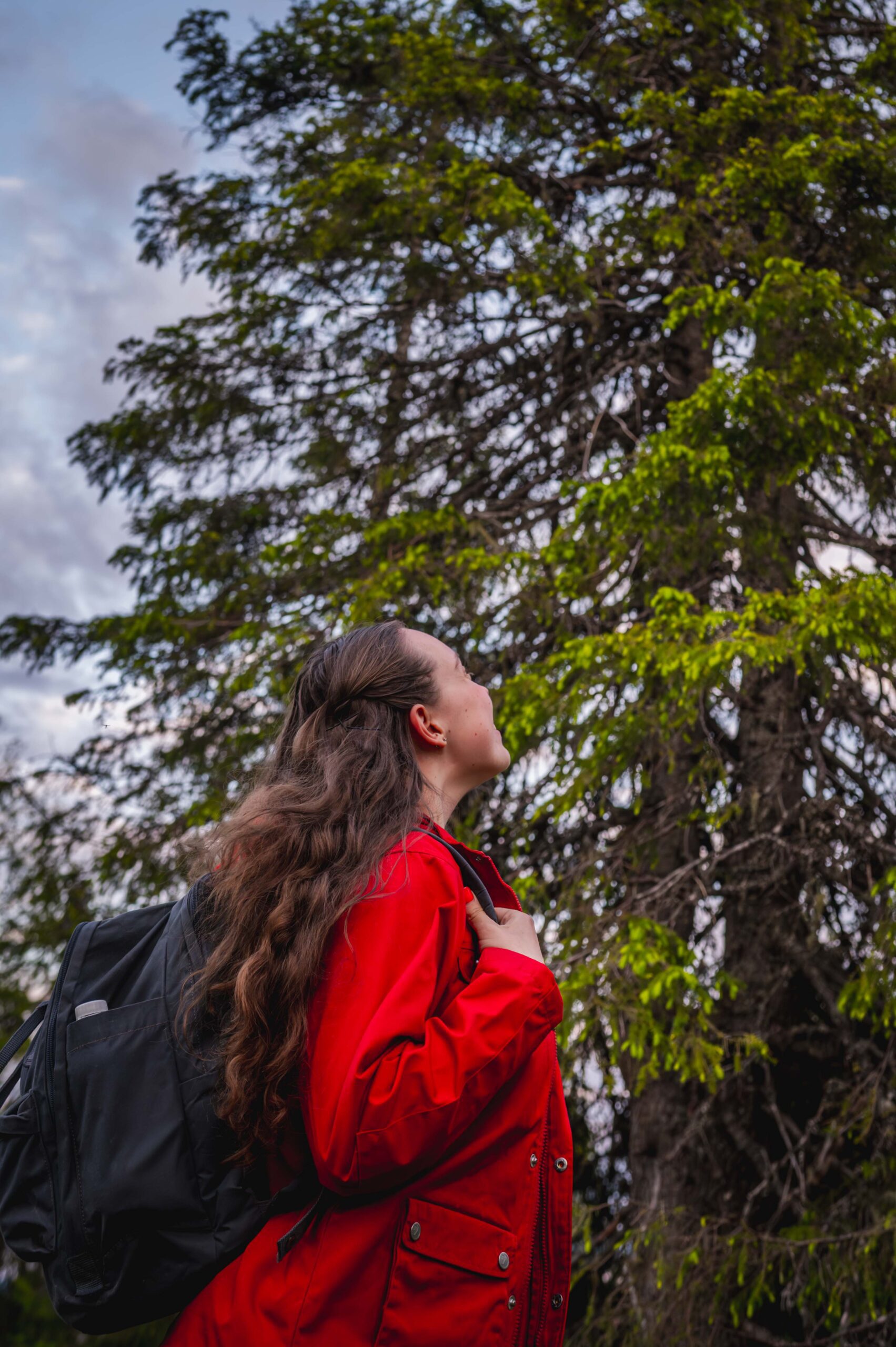
Visitors picture Lapland in winter as a place where families hide indoors. Daily life in Rovaniemi is the opposite: children go to school, play outside and ride their bikes or kick-sleds to the playground in the snow, and it is the adults who adapt their clothes rather than their plans.
We live in Rovaniemi, on the Arctic Circle, and this guide collects what published sources say about winter life for families in Finnish Lapland: the temperatures, the habits in schools and daycare, what a study of children in the north measured, and practical points for visitors who bring their own family. Where a source is old, we say so.
Rovaniemi’s average January temperature is about −10 °C and the coldest nights average about −14 °C, according to the Finnish Meteorological Institute’s 1991-2020 figures as published on Wikipedia. Finnish schools usually keep pupils indoors for breaks and PE only when it is colder than roughly −15 to −20 °C, but still expect them to attend. A peer-reviewed study of 30 children aged 7 to 8 in Lapland and Northern Ostrobothnia found that about half of their outdoor time took place at −15 °C or colder, and that every child reported at least one cold-related symptom, so layers, dry mittens and checks for cold hands matter.
What the winter actually feels like: the numbers
The figures below are the Finnish Meteorological Institute’s 1991-2020 climate normals for the Rovaniemi airport station, as listed on Wikipedia’s Rovaniemi article. They are averages, so single days can be much warmer or colder.
| Month | Mean daily temperature | Mean daily minimum | Record low | Average snowfall | Sunshine hours |
|---|---|---|---|---|---|
| December | −7.7 °C | −10.6 °C | −32.9 °C | 38 cm | 3 |
| January | −10.3 °C | −13.5 °C | −38.1 °C | 57 cm | 15 |
| February | −10.3 °C | −13.3 °C | −35.0 °C | 73 cm | 57 |
| March | −5.6 °C | −9.1 °C | −27.5 °C | 75 cm | 132 |
Two points are worth noting. First, the mean daily minimum is an average of every night. The same table lists a “mean minimum” for January of −25.9 °C, which is the average of each January’s single coldest reading, so a night near −26 °C is typical of the coldest night of a January, but it is not a daily event. Second, the table also gives the record low at the airport, −38.1 °C on 28 January 1999. Wikipedia adds that snow stays on the ground for 175 days a year on average, a figure we have not been able to confirm from a primary source, so please attribute it rather than treat it as official.
Sunshine is the other number that shapes daily life. The airport records only 3 hours of sunshine in an average December and 15 in January, against 271 in June. We explain why Rovaniemi is just south of true polar night, and how the light compares, in our polar night (kaamos) guide, and the rest of the year in a year in Rovaniemi.
Going to school when it is −20 °C
Finnish schools do not close for cold. In 2010, a Finnish Government spokesman told the Times Educational Supplement Scotland that weather-related school closures in Finland were “very rare, if not even non-existent”. He credited snow ploughs, winter tyres, well-insulated buildings and adequate infrastructure. The same article reports that Finnish schools often have their own “limits of coldness” for outdoor time, usually between −15 and −20 °C, which only require pupils to stay indoors for breaktimes and PE. They are still expected to come to school. The article is more than a decade old and it is a media report rather than official guidance, so treat the exact thresholds as an example of local practice and not as a national rule. Individual schools and municipalities set their own limits.
In the Northern Finland study described below, children had mandatory outdoor activity during the school day because the schedule included planned breaks, and they also went outdoors in the evenings after school.
What a study of children in the north measured
One of the few studies to measure this directly was published in the International Journal of Circumpolar Health in 2017. Researchers fixed data-logging thermometers to the outerwear of 30 children aged 7 to 8, living in Lapland and Northern Ostrobothnia, for a month, and recorded the temperature every five minutes. The children also kept daily records of cold symptoms.
| Finding | What the study reports |
|---|---|
| Participants | 30 children aged 7 to 8 in Lapland and Northern Ostrobothnia |
| Typical outdoor session | 20 to 40 minutes; the longest sessions lasted 160, 215 and 270 minutes |
| Share of outdoor time at −15 °C or colder | About half of the children’s outdoor activities |
| Effect of falling temperature | Outdoor sessions became shorter, especially on days without school |
| Cold-related symptoms | Every child reported at least one; almost half (14 children) reported respiratory symptoms, and all of them reported coughing |
| Warning signs of frostbite | Pain or numbness in cheeks, fingers or toes reported by some children |
| Sweating | 22 of the 30 children reported sweating often |
The authors conclude that cold weather is not an obstacle to children’s outdoor activities in Finland, and that for health reasons outdoor activity should be supported in winter while taking cold-related risks into account. They recommend teaching children to recognise the first signs of frostbite. The children were very active outdoors: they reported walking, running, cycling, skiing, ice skating, kick-sledding, snowmobiling, riding and swinging, and they enjoyed sliding down hills and building snowmen and snow castles. The study is small, descriptive and covers a single month, so it describes what happened rather than proving cause and effect.
The study’s background section adds that outdoor life starts early in Finland. It says that children typically begin their outdoor lives when they start to take daytime naps outdoors, that in the 1920s mothers were instructed to have children sleep outdoors to reduce infant mortality, and that outdoor sleeping is still a very common childcare practice.
Dressing for it: advice from Finnish daycare staff and THL
A Yle News report from January 2017, republished by Eye on the Arctic, interviewed daycare staff and the Finnish Institute for Health and Welfare (THL) about dressing small children for very cold weather. It is the most practical source we have found, and its points are consistent with the study above.
- Layers and the right fit. Clothes that are too small do not keep children warm because extra layers cannot fit underneath.
- Waterproof shells. Waterproof over-trousers and jackets also block the wind. Woollen socks in boots are important.
- Mittens, not gloves. In very cold weather, at least two layers of mittens, plus a neck warmer.
- Leave non-slip socks at home. One daycare teacher says the plastic on them gets cold quickly, and the Finnish Medical Society says they can make feet sweatier, which makes them colder.
- Do not overdress. THL’s Eero Kajantie says the most common mistake is making children too warm, because sweat then causes cold. A child who cannot dress themselves needs an adult to watch.
- Check hands and legs. Children do not always notice that they are getting cold, so the THL advice is to feel their legs and hands, and add clothing or go indoors if they are cold.
The article notes that many daycares have a poster showing the number and type of layers for each temperature, which parents who have recently moved to Finland find especially helpful, and that parents from abroad can find the idea of going outside even in very cold weather unfamiliar.
Darkness and mood
Light is the other challenge of winter in the far north. A University of Eastern Finland study, published in December 2023, used the Social Insurance Institution’s (Kela) sick leave register to analyse 636,543 mental-health sick leaves over 12 years. It found that in late autumn the number of sick days for depression, anxiety and sleep disorders was almost twice as high as in summer and about a quarter higher than in early autumn. The study covers working-age adults, not children, and the professor of psychology quoted in the release cautions that other explanations, such as workplace stress in autumn, should also be considered. THL’s Research Professor Timo Partonen says winter depression symptoms can often be alleviated through bright light therapy.
For families, the practical lesson is the one Finns follow: go outside in the daylight hours, even on grey days, and keep routines regular. Our kaamos guide explains how the light changes through December and January.
Winter life in practice
These are our own observations as residents, rather than statistics, and we flag them as such.
- Winter tyres are normal. Cars are fitted with winter tyres and roads are ploughed early, which is part of why school and work continue as usual.
- Reflectors are everywhere. Daylight is short in midwinter, so people wear reflectors on their clothes and bags to be seen by drivers.
- Outdoor play is part of the day. Playgrounds, skating rinks and ski tracks stay in use, and kick-sleds are a common way to move around on packed snow.
- Saunas follow outdoor days. A warm sauna after time in the cold is a family routine; our guide to Finnish sauna culture explains the etiquette and safety.
If you are visiting with children
- Pack layers, not one thick coat: a wool or synthetic base layer, a warm mid layer, and a windproof, waterproof shell. Many Lapland operators provide thermal overalls and boots on guided trips, so ask what is included before you buy.
- Bring spare mittens, socks and neck warmers, because wet ones need to be changed.
- Check hands, toes, cheeks and noses regularly, and take children indoors if they report pain or numbness, which are the warning signs described in the study.
- Keep sessions short on the coldest days. The children in the study stayed outside for 20 to 40 minutes at a time, and sessions got shorter as it got colder.
- Plan the day around the light. The sun is only above the horizon for a short time in midwinter, so outdoor time is best around midday.
Notes for journalists
- Cite the temperature figures as FMI 1991-2020 normals for the Rovaniemi airport station, and say that they are averages.
- Describe school practice as local: individual schools set their own cold limits, and the −15 to −20 °C range comes from a 2010 media report.
- Do not equate the mood study’s sick leave figures with children’s wellbeing; it studied adults.
- For official guidance on children and cold, ask THL or the municipality’s early childhood education service. We can describe what daily life looks like in Rovaniemi, but not set medical advice.
FAQ
These are the questions visitors ask us most about winter with a family.
Quotable · free to use with credit
“In Rovaniemi, the cold changes what you wear, not whether you go outside.”
— Joona & Alla, Hungrytravelfamily, Rovaniemi
“If a child's hands or legs feel cold, add a layer or go indoors; if they are sweating, take one off.”
— Joona & Alla, Hungrytravelfamily, Rovaniemi
Please credit “Joona & Alla, Hungrytravelfamily (hungrytravelfamily.com)”. Need a fresh quote or an interview? Contact us.
For journalists, TV & podcast producers
Working on a story about winter life for families in Finnish Lapland?
We’re Joona & Alla — we live in Rovaniemi on the Arctic Circle and both work in tourism marketing in Lapland. We can help with:
- On-camera interviews and expert comments in English (Joona also speaks Finnish)
- Story research, real prices and location ideas in Rovaniemi and Finnish Lapland
- Filming days and contacts with local husky, reindeer, snowmobile and northern lights operators
Send your outlet, topic, dates and deadline — we try to reply within 24 hours.
Email a media requestPress & media pageSources & further reading
- Wikipedia: Rovaniemi, climate data for Rovaniemi airport 1991-2020 (Finnish Meteorological Institute data)
- Int J Circumpolar Health (2017): Children's outdoor recreation, cold exposure and symptoms in winter in Northern Finland
- Yle News via Eye on the Arctic (2017): Daycare parents fight endless war with Finnish winter
- Tes Magazine (2010): Winter is snow joke in Finland, but they just plough on through
- University of Eastern Finland (2023): Connection between light levels and mental health
Get our best travel tips in your inbox
Monthly stories from Rovaniemi — Arctic tips, packing lists, and the places we keep coming back to.