Drone rules in Finland for visiting film crews: what to check in 2026
Operator registration, open-category limits, no-fly zones near Rovaniemi Airport and the eastern border: what Traficom says, and what to check before flying.
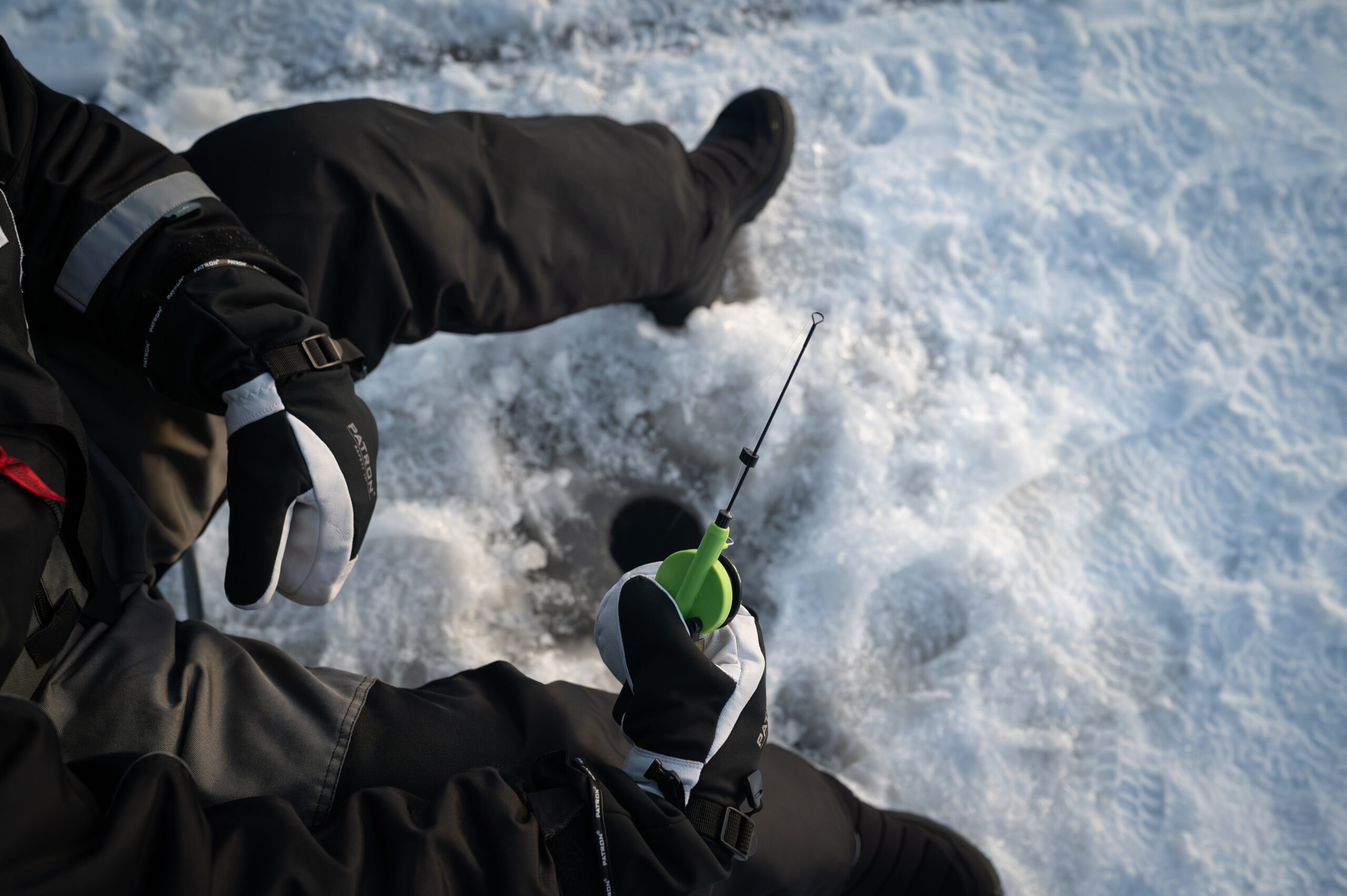
Film crews often arrive in Rovaniemi with a drone in the case and a question: can we fly it? The honest answer is: probably, if you register, pass the exam, stay within the limits and check the zones, but check Traficom before flying.
This guide summarises Traficom’s drone pages as we read them in November 2026, with the registration steps, open-category limits and the zones that matter near Rovaniemi. It is a summary for journalists and producers, not legal advice.
A drone of 250 g or more, or one with a camera, needs its operator registered with Traficom, and in the ‘open’ category you must stay below 120 m, within line of sight and at safe distances from people. Airports, military sites and the eastern border have extra restrictions, and Rovaniemi Airport is close to Santa Claus Village, so check Traficom and the official airspace sources before every flight.
The short rulebook for visiting crews
Finland follows the EU drone rules, applied by the Finnish Transport and Communications Agency, Traficom. The practical summary for a visiting crew is this: a drone that weighs 250 g or more, or any drone with a camera or another sensor that can record personal data, needs its operator to be registered; the pilot normally needs to pass an exam; and flying is limited by height, distance from people and a map of zones around airports and sensitive sites. Traficom says this applies whether you fly for hobby or professionally. Check Traficom before flying, because rules, zones and temporary restrictions change.
This guide summarises what the Traficom pages said when we read them in November 2026. It is not legal advice, and we are not drone operators; we are a couple living in Rovaniemi who see how often visitors ask about this.
Operator registration and who must register
Traficom says registration as a drone operator is required if you fly a drone weighing 250 g or more or a drone with a camera. A drone under 250 g without a camera, or one defined as a toy, does not require registration. The operator must be at least 18 years old; the remote pilot in Finland must be at least 12.
- Finnish citizens register in Traficom’s e-service using strong identification.
- Non-EU citizens can register in the e-service using the Finnish Authenticator application; Traficom says strong authentication for this can be requested from 8 January 2026.
- EU citizens are pointed by Traficom to the website of the European Union Aviation Safety Agency (EASA). If your company is registered in another EU country, check how that registration applies before you fly.
- The operator registration number (in the form FIN123456789012x) must be attached to the side of the drone, and the remote pilot’s certificate must be carried when flying, on paper or electronically.
| Service | Fee in Traficom’s e-service |
|---|---|
| Operator registration, 1 year | €40 |
| Operator registration, 3 years | €95 |
| Operator registration, 5 years | €125 |
| Online A1/A3 theory exam | €35 (free for private persons when registering online as an operator) |
Fees are as published by Traficom in November 2026 and can change.
The ‘open’ category: what you can do without special permission
Most film-crew drone work that stays small and simple falls in the ‘open’ category, which does not require a separate operational authorisation. Traficom lists the general conditions: the drone must not exceed 120 metres above ground or sea level; flights must be within visual line of sight; no dangerous goods or dropping of items; a safe distance from people, and no flights above assemblies of people; and the operation must take prohibited, restricted and danger areas and UAS geographical zones into account.
| Sub-category | Drone class and mass | Main limitation | Exam |
|---|---|---|---|
| A1 | C0 (under 250 g) or C1 (under 900 g) | C0 may fly over individual people but not over assemblies of people; for C1 no flight over uninvolved people is expected | C0: none required (recommended); C1: A1/A3 online exam |
| A2 | C2 (under 4 kg) | Safe distance of 30 m from uninvolved people, or 5 m with an active low-speed mode | A1/A3 exam plus the A2 additional exam |
| A3 | C2, C3, C4 (under 25 kg) | At least 150 m from residential, commercial, industrial or recreational areas; uninvolved people at least 30 m away and no closer than the flight height (‘1:1 rule’) | A1/A3 online exam |
In plain terms: a small camera drone can often be flown in the open category with an exam and registration, but a heavier cinema drone is a different matter. If your operation does not fit the open category, for example flying over crowds, beyond visual line of sight or with a very heavy drone, Traficom says it is subject to authorisation in the ‘specific’ category, based on either an EASA predefined risk assessment (PDRA) or your own SORA risk assessment. Operators in the specific category must always be registered.
Zones, airports and the places you cannot fly
Traficom says there are many places where drone flying is prohibited, for example nuclear power plants, oil refineries and state administration areas. Around airports, airfields and heliports, restrictive UAS geographical zones apply: flying there is only allowed under the requirements and conditions of the zone. These zones replaced the old national safety distances from 31 December 2020. If two restrictive zones overlap, you must comply with both.
For Rovaniemi, the important practical point is that Rovaniemi Airport is close to the city and to Santa Claus Village. From OpenStreetMap coordinates, the village lies only a few kilometres, roughly 2.5 km in a straight line, from the airport (our calculation). Expect zone restrictions around the airport and ask before planning any shot in that area, for example an aerial of the Arctic Circle line. We do not quote the zone dimensions here because they are set by Traficom and can change.
Traficom is clear that your drone’s built-in geofencing is no substitute: manufacturer restrictions do not automatically protect the pilot from airspace infringements, so check active prohibited, danger and restricted areas before every operation. The official sources it names are Finland’s Aeronautical Information Service (ais.fi) and, for a more convenient map view of the zones and temporary restrictions, the Flyk and Fintraffic Sky websites, which Traficom lists alongside the official information. Temporary restrictions, for example around events or military exercises, are published as AIP Supplements.
The eastern border and military sites
If your itinerary heads east, toward the Russian border, note two Traficom rules. The Air Defence Identification Zone (ADIZ) requires a drone pilot to submit a flight plan no later than one hour before the planned operation. Flying in the restricted area EFR100 along the eastern state border always requires a special permit from the Finnish Defence Forces. Aerial photography and inspection of military zones also requires authorisation from the Defence Command. Rovaniemi itself is not on the border, but some Lapland shoots go that way.
National parks, wildlife and people
Metsähallitus, which manages state-owned protected areas, notes that park regulations can apply to aircraft in national parks and strict nature reserves, and Film Lapland says drones may be restricted in some areas, particularly near protected or sensitive zones. In reindeer areas, think about the animals’ calving season and ask the herding cooperative before flying. Reindeer and wildlife can be disturbed by a drone, so a low pass for the shot is rarely a good idea.
On privacy, Traficom’s guidance is that you should not fly above people’s homes in a disturbing manner or publish photos of people without their consent, and that criminal law prohibits photographing or surveillance of people in private areas such as homes. Filming in public places is allowed, but publishing pictures in which one person can be recognised might not always be allowed.
A pre-flight checklist for crews
- Confirm your operator registration, the number on the drone and the pilot’s certificate.
- Decide the category: open A1, A2 or A3, or specific. If specific, apply early.
- Map your flight areas against prohibited and restricted areas and UAS geographical zones, and look for temporary restrictions.
- Check for permits on state-owned land and ask private owners and attractions.
- Plan for cold: batteries lose performance in low temperatures, so keep spares warm and expect shorter flights; test in the field before the main shot.
- Brief the crew on distances from uninvolved people and on stopping if people approach.
- Keep your paperwork in the vehicle and on a phone: registration number, pilot certificate and any permits, so you can show them quickly if asked.
For more on permissions on the ground, see our Rovaniemi tourism fact sheet for journalists and our press page.
FAQ
Do I need to register my drone in Finland?
If it weighs 250 g or more, or has a camera or another sensor capable of recording personal data, the operator must be registered, unless it is defined as a toy.
What is the maximum flight height in the open category?
120 metres above ground or sea level, within visual line of sight.
Can I fly near Rovaniemi Airport?
Restrictive UAS geographical zones apply around airports. Check the official sources and Flyk before flying, and expect restrictions near the airport and Santa Claus Village.
Do the rules differ for professional film crews?
Traficom says registration and exam requirements apply to hobby and professional users alike. Operations outside the open category need an authorisation.
What about the Russian border?
A flight plan is needed in the ADIZ at least one hour before, and EFR100 along the border needs a special permit from the Finnish Defence Forces.
Quotable · free to use with credit
“Check Traficom before flying, and then check again on the morning of the shoot, because temporary restrictions appear without much warning.”
— Joona & Alla, Hungrytravelfamily, Rovaniemi
“Your drone’s own geofence is not a legal check, so look at the official airspace sources yourself.”
— Joona & Alla, Hungrytravelfamily, Rovaniemi
“The best aerial shot in Lapland is the one you can still use, so register, read the zones and ask the landowner.”
— Joona & Alla, Hungrytravelfamily, Rovaniemi
Please credit “Joona & Alla, Hungrytravelfamily (hungrytravelfamily.com)”. Need a fresh quote or an interview? Contact us.
For journalists, TV & podcast producers
Working on a story about drone rules and aerial filming in Finland?
We’re Joona & Alla — we live in Rovaniemi on the Arctic Circle and both work in tourism marketing in Lapland. We can help with:
- On-camera interviews and expert comments in English (Joona also speaks Finnish)
- Story research, real prices and location ideas in Rovaniemi and Finnish Lapland
- Filming days and contacts with local husky, reindeer, snowmobile and northern lights operators
Send your outlet, topic, dates and deadline — we try to reply within 24 hours.
Email a media requestPress & media pageSources & further reading
- Operations in the ‘open’ category (Traficom)
- Registration and theoretical examination (Traficom)
- Where is flying prohibited? (Traficom)
- How to apply UAS geographical zones (Traficom)
- Operations subject to authorisation in the ‘specific’ category (Traficom)
- Respect people’s privacy (Traficom)
- Aeronautical Information Service Finland (AIS Finland)
- Permits for film productions in state-owned areas (Metsähallitus)
- Metsähallitus – Lapland’s national parks and forests (Film Lapland)
Get our best travel tips in your inbox
Monthly stories from Rovaniemi — Arctic tips, packing lists, and the places we keep coming back to.