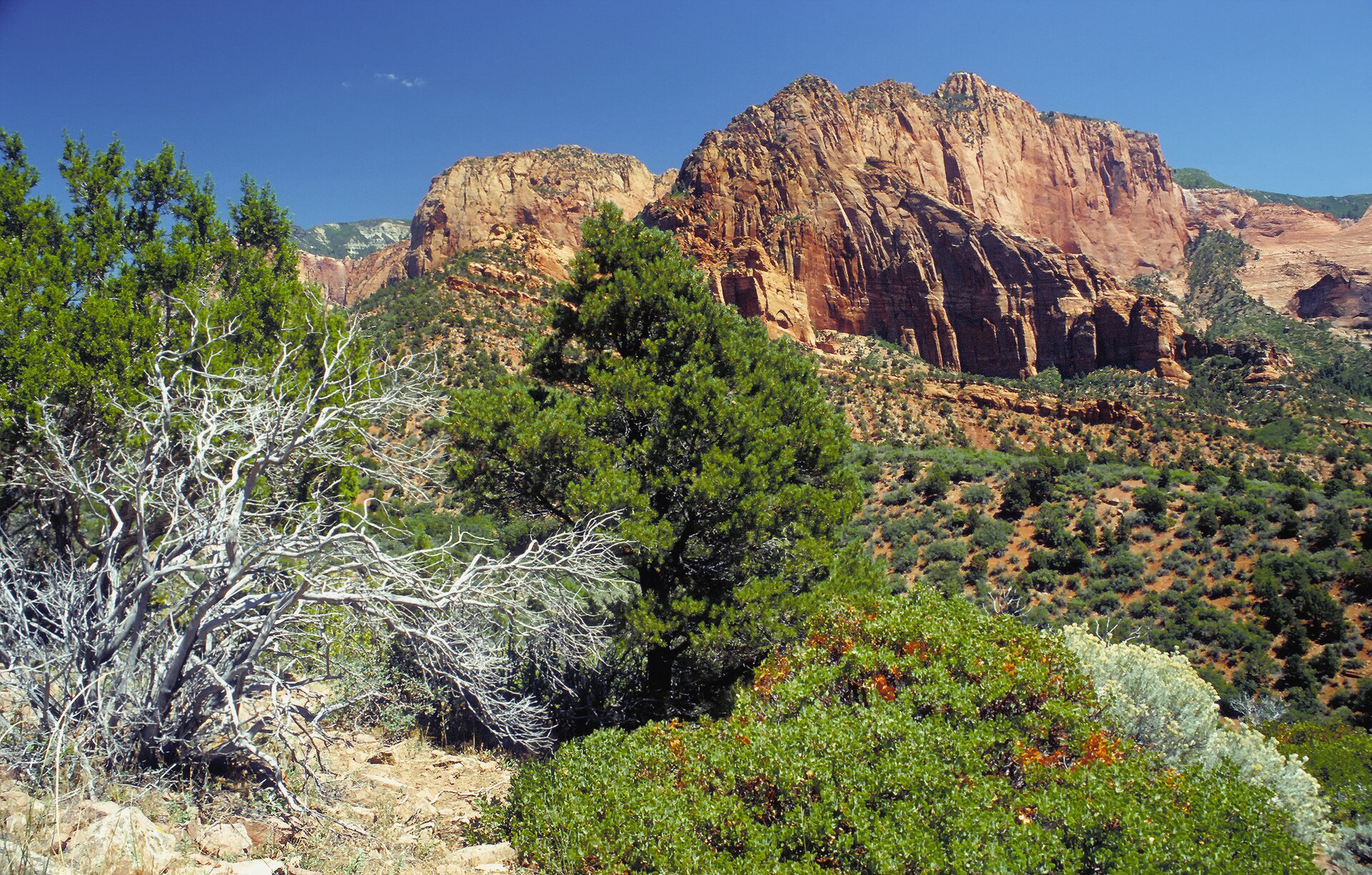
RV camping in US national parks is the dream version of an American road trip: wake up in a pine forest or a desert canyon, cook breakfast outside your own vehicle and walk to a trailhead. It is also the part of the trip that needs the most advance planning, because the best campgrounds are reservation-only, small and booked out months before the season.
We live in Rovaniemi, so this is a researched guide rather than a trip report. We have read the live data on CampervanPlanet’s USA RV page (price index from November 2026) and added stable knowledge about how the parks work, so you can plan for summer 2027. Campground rules and booking windows change, so confirm each detail on the official park pages.
Most popular national park campgrounds are bookable through the federal reservation system, commonly months ahead and often in a rolling window, so book campgrounds as soon as your dates are fixed. CampervanPlanet’s page shows RVs at about $98 to $115 a day in winter, $123 to $149 in spring and autumn and $150 to $188 in June to August. Our reader coupon HUNGRYTRAVELFAMILY20 takes €20 off at checkout.
How national park campgrounds work
American national parks have a mix of campgrounds. Some are reservation-only, some are first-come, first-served and some use a mix of both depending on the season. The popular ones, in places such as Yosemite, Grand Canyon, Zion, Yellowstone and Glacier, usually need a reservation in summer, and the sites are small and limited in number.
Facilities are simple compared with a private RV park. Many national park campgrounds offer a flat pad, a picnic table, a fire ring, shared toilets and a water tap, but no hookups for power, water and sewer. You rely on your RV’s tanks and battery, and on the park’s dump station. This is why the size and type of RV matter, and why a compact vehicle can be more comfortable in a park than a large Class A.
If you are still choosing vehicles, our guide to campervan vs motorhome vs RV explains the differences.
When and where to reserve
Reservations for most federal campgrounds are made online through the national recreation reservation system (recreation.gov). Many campgrounds release sites in a rolling window, commonly up to six months ahead, with new dates opening at a fixed time each day, and popular sites can sell out within minutes. Some campgrounds release a share of sites closer to the date, which gives a second chance, and cancellations appear all the time.
The practical rule is simple: decide your dates, check each campground’s booking window, set a reminder for the release time and book your first-choice campground the moment it opens. Check the maximum RV length for each site, because many older campgrounds were designed for smaller vehicles, and a 30 foot RV may not fit. Also check generator hours and quiet-hour rules before you rely on air conditioning.
Our guide to when to book a campervan for summer 2027 explains how far ahead to book the vehicle itself.
Timed entry, parking and gate access
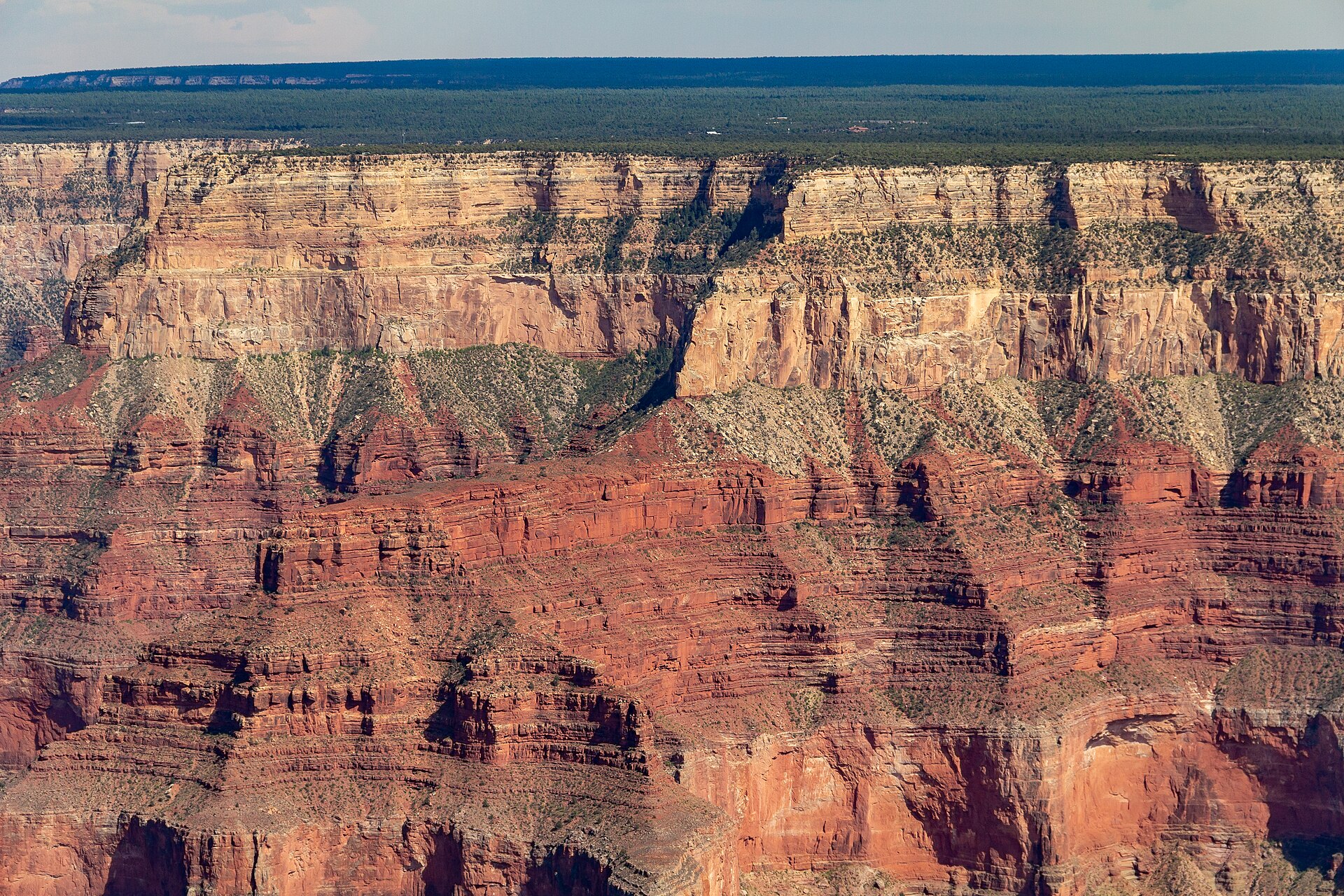
Campground reservations are only part of the planning. Some parks have used timed-entry or vehicle reservation systems in busy periods, and parking at popular trailheads and viewpoints fills early in the day. Rules change from season to season, so check the park’s website a few weeks before you arrive and plan activities for early morning or late afternoon.
Also check whether the park’s roads accept large RVs. Some scenic drives and tunnels have length and height limits, and narrow switchbacks can be difficult for a large vehicle. For these parks, plan to park the RV at the campground and use shuttles or a car for the main viewpoints. The page’s route notes list the Pacific Coast Highway as an easy, 2WD-friendly route and the Utah Mighty 5 as a national-park loop from Las Vegas.
💡 Our campervan tip: prices for the same van vary a lot between rental brands. We compare the USA campervans across 160+ rental companies on CampervanPlanet — and code HUNGRYTRAVELFAMILY20 takes €20 off your booking.
Alternatives when campgrounds are full
Do not build your whole trip around a single campground. Alternatives include private RV parks and KOA-style campgrounds just outside park gates, which are easier to book and usually offer full hookups, state park campgrounds, which often have different booking systems and sometimes better availability, and dispersed camping on public land such as national forests and Bureau of Land Management areas, which is free or cheap but has no facilities and strict rules.
Gateway towns often have private parks within 30 to 60 minutes of the park entrance, and many visitors choose them for showers, laundry and power. For a Utah loop, see our Salt Lake City RV rental guide, and for the desert in winter see our Las Vegas winter guide.
Choosing the right RV for the parks

The best RV for national parks is usually the smallest one you can live in. A Class B camper van or a compact Class C is easier to park, fits more campground sites and uses less fuel, and a smaller vehicle makes narrow roads less stressful. If you have a family of four, a mid-size Class C is a good compromise. Large Class A motorhomes are better suited to private RV parks.
Ask the rental company about generator hours and any mileage limits. In CampervanPlanet’s USA price study, three companies include unlimited miles, while at the others a 500-mile pack costs $151 to $211, and cover that lowers your excess costs $13 to $41 a day. A park loop adds miles quickly, so factor this in. Our Salt Lake City RV rental page and Las Vegas RV rental page list the pick-up details for the two best-known gateways to the Utah and Arizona parks.
Costs and when to book the RV
CampervanPlanet’s page lists summer (June to August) at $150 to $188 a day, shoulder months (April to May and September to October) at $123 to $149 a day, and winter (November to March) at $98 to $115 a day, with the Southwest working year-round. Its October 2026 study found a typical $168 a day in summer against $104 in winter, for two people before extras.
For summer 2027, book the campgrounds as the reservation windows open, and book the RV soon after, since vehicles in popular pick-up cities also sell out for July and August. The CampervanPlanet USA price page shows the month-by-month picture, and code HUNGRYTRAVELFAMILY20 takes €20 off a booking made through our links.
Our planning order
First, pick your parks and dates. Second, check campground booking windows and length limits. Third, book campgrounds when they open. Fourth, book the RV, comparing at least three brands. Fifth, plan flexible days for weather and closures. Our our campervan rental guide explains the comparison step.
If you book through our links we may earn a commission, at no extra cost to you.
Book your the USA campervan
Compare prices across 160+ campervan and motorhome rental brands, get a free 1GB eSIM with every booking — and €20 off with code HUNGRYTRAVELFAMILY20.
Check prices & availability →Frequently asked questions
Do I need to reserve campgrounds in US national parks?
For popular parks in summer, yes. Many campgrounds are reservation-only through the federal reservation system, and sites often sell out months ahead.
How far ahead can I book a national park campground?
Often in a rolling window of up to six months, but each campground sets its own. Check the official page and set a reminder.
Do national park campgrounds have hookups?
Usually not. Most have a pad, table and shared facilities, so you rely on your RV’s tanks and battery and use the dump station.
What size RV fits in a national park campground?
Many sites suit vehicles under about 6 to 7.5 metres, but limits vary. Check the maximum length for each campground.
How much does an RV cost in summer?
CampervanPlanet’s page shows $150 to $188 a day in June to August, against $98 to $115 in winter.
Is there a discount code for CampervanPlanet?
Yes. Our reader coupon HUNGRYTRAVELFAMILY20 takes €20 off your booking at checkout on CampervanPlanet.