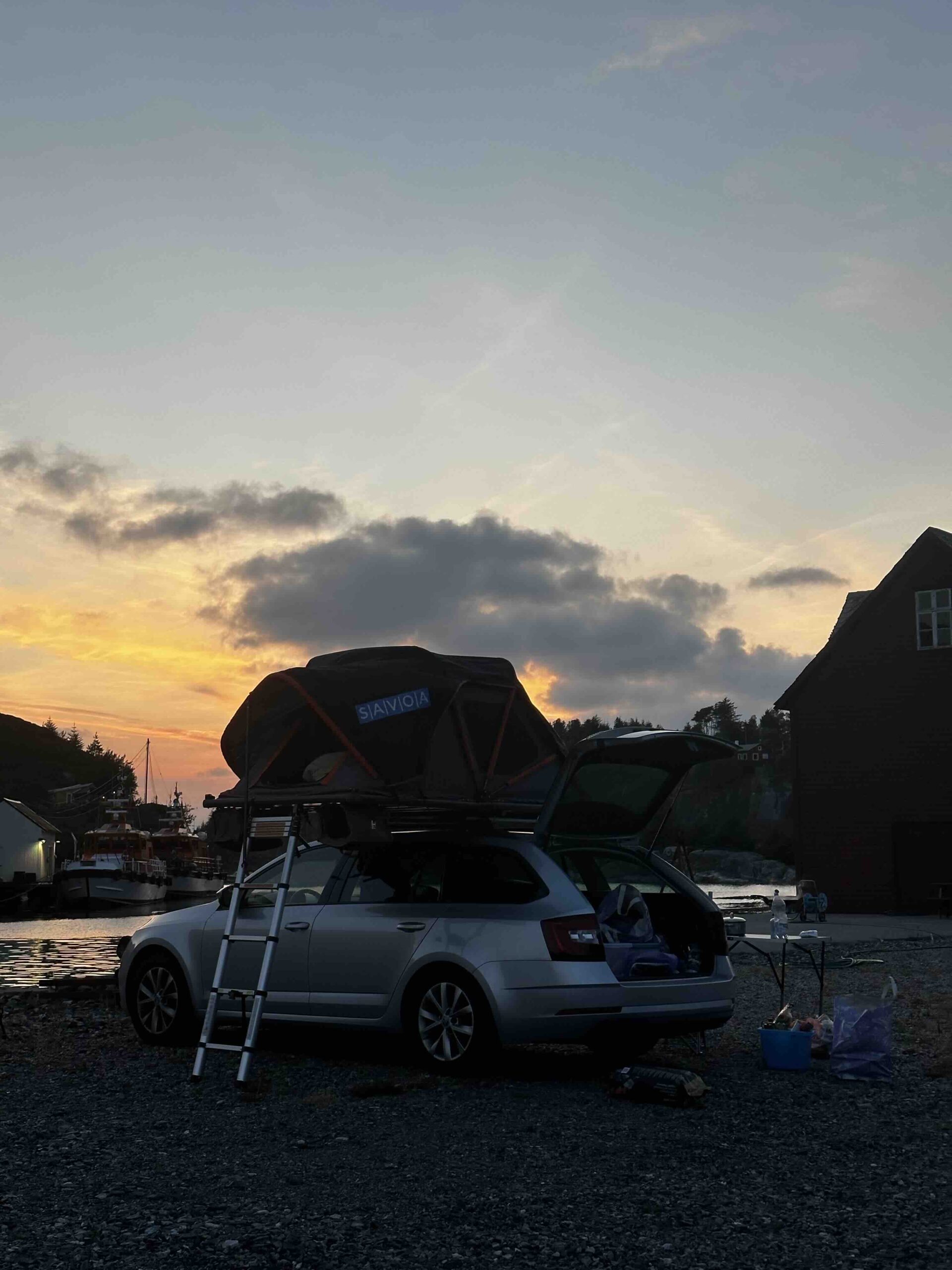
Every autumn we get the same question from readers who have fallen for the idea of a cosy December in Copenhagen: can you rent a campervan in Denmark in winter? The short answer is that you can, and for the right kind of trip it is great fun. For the wrong kind it is a cold, dark lesson in why campsites close.
We live in Lapland, so we have a soft spot for winter travel and a healthy respect for what cold does to a van. Denmark is far milder than Lapland, but it is not summer, and the honest picture is more mixed than most rental pages suggest. Here is what we would check before booking.
A winter campervan in Denmark is realistic for a short, Copenhagen-centred trip with a confirmed open campsite and electric hook-up. It is a poor idea for a long road trip, because most campsites and aires shut between November and March. Rates are not the problem; places to sleep are. Our reader code HUNGRYTRAVELFAMILY20 takes €20 off at checkout.
- What winter in Denmark actually looks like
- The real constraint: campsites close
- Heating, insulation and what to ask the rental brand
- Where a winter campervan trip is realistic
- When a cabin beats a van
- Costs: cheaper rate, different bills
- Driving in winter: short days, wet roads
- A winter checklist before you book
What winter in Denmark actually looks like
From November to March, Denmark is dark, cool and often damp. CampervanPlanet’s Denmark guide puts typical temperatures at roughly -2 to 5°C with about 7 to 9 hours of daylight. That is nowhere near Lapland, but it is cold enough that a vehicle with poor heating is miserable, and short enough days that your driving window shrinks quickly.
The upside is that Denmark in winter is genuinely charming, with Copenhagen’s Christmas markets, Tivoli’s seasonal opening and the whole country’s love of candles and hygge. If that is the trip you want, a van can be a fun base. If you want a big empty road, it is not the season.
Whatever you choose, remember the rule that applies all year: dipped headlights are mandatory day and night, and in the winter gloom you will be glad of it.
The real constraint: campsites close
The single most important fact about winter campervan travel in Denmark is that most campsites run from around May to October, and only about a quarter stay open all year. From November through March, most sites and motorhome aires shut, and wild camping is banned, so you cannot simply park up instead.
That makes the campsite, not the van, the thing to book first. Before you pay for a rental, find at least one site that is open on your dates, has electric hook-up and confirms in writing that it will take you. Phone or email; a website that has not been updated for the season is not proof.
This is also why a winter road trip across Denmark is hard to plan. You can build a base-camp trip, one or two nights each at open sites near Copenhagen, far more easily than a point-to-point journey that depends on a different place each night.
Heating, insulation and what to ask the rental brand
Not every van is built for cold nights, and winter specification is something you must ask about rather than assume. Questions we would put to the brand before booking:
- What heats the van, and does it run on diesel, gas or electric hook-up? How long does a gas bottle last on a cold night?
- Is the water system protected from frost, or should you expect to drain it if temperatures drop?
- Is the vehicle suitable for winter use at all? Some fleets are summer-only, and the booking page may not say.
- What tyres is it fitted with? As far as we know there is no blanket winter tyre rule in Denmark, but ask what the van is wearing and what the brand’s policy is on snow and ice.
- Which extras are included, such as bedding warm enough for the season?
If you get vague answers, treat that as an answer. A van without proper heating will leave you cold, and a cold van is a bad advertisement for any trip.
Where a winter campervan trip is realistic
Think small and central. The most workable plan is a Copenhagen-based trip: pick up in the capital, stay at an open campsite with hook-up, and use public transport for the city. Hillerød, Roskilde and the North Zealand castle country are short hops, so you can drive an hour, be warm in a pub or museum and return before dark.
The flat, short distances of Zealand help. You never leave the island, so there are no bridge tolls, and a day’s driving is rarely more than an hour or two. Jutland’s west coast in winter is a different story: exposed, windy and empty, with plenty of shut sites. We would only go there with a confirmed booking each night, and ideally not in a high-sided vehicle.
For a longer cross-country loop, our guide to the best time to rent a campervan in Denmark shows why May and September work so much better.
When a cabin beats a van
There are plenty of winter trips where we would skip the campervan altogether. If you want to see several parts of the country, if you are travelling with small children, or if you would rather not think about heating, gas and frost, a rental car and a cabin or hotel gives you a warm bed every night and a lot more flexibility.
The test we use is simple. Ask whether the van adds something the trip needs: independence, a mobile base, the fun of cooking in your own kitchen. If it does, book it. If it is just a nice idea, a heated cabin is cheaper, safer and easier on short winter days.
We would also compare the total cost honestly. A winter van rate may look appealing, but add open-site fees, heating fuel and the stress of a failed booking, and a cabin often wins on both money and comfort.
💡 Our campervan tip: prices for the same van vary a lot between rental brands. We compare Denmark campervans across 160+ rental companies on CampervanPlanet — and code HUNGRYTRAVELFAMILY20 takes €20 off your booking.
Costs: cheaper rate, different bills
Winter is the off-season for rentals, and daily rates are generally lower than in the June to August peak, though they are priced live by date so check your own dates. The saving is real, but it is partly offset by new costs: electric hook-up at a winter site, heating fuel, and the fact that the few open campsites may charge for the privilege of being open.
The ordinary Danish costs still apply. Diesel is pricey, roughly DKK 13–16 per litre, and a pitch for two adults runs about DKK 250–450 a night all-in at a campsite. Our guide on finding a cheap campervan rental in Denmark goes through where the real savings are.
To see what winter dates cost, the easiest route is to compare Denmark campervans on CampervanPlanet, and our reader code HUNGRYTRAVELFAMILY20 takes €20 off at checkout.
Driving in winter: short days, wet roads
Denmark’s winter roads are usually ordinary wet roads rather than snowy ones, but ice and frost do happen, especially on bridges and at dawn. Give a van plenty of braking distance, because it is heavier than a car, and watch for crosswinds on the Great Belt bridge, which costs about DKK 250 (around €34) one-way for a car or small camper as a rough guide, with larger motorhomes paying more by length.
With only 7 to 9 hours of daylight, plan your drive for the middle of the day and arrive at your campsite before dark. Reversing a van onto a pitch in the dark and drizzle is nobody’s favourite.
If you are collecting from Copenhagen, build in an easy first day. Pick up, buy groceries, drive to the site and settle in before it is dark.
A winter checklist before you book
Here is the sequence we would follow, in order.
- Choose your dates and find an open campsite with electric hook-up for every night.
- Confirm the booking in writing, including check-in times in the dark months.
- Ask the rental brand about winter heating, frost protection and tyres.
- Read the deposit and insurance conditions, and check the excess.
- Price a cabin or hotel plus rental car for the same dates and compare totals.
- Only then book the van, and apply the code HUNGRYTRAVELFAMILY20 at checkout for €20 off.
If every step feels easy, a winter van trip is for you. If step one is already painful, that is the answer.
Book your Denmark campervan
Compare prices across 160+ campervan and motorhome rental brands, get a free 1GB eSIM with every booking — and €20 off with code HUNGRYTRAVELFAMILY20.
Check prices & availability →Frequently asked questions
Can you rent a campervan in Denmark in winter?
Yes, some fleets operate in winter, and a short Copenhagen-based trip can work well. The main limit is campsites: only about a quarter stay open all year, and most close from November through March.
Are campsites open in Denmark in winter?
Mostly no. Most Danish campsites run from around May to October, and from November to March most sites and aires shut. Confirm an open site with electric hook-up in writing before you rent.
Can I wild camp in Denmark in winter?
No. Wild camping is banned in Denmark all year, so you need a licensed campsite or an aire that is actually open.
Do I need winter tyres in Denmark?
As far as we know there is no blanket winter tyre rule, but ask your rental brand what the van is fitted with and what its policy is for snow and ice, because conditions can change.
Is it cheaper to rent a campervan in Denmark in winter?
Daily rates are generally lower than in the summer peak, but open-site fees, heating fuel and the lack of free options can offset the saving. Check live prices for your dates.
Is there a discount code for CampervanPlanet?
Yes. Our reader code HUNGRYTRAVELFAMILY20 takes €20 off your booking and is entered at checkout on CampervanPlanet.
Keep your crypto offline, not in an exchange app
Any crypto we hold lives on a Trezor hardware wallet — a small offline device in a drawer in Rovaniemi, not on a phone that crosses borders every month. If you’ve been meaning to sort that out, this is the link we’d send a friend.