Is Germany a Good Summer Destination? (Beyond Oktoberfest)
We’ve driven Germany in July and explored it on a budget — here’s our honest take on whether Germany is a great summer destination, where to go, and what nobody tells you before you book.
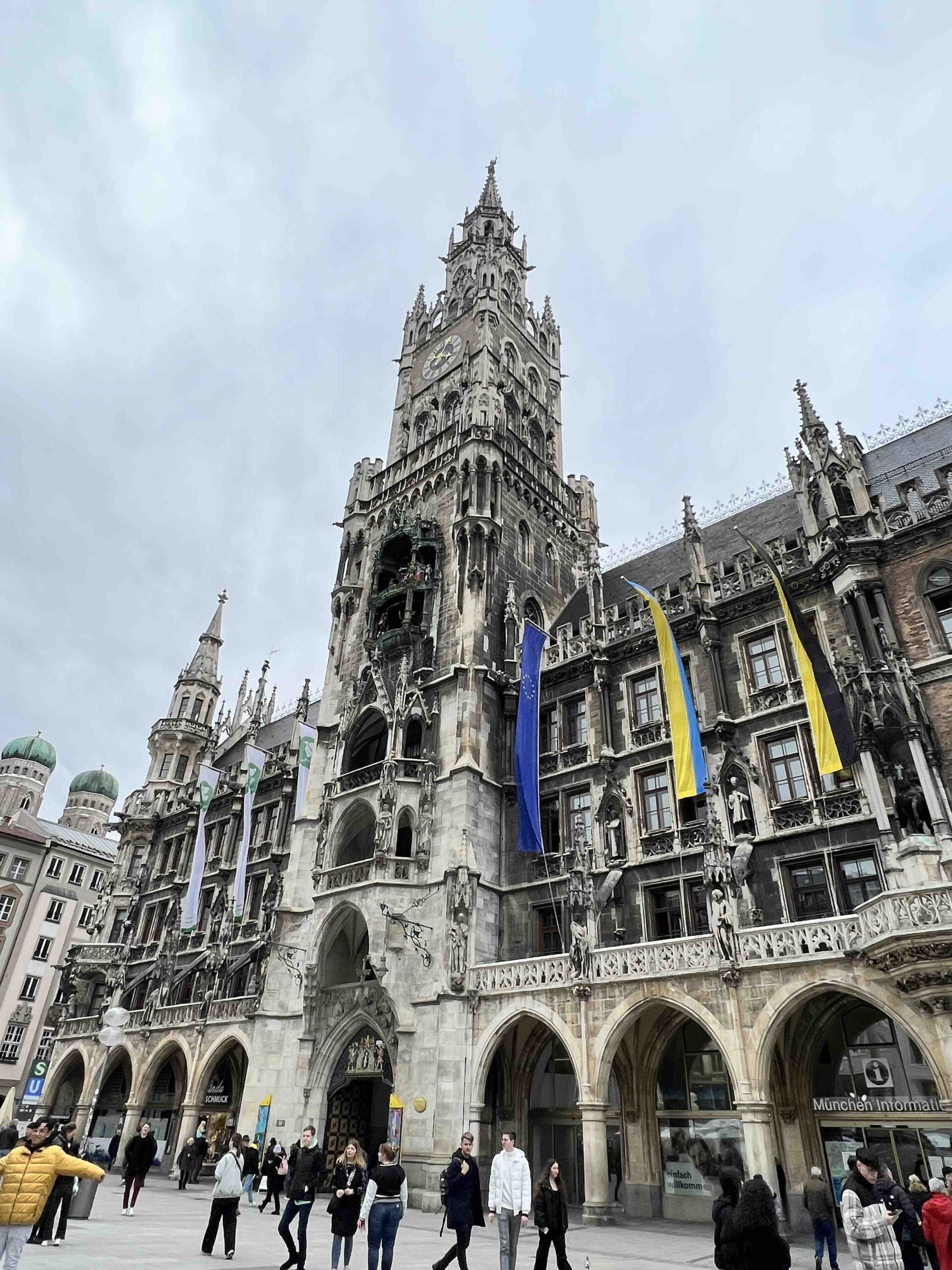
We drove through Germany one sweaty July with two overstuffed backpacks, no real plan, and a vague idea that it would be “like Central Europe but bigger.” What we found was a country that absolutely earns its reputation as a Germany summer destination — but not always for the reasons the travel guides give you. Forget beer tents and lederhosen (those are September). In summer, Germany belongs to cyclists, river swimmers, castle-hoppers, and anyone willing to wander off the main tourist trail.
This guide is our attempt to answer the question honestly: is Germany worth visiting in summer? And if so, where, when, and with what expectations?
Yes — Germany is an excellent summer destination, especially for outdoor lovers, history buffs, and budget travelers. July and August bring warm weather, long days, open-air festivals, and far fewer tourists outside the main cities. The best parts of Germany in summer are Bavaria, the Rhine Valley, the Baltic coast, and the Black Forest — and most of it is very manageable on a moderate budget.
Why Germany works as a summer destination
We’ve been to Germany multiple times, coming from the Arctic in Finland — so our bar for “good summer weather” is admittedly low. But even by any European standard, German summers are legitimately pleasant. Temperatures sit between 22–28 °C in most regions, evenings cool down, and the daylight hours are generous this far north.
The case for Germany in summer
- No beach-crowd chaos. Most tourists think of Germany as an autumn and winter destination (Oktoberfest, Christmas markets). That means summer visitors face thinner crowds, especially outside Berlin and Munich’s Marienplatz.
- Outdoor life explodes. Beer gardens, open-air concerts, lake swimming, cycling networks, and forest hiking all come alive between June and August. Germans take summer seriously — and the infrastructure shows.
- Festivals and markets everywhere. Every town seems to have a summer wine festival, old-town market, or baroque music weekend. We stumbled into three in one week without planning any of them.
- Train and bus connections are excellent. The Deutsche Bahn network means you can move between cities quickly and cheaply, and regional transport cards often cover entire states for the day.
The honest caveats
- German cities rarely have air conditioning. Heatwaves (increasingly common in recent years) can make urban exploring genuinely uncomfortable — plan outdoor time for morning and evening.
- July and August in Munich, Berlin, and the Romantic Road attract significant tour groups. Go early or go late in the day for the main sights.
- Some smaller guesthouses and regional trains require booking well in advance in peak summer — Germany isn’t as spontaneous as Southeast Asia.
Best regions to visit in Germany in summer
Germany is large, and the summer experience varies enormously by region. Here’s how we’d slice it:
Bavaria — lakes, mountains, and genuine Gemütlichkeit
The south is the showstopper in summer. The Bavarian Alps turn green, the lakes (Chiemsee, Ammersee, Königssee) reach swimmable temperatures, and Neuschwanstein finally looks like the fairy-tale castle it claims to be without a snow blizzard in front of it. Munich’s English Garden is one of Europe’s best urban parks — locals actually surf the river wave there. Book accommodation early; this is the most popular summer region.
The Rhine Valley — castles and wine at a human pace
The stretch between Bingen and Koblenz is extraordinary in summer. You can cycle the riverside path while medieval castles loom above vineyards, stop for Riesling in village wine bars, and catch a ferry across the river. We did this on a warm July afternoon and it felt genuinely magical. The towns are small and walkable, accommodation is reasonably priced, and it’s easy to combine with Cologne or Frankfurt on either end.
The Baltic and North Sea coasts — underrated by non-Germans
Most international travelers don’t think “Germany” when they think “beach.” But Rügen, Usedom, and Sylt draw millions of German vacationers every summer for a reason. The water is cold by Mediterranean standards but manageable in July and August. The seaside architecture — all white Bäderarchitektur villas and wicker beach chairs — is genuinely charming. This is where Germany relaxes, and you feel it.
The Black Forest — cooler, quieter, slower
When the rest of Germany bakes in July heat, the Black Forest sits at altitude and stays pleasantly cool. Long forest walks, cuckoo-clock villages, and excellent regional food (yes, there’s actual Black Forest cake). Freiburg im Breisgau is one of Germany’s sunniest cities and a great base. This region rewards travelers who slow down — it’s not made for rushing.
Related read Planning a multi-country Central European trip? Our Hungary summer guide pairs well with a Germany itinerary — Budapest is just 8 hours by train from Munich.
Germany summer travel: quick-reference
- Best months: June and early September for fewer crowds; July–August for the full summer programme but more tourists.
- Average summer temperature: 20–28 °C in most regions; Alps and Black Forest are cooler (14–22 °C).
- Getting around: Deutsche Bahn rail network is extensive; the €49 Deutschlandticket covers regional trains, trams, and buses across the whole country for one monthly fee.
- Budget: Mid-range (€70–120/person/day for accommodation, food, and transport). Cheaper than France or Scandinavia, more expensive than Eastern Europe.
- Best cities for first-timers: Munich (Bavaria gateway), Berlin (urban culture), Cologne (Roman history + Rhine), Hamburg (maritime cool).
- Best for avoiding tourists: Erfurt, Regensburg, Bamberg, Lübeck — all stunning, all undervisited.
- Language: English is widely spoken in cities and tourist areas. Rural Bavaria and eastern states less so — a few words of German go a long way.
- Family-friendly: Very. Playgrounds everywhere, clean public toilets, safe cities, good ice cream.
Get our best travel tips in your inbox
Monthly stories from Rovaniemi — Arctic tips, packing lists, and the places we keep coming back to.