Norway vs Iceland: Which Is Better for a Summer Coolcation?
We’ve done both — fjords in Norway and the Ring Road in Iceland — in summer. Here’s the honest breakdown for anyone trying to choose between them in 2026.
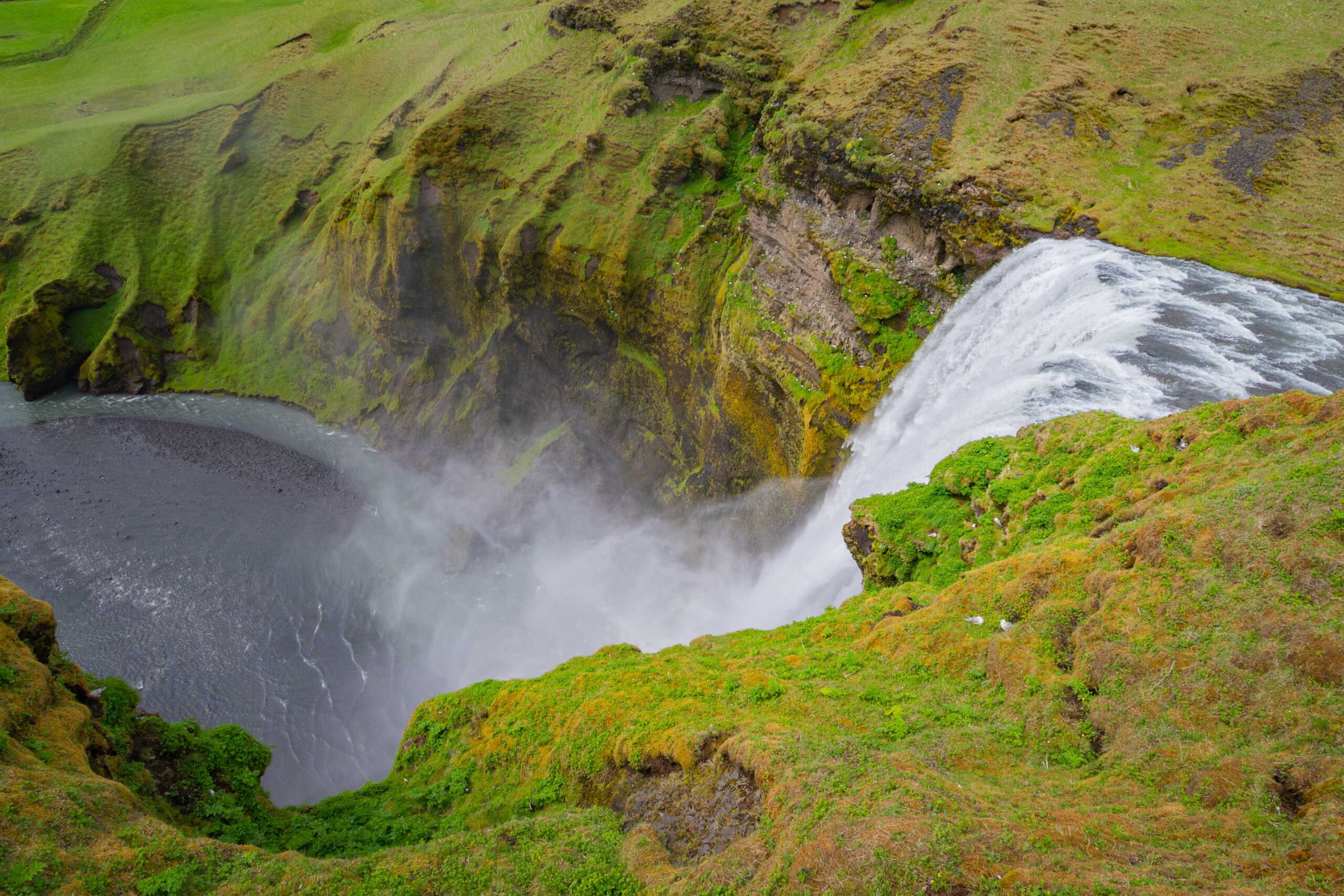
We get this question a lot. We live in Rovaniemi, Finland — which puts both Norway and Iceland within reasonable striking distance — and we’ve been to both countries more than once. When someone asks us “Norway vs Iceland summer”, we don’t give a single answer. We ask them two questions back: what do you want to feel, and how much time do you have?
This post is the honest comparison we wish existed when we were planning our own trips. It covers cost, landscapes, logistics, weather, crowds, and the one thing most “vs” articles get wrong.
Norway wins on dramatic fjord scenery, food culture, and ease of logistics. Iceland wins on raw wilderness, off-road freedom, and the sense that you’re on another planet. For a first-time Nordic summer coolcation, Norway is the safer bet. For a second trip or someone who wants remoteness over comfort, Iceland edges ahead. Budget-wise, they’re both expensive — but Norway is slightly cheaper when you factor in transport.
The core difference between Norway and Iceland in summer
Norway: polished Nordic beauty with infrastructure to match
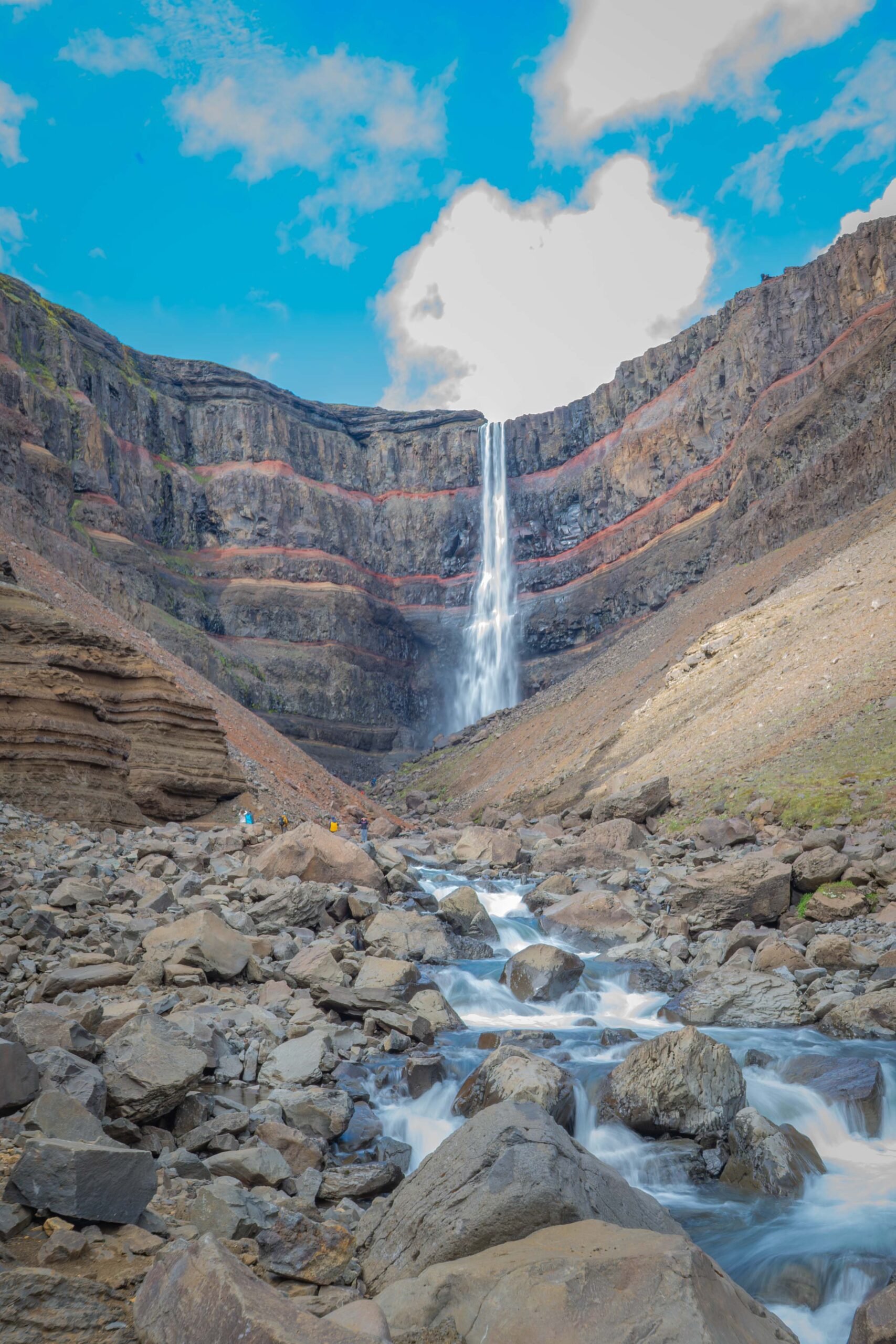
Norway’s fjords — Geirangerfjord, Sognefjord, Hardangerfjord — are genuinely among the most awe-inspiring landscapes on Earth. The country is easy to navigate: trains connect the main cities, ferries cross the fjords on schedule, and even remote areas have excellent roads. You can do a two-week Norway trip on public transport if you plan carefully, which is unusual for a Scandinavian country of this size.
- Best for: first-time Nordic visitors, couples who want a mix of towns and nature, anyone without a car
- Peak experience: a fjord kayak at midnight when the sun is still above the horizon
- Honest caveat: the most famous spots (Trolltunga, Preikestolen, Geiranger) are genuinely crowded in July — if that puts you off, you need a plan
Iceland: raw, otherworldly, best experienced slowly
Iceland is a different planet. Lava fields, geysers, waterfalls every 20 kilometres, black sand beaches, and in June you drive with the windows open at 11 pm while the sun hangs overhead. The Ring Road is one of the great self-drive routes in the world. But Iceland rewards patience: things are far apart, rental cars are expensive, and the weather will change mid-hike.
- Best for: road-trip lovers, photographers, nature purists, anyone who’s “done” mainstream Europe
- Peak experience: pulling over to a glacier lagoon with no other car in sight at 10 pm
- Honest caveat: without a car, Iceland is very difficult; without good weather, some key sights disappear into cloud

Cost comparison: Norway vs Iceland in summer 2026
Both countries are expensive. That’s not a myth. But there are real differences in where the money goes, and a few levers you can pull to soften the impact.
Norway: the costs that surprise people
- Accommodation: budget cabins (hytta) can run €80–120/night for two; mid-range hotels €150–200. Camping is legal and popular, but not always practical with luggage.
- Food: a sit-down dinner for two is €80–120 in most towns. Supermarkets are reasonable — we survived many Norway trips on Rema 1000 picnic food.
- Transport: this is where Norway is actually cheaper than Iceland. The train from Oslo to Bergen costs around €40–70 booked ahead; fjord ferry passes are well-priced. No car needed for a focused itinerary.
- Activities: most fjord hikes are free. Guided tours (kayak, RIB boat, climbing) add €50–120 per person.
Iceland: where the budget drains fastest
- Car rental: the non-negotiable. In summer, a basic 4WD runs €100–160/day including insurance. Split between two or four people, it’s manageable; alone it’s punishing.
- Fuel: Iceland’s gas prices are high and distances are long. Budget €40–60/day on fuel for a Ring Road loop.
- Accommodation: guesthouses €100–180/night; camping is cheap (€15–30) and very popular in summer, with designated sites every 50–100 km on the Ring Road.
- Activities: glacier walks €60–90 per person; Blue Lagoon around €65 entry; whale watching €80–100.
Related reading
The Best Coolcation Destinations in Europe for Summer 2026
If you’re still deciding on a Nordic country altogether, we ranked every coolcation option we’ve visited, including the Faroe Islands, Iceland, Norway, Sweden, Finland, and more.
Read the full guide →Quick-reference comparison table: Norway vs Iceland in summer
| Factor | Norway | Iceland |
|---|---|---|
| Average daily budget | €100–150 / person | €130–180 / person |
| Car required? | No (train + ferry work) | Yes, essential |
| Best weather window | June – August | June – August |
| Crowd level at peak | High at key spots | More spread out |
| Midnight sun quality | Northern Norway only | Entire country in June |
| Food scene | Strong | Limited outside Reykjavík |
| Solo traveller ease | Easy | Difficult without car |
| Wildlife | Fjord seals, eagles | Puffins, whales, seals |
| “Wow” factor | Very high | Otherworldly |
| Best for first Nordic trip | Yes | Second trip onwards
|
Weather in Norway vs Iceland: what summer actually looks like
This section is important because it shifts the decision for a lot of people. Both Norway and Iceland are described as “unpredictable” — that’s true, but in different ways.
- Norway (June–August): the fjord region (Bergen, Flåm, Ålesund) is famously rainy. It’s not cold — expect 14–20°C in the fjords — but rain is likely at some point every few days. The further north you go (Lofoten, Tromsø area), the more variable it gets. Northern Norway in July can be spectacular or grey.
- Iceland (June–August): Reykjavík averages 10–14°C in summer, the north slightly cooler. Wind is the defining factor, not rain. Days can flip from sunshine to horizontal sleet in two hours. The south coast — where most tourists go — is often cloudier than the north.
- Our advice for both: layer aggressively. A windproof outer layer, a warm mid-layer, and a packable waterproof are non-negotiable for either country in summer, regardless of what the forecast says the night before.
- Best weather window: late June to mid-July for Iceland (most stable, midnight sun at full strength). Early July to early August for Norwegian fjords (fewer crowds than July peak, often better weather than June).
Which suits you better: Norway or Iceland?
Here is the comparison we’ve found most useful after asking dozens of fellow travelers about their trips.
- You should choose Norway if: you want a combination of towns and nature, you’re travelling without a car, you want reliable infrastructure, you love food and local culture, or this is your first time in the Nordic region.
- You should choose Iceland if: you have a car (or are splitting with friends), you want to feel genuinely remote, wildlife (puffins, whales, seals) is a priority, you love road trips, or you’ve already done Norway and want something wilder.
- Time matters: Iceland rewards slow travel. If you have 10–14 days, the Ring Road is doable and deeply satisfying. If you only have 5–7 days, Norway’s fjords are easier to experience at depth.
- The Faroe Islands wildcard: if remoteness and zero crowds are the priority and budget allows two flights, the Faroe Islands beat both. We’ve done it and it’s spectacular — but that’s a different post.
- Combining them: a Norway + Iceland combo trip is absolutely doable in 2–3 weeks, either by flying between Oslo and Reykjavík (cheap with Icelandair or Norwegian) or routing through the UK. It’s not budget travel, but it’s the best of both worlds.
Further reading
Iceland vs Faroe Islands: Which North Atlantic Escape in 2026?
If Iceland is calling but you want something even more remote, our Faroe Islands vs Iceland comparison breaks down costs, access, wildlife, and who each destination actually suits.
Read the comparison →Mistakes we made so you don’t have to
- Booking the car too late in Iceland. In June and July, rental cars in Iceland sell out weeks ahead — especially 4WDs. We learned this the hard way when we had to take a 2WD sedan that couldn’t access highland roads. Book 6–8 weeks ahead minimum.
- Underestimating fjord distances in Norway. The fjords look close on a map and are brutal in practice. Bergen to Flåm is an easy day. Flåm to Ålesund then Geiranger sounds simple until you realise it involves two ferries and five hours of driving. Build in buffer days.
- Skipping northern Norway. We spent two trips entirely in the western fjords before finally going north to Lofoten. Don’t make the same mistake. Lofoten in summer is genuinely one of the most beautiful places in Europe, and it’s less crowded than Geiranger.
- Not buying the Iceland camping card. If you’re doing the Ring Road in summer and camping at all, the €229 camping card pays for itself in four nights. We didn’t buy it our first trip and left money on the table.
- Over-scheduling Iceland’s south coast in one day. Seljalandsfoss, Skógafoss, Reynisfjara black beach, Jökulsárlón glacier lagoon — all in one day sounds achievable on paper. It’s exhausting and you end up rushing every single stop. Split the south coast over two days minimum.
- Trusting Norwegian rain forecasts. We learned to always check the hour-by-hour radar rather than the daily forecast in fjord country. Bergen rain can appear and vanish in two hours. “Partly cloudy” in a Norwegian forecast means many things.
Frequently asked questions
Is Norway or Iceland better for a summer trip in 2026?
Norway is the better choice for most first-time Nordic visitors: easier logistics, stronger food culture, and slightly lower daily costs. Iceland wins for road-trip lovers and anyone chasing total wilderness. Both are excellent — the right answer depends on your travel style and how much time you have.
Which is more expensive: Norway or Iceland?
Iceland is marginally more expensive, mainly because a rental car is almost mandatory and fuel costs are high. Norway can be done on public transport (trains + ferries), which significantly reduces costs. Day-to-day, accommodation and food are similarly priced in both countries.
Do you need a car in both countries?
In Norway, no — trains, ferries, and buses cover the main fjord regions well. In Iceland, yes — without a car, you’re limited to Reykjavík and tour-bus day trips. Renting a car (ideally a 4WD) is essentially mandatory for the Ring Road or any highland areas.
When is the best time to visit Norway or Iceland in summer?
For Iceland: late June to mid-July is the peak of the midnight sun and the most stable weather. For Norway: July is peak season; early August often brings better weather than June in the fjords. Both countries are busiest in July, so June offers better value and fewer crowds.
Can you combine Norway and Iceland in one trip?
Yes. Fly into Oslo, spend 5–7 days in the fjords, then fly Oslo–Reykjavík (often under €100 with Norwegian or Icelandair), and spend 7–10 days doing the Ring Road. It’s an ambitious 2–3 week trip but very achievable and deeply satisfying.
Is Iceland a good coolcation destination for summer 2026?
Absolutely. Iceland is one of the best coolcation options in Europe — average summer temperatures of 10–14°C, genuine wilderness, midnight sun, and none of the southern European heatwave risk. It ranks in our top three Nordic coolcation destinations alongside the Faroe Islands and northern Norway.
A final word from Rovaniemi
Living in Lapland means we think about Nordic travel differently than most people do. For us, both Norway and Iceland feel like extensions of the same northern world we inhabit — a world of long summer light, cold water, dramatic landscapes, and a kind of quiet that you can’t find further south.
If you’re sitting in a heatwave somewhere in central or southern Europe right now wondering where to escape, the honest answer is: both Norway and Iceland will give you exactly what you’re looking for. The difference is in the details — how you want to travel, what your budget allows, and whether you want the reassurance of infrastructure or the thrill of figuring it out as you go.
Our personal preference? We’d choose Iceland for a second Nordic trip and Norway for a first. But ask us again after we’ve finished our third lap of Lofoten, and we might say otherwise.
If you want more help planning, check out our full coolcation destination guide or our deep-dive on Norway’s fjords in summer. We’re here if you have questions — just drop them in the comments.
Joona & Alla, writing from Finnish Lapland
Joona & Alla
A Finnish-Ukrainian couple living in Rovaniemi, Finland. Joona is a marketing professional in Lapland tourism; Alla is an AI Engineer. Together we’ve visited 25 countries and share honest, locally-grounded travel writing from our home in the Arctic.
Read our full story →