Camping in the Faroe Islands: Rules, Tips, and What No One Warns You About
From a couple who’s camped across the Nordics — here’s exactly what the official rules say, where wild camping is actually allowed, and the practical things that will make or break your trip.
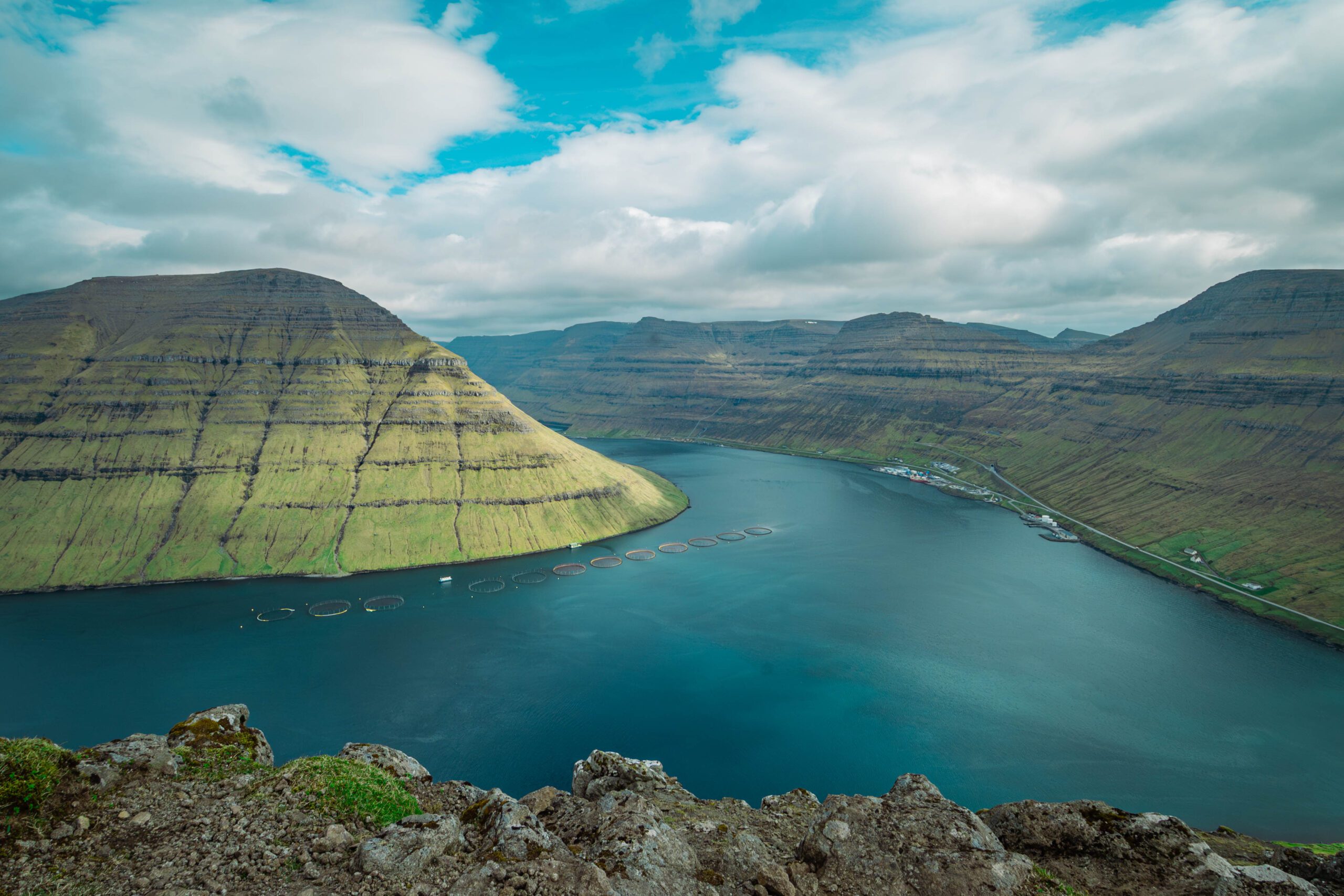
We’ve camped in Finland, Norway, Iceland, and Sweden — countries where the relationship between travellers and open land is defined and mostly respected. The Faroe Islands sit in a different category: jaw-dropping landscape, tight-knit communities, and camping rules that catch a lot of visitors off guard. Before our trip, we spent hours piecing together what’s actually permitted, what the locals expect, and what the signs mean when they’re only written in Faroese.
This is what we found — and what we’d tell any couple or family planning to camp their way around Vágar, Streymoy, and the outer islands.
Wild camping in the Faroe Islands is not automatically legal. The islands do not have Scandinavia’s allemannsretten (freedom to roam with overnight rights). You need landowner permission to pitch a tent on private land, which is most of the archipelago. Designated campsite are available on several islands, and some farmers actively welcome campers — but you need to ask first. Book ahead in summer, dress for Atlantic wind and rain, and leave no trace.
The actual legal situation — and why it matters more than in Scandinavia
No automatic freedom to roam overnight
The Faroe Islands are a self-governing territory within the Kingdom of Denmark, but they do not follow the Danish or Norwegian overnight camping rules. Norway’s allemannsretten gives you the right to camp for up to two nights anywhere in uncultivated terrain more than 150 metres from the nearest dwelling. That right does not exist in the Faroes in the same form.
Faroese land is almost entirely privately owned or community-administered. Most of the green hillsides, clifftops, and lakeshores you’ll want to camp on belong to a farmer, a village, or a family. Camping there without asking is technically trespass — and in a country where the local population is around 55,000, your tent on someone’s grazing land is very visible.
What the Visit Faroe Islands guidance says
The official tourism authority is explicit: camp only on designated sites or with explicit landowner permission. They have also, in recent years, asked visitors to stop pitching on Sørvágsvatn (the famous lake-over-the-ocean viewpoint) without permission, and to respect farm gates, stone walls, and grazing animals. This is not box-ticking — Faroese communities have seen a sharp spike in visitor numbers since around 2015, and the tension between access and land management is real.
- Camping on private land without permission: not legal, even if the land looks empty.
- Camping in a village or near a farm: almost always requires a direct ask — many farmers will say yes, especially if you’re polite and ask in person.
- Camping on official sites: straightforward, book or arrive early in peak season (June–August).
- Overnight parking (campervan): similar rules apply — designated areas exist, random roadside overnight stops in populated areas are discouraged.
Official campsites island by island — what’s open and what to expect
The good news: there are official campsites on most of the major islands, and the infrastructure has improved significantly in the last five years. These are not luxury glamping sites — expect basic facilities, sometimes just a toilet block and a water tap — but they’re affordable, legal, and often beautifully located.
Tórshavn, the capital, has a campsite within easy distance of the town centre. It’s the most reliably open option and serves as a base for day trips to Kirkjubøur and west Streymoy. Book ahead from late June onward.
Sørvágur village has basic camping, and it’s a useful first-night spot if you arrive late. This is also the island for Sørvágsvatn — stay at the official site rather than pitching near the viewpoint.
Several campsites dot the island, including near Gjógv, one of the most photogenic villages in the archipelago. The site at Gjógv fills fast — if that’s on your list, it’s worth arriving mid-week.
Accessible by ferry from Tórshavn (roughly 2 hours), Suðuroy has camping options and far fewer visitors than the northern islands. If you want a quieter experience, this is worth the extra ferry time.
Klaksvík on Borðoy is the second city and has a campsite. The outer northern islands are more remote — some have informal spots with landowner permission. Ask at the local community centre or a shop if you’re heading out there.
Mykines has a small guesthouse and limited camping. Access is by ferry or helicopter (weather-dependent), and the number of daily visitors is officially managed. Book both your transport and accommodation very early if Mykines is the reason you came.
The practical checklist — gear that makes or breaks a Faroe Islands camping trip
The Faroes sit in the middle of the North Atlantic. The weather is hyperlocal, fast-changing, and does not care about your summer plans. We’ve camped in Lapland in February, which prepares you for cold — but the Faroese combination of horizontal rain, Atlantic gusts, and zero shelter on open hillsides is its own thing.
What you actually need
- A four-season or genuine three-season tent: not a festival tent, not a cheap summer dome. The wind here is lateral and sustained. Look for a pole structure rated for strong gusts, with a full bathtub groundsheet and a proper vestibule for wet gear.
- Guy ropes and extra pegs: double your normal peg count. Faroese soil varies from soft turf to rocky ground; carry a mix of long V-pegs and small screw pegs.
- Full waterproofs, top and bottom: assume rain every day. Even in July, a dry sunny morning can turn to driving rain by noon. Soft-shell is not enough — go hard-shell on the outer layer.
- Merino base layers: temperatures hover between 5°C and 15°C most of the year. Damp cold is the main discomfort; wool manages it far better than synthetic base layers.
- A reliable gas stove with windshield: cooking outside in Faroese wind without a windshield is an exercise in frustration. A small integrated stove system (Jetboil style) is more practical than a separate burner and pan.
- Water filter or purification tablets: streams on the islands are generally clean, but having a backup means you’re not dependent on sites with taps.
- A dry bag for electronics: cameras, phones, and passports all need a waterproof layer inside your pack.
- Cash: some smaller campsite owners don’t take card. Bring a few hundred Danish krone (DKK) — the Faroese króna and Danish krone are interchangeable.
💡 Our campervan tip: prices for the same van vary a lot between rental brands. We compare the Nordics campervans across 160+ rental companies on CampervanPlanet — and code HUNGRYTRAVELFAMILY20 takes €20 off.
Weather patterns you need to build your plans around
The Faroe Islands get around 260 rain days per year. That statistic is less scary in practice than it sounds — most days have some rain, but many also have sunshine and clear skies in the same 24-hour window. The challenge is that the forecast is unreliable beyond about 24 hours, and conditions can change within the hour.
Month-by-month reality for campers
- May–June: our favourite window. Longer days (late June brings near-midnight light), temperatures mild, puffins arriving on Mykines from mid-May. Officially the start of tourist season so campsite facilities are open. Bring full waterproofs still.
- July–August: peak season. The most visitors, warmest temperatures (average 12–14°C), but also the most competition for campsite spots and ferry tickets to the outer islands. Book everything in advance.
- September: visitor numbers drop sharply. Weather is more mixed but often beautifully dramatic — storm light on the cliffs is extraordinary. Most campsites still open. This is a good window if you want quieter trails.
- October–April: very few official campsites operate. Wild camping with permission is possible but conditions are serious. Not recommended for first-timers.
Finding permission and camping wild responsibly
If you want to camp somewhere other than an official site — and the Faroes reward that kind of exploration — you need to ask. Here’s how that actually works in practice.
How to ask for camping permission
- Knock on the nearest farmhouse door: this works more often than you’d expect. Faroese people are generally friendly toward respectful travellers. Have a simple phrase ready — “May we camp here tonight?” in English is understood by most working-age Faroese. Be prepared to pay a small fee; some farmers ask for it, some don’t.
- Ask at the local shop or guesthouse: in smaller villages, the shop owner often knows who owns the land around the village and can point you to the right person or grant informal permission themselves.
- Contact Visit Faroe Islands in advance: their website has a list of farm stays and semi-wild camping spots that have been pre-arranged with landowners. It’s worth checking before you arrive.
- Respect a refusal: if someone says no, move on. A refusal doesn’t mean all of the island is closed — it means that specific land is not available tonight.
Leave no trace — it matters more here than almost anywhere
- Pack out every piece of rubbish, including food scraps. Faroese ecosystems have no natural decomposers for many imported foods.
- Use campsite toilets or bury waste at least 200 metres from water and 70 steps from any path. Carry a trowel.
- Do not light open fires. The Faroe Islands have almost no trees and fire risk is taken seriously. A camping gas stove only.
- Stay on marked paths near cliff edges — erosion on popular viewpoints like Trælanípa has increased sharply with visitor numbers.
- Close every gate you open. Faroese sheep farming is the backbone of the rural economy.
Mistakes we see other campers make in the Faroe Islands
- Assuming the same rules as Norway or Sweden apply. They don’t. The absence of automatic overnight access rights catches many Scandinavian-experienced campers off guard.
- Buying a one-man festival tent. Wind and rain will defeat it on the first night. Invest in a proper mountain tent before you arrive.
- Not booking ferry tickets to the outer islands early. The ferry to Mykines especially sells out weeks ahead in July. Sort this before you sort your campsite.
- Pitching near Sørvágsvatn without permission. It’s one of the most photographed spots in the Atlantic, and the land around it is actively farmed. The local community has explicitly asked visitors not to camp there without asking — respect it.
- Underestimating how fast weather changes. We’ve started a hike in sunshine and finished it in a whiteout. Always have your full waterproofs accessible, not buried in the bottom of your pack.
- Running out of cash. Card works in most places, but not everywhere, and signal drops in many of the valleys and outer islands.
Book your the Nordics campervan
Compare prices across 160+ campervan and motorhome rental brands, get a free 1GB eSIM with every booking — and €20 off with code HUNGRYTRAVELFAMILY20.
Check prices & availability →Frequently asked questions
Is wild camping legal in the Faroe Islands?
Not automatically. Unlike Norway or Sweden, the Faroe Islands do not have a legal right to camp overnight on private land without permission. Most land is privately owned. You can camp on official campsite or with explicit permission from the landowner — which many farmers will give if you ask politely and in person.
Do I need to book campsites in advance?
In peak season (July–August) yes, especially for popular spots like Gjógv on Eysturoy or the main Tórshavn site. In May–June and September, you’ll have more flexibility, but popular sites can still fill midweek in good weather. Check Visit Faroe Islands’ official campsite list for contact details.
What is the best time of year to camp in the Faroe Islands?
May and June are our pick — long daylight hours, puffins arriving on Mykines, and fewer visitors than July–August. September is excellent for dramatic light and quieter trails. Camping outside May–September requires serious cold-weather gear and most official sites will be closed.
Can I have a campfire in the Faroe Islands?
No. Open fires are not permitted. The Faroe Islands have almost no woodland, and fire risk to the heath and grassland is significant. Use a gas stove only — most official sites have cooking areas with wind protection.
How do I get to the outer islands — do I need a car?
Many of the main islands are connected by tunnel or bridge, and a car makes the trip far more flexible. The outer islands (Mykines, Suðuroy, some northern islands) require ferry or, in the case of Mykines, sometimes helicopter. Book ferries well in advance in summer, especially for Mykines.
Is the Faroe Islands expensive for camping?
Relative to the rest of Scandinavia, yes, but official campsite fees are modest — typically 100–200 DKK per night. The cost of food and transport is where it adds up. Self-catering and camping is the most budget-friendly way to do the islands; eating out in Tórshavn is comparable to Helsinki or Oslo prices.
A final word from Rovaniemi
We live in Lapland, which means we spend a lot of time thinking about the relationship between visitors and landscape. The Faroe Islands sit at an interesting moment right now — tourism has grown very fast, faster than the infrastructure and, in places, the communities wanted. The camping rules exist not to keep people out but to keep the land intact for the people who live there year-round.
Ask before you pitch. Close the gate. Take your rubbish with you. Those three things will make you welcome almost anywhere on the islands, and the people who grant you permission to sleep on their hillside will often become the most memorable part of the trip. That’s been our experience across 25 countries of slow travel: the permission conversation is usually the beginning of something good.
Pack your wind-rated tent, bring twice as many waterproof layers as you think you need, and book Mykines early. The Faroes will do the rest.
Joona & Alla
A Finnish-Ukrainian couple living in Rovaniemi, Finland. Joona is a marketing professional in Lapland tourism; Alla is an AI student. Together we’ve visited 25 countries and share honest, locally-grounded travel writing from our home in the Arctic.
Read our full story →