Automatic Campervans in Norway: What’s Actually Available, and When to Book
Manual is still the European default, so an automatic campervan in Norway takes a bit more planning. Here’s what we’ve learned about availability, the price gap, and how much it actually matters on fjord roads.
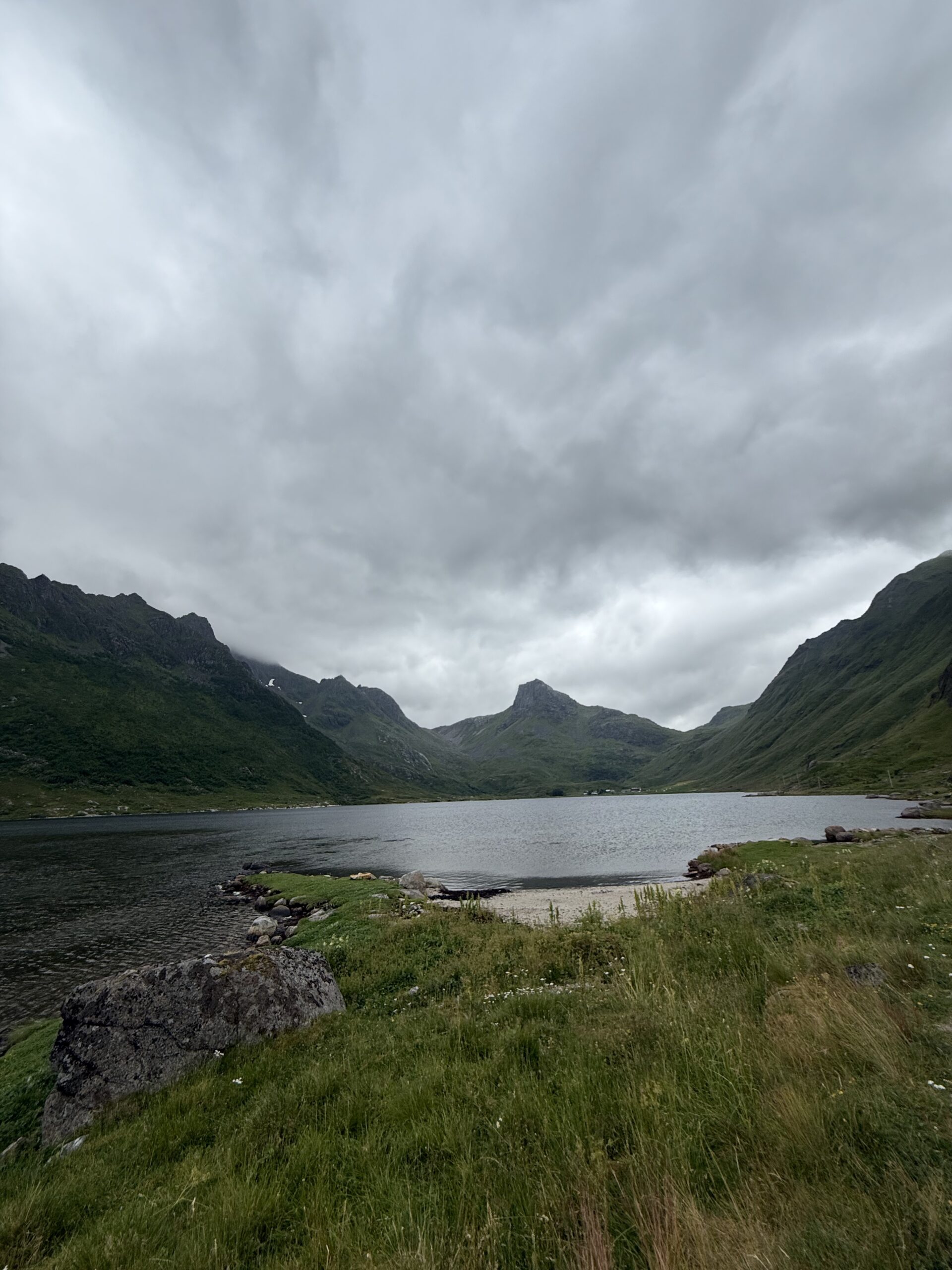
We’ve had more than one reader message us the night before a Norway pickup, mildly panicked, asking whether they’d definitely booked an automatic. It’s a fair thing to double-check — manual transmission is still the default across most of Europe’s rental fleets, campervans included, and Norway’s fjord roads are not where most people want to be relearning hill starts.
We’ve road-tripped Norway more times than we can count, in vehicles ranging from a manual rooftop-tent estate to a fully kitted-out campervan, so this is the honest version of what we’ve learned about automatic availability, what it actually costs extra, and whether you genuinely need one.
Automatic campervans exist in Norway’s rental fleet but are a minority, especially among smaller camper conversions, and they tend to sell out first in the June–August peak season. Expect to pay a bit more for one, and book as early as you can once your dates are fixed. You can compare campervan prices for Norway and filter by transmission before you commit — code HUNGRYTRAVELFAMILY5 takes 5% off whichever one you book.
Why automatic matters more in Norway than people expect
Norway’s fjord roads are genuinely some of the most spectacular driving anywhere in Europe, and also some of the most demanding. Hairpin descents down to sea level, steep gradients on the climb back up, and single-lane tunnels that pop you out onto a hairpin without much warning — none of it is dangerous if you’re paying attention, but it is a lot to manage at the same time as changing gear on a loaded campervan with a stranger’s clutch bite point you haven’t learned yet. An automatic removes one variable from an already busy few seconds, which is exactly why the question comes up so often.
To be clear: plenty of people drive Norway perfectly happily in a manual campervan every summer, us included on more than one trip. This isn’t a case for automatic being necessary. It’s a case for automatic being worth having if the option exists and the cost gap isn’t painful — which is what the rest of this post actually works out.
It’s also worth separating two different worries that tend to get bundled together: driving a campervan you’re not used to, and driving a manual gearbox you’re not used to. The first one applies whether or not your van is automatic — a taller, wider vehicle takes some adjusting to on narrow fjord roads regardless of transmission. The second is the one an automatic actually solves.
How common automatic campervans actually are
Across European rental markets generally, automatic transmission remains the minority option in campervan and small motorhome fleets, and Norway isn’t an exception to that pattern. Larger motorhomes built on newer van platforms are increasingly available with automatic as standard, but smaller panel-van conversions and older fleet vehicles skew towards manual only. We’d treat “automatic available” as something to actively filter for when comparing operators, rather than assume as a given — the fleet mix varies a lot between rental brands, which is exactly the kind of thing worth checking on a comparison site before you commit to one company.
This isn’t unique to Norway, either. We’ve noticed the same pattern renting across Sweden and Finland on our own trips — automatic is the exception rather than the rule outside the largest coach-built motorhomes, which is worth knowing if you’re comparing a wider Nordic route rather than a Norway-only trip. Our campervan rental guide covers the wider Nordic picture if that’s useful alongside this Norway-specific post.
If a Norway winter trip is on your radar rather than summer, it’s worth reading our notes on renting a campervan in Norway in winter as well, since fleet availability and road conditions both shift outside the main season — automatics can be harder still to find once studded-tyre-fitted winter fleets are the ones actually on the road.
The price premium, honestly
Automatic transmission commonly carries a rental premium across Europe, whether that’s a flat daily surcharge or simply a higher base rate on the automatic-equipped vehicles in a fleet, and Norway follows the same general pattern. We wouldn’t quote you an exact number here because it genuinely varies by rental brand and by how far ahead you book — which is the whole reason a comparison tool is more useful than picking the first operator you find. We compare Norway campervan rentals across many operators on CampervanPlanet, and checking the automatic-equipped options side by side against manual ones for your exact dates is the only reliable way to see the real gap for your trip. Code HUNGRYTRAVELFAMILY5 takes 5% off whichever you choose, which softens that gap a little either way.
When to book if you want one
If an automatic matters to you, book earlier than you would for a manual. Automatic-equipped vehicles are a smaller slice of the fleet, and in our experience the smaller slice sells out first once the June–August peak season fills up. May and September give you meaningfully better odds of availability, alongside the usual shoulder-season perks of thinner traffic on the fjord roads and lower prices generally. If your travel dates are fixed to peak summer, we’d book the vehicle before you book much else.
💡 Our campervan tip: prices for the same van vary a lot between rental brands. We compare Norway campervans across 160+ rental companies on CampervanPlanet — and code HUNGRYTRAVELFAMILY5 takes 5% off.
Which vehicle classes are more likely to have one
As a general pattern rather than a guarantee for any specific operator: larger panel-van conversions and coach-built motorhomes, often built on newer van chassis, are more likely to offer automatic as standard or as a selectable option. Smaller, older campervan conversions — the kind built into a compact van rather than a larger base vehicle — are more likely to be manual-only. If automatic is a priority and vehicle size is flexible for your group, widening your search to slightly larger classes can open up more automatic options than sticking rigidly to the smallest campervan category.
What the driving is actually like
Having done Norway’s fjord roads in both manual and automatic vehicles over different trips, the honest difference is smaller than the anxiety beforehand suggests. The single-lane tunnels are the part that catches most first-timers out more than the transmission does — you’ll meet oncoming traffic inside a tunnel more often than you expect, and knowing the passing-bay etiquette matters more than which pedal you’re using. The hairpins themselves are well-signed with gradient and speed warnings, and Norwegian drivers are used to slower rental traffic on these roads, so the pressure is mostly self-imposed. Where automatic genuinely earns its keep is on long, repeated hairpin descents where you’re braking and downshifting every few seconds for twenty minutes at a time — that’s the kind of driving where a clutch pedal becomes tiring rather than difficult.
The other thing worth knowing before you go: Norway’s toll roads and ferries are part of the route on most fjord itineraries, not an occasional extra, and they apply regardless of transmission choice. Renting a car-sized campervan rather than a large motorhome tends to keep both toll and ferry costs a little lower, since pricing on many routes scales with vehicle length — a separate decision from automatic versus manual, but one that often ends up in the same conversation when you’re choosing a vehicle class.
If you’re planning a longer route rather than a single fjord detour, our honest look at one-way campervan rentals in Norway covers a related decision worth making before you book: whether a one-way route is actually worth its usual repositioning fee.
Practical booking checklist
A few things worth confirming before you pay a deposit, beyond simply ticking an “automatic” filter: check that the specific vehicle you’re quoted is guaranteed automatic rather than “automatic on request,” since request-only allocations can and do fall through at busy operators; confirm the vehicle’s height and length against Norway’s ferry and tunnel restrictions, which matter more for larger automatic-friendly motorhomes than for compact vans; ask about winter tyre policy if you’re travelling in the shoulder seasons when snow is still possible in higher terrain; and check the excess insurance options carefully, since Norway’s roads are safe but a gravel chip or wing mirror on a narrow passing bay is a genuinely common minor claim. Comparing several operators for your exact dates, rather than booking the first automatic you find, is the most reliable way to avoid an unpleasant surprise on pickup day.
It’s also worth reading the fuel policy carefully regardless of transmission — “full to full” is the norm and the fairest option, but we’ve seen pre-purchased fuel deals marketed as a convenience that rarely work out cheaper once you do the maths on a week-long rental. None of this is unique to automatic bookings, but it’s the kind of small print that’s easy to skim past when you’re focused on securing the vehicle class you actually want.
Book your Norway campervan
Compare prices across 160+ campervan and motorhome rental brands, get a free 1GB eSIM with every booking — and 5% off with code HUNGRYTRAVELFAMILY5.
Check prices & availability →Frequently asked questions
Are automatic campervans hard to find in Norway?
They’re a minority of the rental fleet rather than genuinely rare, but they do sell out faster than manual options in the June–August peak season, so booking early matters more if you want one.
Do I actually need an automatic for Norway's fjord roads?
No — plenty of visitors drive Norway happily in a manual every year. An automatic simply removes some of the workload on long, repeated hairpin descents, which is a comfort factor rather than a necessity.
Is there a price difference for automatic transmission?
Usually yes, though the size of the gap varies a lot by rental brand and by how far ahead you book. Comparing operators for your exact dates is the only reliable way to see the real difference.
Which vehicle size is more likely to have an automatic option?
Larger panel-van conversions and coach-built motorhomes on newer chassis are more likely to offer automatic than smaller, older campervan conversions, though this varies by operator and fleet age.
When should I book to guarantee an automatic in summer?
As early as your travel dates are confirmed. Automatic-equipped vehicles are a smaller slice of the fleet and tend to be the first allocation to sell out once peak season demand picks up.
Does the HUNGRYTRAVELFAMILY5 code work on Norway bookings through CampervanPlanet?
Yes, the code applies to Norway bookings made through our CampervanPlanet link regardless of vehicle class, automatic or manual.