Budget Travel in Sweden: Simple Tips That Actually Work
Sweden has a reputation for being expensive — and honestly, it’s not entirely wrong. But after spending time road-tripping across the country, from Malmö to Abisko, we’ve figured out where the money goes and where it doesn’t have to. Here’s what budget Sweden travel actually looks like.
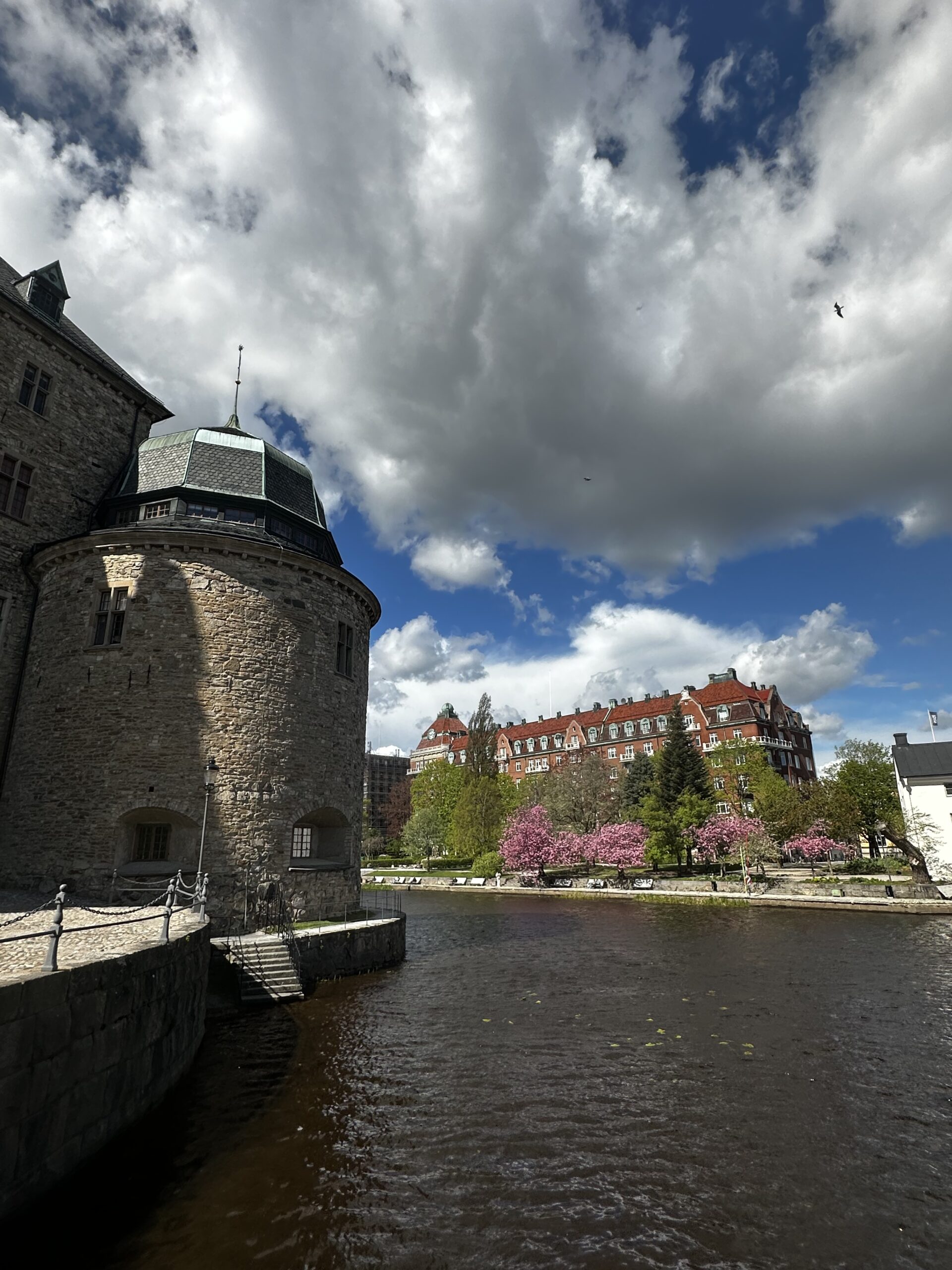
We live in Finland, which means Sweden is practically our neighbouring country — we’ve crossed by ferry, driven through, and explored it more times than we can count. And every time someone asks us “isn’t Sweden crazy expensive?”, our honest answer is: it depends entirely on how you approach it.
Yes, Stockholm restaurant prices can make you wince. But Sweden also has Allemansrätten — the freedom to roam — which means camping, swimming, and hiking are essentially free for everyone. The trick to budget Sweden travel is knowing which parts of the system work in your favour.
Budget Sweden is absolutely doable. Focus on free nature (camping, swimming, hiking), cook your own food where possible, travel by train with advance booking, and choose regional cities over Stockholm for accommodation. A realistic daily budget for two travellers moving around Sweden is €60–90 all-in.
What budget Sweden travel actually costs
Sweden is the fourth most expensive country in Europe by consumer price index, so you’re not imagining it — it really is pricier than Portugal or Greece. But the gap between budget and mid-range travel is unusually wide here, because so many of Sweden’s best things are free.
Realistic daily budgets for Sweden
Here’s what we’ve found from experience, per person per day:
- Shoestring (wild camping, self-catering): €25–35. This is genuinely achievable if you have a tent and cook all your own food. Sweden’s Allemansrätten makes sleeping in nature fully legal and completely free.
- Comfortable budget (hostel or budget cabin, mix of cooking and cafés): €50–65. Most budget travellers land here. One café stop per day, hostel bed or shared cabin, groceries for most meals.
- Budget with some comfort (private room, occasional restaurant): €80–100. This is where we usually operate — a private room in a regional town, breakfast from a supermarket, one sit-down meal every couple of days.
The biggest budget breakers in Sweden
Stockholm accommodation is the main culprit. Expect to pay €40–70 per person for a decent hostel dorm, and €120–180 for a private room. Our advice: spend fewer nights in Stockholm and base yourself in smaller cities where the same money gets you much more. Gothenburg, Malmö, Uppsala, and Västerås are all worth visiting and dramatically cheaper to sleep in.
Alcohol is another significant cost because of Sweden’s Systembolaget state monopoly — buying wine and beer in restaurants is brutal. Pick up anything you need from a Systembolaget store and enjoy it with a picnic instead.
Where to sleep without spending a fortune
Accommodation is where most Sweden budgets either hold or collapse. These are the options that have worked best for us.
Wild camping under Allemansrätten
This is Sweden’s greatest gift to budget travellers. Allemansrätten — the Right of Public Access — allows anyone to camp anywhere in nature for up to two nights, as long as you stay out of gardens and cultivated land, light no open fires during dry periods, and leave no trace. In practice, this means you can pitch a tent beside a lake, in a forest, or on a hillside completely free of charge. Sweden has about 100,000 lakes. You will not run out of options.
We’ve done this on the Kungsleden trail, along the Dalälven river valley, and beside a beach in the Bohuslän archipelago. It’s one of the best travel experiences Sweden offers — and it costs nothing.
STF hostels and mountain cabins
Svenska Turistföreningen (STF) runs a network of hostels and mountain cabins across Sweden. Quality is generally high and prices are reasonable — dorm beds from around €25, private rooms from €55. An annual STF membership (around €35) pays for itself quickly if you’re spending more than a few nights in their network.
Stugor (cabins) in campsites
Many Swedish campsites rent small wooden stugor — basic self-catering cabins — from around €40–60 per night for the whole unit. For two people travelling together, this often beats a hostel dorm and gives you a kitchen. Book ahead in July; Swedish Midsommar and the peak summer weeks fill fast.
The Sweden budget travel checklist
These are the moves that consistently save money on a Sweden trip. Run through this before you go.
1. Buy an SJ train pass or book tickets 90+ days out (50–70% cheaper than walk-up prices)
2. Get a Lidl / ICA Basic loyalty card — supermarket prices drop 10–20% for members
3. Download the Too Good To Go app — restaurants and bakeries sell surplus food for €3–6
4. Use Flixbus or Vy bus for intercity routes where trains are full or expensive
5. Visit Systembolaget for any alcohol — restaurant markups are steep
6. Swim at public beaches and lakes — they’re free, plentiful, and genuinely beautiful
7. Use Swedish museums’ free entry days — most state museums are free for under-19s; some are always free
8. Choose regional cities (Gothenburg, Uppsala, Örebro) over Stockholm for accommodation
The newsletter for people who travel more than they expected to
One email per month. Honest tips, tested routes, and the occasional mistake we made so you don’t have to.
Getting around Sweden on a budget
Sweden is large — larger than most visitors expect. Stockholm to Kiruna is roughly 1,400 km. The good news is that the transport system is extensive; the challenge is managing the cost.
- Train (SJ): The best way to travel comfortably between cities. Book 90 days in advance and prices are reasonable — Stockholm to Gothenburg can be €15–25. Walk-up tickets are expensive. The SJ app makes booking easy.
- Flixbus / Vy bus: Slower but significantly cheaper than trains, especially on popular routes. Good for Malmö–Gothenburg and similar southern routes.
- Rental car: Surprisingly affordable outside peak weeks, especially if you book through smaller agencies. Essential for the north of Sweden (Lapland, Abisko, High Coast) where public transport is sparse. Fill up at unmanned stations — they’re cheaper than staffed forecourts.
- Local city bikes: Stockholm, Gothenburg, and Malmö all have bike-share schemes. Ideal for city days. Most are affordable by the hour or with a day pass.
- Ferries: The Stockholm archipelago ferries are part of the local transit system — a transit card covers the inner archipelago, which makes island-hopping extremely affordable.
One insider move we use coming from Finland: the Helsinki–Stockholm overnight ferry (Tallink or Viking Line) often costs less than a Stockholm hotel night, includes a bed, and delivers you to the city centre in the morning. It’s a genuinely good deal.
Free things to do in Sweden
This is where Sweden really earns its budget destination credentials. The list of genuinely free experiences is long.
- Swim anywhere — Sweden’s public beaches and lakesides are free. The water quality is extraordinary, especially in the archipelago and in Dalarna’s lake region.
- Hike the Kungsleden — the King’s Trail in Swedish Lapland is free to walk. You pay only for STF hut overnights if you choose them; otherwise camp free under Allemansrätten.
- Explore the Stockholm Gamla Stan — the old town is free to walk and genuinely stunning. Skip the overpriced cafés and bring your own coffee in a thermos.
- Skansen open-air museum (free for under-16s) — adults pay, but it’s one of the most interesting open-air folk museums in Europe. Budget for at least one paid admission here; it’s worth it.
- Midnight sun in northern Sweden (June–July) — drive above the Arctic Circle and watch the sun move along the horizon at midnight. Costs nothing, looks extraordinary.
- Berrypicking — from late July, wild blueberries, lingonberries, and cloudberries are free to pick anywhere under Allemansrätten. This is a real Swedish pastime, not a tourist activity.
- ABBA Museum exterior walk — if you’re in Stockholm, the Djurgården island has free walking even if you skip the paid museum.
Budget food in Sweden: what we actually ate
Food is where most budgets either collapse or hold steady. Here’s our real approach to eating affordably in Sweden without subsisting on gas station sandwiches.
- ICA and Lidl for groceries: ICA is Sweden’s main supermarket chain; Lidl is cheaper. We shop at Lidl for pantry items and ICA for fresh produce. Budget around €6–10 per person per day for self-catering.
- Bakeries for lunch: Swedish bakeries — konditori — often have excellent lunch deals. A smörgås (open sandwich) or a soup-and-bread lunch for €8–12 is common. This is our main “eating out” category.
- Too Good To Go: The app is wildly popular in Sweden. We’ve picked up bakery boxes worth €15–20 of pastries for €3–4. Works best in cities.
- Systembolaget for drinks: A bottle of decent wine costs €8–12 at Systembolaget versus €25–40 at a restaurant. The math is obvious.
- Picnics as a deliberate strategy: Sweden’s landscape is made for eating outdoors. We buy good food from the supermarket and eat beside a lake or on a pier. It’s not a compromise — it’s genuinely the best way to experience the country.
Sweden’s landscape is made for picnics. Eating beside a lake with a thermos of coffee isn’t budget travel — it’s the local way.
Our budget Sweden mistakes
We’ve made all of these. Learn from them.
- Booking Stockholm accommodation last minute. We once paid nearly €160 for a dull private room in Stockholm because we didn’t plan ahead. Book at least 3–4 weeks out in summer, or switch to a regional base.
- Underestimating train booking lead time. SJ prices genuinely rise sharply as the travel date approaches. We once paid three times the early-bird fare for the same seat. Set a reminder to book the moment you know your dates.
- Paying full price at restaurants in Stockholm’s tourist core. Gamla Stan and the Södermalm waterfront are beautiful — and the restaurants know it. We now eat one proper meal per day maximum in the tourist zone, and cook or bakery-browse for the rest.
- Forgetting the ferry option. On one trip we flew Stockholm–Helsinki for €80 each when the overnight ferry was €45 and included a cabin. Always check the ferry first if you’re crossing between Scandinavia and Finland.
- Not getting a Systembolaget card early. It sounds minor, but the loyalty points add up if you’re in Sweden for a week or more. Sign up online before you arrive.
- Missing the free museum days. Several Swedish museums — including the National Museum in Stockholm — are free or have free afternoon slots. We’ve walked straight past the free entry window on more than one occasion.
Frequently asked questions
Is Sweden really more expensive than Norway?
Both are pricier than most of Europe, but Norway consistently beats Sweden for sheer daily cost — particularly for eating out and alcohol. Sweden feels slightly more accessible for budget travellers, partly because its supermarkets are cheaper and the wild camping laws are more permissive. If you’re comparing the two for a budget trip, Sweden is the easier choice.
What is a realistic daily budget for Sweden as a solo traveller?
Solo travellers face higher per-person costs because accommodation charges are per room, not per person. Realistically, expect €55–80 per day if you’re hostel-hopping and cooking most meals. Wild camping brings that down to €30–40. If you’re splitting costs with a partner or travel companion, the numbers drop considerably.
Can you travel Sweden cheaply without a car?
Yes, for the south and central regions. Stockholm, Gothenburg, Malmö, Uppsala, and the archipelago are all very manageable by train and bus. Northern Sweden — Lapland, Abisko, Kiruna — is harder without a car; public transport exists but is infrequent. If you’re heading north, renting a car for that section is worth the cost.
Is wild camping really legal in Sweden?
Yes, under Allemansrätten (the Right of Public Access). You can camp in nature for up to two nights in most locations without permission. The rules are: stay away from private homes and cultivated land, don’t light open fires in dry conditions, take all your rubbish with you, and leave the place exactly as you found it. It’s a genuine and widely respected right.
What’s the cheapest time to visit Sweden?
Shoulder season — May and September — offers the best combination of lower prices and decent weather. July is peak season and the most expensive time to visit, especially for accommodation. That said, July is also when the midnight sun reaches its maximum, berries are starting, and outdoor swimming is at its warmest. It’s worth planning around your priorities.
Are there budget airlines flying to Sweden?
Yes. Ryanair flies into Stockholm Skavsta and Gothenburg Landvetter from several European cities. Norwegian covers many routes. Wizz Air operates some Scandinavian routes too. The catch is that Stockholm Skavsta is about 100 km from the city centre, so factor in the transfer cost. Often, booking directly through the airline rather than aggregators gives better prices on the extras.
A final word from Rovaniemi
We live about five hours north of the Swedish border, and Sweden is one of those countries we keep returning to — not despite the cost, but because once you understand how to travel there, the value is extraordinary. The nature is free. The trains are reliable. The bakeries are excellent. And Swedes, as a people, are remarkably relaxed about wild camping, swimming, and taking up space in the landscape.
The version of Sweden that’s expensive is the one where you stay in Stockholm for a week, eat out every night, and buy drinks at restaurant prices. The version that works on a budget is the one where you move around, sleep in a lakeside tent or a small-town hostel, and let the landscape — which costs nothing — do most of the work.
If you’re planning a Scandinavian road trip and wondering whether to include Sweden, the answer is yes. Just plan ahead, book trains early, and bring a decent thermos. We’ll see you on the archipelago.
Keep your crypto offline, not in an exchange app
Any crypto we hold lives on a Trezor hardware wallet — a small offline device in a drawer in Rovaniemi, not on a phone that crosses borders every month. If you’ve been meaning to sort that out, this is the link we’d send a friend.
Joona & Alla
A Finnish-Ukrainian couple living in Rovaniemi, Finland. Joona is a marketing professional in Lapland tourism; Alla is an AI Engineer. Together we’ve visited 25 countries and counting — always hungry for travel, never for a food blog.
Read our full story →