What to Pack for Lapland in Winter (From a Couple Who Lives There)
We’ve spent every winter in Rovaniemi for years. Here’s the exact packing list we give visiting friends — and the mistakes almost everyone makes the first time.
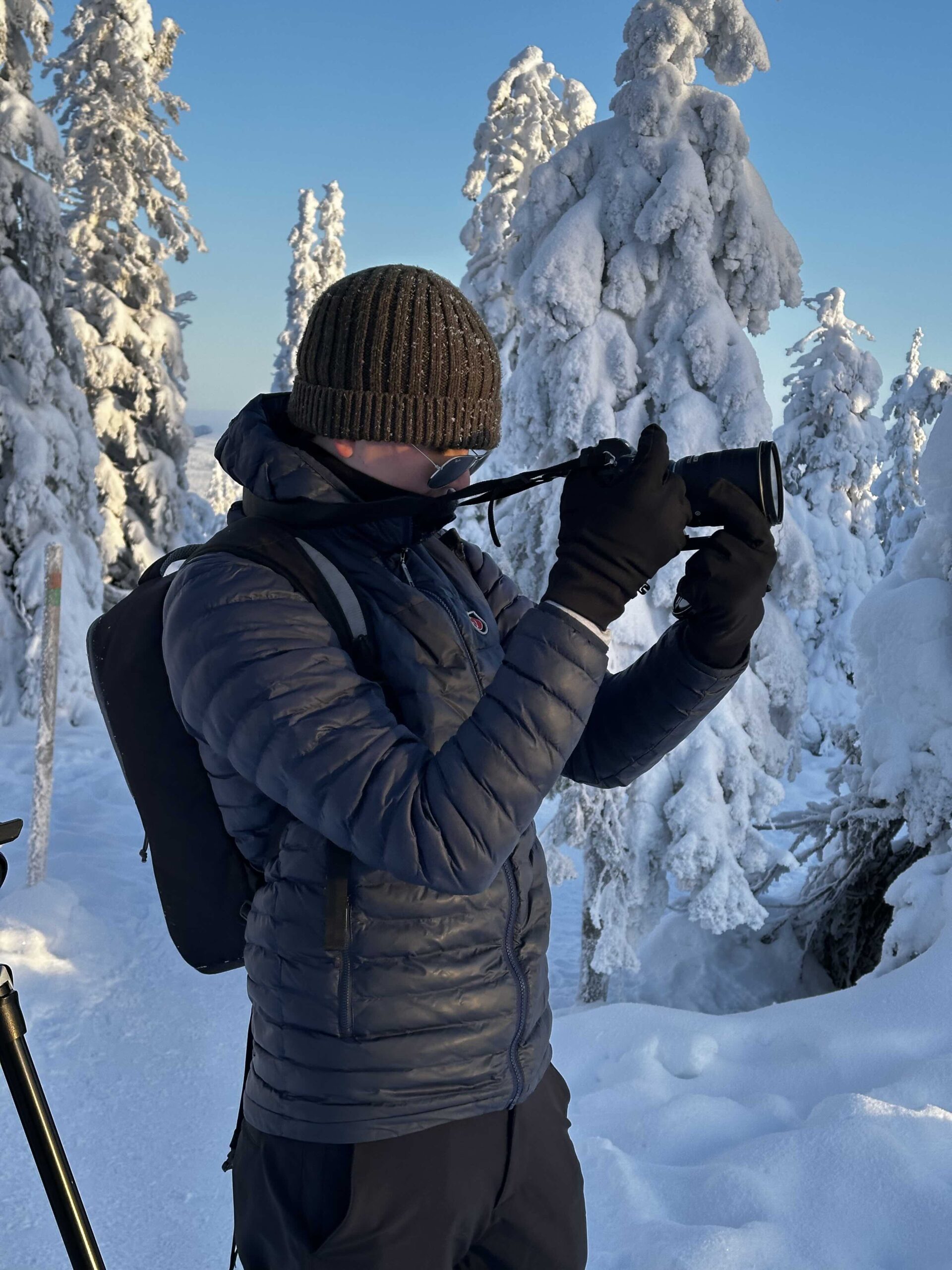
Every winter, friends and family ask us the same question before visiting: what do I actually pack for Lapland? And every time, we see the same mistakes — too many bulky suitcases, the wrong kind of boots, no balaclava. Lapland winters are genuinely cold. We’re talking −20 °C to −35 °C in January and February, and your comfort out there depends almost entirely on your layers.
This guide is what we tell everyone who visits us in Rovaniemi. It’s not a sponsored gear list — it’s what we’ve field-tested in years of living on the Arctic Circle.
To pack for Lapland in winter, you need a three-layer system (merino wool base, mid-layer fleece or down, windproof shell), insulated winter boots rated to at least −30 °C, and a balaclava or neck gaiter. Don’t bother packing a heavy suitcase of clothes — most visitors rent a snowsuit from their hotel. Focus on footwear and base layers; everything else is secondary.
The three-layer system: how to actually stay warm
Why layering beats a single thick coat
The biggest misconception visitors have is that one really big parka will do the job. It won’t — at least not on its own. The Finnish approach to staying warm is the same one used everywhere from Norwegian fishing villages to Antarctic research stations: you layer, and you manage those layers. When you’re on a snowmobile you get cold fast; when you’re hauling a kicksled you overheat just as fast. Layers let you adapt.
Layer 1 — Base layer
- Merino wool is the gold standard. It regulates temperature better than synthetic, doesn’t smell after a full day outdoors, and stays warm even if slightly damp from sweat. Brands like Icebreaker or Smartwool are worth the price.
- Avoid cotton completely. Cotton soaks up sweat, loses all insulating ability when wet, and takes forever to dry. In real Lapland cold, a wet cotton base layer is a safety issue, not just a discomfort.
- Pack a long-sleeve top and thermal leggings — both close-fitting. You’ll wear these every single day.
Layer 2 — Mid layer
- A fleece or light down jacket goes over the base layer and provides the core warmth. A 100g–200g down puffer or a thick fleece (Polartec 200 or similar) works well for most people.
- If you run cold, bring a down gilet as an extra mid-layer — it adds warmth without bulk on the arms.
Layer 3 — Shell / outer layer
- A windproof, waterproof shell jacket is what stands between you and the biting Arctic wind. It doesn’t need to be super warm on its own — the mid-layer does that job. It does need to block wind completely.
- Many hotels and tour operators in Lapland lend or rent full snowsuits, which replace the mid + shell layers in one. If you’re joining any guided activities, ask first — you may not need to bring an outer layer at all.
Footwear: the decision that makes or breaks your trip
We have seen more holiday misery caused by wrong footwear than by any other packing mistake. Standing at a reindeer farm in −28 °C in trainers or even casual ankle boots is genuinely dangerous, not just uncomfortable. This is the one area where you cannot compromise.
What your winter boots must have
- Temperature rating of at least −30 °C. Look for boots marketed specifically as winter or snow boots, not just “waterproof” hiking boots. Brands like Sorel, Baffin, Kamik, or Finnish brand Nokian make reliable options.
- A felt liner or heavy insulation. Thin synthetic insulation isn’t enough. You want something you could stand in for two hours on a frozen lake without discomfort.
- A grippy, lugged sole. Ice is everywhere in Rovaniemi from November to March. Smooth soles = falls. Many locals attach jäänaulat (ice cleats) to boots for extra grip; you can buy these cheaply at any Finnish hardware store.
- Ankle or mid-calf height. Snow in Lapland can be knee-deep off the packed paths. Low trainers will fill with snow in about thirty seconds.
Socks matter too
- Wear one pair of thick merino or wool-blend socks — not two thin pairs. Two pairs restrict circulation, which makes your feet colder, not warmer.
- Never wear cotton socks. Same rule as base layers.
Related read Planning what to do while you’re here? Read our complete local guide to Rovaniemi — written by the couple who actually lives there.
The complete Lapland winter packing list (quick reference)
Here is the exact list we send to friends before they visit. Save it, screenshot it, use it as a checklist.
Clothing essentials
- Merino wool base layer top ×2 (long sleeve, close-fit)
- Merino wool base layer leggings ×2
- Mid-layer fleece or light down jacket ×1
- Windproof, waterproof outer shell jacket ×1 (or rent a snowsuit on arrival)
- Waterproof ski or snow trousers ×1 (or rent)
- Thick wool or merino socks ×3–4 pairs
- Balaclava or neck gaiter ×1 — non-negotiable below −15 °C
- Warm hat (wool or fleece) ×1
- Insulated waterproof gloves or mittens ×1 pair
- Liner gloves ×1 pair (for phone use and layering under the main gloves)
Footwear
- Winter boots rated to −30 °C
- Optional: ice cleats (buy in Rovaniemi for €5–12)
Accessories and extras
- Moisturising lip balm and face cream — Arctic air is extremely dry
- Sunglasses or ski goggles — snow glare in January and February is intense
- Hand warmers — great for aurora hunting nights and long outdoor activities
- A small daypack or bum bag — you’ll want to keep your phone close and warm (cold drains batteries fast)
- Power bank — cold weather can halve your phone’s battery life
Get our best travel tips in your inbox
Monthly stories from Rovaniemi — Arctic tips, packing lists, and the places we keep coming back to.