Driving in Finland in Summer: What to Expect
From Helsinki ring roads to Lapland reindeer crossings — a practical guide to summer road trips in Finland from a couple who drives these roads every week.
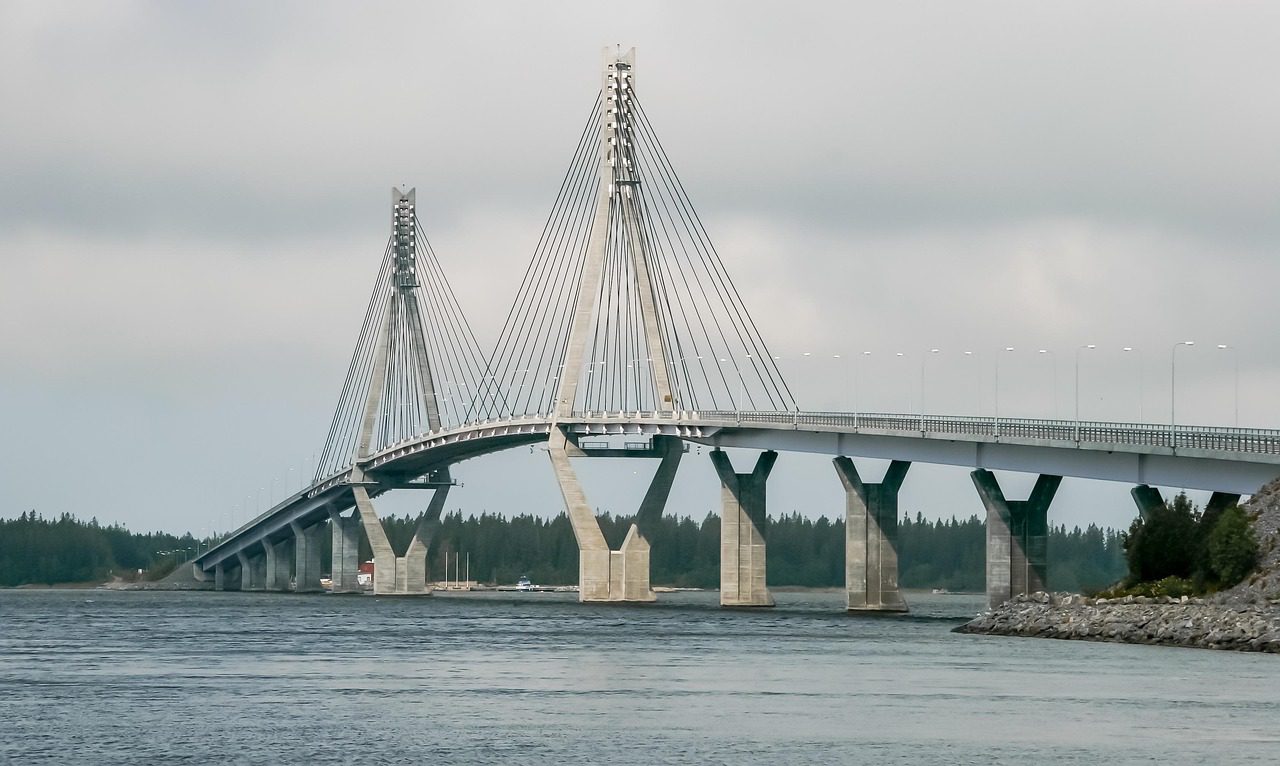
We drive several thousand kilometres across Finland every summer — trips to the coast, long weekends in national parks, the occasional haul all the way south to Helsinki and back. Road-tripping here is genuinely one of our favourite things about living in Rovaniemi. But we talk to a lot of visitors who arrive slightly anxious: different rules, reindeer on the road, unmarked gravel tracks, and a country that seems to be mostly forest and sky. So here is the honest, practical guide we wish someone had given us when we first started driving these roads.
Driving in Finland in summer is easy, scenic, and safe — roads are quiet, well-maintained, and clearly signed. Speed limits drop to 80–100 km/h on most rural highways, reindeer are a real hazard in Lapland, and the midnight sun means you can drive at 2 am in full daylight. An EU or international driving licence is all you need, and fuel stops are frequent enough on main routes that range anxiety is mostly unfounded.
- Rules of the road: what’s different in Finland
- Speed limits and what they actually mean in practice
- Reindeer, elk, and wildlife on the road
- Summer road conditions: gravel, roadworks, and flooding
- Driving in the midnight sun: light, fatigue, and logistics
- Fuel, rest stops, and services on longer routes
- Mistakes we made on our first Finnish road trips
- Frequently asked questions
Rules of the road: what’s different in Finland
Finland drives on the right and follows standard European traffic rules, so if you’ve driven in Germany, France, or Sweden you won’t feel lost. A few things are genuinely different — or at least more strictly enforced — than what visitors from further afield might expect.
Headlights on at all times
Finnish law requires headlights to be on at all times, day and night, year-round. This includes high summer when the sky is bright at midnight. Most rental cars set this automatically, but if yours doesn’t, put them on manually. Traffic police do check.
Priority rules at unmarked junctions
In residential streets and many rural side roads, the right-of-way goes to traffic approaching from the right unless a sign says otherwise. It is taken seriously — Finns expect you to yield even at very minor junctions. In practice, on main highways you will see priority signs everywhere, so it mostly matters in towns and residential areas.
Strict drink-driving limits
The legal blood-alcohol limit in Finland is 0.5 mg/ml, and penalties are severe. In practice, Finnish culture around driving and drinking is more conservative than the legal limit suggests — most locals simply won’t drink at all if they plan to drive.
Phone use while driving
Handheld phone use at the wheel is illegal and police use it for on-the-spot fines. Use a mount. The roads are long and the temptation to check the map is real — sort out navigation before you set off.
Child seat requirements
All children must travel in an approved restraint suitable for their size. Rental companies provide these on request — book in advance during summer, because availability runs thin in June and July when Finnish families are all on the road at once.
Speed limits and what they actually mean in practice
Finnish speed limits shift seasonally, and summer brings the highest limits of the year on motorways — up to 120 km/h on some stretches. Here is how to read the signs:
- 120 km/h — motorways (moottoritie) in summer only, usually marked with a yellow-background sign
- 100 km/h — standard rural two-lane highways (the majority of Finnish roads)
- 80 km/h — smaller regional roads, often gravel-patched or near populated areas
- 50 km/h — inside towns and villages
- 30–40 km/h — residential zones, especially near schools
Speed cameras exist but are not as dense as in the UK or Netherlands. What matters more practically is that Finnish drivers genuinely stick to the limits — if you are going 20 km/h over on an empty road, you will still stand out. There are also sudden limit drops in villages that arrive with very little warning, so scan ahead.
One thing that surprises visitors: the roads feel almost too quiet for the speed you are allowed. A 100 km/h two-lane road through boreal forest with no other cars is genuinely common outside urban areas. It can feel strange coming from densely populated countries, but just go with it.
Reindeer, elk, and wildlife on the road
This is the section we get asked about most, so we’ll be direct: reindeer on the road in Lapland are not a myth. They are a genuine daily hazard on many routes north of Oulu, and they kill or seriously injure hundreds of people per year in Finland and Scandinavia combined. Elk (moose) are statistically more dangerous — they are larger and harder to spot — but reindeer are far more frequent.
How to drive through reindeer country
- Slow down on any road marked with reindeer crossing signs — these appear on virtually every rural road in Lapland
- Never flash or accelerate toward a reindeer — they are unpredictable and may bolt sideways into your path
- Slow down before curves and crests — animals love to stand just out of sight
- Drive especially carefully at dusk and dawn — but in summer, with the midnight sun, “dusk” is a concept that barely exists above Rovaniemi, so be alert around the clock
- If you hit an animal, you are legally required to report it — call 112 immediately and wait, or at minimum report to the local police
Other wildlife to watch for
Brown bears and wolverines occasionally cross roads in remote areas but almost never cause accidents — they move off before cars reach them. The bigger issue in southern Finland is deer (white-tailed deer have expanded significantly) and in spring, migrating birds. Eyes forward at all times.
Summer road conditions: gravel, roadworks, and flooding
Finnish asphalt is good on the main highways, but the country has a huge network of gravel roads (soratie) that connect farms, forests, and remote cottages. In summer these are dry and usually fine for standard cars — but a few things to know:
Gravel roads in Finland are typically single-lane with passing places. Oncoming traffic creates a dust cloud — slow down, pull right, and wait for it to clear before passing. Speed on gravel should rarely exceed 60 km/h and often needs to be much slower on winding forest tracks.
Summer is when Finland fixes its roads — the construction season is short and intense. Expect temporary traffic lights, long queues on major routes (especially E75 through Lapland), and occasional 30 km/h sections that stretch for several kilometres. Budget extra time on any route along E75, E8, or the coastal road between Turku and Oulu in June–August.
Early summer (May and into June in Lapland) can see road closures after snowmelt floods low-lying sections. Check the Finnish Transport Infrastructure Agency’s route planner (väylä.fi) for closures, especially if you are planning routes through very flat central Finland or along river deltas.
The Finnish archipelago and many lake routes involve short ferry crossings — most are free state ferries that run on regular timetables. Check sailing times for the Archipelago Ring Road and island routes near Turku well in advance in summer, as the free ferries get very busy with holiday traffic in July.
Driving in the midnight sun: light, fatigue, and logistics
North of Rovaniemi, the sun does not set at all from late May through late July. South of that, nights are very short — Helsinki has only about 4 hours of actual darkness at midsummer. For road-trippers this means several things that are genuinely different from anywhere else in Europe:
You can drive comfortably at any hour
We have driven from Rovaniemi to Kilpisjärvi — a 250 km stretch of empty tundra road — starting at 11 pm and arriving in full daylight. The light is stunning, the roads are empty, and there is essentially zero visibility penalty. If you want to avoid the busy stretches of highway near cities, driving late evening or very early morning in summer is actually ideal.
Watch your body clock, not the clock
The problem with the midnight sun for drivers is not darkness — it is the opposite. Your body does not receive the usual sleep signals because the light never dims. You can feel deceptively alert at midnight and then crash suddenly. Use proper blackout curtains in accommodation, eat regular meals, and be honest with yourself about tiredness. The roads are quiet; you can stop anywhere.
Eye strain and glare
Low-angle evening and morning sun in summer creates serious glare on Finnish roads. The sun hovers near the horizon for hours rather than setting, which means you can drive directly into blinding low sun for extended periods. Good polarising sunglasses are not optional — they are essential kit for a Finnish summer road trip. Keep them on the dashboard, not in a bag.
Letters from Rovaniemi
Practical travel notes, honest destination guides, and dispatches from life in Finnish Lapland — straight to your inbox.
Fuel, rest stops, and services on longer routes
Finland is large and relatively sparsely populated, but fuel infrastructure on main routes is solid. Here is what to count on:
- ABC service stations — the most common chain, often attached to a highway café and supermarket. These are open 24 hours and spaced every 60–100 km on main routes.
- Neste and ST1 — other major chains found in towns and at major highway junctions. Most have pay-at-pump 24/7 facilities.
- Remote routes — the road from Sodankylä to Utsjoki (about 250 km of thin forest and tundra) has very few stops. Fill the tank before heading into genuinely remote stretches. A jerry can is not a bad idea for the most isolated routes in far northern Lapland.
- Electric vehicles — EV charging is available in most towns and at major service stations, but rapid chargers outside the south are still patchy. Plan routes specifically using a network map (e.g. Recharge or PlugShare) if you are driving an EV to Lapland.
Rest stops (lepoalue) are a Finnish institution — designated pull-offs with toilets, sometimes a grill shelter (laavu or kota), and often a spot on a lake. They are free, usually clean, and well-signed on main highways. Use them. The Finnish approach to driving is not to push through — it is to stop, make coffee, and watch the forest for a while.
Mistakes we made on our first Finnish road trips
- Underestimating distances in Lapland. The map looks compact, but 300 km of boreal forest on a single-lane road at 80 km/h takes nearly four hours. Add reindeer stops and roadworks and it is five. We have been late to every ferry in the archipelago at least once.
- Not downloading offline maps. Mobile signal drops completely on some stretches north of Sodankylä and in the archipelago. Download the area in Google Maps or Maps.me before you leave the last town with a decent connection.
- Driving through Finland in July without booking ferries. The free state ferries around the archipelago have no booking system — it’s first come, first served. In July you can wait two or three departures before getting on. Leave early.
- Ignoring the low-sun glare until it was already blinding. The first time we drove west from Rovaniemi at 9 pm in June, neither of us had sunglasses. One hour of direct low sun through an unshielded windscreen is genuinely unpleasant and unsafe.
- Forgetting to report a reindeer collision. A friend of ours clipped a reindeer on the E75, assumed it had run off fine, and drove on. The animal had collapsed 200 metres down the road. Failing to report is a criminal offence in Finland — always stop, check, and call 112.
- Picking a cottage only accessible by gravel road without checking the car hire agreement. Most Finnish rental companies permit gravel roads but not all do — a few specify tarmac only. Read the small print before you turn onto that unmarked forest track.
Frequently asked questions
Do I need an international driving licence to drive in Finland?
EU licence holders can drive directly with their EU licence. Non-EU visitors (US, UK, Australian, etc.) technically need an International Driving Permit alongside their national licence for stays over 90 days, but for short-term tourism a licence issued in English or with a certified translation is generally accepted. To be safe, get an IDP before you travel — it’s cheap and processed through your national motoring organisation.
Is it safe to drive in Finland as a tourist?
Yes — Finland consistently ranks among Europe’s safest countries for road users. Traffic is light, roads are well-maintained, and drivers follow rules. The main hazards are wildlife (especially reindeer in Lapland and elk throughout the country), sudden summer roadworks, and driver fatigue from the midnight sun disrupting sleep. All three are manageable with basic preparation.
Can I drive to the North Cape from Finland?
Yes — the most common Finnish route is via E75 from Helsinki through Rovaniemi, then northwest through Karigasniemi into Norway and up to Nordkapp. The total drive from Helsinki is roughly 1,700 km. Many people do it as a two-week road trip combining Finland, Norway’s fjords, and the Lofoten Islands. We’d recommend at least 10–12 days to do it without feeling rushed.
Are petrol prices in Finland high compared to the rest of Europe?
Finland’s fuel prices are mid-range to slightly above average for northern Europe — broadly comparable to Sweden and Norway (excluding Norway’s highway tolls). As of mid-2026, expect to pay around €1.70–1.90 per litre for 95 unleaded. Diesel is slightly cheaper. Prices at remote far-north stations can be 10–15 cents per litre higher than city prices.
What happens if I drive into a reindeer in Lapland?
Stop immediately and call 112 — this is a legal requirement. Give your location as precisely as possible (use the road number and kilometre marker if visible). A reindeer herder (poromies) will be contacted. Do not attempt to move the animal. You will also need to file a report for your rental car insurance. Collisions with reindeer happen regularly enough that Finnish car insurance treats them as standard claims.
Is there a toll system in Finland?
No — Finland has no motorway tolls anywhere on the network. The only paid road in the country is the Järvenpää tunnel near Helsinki, with a small tunnel fee. This is a genuine pleasure compared to Norway, where the fjord roads have seemingly endless toll booths. Drive as much as you like in Finland without counting tolls.
Joona & Alla
A Finnish-Ukrainian couple living in Rovaniemi, Finland. Joona works in Lapland tourism marketing; Alla is studying AI engineering. Together we’ve driven across 25 countries and counting — starting from our driveway in Arctic Finland.
Read our full story →