What Do Rovaniemi Tour Guides Actually Do? (Behind the Scenes): A Local Couple's Behind-the-Scenes Look
You book the tour. You show up. A guide hands you thermal overalls and the adventure begins. But what happens before that moment — and after you leave? We've spent years watching Lapland guides work, and what they actually do is far more involved than most guests realise.
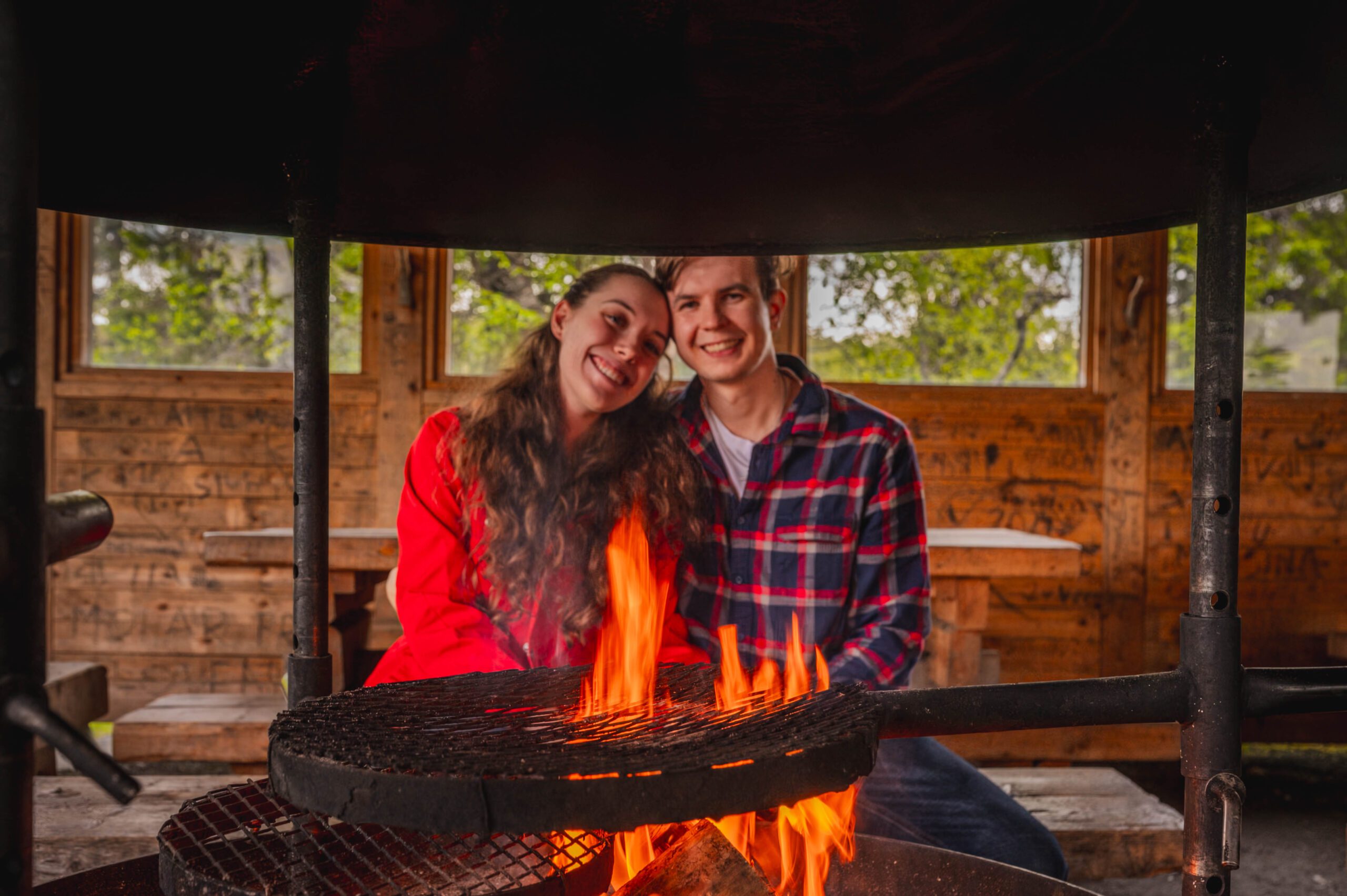
This guide is built from what we have learned living in Rovaniemi and writing about Lapland travel for years. Every detail below is from first-hand experience or from the live StayLapland product pages — never invented.
Rovaniemi tour guides do a lot more than point at trees — they prep the gear, handle safety briefings, manage animals, and turn a booking into a memory. We've watched them work up close on dozens of tours, including the Nulkki Husky Adventure5% off · HUNGRYTRAVELFAMILY5 (5 km self-driven husky ride, 4 hours, from €189) and the Kuoksa Husky & Reindeer Adventure5% off · HUNGRYTRAVELFAMILY5 (5 hours, from €349). Here's what actually happens behind the scenes.
Our pick · 5% off with code HUNGRYTRAVELFAMILY5
Nulkki Husky Adventure
Live dates and prices open right here on this page — you book directly with StayLapland and stay on hungrytravelfamily.com.
Get our 3-Day Rovaniemi Planner (PDF)
Which tour on which day, real prices, what to wear, and the six mistakes that waste a night. We also send the code that takes 5% off every husky, aurora and snowmobile tour.
One email a month from Rovaniemi, unsubscribe any time. Check your inbox to confirm and the planner opens instantly.
- Who Becomes a Rovaniemi Tour Guide?
- The Day Before: Prep Work Nobody Sees
- Arrival Ritual: What Guides Do in the First 15 Minutes
- The Safety Briefing (and Why It Matters More Than You Think)
- Managing Animals on a Live Tour
- Reading the Group: The Soft Skill That Makes Great Guides
- After the Tour: The Reset Nobody Talks About
- FAQ: Rovaniemi Tour Guides
- Final Word
Who Becomes a Rovaniemi Tour Guide?
Most of the guides we've met in Rovaniemi didn't grow up planning to lead husky tours. They arrived in Lapland for a season — sometimes as ski instructors, sometimes just chasing the northern lights — and never quite left. A few are local Finns who grew up racing snowmobiles across frozen lakes. Others came from Spain, Italy, or Brazil, fell in love with the Arctic, learned Finnish, and built a life here.
What they share isn't a degree. It's a specific combination of physical endurance, genuine love for the landscape, and the ability to keep fifteen strangers calm when temperatures drop to -20°C and the sledge tips. The best ones are part naturalist, part psychologist, part mechanic. They know the trails by feel, can read a dog's body language before the dog acts on it, and can explain the same fact about reindeer in five different ways depending on who's asking.
Formal training varies. Some operators run multi-week guide certification programmes. Others rely on apprenticeship — newer guides shadow experienced ones through a full season before leading solo. In Finland, certain activities (snowmobile tours on public land, for instance) require a valid guide licence. Animal welfare regulations add another layer of responsibility. It's more structured than it looks from the back of a sled.
The Day Before: Prep Work Nobody Sees
When you book a morning husky tour, your guide's working day started the afternoon before. At operations like StayLapland's Kuoksa Wilderness Park, the prep routine is built around the animals first and the guests second — which is exactly how it should be.
Dogs are checked individually. Any sign of a sore paw, low energy, or unusual behaviour pulls that dog from the roster. Harnesses are inspected for wear. Sledges are tested — runners checked, brakes tested, emergency anchor confirmed. On nights forecast below -25°C, extra insulation goes into the guest clothing kits. Thermal overalls, boots, gloves, and socks are sorted by size and pre-packed so the morning changeover is smooth.
Routes are also reviewed. A frozen lake trail that was solid last week may have shifted. Guides receive weather updates and make adjustments — sometimes rerouting entirely, sometimes shortening the distance, sometimes adding a shelter stop. Guests rarely see any of this. They show up to what feels effortless because someone spent the previous evening making it so.
Arrival Ritual: What Guides Do in the First 15 Minutes
The moment guests arrive — typically at the meeting point at Pekankatu 3 in central Rovaniemi, or directly at the wilderness park — guides shift into a particular mode. It's not performance, exactly. It's calibration.
A good guide reads the group in the first sixty seconds: who's nervous (usually standing slightly apart, checking their phone), who's overconfident (the person already trying to pet every dog), who has kids who need extra attention, who might have mobility limitations that weren't declared at booking. All of this happens while handing out overalls and boots with a smile.
The clothing ritual itself is a trust-builder. Helping someone into an unfamiliar thermal suit creates a moment of human contact before any adventure begins. Guides use it deliberately — a calm touch on the shoulder, a genuine joke, a question about where you've come from. By the time the safety briefing starts, the group usually feels like one unit rather than a collection of strangers.
The Safety Briefing (and Why It Matters More Than You Think)
Every tour starts with a safety briefing. On the surface it looks routine — where to stand, how to hold the handlebar, what to do if the sledge tips. But skilled guides pack a lot of information-gathering into those five minutes.
They watch who's listening and who's distracted. They make eye contact with the people who seem unsure. They demonstrate the brake not once but twice, because the second time is for the people who were still processing the first time. On husky tours, the instructions about not wrapping the line around your hand are repeated in multiple ways — because a tangled line with a team of running huskies is the one mistake that can turn a great morning into a bad one.
Guides also manage expectations here. A 5 km self-driven husky route like the Nulkki Husky Adventure takes about 4 hours in total, but only part of that is on the sled. There's time with the dogs before and after, and the guide uses the briefing to frame the whole experience — not just the ride.
Managing Animals on a Live Tour
This is where most guests are genuinely surprised. Huskies are working dogs — fast, strong, and driven by instinct. On the trail, they are not pets doing tricks. They are athletes doing their job. A team of six huskies can pull a loaded sledge at 25–30 km/h on a straight run. The guide at the front (often on their own sled or on skis) sets pace and direction, reads the team, and watches for the moments when excitement tips into chaos.
Common interventions guests never notice: a subtle hand signal that slows one team without alarming another, a particular vocal command that refocuses a distracted lead dog, repositioning during a break so that two dogs who don't get along don't feed off each other's energy. Guides also watch the physical signs — a dog favouring one paw, breathing pattern changes, the slight hesitation that means a turn is coming too fast.
On longer combo experiences like the Kuoksa Husky & Reindeer Adventure (which adds a 2–3 km reindeer sleigh ride after the huskies), guides transition between two very different animal management modes within the same tour. Reindeer are quieter but more unpredictable in crowds. The guide reads the animals and the guests simultaneously, adjusting pace and spacing on the fly.
Reading the Group: The Soft Skill That Makes Great Guides
The technical skills — animal handling, route navigation, emergency protocols — can be taught. What separates a good guide from a great one is harder to train: the ability to read a group of strangers and adjust the entire experience in real time.
We've watched experienced guides shorten a reindeer segment because they clocked that a small child was hitting the wall of cold and excitement. We've seen them extend a campfire stop by twenty minutes because the group was having a genuine moment of connection and the schedule allowed it. We've watched them gently redirect a guest who was photographing dogs in a way that was stressing the animals — doing it with humour, not confrontation, so no one felt embarrassed.
The best guides also carry cultural knowledge that guests don't expect. They know why Lapland's forests have the shape they do (the glaciers). They know which reindeer tracks in the snow are fresh. They know the old Sámi names for the different qualities of Arctic light. This knowledge isn't on any syllabus — it accumulates over seasons, absorbed from local mentors and the landscape itself.
After the Tour: The Reset Nobody Talks About
Most guests leave with a wave and a new set of photos. The guide's day is not over. Dogs are unharnessed, checked, fed, and settled. Gear is cleaned, dried, and re-sorted. The sledge is inspected for any damage from the run — a cracked runner, a bent anchor — and logged for repair. Notes are made on any dog that showed unusual behaviour.
If it was a multi-experience tour, the transition space (the teepee campfire where salmon soup is served on the Kuoksa combo, for instance) is also cleaned and reset for the next departure. This is often a team effort, with guides and support staff working together in the window between groups.
Guides also debrief internally — sometimes formally, sometimes just a quick conversation over coffee. What went well. Where a guest needed more support. Whether a trail section felt riskier than expected. This loop of observation and adjustment is how standards improve season to season, and why the same operator's tours can feel noticeably better after a few years than when they first launched.
FAQ: Rovaniemi Tour Guides
Do tour guides in Rovaniemi need a licence?
For certain activities — particularly snowmobile tours on public land — a guide licence is required in Finland. Husky and reindeer operators also work under animal welfare regulations. Requirements vary by activity type.
What languages do guides speak?
Most guides on StayLapland tours speak English. Other languages (Spanish, Portuguese, French, Italian, German, Finnish) are available on request, though availability is limited — mention it when booking.
Can you tip your guide in Lapland?
Tipping isn't a cultural norm in Finland the way it is in North America, but it's appreciated. If your guide made the day genuinely memorable, a small tip or a detailed positive review means a lot.
How long does a typical guide work in a day?
In peak winter season, guides often run two departures a day — a morning and an afternoon — separated by the reset and debrief period. Combined with prep the evening before, it's a physically demanding schedule.
What happens if a guide falls sick?
Reputable operators have backup guides on standby, particularly in high season. It's part of the operational planning — the animals still need to be managed even if the scheduled guide can't run.
Are guides involved in booking or just the experience?
On most small-group tours, guides are delivery-only — booking goes through the operator. But experienced guides often have strong opinions about which experiences suit which guests, and a good operator passes that knowledge into their booking advice.
Final Word
The next time you're on a husky sled, moving through an Arctic forest at the pace of a running dog team, the person at the front of your group has probably been thinking about that exact moment since yesterday afternoon. They prepped the dogs, sorted the gear, checked the weather, and figured out how to make sixteen strangers feel like they belong in the wilderness.
That's not magic. It's craft — built over seasons in one of the world's most demanding landscapes. If you want to experience it first-hand, the Nulkki Husky Adventure is a great place to start — five kilometres of self-driven sled, a guide who knows every inch of Kuoksajärvi Forest, and a morning you won't forget. Use code HUNGRYTRAVELFAMILY5 for 5% off when booking through StayLapland.
Check live dates and prices for Nulkki Husky Adventure
Pick your date below to see real-time availability. Enter HUNGRYTRAVELFAMILY5 at checkout for 5% off.
Browse our Rovaniemi picks
Tap a category to see every tour with live prices — it opens right here. Code HUNGRYTRAVELFAMILY5 gives you 5% off at checkout.
Code HUNGRYTRAVELFAMILY5 works on every StayLapland activity. We work with StayLapland and may earn a small commission — it does not change your price.
Get our 3-Day Rovaniemi Planner (PDF)
Tour-by-tour plan with real prices, plus the code that takes 5% off every StayLapland activity. One email a month, from Rovaniemi.