How Cold Is Rovaniemi in Winter? (What You Actually Need to Wear): A Local Couple's Honest Temperature Guide
We've lived through Rovaniemi winters where the temperature sat at –30 °C for two weeks straight and the snow squeaked under every step. People ask us constantly: how cold is it really? The honest answer is colder than most visitors expect — but also perfectly manageable if you dress right. This guide gives you real numbers, month-by-month, and the exact layers that actually work in Arctic Finland.
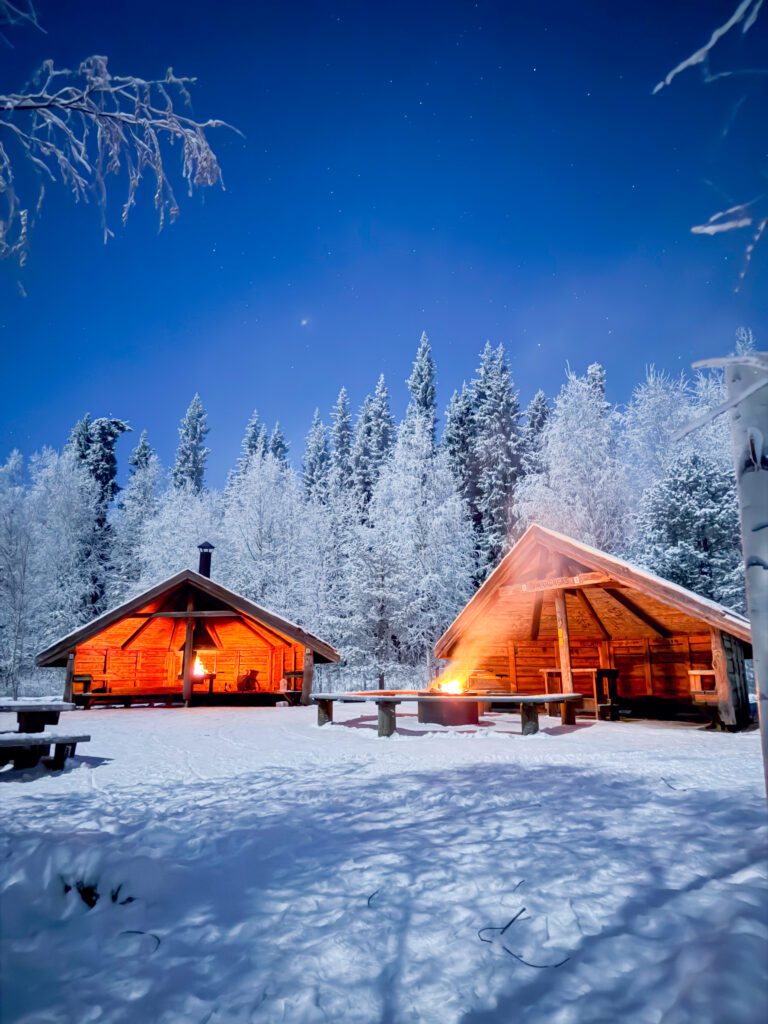
This guide is built from what we have learned living in Rovaniemi and writing about Lapland travel for years. Every detail below is from first-hand experience or from the live StayLapland product pages — never invented.
Rovaniemi averages –10 °C to –15 °C through the core winter months (December–February), but temperatures regularly dip to –20 °C or colder — and during cold snaps can touch –35 °C. The key is not just the temperature but the darkness, the dry air, and wind chill on activity days. If you’re heading out on an evening Northern Lights Hunting Bus Tour5% off · HUNGRYTRAVELFAMILY5, expect to stand still outdoors for stretches — that’s when dressing properly becomes critical. Dress in three layers, cover every inch of skin, and you’ll be fine.
Our pick · 5% off with code HUNGRYTRAVELFAMILY5
Professional Guaranteed Northern Lights Hunting Tour from Rovaniemi by Bus
Live dates and prices open right here on this page — you book directly with StayLapland and stay on hungrytravelfamily.com.
Get our 3-Day Rovaniemi Planner (PDF)
Which tour on which day, real prices, what to wear, and the six mistakes that waste a night. We also send the code that takes 5% off every husky, aurora and snowmobile tour.
One email a month from Rovaniemi, unsubscribe any time. Check your inbox to confirm and the planner opens instantly.
- Average Temperatures Month by Month
- What –20 °C Actually Feels Like
- The Three-Layer System That Works
- Head, Hands, and Feet — The Real Priority
- What Activities Demand From Your Clothing
- What StayLapland Provides vs What You Bring
- Shopping for Winter Gear in Rovaniemi
- Frequently Asked Questions
- Final Word From Us
Average Temperatures Month by Month
Rovaniemi sits just on the Arctic Circle, which means its winters are long and genuinely cold — not ski-resort-in-the-Alps cold, but Arctic cold. Here is what the thermometer typically does across the winter season:
November: The first snow usually arrives in November and temperatures start dropping toward –5 °C to –10 °C on average, though early November can still be close to zero. By the end of the month, the ground is frozen and the nights are very long.
December: Average daytime high of around –8 °C to –12 °C, nights often reaching –15 °C to –20 °C. This is peak Christmas season — the coldest days can touch –25 °C or colder. Polar night (kaamos) means just a couple of hours of dim light per day around the solstice.
January: Statistically the coldest month. Average temperatures of –12 °C to –18 °C, and cold snaps of –30 °C to –35 °C are not unusual. The air is bone-dry and the snow squeaks when you walk on it. On still, clear nights — the best aurora nights — it is usually at its coldest.
February: Very similar to January in temperature, but daylight starts returning noticeably. By the end of February you have several hours of proper light, the snow is still deep, and aurora activity remains strong. Cold snaps still happen.
March: Temperatures begin to moderate — averages of –5 °C to –10 °C, but plenty of days around –15 °C. The snow is at its best: firm, dry, deep. Lapland locals often call March their favourite winter month because the light is beautiful and the cold is still manageable without being extreme.
The single number that matters most for packing: assume –20 °C and you will never be uncomfortably cold. If it turns out to be –8 °C, you’ll just unzip a layer.
What –20 °C Actually Feels Like
Until you’ve experienced it, –20 °C is just a number. Here is what it actually means in practice, based on living here year-round.
The cold is dry. Unlike the damp cold of, say, London in November that chills you to the bone at +3 °C, Rovaniemi’s –15 °C often feels clean and still. On a windless night with proper clothing, you can stand outside looking at the northern lights and feel genuinely comfortable. The cold becomes the enemy only when wind is involved — even a moderate breeze at –20 °C feels savage on exposed skin.
Your breathing changes. At –20 °C, the cold air catches in your nose and throat. This is not dangerous but it is noticeable — experienced travellers often pull their buff or scarf up over the nose and mouth when the temperature drops this far.
Metal and plastic behave differently. Your phone battery will drain at an alarming rate; keep your phone in an inner pocket against your body. Camera batteries go fast too. Touchscreen gloves or mittens with a fold-back finger tip are essential if you want to use your phone outdoors.
Time outdoors becomes measured differently. Standing still at –25 °C for thirty minutes on an aurora hunting tour is a very different experience from skiing at –10 °C, when your body generates heat constantly. The cold penetrates when you’re stationary. This is why layering and specifically the outer wind-block layer matter most on evening activities.
The Three-Layer System That Works
Every outdoor gear brand talks about layering, but for Rovaniemi winters the three-layer principle is not marketing — it is the actual difference between a wonderful trip and a miserable one.
Layer 1 — Base layer (next to skin): Merino wool or high-quality synthetic thermal underwear, both top and bottom. Cotton is genuinely dangerous in serious cold — when it gets damp from sweat, it loses all insulating ability and chills you fast. Merino regulates temperature, resists odour, and stays warm even damp. Invest in good base layers and bring two sets so you can rotate.
Layer 2 — Mid layer (insulation): A down or synthetic insulated jacket for the torso. Fleece trousers or insulated ski trousers for the legs. This is where most warmth comes from. For activities, fleece-lined ski trousers are ideal — they’re warm without being too bulky to move in. For evenings, down-filled trousers are incredibly effective.
Layer 3 — Outer shell (wind and snow protection): A windproof, waterproof outer jacket and over-trousers. This layer does not need to be heavily insulated — its job is to block wind and snow. Without it, even the warmest down jacket will feel cold the moment a breeze picks up. Most StayLapland activity tours include the outer layer in the price, but check specific activity details.
One thing we tell every visitor: it’s easier to cool down than to warm up. Add layers, know you can remove them, and you’ll always be able to regulate.
Head, Hands, and Feet — The Real Priority
Experienced cold-weather travellers know that the battle is won or lost at the extremities. Your torso has vital organs your body will protect, but ears, fingers, and toes are the first to feel the cold — and the first to become genuinely uncomfortable or, in extreme cases, at risk.
Head and face: A proper winter hat that covers the ears is non-negotiable. A balaclava or a thick buff pulled up over the nose is essential below –15 °C. The rule we follow: if your ears are uncovered and the temperature is below –10 °C, cover them within minutes, not after you start to feel them.
Hands: Mittens are warmer than gloves because your fingers share heat. The ideal setup for Rovaniemi is a thin liner glove worn inside a large winter mitten — you can remove the outer mitten briefly for tasks (phone, camera, zips) without exposing bare skin to the full cold. We do not recommend single-layer gloves below –15 °C.
Feet: Thick wool socks and winter boots rated to at least –30 °C are the minimum. Socks: merino wool or a merino blend, never cotton. Boots: look for at least 200g of insulation and a rubber outsole that stays flexible in cold. Standing still in boots rated to –20 °C when it’s –25 °C will leave your feet cold within the hour. Go rated colder than you think you need.
A small detail that makes a big difference: hand warmers (disposable chemical warming packets). Tuck one inside each mitten on the coldest nights and your hands will thank you. They are widely available at R-kioski convenience stores and the Prisma supermarket in Rovaniemi.
What Activities Demand From Your Clothing
Different activities have different clothing demands, and this is worth planning before you pack.
Snowmobile safaris: You are generating speed and wind, which makes the effective temperature feel far colder than the ambient temperature. On a snowmobile at –15 °C, the wind chill at 40 km/h can feel like –35 °C. Snowmobile tours typically provide an outer suit, helmet with visor, and gloves, but the layers you wear underneath matter a great deal.
Husky safaris: Physical effort means you generate heat and can actually get too warm. The challenge is the first few minutes in the cold air before your body warms up, and the periods waiting between runs. A mid-weight setup works well.
Northern lights tours: This is where clothing matters most. You are standing still, often on the coldest, clearest nights — which are always the coldest nights in Rovaniemi. The Northern Lights Hunting Bus Tour5% off · HUNGRYTRAVELFAMILY5 lasts 4–5 hours and includes hot drinks and light snacks to help you stay warm, and the guide will let you retreat to the heated bus periodically. Still, dress as if you will be standing outside for an extended period in the coldest possible temperature for the month.
Reindeer and farm visits: Shorter periods outside, more walking between covered areas, generally more manageable. A good three-layer setup is more than sufficient.
What StayLapland Provides vs What You Bring
Many visitors don’t realise how much activity operators in Rovaniemi provide. For most tours booked through StayLapland, you will receive thermal overalls or an outer snowsuit, boots, gloves, and a balaclava as part of the tour. This is standard for snowmobile, husky, and reindeer tours.
For the Northern Lights Bus Tour specifically, the provided gear typically covers the outer layer. What you need to supply: your own base layers (merino thermal top and bottom), a good mid-layer fleece or insulated jacket and trousers, a winter hat, and your own face covering. The quality of what you wear underneath the provided suit determines how warm you are at the end of the evening.
If you have not packed proper base layers or mid-layers, Rovaniemi has options. The StayLapland rental service offers premium winter clothing — thermal layers and additional insulation — which can be rented per day or per trip. This is a genuinely useful service for travellers who don’t want to invest in or travel with heavy winter gear.
Our honest advice: bring your own base layers from home. They are compact, lightweight, and the quality difference between a €15 thermal set from a chain store and a proper merino layer is significant in real Lapland cold.
Shopping for Winter Gear in Rovaniemi
If you land in Rovaniemi underprepared — it happens — here is where to go:
Prisma (the big supermarket on the outskirts of town): Has a practical sports and clothing section with budget thermal layers, wool socks, hand warmers, hats, and gloves. Not premium, but perfectly serviceable for a short trip.
Intersport (in the city centre): A proper outdoor sports retailer with good wool socks, base layers, gloves, and hats. More expensive than Prisma but better quality.
R-kioski (convenience stores around the city): The best source for hand warmers and small emergency items like cheap gloves.
Santa Claus Village area shops: There are souvenir and clothing stores near the village, but prices are tourist-level and the selection is limited. Better to buy in town.
One important note: wool socks specifically are the single highest-impact cheap purchase you can make in Rovaniemi. If you’ve packed cotton socks, replace them immediately. A good pair of Finnish wool socks costs €8–12 at Prisma and will transform your experience of cold feet outdoors.
Frequently Asked Questions
How cold does Rovaniemi get in winter?
Average temperatures range from –10 °C to –18 °C in core winter (December–February), with cold snaps reaching –30 °C to –35 °C. Clear nights — the best aurora nights — are often the coldest.
Is –20 °C too cold for a Lapland holiday?
No. With proper layering — merino base layers, insulated mid-layer, windproof outer shell — –20 °C is completely manageable. Most visitors are surprised how comfortable they are once dressed correctly. The cold only becomes a problem when people are underdressed or have wet cotton next to skin.
What is the warmest month to visit Rovaniemi in winter?
March is the mildest winter month, typically averaging –5 °C to –10 °C, with excellent snow conditions, good daylight hours, and still a strong chance of seeing the northern lights on clear nights.
Do I need special boots for Rovaniemi?
Yes. Standard urban winter boots are not sufficient below –15 °C. Look for boots rated to at least –30 °C with a proper rubber or EVA sole. If you don’t have them, rental options are available through activity operators in Rovaniemi.
What happens to my phone in the cold?
Lithium batteries drain dramatically in cold. Keep your phone in an inner pocket against your body heat. At –25 °C a fully-charged phone can drop to 10% in 20 minutes when used outdoors. Bring a power bank and keep it warm too.
Does it snow every day in Rovaniemi in winter?
Not daily snowfall, but there is permanent snow cover from November through April. The snow accumulates over the winter — by February, it is typically deep and settled. Snowfall when it comes is often light and powdery rather than the heavy wet snow of warmer climates.
Final Word From Us
Alla and I have had Rovaniemi winters that started at –3 °C and didn’t crack –5 °C until February, and winters where January delivered two weeks straight below –30 °C. You cannot predict which you’ll get, which is why the advice is always: pack for the colder end.
The visitors we see having a hard time with the cold are almost always the ones who packed for a European ski trip rather than the Arctic Circle — fashionable ski jackets, thin gloves, jeans under the snowsuit. The ones who come prepared with proper layers are genuinely warm and genuinely amazed by how beautiful the Arctic cold actually is.
This is one of those rare destinations where the cold itself is part of what makes it magical — the creak of snow underfoot, the frozen river, the way the northern lights look on a still –20 °C night. Dress right, and you won’t want to go back inside.
Check live dates and prices for Professional Guaranteed Northern Lights Hunting Tour from Rovaniemi by Bus
Pick your date below to see real-time availability. Enter HUNGRYTRAVELFAMILY5 at checkout for 5% off.
Browse our Rovaniemi picks
Tap a category to see every tour with live prices — it opens right here. Code HUNGRYTRAVELFAMILY5 gives you 5% off at checkout.
Code HUNGRYTRAVELFAMILY5 works on every StayLapland activity. We work with StayLapland and may earn a small commission — it does not change your price.
Get our 3-Day Rovaniemi Planner (PDF)
Tour-by-tour plan with real prices, plus the code that takes 5% off every StayLapland activity. One email a month, from Rovaniemi.