Best Time to Visit Finland — Month-by-Month Local Guide
A Finnish-Ukrainian couple living in Rovaniemi breaks down what Finland is actually like in every month — weather, crowd levels, prices, and the real trade-offs only locals know.

We’ve been living in Rovaniemi, Finnish Lapland, for years now — and we’ve watched the same question come up from nearly every visitor who finds us: when should I actually go? The honest answer is more nuanced than most travel articles admit, so we wrote the guide we wish existed when we first arrived.
This is the real Finland calendar — not the tourism-board version.
Finland rewards visitors year-round, but the experience is radically different by season. June–August brings midnight sun and warm lakes; December–February delivers snow, aurora, and Christmas magic; September–October offers autumn colour with almost no crowds. The worst month for most visitors is November — dark, grey, and wet, without snow yet to compensate.
Finland’s four seasons — what they actually mean for travelers
Finland is one of those rare countries where the calendar genuinely transforms the country. The Finland you visit in July — long evenings, warm lakes, birch-green forests — barely resembles the Finland of January, when the sun rises for barely four hours in the south and doesn’t rise at all for weeks in Lapland.
We’ve lived in Rovaniemi for years, and we’ve watched thousands of visitors arrive with expectations shaped by generic travel content. This guide is what we’d tell a friend.
Finland’s four distinct travel seasons
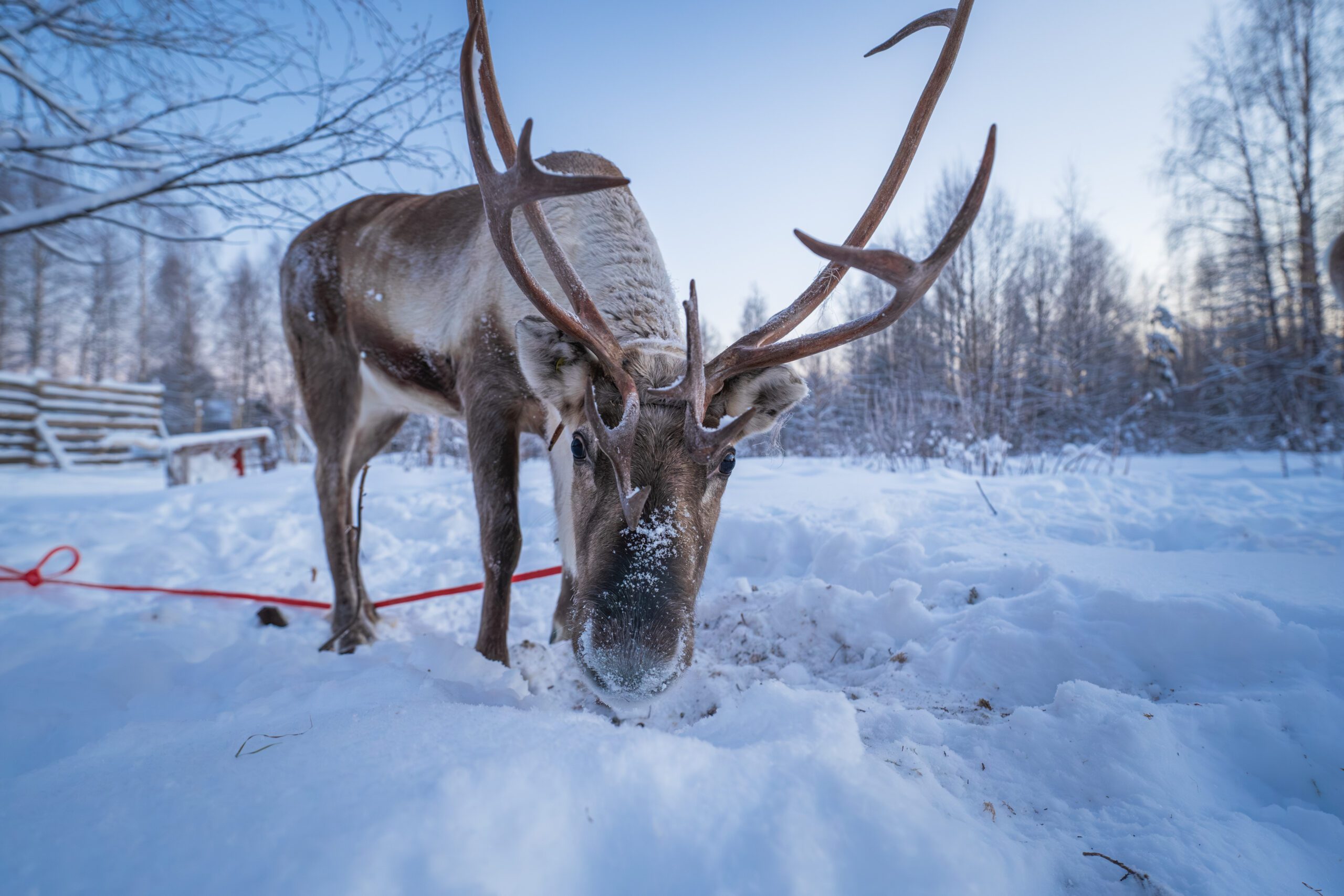
- Winter (December–February): Snow, Christmas atmosphere, northern lights, frozen rivers, reindeer, and the coldest temperatures in Europe outside Russia. Rovaniemi and Lapland peak season. Expensive, busy, magical.
- Spring (March–May): Snow melts slowly. March is still winter in Lapland; May turns green in Helsinki. Mud season in between. Great for quieter Lapland skiing and budget travel in cities.
- Summer (June–August): Midnight sun, swimming in lakes, Helsinki’s café culture, archipelago boat trips, Finnish midsummer celebrations. Warm and surprisingly lively.
- Autumn (September–November): Ruska — Lapland’s autumn foliage season — runs September–October and is one of Finland’s most underrated experiences. November is genuinely bleak: wet, dark, no snow yet.
None of these seasons is objectively “best.” It depends entirely on what you’re chasing.
Month-by-month: what Finland looks like all year
Here’s what Finland actually looks and feels like in every month of the year — from our home in Rovaniemi and from years of travel across the country.
January
Peak Lapland winter. In Rovaniemi: −15 to −25 °C, polar night (kaamos) has just ended, but days are very short — only two to three hours of dim twilight. Snow is deep and reliable. Christmas crowds are gone, prices drop slightly, and the northern lights are excellent. Helsinki is grey and cold but functional; the Christmas hype is over and the city is calm.
February
The best month for northern lights in Rovaniemi. Days lengthen noticeably — about five to six hours of proper daylight by month’s end. Crisp, blue-sky winter days are common. Skiing in Ylläs, Levi, and Saariselkä is excellent. Prices are slightly below the Christmas peak. For anyone after snow activities and aurora, this is genuinely the sweet spot.
March
Spring skiing arrives. Lapland gets long, bright days — up to twelve hours by late March — combined with proper winter snow. Temperatures warm to −5 to −10 °C on clear days. This is one of our favourite times: snowshoe hikes in golden light, frozen rivers still solid, husky safaris still running. Helsinki is starting to thaw but still wintery.
April
Transition month. In Rovaniemi, snow melts fast in the second half. The aurora season ends by late April as days grow too long. Helsinki parks turn green. It’s a shoulder season — good prices, fewer crowds — but landscapes can look muddy and raw. Worth it for budget travelers who want city culture.
May
Helsinki wakes up. Outdoor cafés reopen, parks fill with locals, the archipelago starts operating. In Lapland, the snow is gone by mid-May and the midnight sun builds toward June. Ice fishing is done; mosquitoes haven’t arrived yet. One of the least-touristy months for Helsinki.
June
Midnight sun begins. In Rovaniemi it doesn’t get dark at all; in Helsinki you get gorgeous long evenings with the sun setting well past 10 pm. Midsummer (Juhannus) in late June is a national event — most Finns leave the cities for their summer cottages. Don’t arrive in Helsinki mid-Juhannus expecting a buzzing city.
July
Peak summer. Lakes are warm enough to swim in (often 20–22 °C). Cottage country is full. Finnish families are on holiday. Hiking in national parks (Nuuksio, Koli, Pallas-Yllästunturi) is superb. Mosquitoes in Lapland can be intense. Helsinki is warm, cosmopolitan, and lively. Most expensive month across the country.
August
The sweet spot of Finnish summer. Slightly fewer tourists than July, lakes still warm, mosquitoes fading, archipelago still running. The first aurora of the season can appear in Lapland by late August as nights darken. In Helsinki, outdoor events and music festivals run all month. A strong overall choice.
September
Ruska — Lapland’s autumn foliage — peaks in mid-September. Birch, aspen, and dwarf shrubs turn orange, red, and gold across the fells. In Finnish this is “ruskettuminen,” and it’s genuinely spectacular. Temperatures in Lapland: +5 to +12 °C during the day. No bugs, smaller crowds, and the first northern lights of the new aurora season. One of Finland’s best-kept travel secrets.
October
Autumn pushes south. Helsinki parks turn golden through early October. Lapland’s leaves are mostly fallen but the first real frosts and occasional snow arrive. The aurora season is properly underway in Rovaniemi. Good month for a combined Helsinki city break and short Lapland add-on.
November
Honestly, the hardest month to recommend. In Helsinki: wet, grey, often rainy, no snow. In Lapland: dark, but snow doesn’t reliably arrive until late November or even December. Prices are at their annual low. Go only if you specifically want quiet time in a city, or if you’re chasing early aurora before the Christmas rush.
December
Christmas Finland. Rovaniemi becomes the world’s most-visited Christmas destination. Snowfall arrives reliably, reindeer are everywhere, Santa’s Village is open, and Lapland looks like a fairy tale. Kaamos (polar night) begins in late November — the sun doesn’t rise in Rovaniemi for three to four weeks. Expensive and busy, but unforgettable for families and first-timers.

Best time to visit Finland for specific experiences
If you have a specific experience in mind, here’s the straightforward answer for each.
Best months: February and March for the ideal balance of long, dark nights and reasonable day temperatures. December–January also works but kaamos can feel overwhelming. The aurora season runs late August to early April.
June and July in Lapland; long golden evenings in Helsinki from May through August. If you want true 24-hour daylight, be in Rovaniemi in June or above the Arctic Circle.
December through March. February and March are best: guaranteed snow, brightening days, and operators fully running. January is good but January prices are higher post-Christmas.
Mid-September in Lapland, early October in Helsinki and south. This is Finland’s most underrated season — plan it at least two to three weeks ahead as rural Lapland accommodation sells out.
July and August. Lake temperatures peak in July. The lake culture — saunas on the shore, evening swims, grilled sausages — is one of Finland’s most authentic experiences.
May, June, or August. The city is alive, outdoor cafés are open, and it doesn’t feel like you’re fighting tourists. Avoid Juhannus weekend (late June) unless you want a quiet, empty-restaurant experience.
Finland weather and what to pack by season
Finland’s weather varies enormously not just by season but by latitude. Helsinki in July and Rovaniemi in January are practically different climates.
Temperature ranges by region and season
- Helsinki winter (Dec–Feb): −5 to −15 °C, rarely colder. Occasional rain. Snow unreliable south of Tampere.
- Rovaniemi winter (Dec–Feb): −10 to −30 °C. Snow reliable from November. Always dress for Arctic conditions.
- Helsinki summer (Jun–Aug): +18 to +27 °C. Occasional heat waves above 30 °C. Light summer clothing fine.
- Rovaniemi summer (Jun–Aug): +15 to +24 °C. Evenings can be cool. Bring a light layer.
- Lapland autumn (Sep–Oct): +2 to +12 °C. Feels colder in wind and rain. Mid-layer and waterproofs essential.
What to pack — quick guide
- Winter Lapland: merino wool base layer, insulating mid-layer (fleece or down), windproof shell, insulated boots rated to −40 °C, wool socks, balaclava, and proper gloves. Do not underestimate this. We’ve watched tourists try to do a snowmobile safari in city coats.
- Summer Finland: T-shirts and shorts, one light jacket, swimwear. A thin waterproof for sudden showers. Mosquito repellent if heading to Lapland in July.
- Spring/Autumn: Layers. Waterproof outer layer. Comfortable walking shoes with some grip for wet paths.
One practical note: Finnish outdoor gear shops in Rovaniemi and Helsinki rent thermal coveralls, boots, and gloves. If you’re only in Lapland for a few days, renting is smarter than buying.
Crowds and prices — the real picture
Finland is not cheap, and prices shift dramatically with the season — especially in Rovaniemi, where Christmas demand creates one of Europe’s starkest high-season price spikes.
Crowds by season
- December (Rovaniemi): Extremely busy. Flights from London, Frankfurt, and Paris land directly. Hotels book out months in advance. Worth planning 6–12 months ahead.
- July (everywhere): Finnish domestic tourism peaks. National parks, islands, and popular lake areas feel busy for a typically quiet country.
- February–March (Lapland): Busy but manageable. Activities well-staffed and running reliably. The best balance of atmosphere and availability.
- September–October: Genuinely quiet. Lapland accommodation is a fraction of winter prices. Local restaurants aren’t overwhelmed. Our recommended shoulder season.
- November and early April: Lowest crowds and lowest prices of the year. Good for budget travel and solitude.
Price context
A mid-range Rovaniemi hotel in December runs €150–350/night. The same property in October may be €70–120. Restaurant prices in Helsinki are roughly on par with Stockholm or Oslo — budget €15–25 for a lunch, €40–60 for a proper dinner per person with drinks. Alcohol is expensive everywhere; buying from Alko (state off-licence) before going to a restaurant or cottage is standard Finnish practice.
Our honest advice — what we actually tell friends
After years of living here and hosting friends and clients, here’s what we actually tell people.
- Don’t visit Rovaniemi in November. We know it’s tempting because flights are cheap. But there’s no snow, it’s dark and wet, and all the winter magic people come for hasn’t started. Come back in February.
- Book Lapland Christmas at least six months out. We’ve had friends unable to find accommodation within 60 km of Rovaniemi in late November. This is not an exaggeration.
- Don’t skip March. It’s consistently the month visitors wish they’d known about. Proper winter snow, increasingly long days, and prices that are no longer Christmas-inflated.
- Plan around Juhannus (Midsummer). If you want Helsinki restaurants and events, avoid the Juhannus weekend. If you want a eerily quiet city walk, go exactly then.
- Combine Helsinki + Lapland on longer trips. They’re only a 90-minute flight apart, and they feel like different worlds. Helsinki is cosmopolitan Scandinavia; Rovaniemi is Arctic wilderness. Two days in each shows you both faces of Finland.
- September is genuinely underrated. We’ve recommended it dozens of times. Almost nobody has regretted it.
Frequently asked questions
What is the best month to visit Finland overall?
It depends on what you want. February and March are best for winter activities and northern lights. July is best for lakes and midnight sun. September is best for autumn foliage with minimal crowds. November is the hardest month to recommend.
Is Finland worth visiting in winter?
Yes — especially Lapland. Finnish winter in Rovaniemi is one of Europe’s most unique travel experiences: proper Arctic snow, reindeer, aurora, and a genuine Christmas atmosphere. Just dress for it and book ahead.
When is the cheapest time to visit Finland?
November and early April are the lowest-priced periods. October and March are good value shoulder seasons with better conditions than November.
Does Finland have a rainy season?
Finland doesn’t have a defined rainy season like tropical countries. Rain can happen year-round, but November tends to be the wettest and greyest in the south. Summer can bring short heavy showers, but long grey weeks of rain are unusual.
Is July or August better for visiting Finland?
Both are excellent for summer. July is warmer and the midnight sun is strongest. August has slightly fewer tourists, the first auroras start appearing in Lapland by late August, and the weather is still warm. We’d pick August for a slightly more relaxed trip.
What is ruska and when does it happen?
Ruska is Finnish for autumn foliage season — when Lapland’s birch, aspen, and dwarf shrubs turn orange, red, and gold. It peaks around mid-September in northern Lapland and moves south through October. It’s spectacular and badly undervisited.
Joona & Alla
A Finnish-Ukrainian couple living in Rovaniemi, Finland. Joona is a marketing professional in Lapland tourism; Alla is an AI Engineer. Together we’ve visited 25 countries and share honest, locally-grounded travel writing from our home in the Arctic.
Read our full story →