4 Days in Rome in Summer: Is It Manageable?
We went in July. The heat was real, the crowds were bigger than we expected, and we still loved it. Here is the honest Rome summer itinerary that actually worked for us — including the parts where we nearly melted.
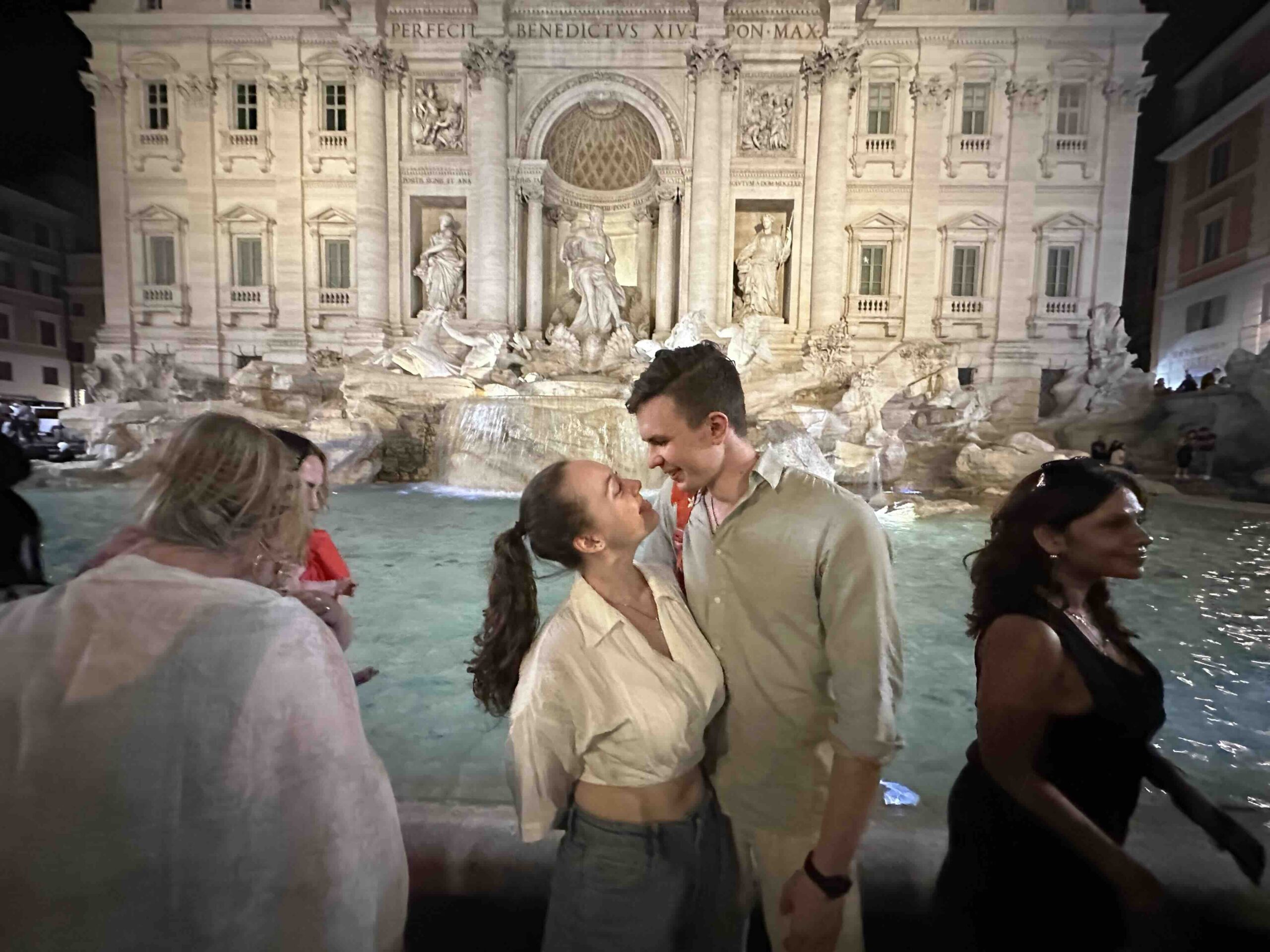
We come from Rovaniemi, where summer means cool forests, midnight sun, and temperatures that rarely climb above 25°C. Going to Rome in July felt like stepping into a different planet. The Colosseum baked. The cobblestones radiated heat back at you at 2 pm. And the queues at the Vatican were, genuinely, impressive in their length.
And yet. Rome in summer is absolutely manageable if you plan around the heat rather than against it. A Rome summer itinerary needs to work with the rhythm of the city — the siesta hours, the shaded piazzas, the gelato strategy. Here is what we actually did across four days, what we would repeat, and what we would skip.
Yes, 4 days in Rome in summer is manageable — but it requires planning around the heat. Start sightseeing early (before 9 am), retreat indoors from noon to 3 pm, and return to the streets in the evening. Pre-book the Vatican and Colosseum. Stay near the historic centre to walk everywhere and avoid packed metro carriages at midday.
Is summer in Rome really that hot?
The honest temperature picture
We are Finns who live in Finnish Lapland. Our threshold for “hot” is low. Even with that caveat, Rome in July was genuinely intense. Daytime highs regularly hit 34–37°C, the humidity builds through the morning, and the historic centre — all stone and narrow streets — traps heat like an oven by midday. Evenings, however, drop to a comfortable 22–24°C, and the city transforms.
The tourist crowd reality
July and August are peak tourist months in Rome. The Vatican Museums, the Colosseum, and the Trevi Fountain all see their highest visitor numbers. If you go without pre-booked tickets you will spend a significant portion of your trip standing in queues in direct sun. There is no polite way to say that — it is what it is, and it is entirely avoidable with a bit of planning done at home.
The 4-day Rome summer itinerary
The rhythm that worked for us: early mornings outdoors, long lunches in the shade, afternoons in museums or churches with AC, evenings wandering and eating late. This is also, essentially, how Romans themselves survive summer — Joona called it “operating on Mediterranean time”.
Day 1: The Ancient City (6–10 am, rest, 4–8 pm)
- 6:30 am: The Roman Forum and Palatine Hill open at sunrise. In the early light, with almost no one around, they are extraordinary. This is our single strongest recommendation for any summer Rome trip. Pre-book your combined Colosseum + Forum ticket online.
- 7:30 am: Colosseum. Arrive at opening. The arena is cooler in the morning and the crowds are thin. By 10 am it is already dramatically busier and hotter.
- 10:00 am: Walk to a nearby bar for cornetto and cappuccino. Rome’s standard breakfast is light, fast, and delicious.
- Midday to 3 pm: Return to your accommodation. This is not laziness — this is the correct approach. Romans close many small shops, the heat is at its peak, and even the most seasoned tourists look depleted by 2 pm.
- 4 pm onward: Explore the Testaccio neighbourhood — excellent local food scene, fewer tourists, good shade. Evening meal somewhere near Campo de’ Fiori.
Day 2: The Vatican
- 7:00 am: The Vatican Museums open at 8 am on most days. Arrive 30 minutes early to be near the front of the pre-booked entry queue. The Sistine Chapel is best experienced with fewer people — first thing in the morning is as close as you will get.
- 9:30 am: St Peter’s Basilica (entry is free, no pre-booking needed, but the queue moves faster than the Museums). Climb the dome before midday if you can bear the heat — the view is exceptional.
- Noon: Lunch on the Prati side of the Tiber, which is less touristic than the centre and has some excellent restaurants.
- Afternoon: Castel Sant’Angelo. The museum inside is cool and interesting; the views from the top are worth the entry fee.
- Evening: Stroll along the Tiber and cross back into the historic centre for dinner. The streets around Piazza Farnese are quieter and more local than Trastevere.
Day 3: Trastevere, the Pantheon, and evening piazzas
- Morning: Walk through Trastevere before 9 am, when it is still neighbourhood-sleepy and the light is golden. Coffee at a bar where you pay counter prices, not terrace prices.
- 9:30 am: The Pantheon now charges for entry (a few euros) — buy the time slot online. Early morning is dramatically less crowded than midday.
- 10:30 am: Piazza Navona. See it while it is still relatively quiet. In the afternoon it is packed with tourists and street artists.
- Midday: Rest hour. Seek out an air-conditioned cafe or gelateria and work through the menu slowly.
- 4 pm: The Borghese Gallery (pre-booking essential — timed entry, limited numbers). This is one of the finest small art museums in Europe and it is significantly cooler than the streets outside.
- Evening: The Villa Borghese gardens are lovely at dusk. Walk back down towards the Spanish Steps as the sun drops and the heat lifts.
Day 4: Quiet corners and slow departures
- Morning: The Aventine Hill — the Orange Garden with its keyhole view of St Peter’s dome is one of Rome’s best-kept photo spots and is beautifully shaded.
- Late morning: The Circus Maximus and the less-visited Baths of Caracalla (slightly outside the tourist core, far fewer crowds, impressive scale).
- Noon: Trevi Fountain. Yes, everyone goes. Yes, it is more crowded in summer than anywhere else we visited on this trip. It is also genuinely magnificent. Throw your coin and leave quickly — trying to fight the crowd for a photo is not worth the energy in 35°C heat.
- Afternoon: A final slow lunch, then whatever you missed from the first three days. Rome rewards wandering — streets you will never find on a list.
Related reading Planning an Italy trip from the cooler north? Read our guide on Italy in Summer: Where to Go When Rome Is Too Hot — we cover the Dolomites, the Italian lakes, and the Amalfi coast alternatives.
Beat-the-heat checklist for a Rome summer itinerary
- Book timed entries before you leave home: Colosseum + Roman Forum combo, the Vatican Museums (with Sistine Chapel), and the Borghese Gallery. These three alone will save you hours of queue-standing in direct sun.
- Stay within the Aurelian Walls: Rome’s historic centre is compact. If your accommodation is inside the walls, most sights are walkable in 20–30 minutes. This matters because the metro is hot, crowded, and slow in summer — walking in the shade is often faster and always less unpleasant.
- Start outdoor sightseeing at 7–8 am: The light is beautiful, the temperature is bearable (often still in the low 20s), and the crowds at major sites are dramatically thinner than just two hours later.
- Use the nasoni: Rome’s street drinking fountains (nasoni — “big noses”) run continuously with cold, clean water. There are thousands of them. Carry a refillable bottle and use them constantly.
- Embrace the siesta window: Noon to 3 pm is genuinely the right time to be inside. Air-conditioned churches, museums, bookshops, and restaurants are your friends.
- Eat late: Romans eat dinner at 8–9 pm. This works perfectly with a summer Rome schedule — the heat has lifted, the evening is social, and the restaurants that cater to locals (rather than tourists) are open and busy.
- Carry sunscreen, a hat, and a portable fan: These sound obvious from Finland. They saved us multiple times.
- Dress light but with shoulders covered: Several major churches — including St Peter’s — require covered shoulders. A light scarf in your bag solves this without overheating.
Get our best travel tips in your inbox
Monthly stories from Rovaniemi — Arctic tips, packing lists, and the places we keep coming back to.