Porto vs Lisbon: Which Portuguese City for Your First Trip?
We’ve spent time in both. Here’s our honest take on which city suits which traveller — and why the answer is almost never the same twice.
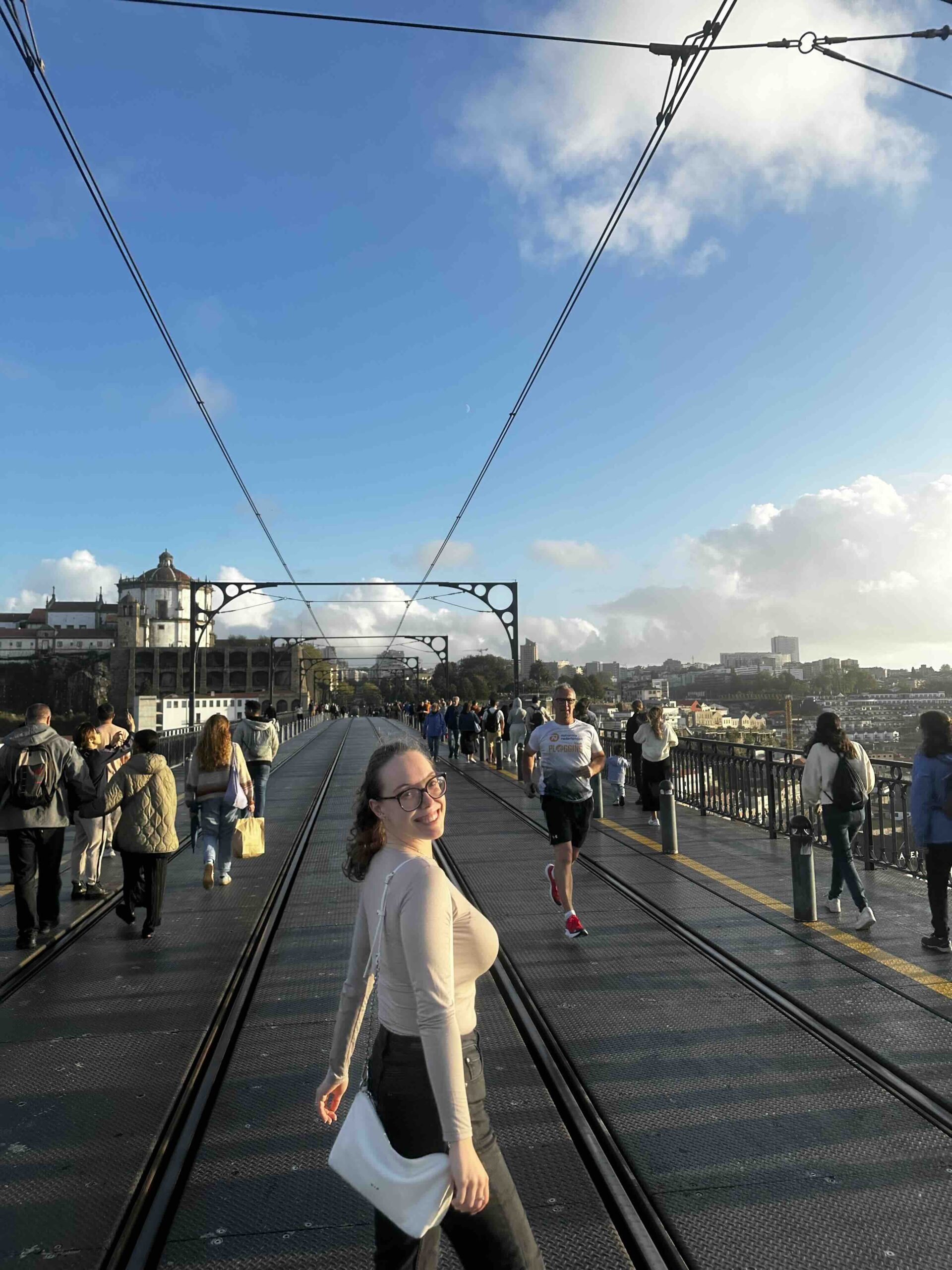
We’ve asked ourselves this question more times than we can count — not just for ourselves, but for the dozens of friends and blog readers who message us from our home in Rovaniemi, Lapland, asking where to start in Portugal. After visiting both cities on multiple trips across our 21-country travel history, we finally have a real answer. And it isn’t “it depends on you” (the cop-out non-answer). Porto vs Lisbon is a genuinely different decision depending on what you value in a city break.
This guide lays out the exact differences — mood, cost, crowds, food, day trips, and which type of traveller each city suits best. We’re going to be direct.
Choose Lisbon if you want big-city energy, a bigger tourist infrastructure, beaches close by, and more neighbourhood variety. Choose Porto if you want a more compact, grittier, local-feeling city with the Douro Valley on your doorstep and arguably the better food scene. For a first Portugal trip with limited time, Lisbon edges it slightly — but Porto is where most return visitors wish they had started.
The fundamental character difference between Porto and Lisbon
This is where most guides get wishy-washy. We won’t. The cities feel fundamentally different to walk around, not just logistically different.
Porto: the grittier, prouder city
Porto has a working-city soul that Lisbon has gradually polished away. The streets in Bonfim and Miragaia are still lived-in. You walk past a woman hanging laundry from a window above an azulejo-covered building, squeeze past a delivery van on a cobbled alley, and find a tiny tasca that’s been serving the same francesinha since 1974. Porto is compact — you can walk its best areas in 2–3 days without a taxi — and the hills give you the kind of views you earn, not buy.
Lisbon: bigger, more polished, more varied
Lisbon is a European capital that has embraced its tourist economy hard. The historic neighbourhoods — Alfama, Mouraria, Bairro Alto — are genuinely beautiful, but they’re surrounded by a modern city fabric that is less intimate than Porto’s. That’s not necessarily a drawback: Lisbon has more museums, more nightlife options, more architectural variety, and easier transport to the coast. You could spend a week in Lisbon and barely scratch it. In Porto, you’d have seen the essential things in 3 days and be choosing between more depth or a day trip.
Cost, crowds, and the practical realities of each city
Both cities are significantly cheaper than Scandinavia (where we come from — Helsinki prices feel like luxury compared to a Porto meal), but they are no longer the bargain they were five years ago. Here’s what we noticed.
Accommodation costs
Lisbon runs roughly 15–25% more expensive than Porto for comparable accommodation. A decent three-star in central Lisbon will cost you what a very comfortable boutique hotel costs in Porto. Porto also has a higher density of interesting guesthouses in old buildings — pensões and guest houses in Bonfim, Cedofeita, and the Baixa — that feel like a genuine local stay rather than a tourist hostel.
Food costs
Both cities are still affordable by European standards. In Porto, a lunch prato do dia (dish of the day) with wine runs €8–10. In Lisbon, the same thing in a slightly touristy spot is €12–15. Budget travellers will feel the difference over a week.
Crowds in summer
Lisbon’s Alfama, Bairro Alto, and Belém are genuinely overrun in July and August. We’ve been there in both shoulder season and summer, and the difference is stark. Porto’s Ribeira and the Dom Luís bridge are busy too — but the city is easier to escape. Walk twenty minutes up into Bonfim or Foz and you’re suddenly off the tourist circuit entirely.
Quick-reference comparison: Porto vs Lisbon
The key numbers and facts, side by side
- Size: Lisbon — 504 km², 545,000 people. Porto — 41 km² city proper, 237,000 people. Lisbon is significantly larger and takes longer to navigate.
- Airport connections: Both have international airports. Lisbon Humberto Delgado connects to more long-haul and budget routes. Porto Francisco Sá Carneiro is increasingly well-connected and often cheaper for flights from Northern Europe (including Finnish cities via hubs).
- Public transport: Both have metro + tram. Lisbon’s network is larger. Porto’s metro is clean, efficient, and covers the main tourist areas including the beach at Matosinhos.
- Day trips: From Lisbon: Sintra (40 min), Cascais (40 min), Évora (1.5 hr), Setúbal. From Porto: Douro Valley wine country (1 hr), Braga (50 min), Guimarães (1 hr), Aveiro (1 hr).
- Beaches: Lisbon wins on beach proximity — Cascais and the Setúbal peninsula are excellent. Porto has Atlantic beaches at Matosinhos and Foz do Douro, but they’re wilder and the ocean is rougher and colder.
- Food speciality: Porto’s francesinha (a meat-and-cheese sandwich in spiced beer sauce — absurdly good) versus Lisbon’s pastéis de nata and broader petisco scene. Neither city will let you eat badly.
- Wine base: Porto is your base for Port wine cellars in Vila Nova de Gaia and Douro Valley trips. Lisbon gives you access to Alentejo wines and the Setúbal region.
- Nightlife: Lisbon has Bairro Alto and the Pink Street; Porto has Rua das Galerias de Paris. Both are excellent. Lisbon’s scene runs later and larger.
Get our best travel tips in your inbox
Monthly stories from Rovaniemi — Arctic tips, packing lists, and the places we keep coming back to.