Living in Lofoten for a Week: What Slow Travel Actually Feels Like
We rented a rorbu on Vestvågøy, fished from a dock, cycled to a village that had no café, and forgot to post anything for three days. Here’s what a week of Lofoten slow travel is really like — and whether it’s worth doing.
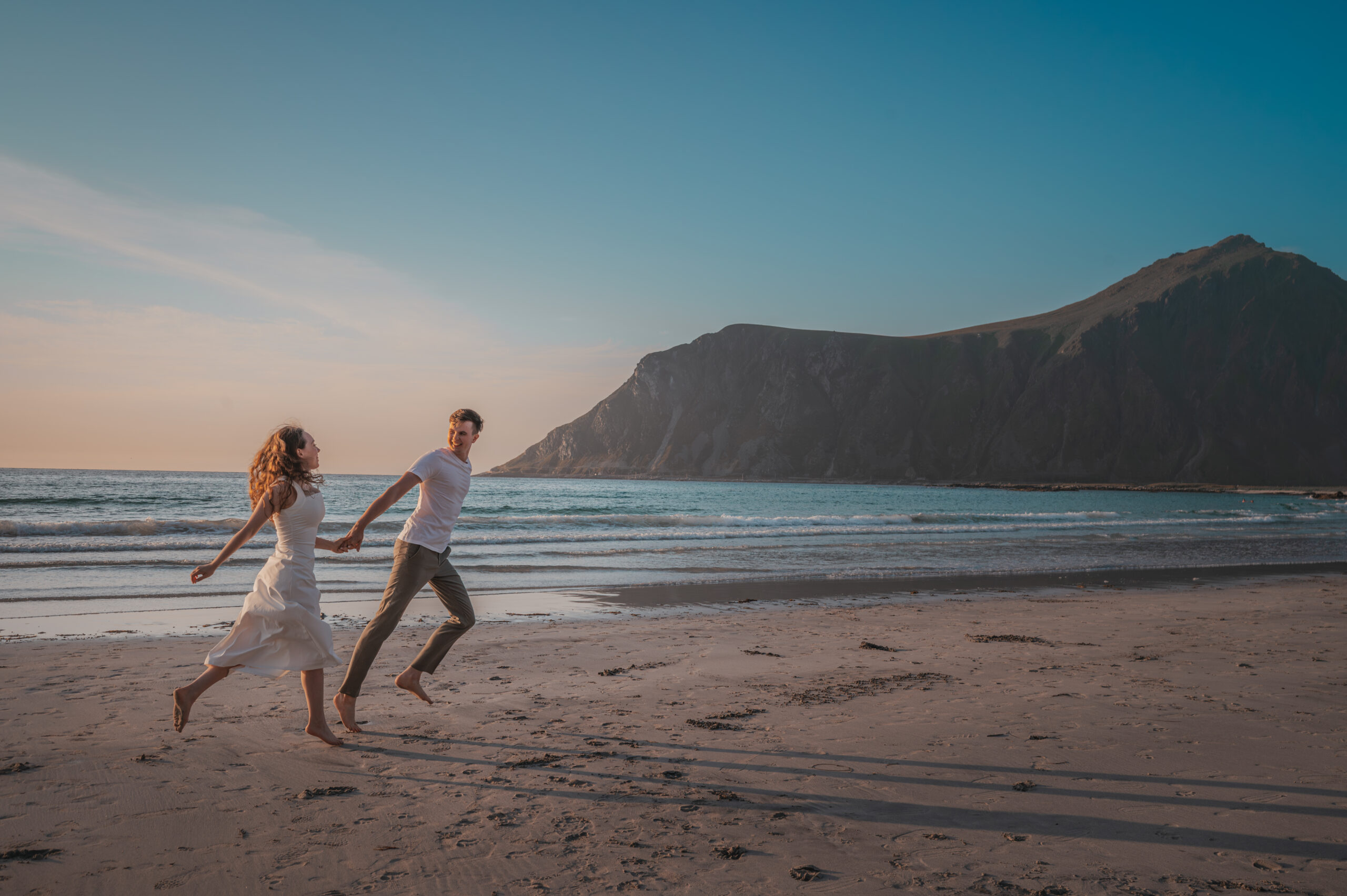
We have a running joke that Lofoten is where we go to remember what travelling without a schedule feels like. We’ve been here three times now — once on a rushed week-long road trip, once in winter chasing the aurora, and most recently for a full seven days of deliberate slow travel with nowhere particular to be.
That last trip was different. We rented a rorbu — a traditional Norwegian fishing cabin on stilts — on Vestvågøy, cooked cod we bought from the harbour, and cycled roads we’d only ever driven past. This guide is about what that experience is actually like, what slow travel in Lofoten means in practice, and how to do it without planning it to death.
A week of Lofoten slow travel means basing yourself in one rorbu or village, moving by bike and foot rather than car, and letting the weather and fishing tides set your schedule. It is genuinely one of the most restorative ways to spend seven days in Norway — but it works best if you stop treating Lofoten as a highlights reel and start treating it as a place you actually live in for a bit.
What Lofoten slow travel actually means
There is a version of Lofoten that every visitor knows: drive the E10 from Moskenes to Svolvær in two or three days, stop at Hamnøy, walk up Reinebringen, photograph the red rorbu from the bridge. It’s a beautiful trip and we recommend it. But it’s not slow travel — it’s landscape consumption.
Slow travel in Lofoten is a different thing. It means staying in one or two villages for the entire week. It means getting to know the faces at the same harbourside café. It means cycling out to a headland you saw from the window three mornings in a row because you kept not getting around to it.
The Lofoten slow travel mindset
The switch in mindset is this: instead of trying to see all of Lofoten, you try to deeply inhabit one small piece of it. You notice the way the light changes on the same mountain over a week. You notice that the midnight sun doesn’t just happen at midnight — it turns the sky amber at 11 pm, lavender at 1 am, and almost orange again by 3 am, and each one is different.
- One base, not many: resist the urge to move accommodation every two nights. The richness comes from staying.
- Bike and foot over car: the islands are more human-scaled than they look on a map. Cycling reveals the texture that driving smooths out.
- Weather as a guide, not an obstacle: Lofoten weather is notoriously variable. Slow travel lets you wait for the light instead of shooting in rain because you have to move on tomorrow.
- No daily list: we planned one or two anchors per day — a village, a hike, a ferry — and let the rest fill itself.
Choosing your base: rorbu life explained
The rorbu is the soul of Lofoten. These are the traditional fishermen’s cabins — originally built on stilts over the water so the crews who came from mainland Norway each winter had somewhere to sleep during the cod season. Today they’re almost all rental accommodation, ranging from very rustic to beautifully restored.
What to look for when booking a rorbu
We’ve stayed in four different rorbuer across our Lofoten trips. The single biggest variable isn’t price or décor — it’s position. A rorbu right on the water, where you can hear the sea from the bed and fish from the dock outside, is a fundamentally different experience from a rorbu that’s technically called a rorbu but sits up a hill behind the village.
- Vestvågøy vs Moskenesøya: Vestvågøy (where Leknes is) is bigger, calmer, and has more supermarket access — better for a base. Moskenesøya (Reine, Å) is more dramatic but smaller and more crowded in summer.
- Own dock or shared: if you want to fish from the cabin, confirm there’s a dock you can actually use. Not all rorbuer have one.
- Kitchen quality: for slow travel, you’re cooking most meals. A decent hob and oven matters more than a hot tub.
- Mobile signal: varies enormously between villages. If you need reliable signal, check before booking — or lean into the disconnection.
- Booking platforms: Airbnb has good coverage, but dedicated Norwegian cabin sites like Finn.no and Norgesbooking often have more traditional options.
We stayed in Stamsund on Vestvågøy for our slow week. It’s a working fishing village with a youth hostel that’s been there for decades, a small harbourside store, and almost no tourist infrastructure — which is exactly why we liked it.
What the daily rhythm in a rorbu looks like
We would wake up without an alarm, usually between 7 and 9 am. Coffee on the dock. Whatever the weather was doing, we watched it for twenty minutes before deciding anything. Then the day would either open up or close down depending on cloud and wind — and both versions were fine.
A week of days: what we actually did
This isn’t a precise itinerary — slow travel resists those. But here’s a truthful account of how our week shaped itself, which might help you understand what you’re actually signing up for.
- Day 1 — Arrive, settle, walk to the end of the village: drove up from Bodø ferry, stocked the cabin with food, walked the harbour road until it turned into a path, turned around. Cooked pasta. That was enough.
- Day 2 — Cycle to Unstad: Unstad is a surf beach on the north coast of Vestvågøy, about 12 km from Stamsund. Dramatic valley, cold water, a tiny café run out of what might be someone’s kitchen. We sat there for two hours. Cycled back into a headwind.
- Day 3 — Bad weather day, stayed local: horizontal rain. We read, we watched the storm from the cabin window, we ate fish soup we’d made from yesterday’s catch. It was one of the best days.
- Day 4 — Ferry to Svolvær for a half-day: used the ferry as a lazy transport option, had coffee in Svolvær, bought some things we’d forgotten to pack, came back in the afternoon. Nothing dramatic.
- Day 5 — Hike up Nonstinden: a 4-hour return hike above Stamsund with panoramic views over the Vestfjord. We started late and had the summit almost to ourselves. The light at 8 pm was extraordinary.
- Day 6 — Fishing, mostly: we fished from the dock for four hours. Caught three coalfish (sei). Spent the evening cooking them. Posted nothing on Instagram.
- Day 7 — Last morning, don’t rush it: we gave ourselves until noon before driving out. Sat on the dock, had coffee, watched a fisherman clean a cod on the quay opposite. It felt very complete.
Getting around without rushing: transport as slow travel practice
How you move through Lofoten shapes your whole experience. A car gives you access to everything but insulates you from everything. Slow travel is about deliberately narrowing your radius and going deeper instead of wider.
Cycling in Lofoten
The E10 main road is not pleasant to cycle — it has tunnel sections and truck traffic. But the secondary roads and village lanes are often excellent. Between villages on the same island, cycling is both feasible and deeply enjoyable, especially in summer when the midnight sun means you can ride at 10 pm in golden light.
- Bring your own bike or rent: rental options exist in Svolvær and Leknes but are limited in smaller villages. If you’re planning a cycling-heavy week, consider bringing your own from the mainland on the ferry.
- E-bikes make the hills manageable: Lofoten is hilly. An e-bike isn’t cheating — it opens up routes that would be genuinely miserable on a heavy hybrid.
- Distances are deceptive: 15 km on a map is straightforward; 15 km with two 200m climbs and a headwind off the Atlantic is a half-day adventure. Build in more time than you think.
Using ferries as transport (not just activities)
The ferry network between Lofoten islands is practical and inexpensive. Locals use it daily. We started treating the ferry crossings not as “experiences” but as ordinary transport — which paradoxically made them better experiences. You sit, you watch the islands pass, you arrive somewhere without having driven.
Stories from the north, in your inbox
We write about slow travel, Nordic life, and honest trip planning — roughly twice a month.
Eating and fishing your way through the week
Food is a core part of Lofoten slow travel. The archipelago is one of the great cod-fishing grounds in the world, and even as a tourist you can participate in that in small, meaningful ways.
Buying fish directly from the harbour
In most working fishing villages in Lofoten, fishermen sell directly from the dock. You walk down, point at what you want, pay cash or card, and walk back to the cabin to cook it. Cod, coalfish, haddock, and Arctic char are the most common. The fish is almost absurdly fresh — often caught the same morning.
- Ask the fisherman what to do with it: we’ve had fishermen gut and fillet fish for us on the dock with a knife and thirty seconds of effort. Don’t be shy.
- Simple preparation works best: pan-fry in butter with salt and lemon. Anything more complicated competes with the fish rather than serving it.
- Stockfish (tørrfisk): dried cod hung on wooden racks is the iconic Lofoten product. You won’t be cooking it in a week (it needs 48 hours of soaking), but buying some to take home is easy and it makes extraordinary pasta.
- Rorbuer with kitchen kit: make sure your cabin has a proper pan. We brought a small cast-iron skillet from Rovaniemi for this exact reason.
Fishing from your dock
In Norway, you can fish from shore or private dock for free without a licence for saltwater fishing. You do not need a permit to fish from a rorbu dock. All you need is a basic rod, some line, a jig or small lure, and patience.
- Coalfish (sei) and pollock: the most reliably catchable species from docks in summer. Bite best in the morning and evening.
- Simple gear works: a spinning rod, 20lb braid, and a 20–40g metal jig. Nothing fancy needed.
- Ask your host: the rorbu owner or the hostel reception will usually know exactly what’s biting and from where right now.
The things that surprised us about Lofoten slow travel
We’ve done slow travel in a lot of places across our 25 countries — cycling the Dutch countryside, sitting still in Singapore’s hawker centres for half a day, taking the slow coastal train through Croatia. Lofoten had its own set of surprises.
- The quiet is not silent: seabirds, the water, the wind through the grass on the headland, the distant sound of a boat engine. Lofoten has a particular acoustic texture that you only notice when you stop moving through it.
- The light genuinely changes everything: we had seen Lofoten in rain and in sunshine before. We had not really sat still long enough to watch the light shift through a full 24-hour arctic cycle. At 2 am in June the sky is peachy and lavender and there’s still enough light to read outside. It doesn’t get old.
- The villages are very small: Stamsund has maybe 350 permanent residents. When you stay for a week you start to recognise people. You see the same boats go out and come back. You become, very briefly, a small part of the rhythm.
- There is almost nothing to buy: which is freeing. There are no malls, very few tourist shops, and the interesting things to do don’t cost anything — hiking, fishing, cycling, watching the light. We spent less money in a week in Lofoten than in two days in Oslo.
- You will get restless on day three: almost everyone does. The impulse to get in the car and drive somewhere new is strong. Resist it once, and something shifts. The second part of the week tends to be better than the first for this reason.
- The weather is part of it, not against it: a storm day in a rorbu, with the windows rattling and the sea running grey, is an experience in itself. Build buffer days that don’t have plans.
Frequently asked questions
How long do you actually need for slow travel in Lofoten?
Seven days is our minimum recommendation. Five days can work if you’re genuinely disciplined about staying in one place — but you’ll arrive and depart before the slow rhythm has a chance to take hold. Ten days or two weeks lets the experience breathe properly. Anything under four days is not slow travel; it’s a rushed trip with ambitions of being otherwise.
Is Lofoten good for slow travel in summer or winter?
Both work, but they’re very different. Summer (June–August) gives you the midnight sun, cycling weather, sea fishing, and long comfortable days. Winter (January–March) gives you potential aurora, dramatic snow-covered mountains, and a quieter archipelago with fewer tourists. For a first slow travel trip, summer is more forgiving because the logistics — food access, cycling, ferry reliability — are simpler.
Do you need a car for slow travel in Lofoten?
Not necessarily. If you base yourself in a well-connected village like Svolvær or Leknes, you can manage almost everything by bike, on foot, and using the public ferries and buses. If you want to reach more remote spots — Å at the southwestern tip, or Nusfjord — a car or car rental for specific days helps. We had a car but used it only three times in seven days.
What is a rorbu and where do we book one?
A rorbu is a traditional Norwegian fisherman’s cabin, historically built on stilts over the water. Today they’re rental accommodation ranging from very basic to fully renovated with modern kitchens and hot tubs. We’ve booked via Airbnb and through Norgesbooking.no — the latter tends to have more authentic options in smaller villages. Book well in advance for summer; good rorbuer in popular locations fill up months ahead.
Can I fish in Lofoten without a licence?
Yes — saltwater fishing from shore or from a private dock is free and requires no licence in Norway. This applies to tourists too. You can buy basic fishing gear in most larger supermarkets in Leknes or Svolvær, or bring your own. For freshwater fishing (lakes and rivers), you do need a licence, which is straightforward to buy online via the Norwegian fishing licence system.
Is Lofoten crowded in summer?
The main tourist spots — Hamnøy bridge, Reine, Reinebringen, Å — are very crowded in July and August. But Lofoten is archipelago-sized, and the moment you step off the main road or base yourself in a less-famous village, the crowds disappear. Slow travel is actually the best antidote to Lofoten’s summer overtourism problem — by staying put rather than driving the highlights circuit, you naturally skip the queues.
A final word from Rovaniemi
We live in Rovaniemi, which is its own kind of extreme north — but Lofoten has a quality that’s hard to find even here. It’s the combination of the sea, the mountains, the old fishing economy still just barely visible in the working harbours, and the light that never quite disappears in summer. It asks you to slow down not because there’s nothing to do but because the doing-of-things isn’t the point.
The best moment of our week wasn’t on a mountain top or at a famous viewpoint. It was on the dock at 11 pm, watching the sky turn amber over the Vestfjord, a coalfish we’d caught an hour earlier sitting in the fridge for tomorrow’s dinner, Alla reading a book in the cabin doorway behind me. Nothing was happening. It was enough.
If you’re thinking about a week in Lofoten and wondering whether slow travel suits you — we think the question is the answer. The fact that you’re wondering is probably because the highlights circuit sounds like more of the same. It is. Go slow instead.
Joona & Alla
A Finnish-Ukrainian couple based in Rovaniemi, Finnish Lapland. Joona works in marketing for Lapland tourism; Alla is an AI engineer and content strategist. Together we’ve visited 25 countries and write honest, locally-grounded travel stories — with a particular love for the Nordic north.
Read our full story →