Lofoten Islands Summer Guide: Midnight Sun Road Trip
Everything we wish we’d known before driving the Lofoten Islands in summer — from the best villages to skip the crowds, to the exact roads where the midnight sun turns the sea gold.
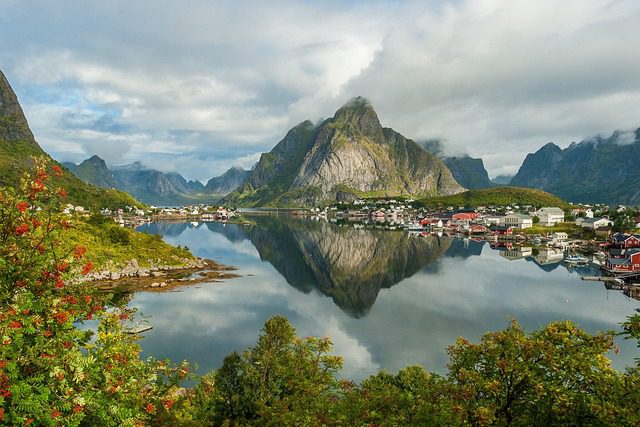
We drove the Lofoten Islands on a whim — squeezed into a summer route that had us crossing from Finland through northern Norway with the campervan windows permanently open. What we didn’t expect was how completely the archipelago would stop us in our tracks. We had budgeted three days. We stayed six.
This guide is the one we wish we’d had before that trip. It covers the Lofoten summer road trip properly — the villages worth lingering in, the ones that are now overrun, the coastal hiking that outclasses anything else we found in Scandinavia, and the honest truth about driving those roads at 2 am under a sun that never sets.
The Lofoten Islands are one of Europe’s most dramatic summer destinations — jagged peaks dropping straight into electric-blue fjords, midnight sun from late May through mid-July, and a road trip that can realistically be done in 3–5 days from the ferry at Bodø or the bridge at Narvik. June and early July are peak season for light and weather, but accommodation must be booked months ahead.
When to visit Lofoten in summer
The midnight sun window and seasonal trade-offs
The Lofoten Islands sit at around 68° North — well inside the Arctic Circle — which means the sun does not set from late May to mid-July. The further into summer you go, the brighter the nights, but also the busier the islands become. Here’s how we break it down after talking to locals and experiencing it ourselves.
Season overview
- May (late): the crowds have not fully arrived yet, wildflowers are out, snow still caps the highest peaks. This is the underrated sweet spot. The midnight sun begins around May 25. Weather is unpredictable but thrillingly dramatic.
- June: peak light. The sun at midnight sits above the horizon like a low, warm lamp. Villages are busy but not yet unbearable, hiking trails are snow-free, and the fishing boats add movement to every harbour.
- July: the highest season. Expect queues at the most famous viewpoints (especially Reinebringen), packed campsites, and accommodation booked months in advance. Still spectacular — just go in with eyes open.
- August: the midnight sun ends around August 12, but golden-hour light lasts until almost 11 pm. Fewer tourists, cooler temperatures, and the added bonus of occasional northern lights in the last week of August if you get a dark enough patch between midnight and 2 am.
Our verdict: late May or early June gives you the best ratio of light, drama, and manageable crowds. If you can only go in July, book everything at least three months ahead.
💡 Our campervan tip: prices for the same van vary a lot between rental brands. We compare the Nordics campervans across 160+ rental companies on CampervanPlanet — and code HUNGRYTRAVELFAMILY5 takes 5% off.
How to get to the Lofoten Islands
Ferry from Bodø — the classic way in
The most atmospheric way to arrive is the Bodø–Svolvær ferry, run by Torghatten Nord. The crossing takes about 3.5 hours and arrives in Svolvær, which makes a logical first base. Book your car space at least six weeks ahead in summer — the 7 am sailings sell out fast. Watching the mountains of Lofoten rise out of the water from the ferry deck is one of the best arrivals in Europe.
Driving from the south via Narvik
If you’re coming from mainland Norway, the E10 enters Lofoten from the north over a series of bridges and a short tunnel. Narvik is the last major service stop before you cross onto the islands. The drive itself is part of the experience — the road skims along fjord edges with the mountains close enough to touch. We entered via Narvik and left by ferry to Bodø, which means you see the islands twice: once in driving rain, once in blazing midnight sun. Both were correct.
Flying into Leknes or Svolvær
Both airports exist and have regular connections from Oslo. If you’re time-limited, flying is the practical choice. Hire a car at the airport and start driving immediately — there is almost no reason to be indoors in Lofoten in summer.
Related read How we drove Norway’s fjord country — from Valldal to Geiranger and the Lofoten side trips we added.
The Lofoten road trip route, village by village
The main island road, the E10, runs roughly east to west. Most visitors drive it in one direction; we recommend doing the full out-and-back from Svolvær to Å (pronounced like “oh”, which is also how we felt when we arrived), stopping at whatever catches your eye. The drive without stops is about 3 hours. With stops, it takes a week.
The practical hub. Useful for supermarkets, the ferry terminal, and the spectacular Svolværgeita (two-pronged peak above the town). Don’t linger too long — the western villages are the reason you came.
Our favourite village. Perched on tiny islands connected by a narrow bridge, it feels like the set of a Nordic film. Excellent fish soup, the best coffee shop on the islands, and a football pitch that hangs over the sea at the edge of the world.
The beach you didn’t expect. White sand, turquoise water, and mountains rising straight from the shoreline. We swam here in June — the water was around 12°C and entirely worth it.
One of the best-preserved fishing villages in Norway. A small entry fee keeps the hordes manageable. The rorbu (traditional red fishing hut) accommodation here is the most atmospheric on the islands — if it’s in budget, stay at least one night.
The most photographed village in Norway. The view from the road as you round the bend before the bridge is so dramatic that we both stopped breathing for a moment. Go early morning or late evening to avoid the worst of the crowds — or just accept them and enjoy the location anyway.
The end of the road. Literally. The village name is the last letter of the Norwegian alphabet, and the road simply stops at the harbour. There’s a fishing museum, a bakery making traditional Lofoten stockfish, and a profound feeling of having reached somewhere that matters.
Get our best travel tips in your inbox
Monthly stories from Rovaniemi — Arctic tips, packing lists, and the places we keep coming back to.