Is Lisbon Too Hot in July? Our Honest Answer
We’ve visited Lisbon in July and watched plenty of other travellers wilt, book early flights home, or spend the whole afternoon hiding indoors. Here’s what the heat is actually like — and how to make July in Lisbon work for you.
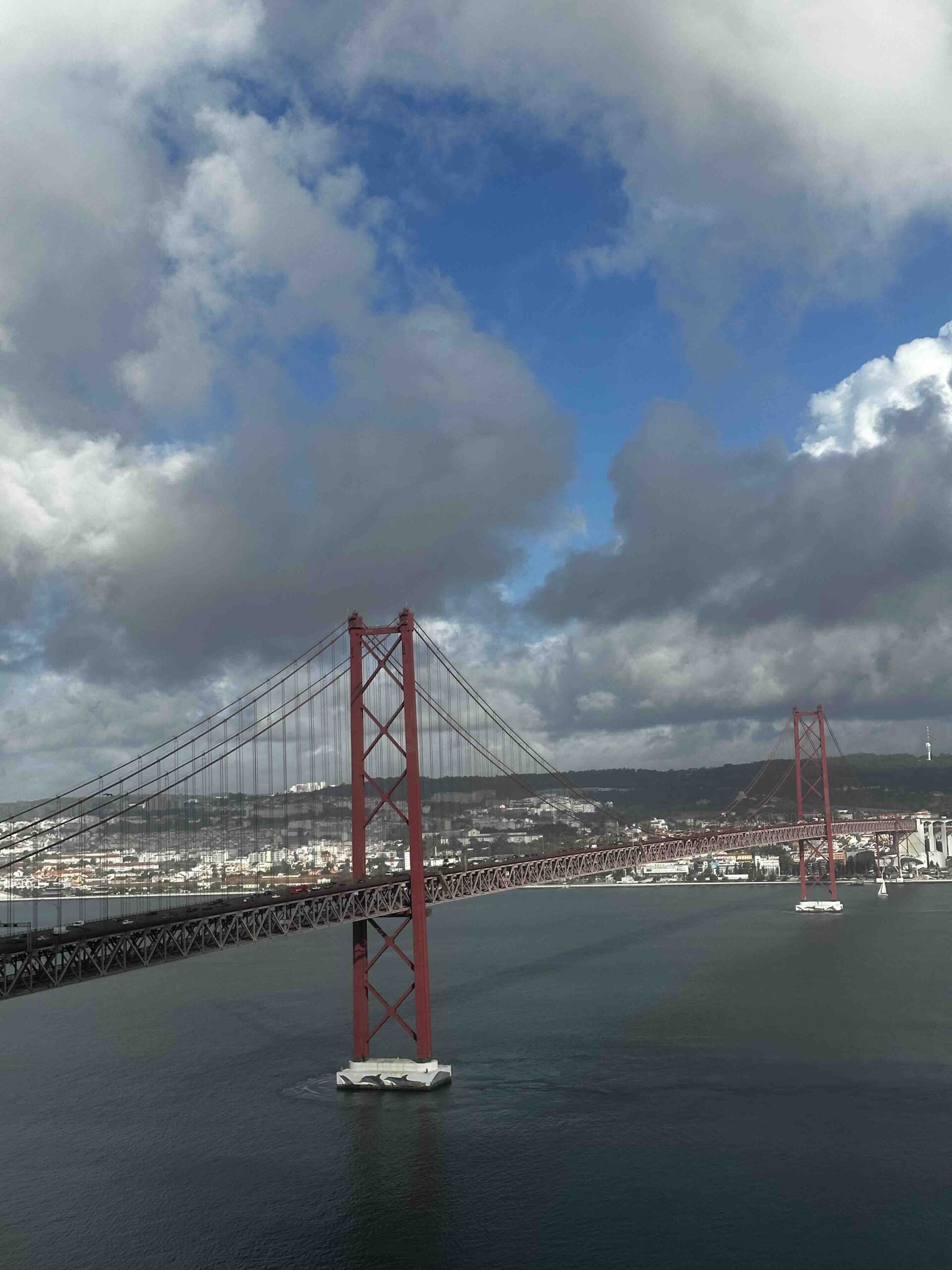
Coming from Rovaniemi — where summer means 25 °C on a warm day — our first July in Lisbon hit us like opening a preheated oven. The city is stunning, endlessly interesting, and genuinely worth visiting. But the heat in July is real, and most travel content either downplays it or buries it under six paragraphs of “but the views!”
So here is our honest take. Lisbon too hot in July is the question we get asked more than almost anything else about Portugal travel. We’ll give you actual temperatures, what they feel like on cobblestones, what you can do about it — and whether you should go at all.
Yes, Lisbon is hot in July — typically 30–36 °C in the afternoon, with some years pushing past 40 °C during heatwaves. It is very manageable if you shift your sightseeing to mornings and evenings, book air-conditioned accommodation, and use the city’s trams and covered markets as midday refuges. July is also the least rainy month of the year, guaranteed sunshine, and long golden evenings — which is exactly why so many people go despite the heat.
What the heat actually feels like on the ground in Lisbon in July
Lisbon in July averages a daily high of 29–31 °C. That sounds manageable — until you factor in that the city is built on seven steep hills, largely paved with small cobblestones that radiate heat from below, and that most of the famous viewpoints (miradouros) have zero shade. Walking from Rossio square up to São Jorge Castle at 2 pm in July is genuinely unpleasant. We watched a man turn around halfway up and walk back down.
The numbers behind the heat
- Average high: 29–31 °C (84–88 °F)
- Average low: 18–20 °C — nights are comfortable
- Heatwave spikes: in recent years Lisbon has recorded 40–44 °C during peak heat events (July 2023, July 2022)
- Rain days in July: roughly 2 — essentially zero rain
- UV index: 9–10 (very high) — this surprises a lot of Nordic travelers especially
- Atlantic breeze: yes, but unreliable — some days are breezy and entirely bearable; others are still and brutal
The cobblestone effect is real: stone pavements in full sun can reach 55–60 °C surface temperature. With us coming from Finland, where we’re not acclimated to Mediterranean summer, the first two days felt rough. By day four we had figured out the rhythm.
How the locals deal with it
The Portuguese do not fight the July heat — they route around it. Lunch runs from 1–3 pm and is long and shaded. Almost nothing interesting happens between 1 and 4 pm by design. Air conditioning is now standard in most restaurants, shops, and newer hotels, though some old-school pensions still run ceiling fans. The trams and the metro are cold. The covered market at Mercado da Ribeira is air-conditioned and excellent for a two-hour midday pause.
How to actually survive — and enjoy — July in Lisbon
This is the part most guides skip. It is not complicated, but it does require shifting your whole daily rhythm. Here is exactly what worked for us.
Lisbon at 8 am is a different city. The light is golden, the cobblestones are still cool, the miradouros are quiet, and the temperature is 20–22 °C. Do all your hill-climbing, castle-visiting, and walking tours before noon.
From roughly 1 to 4 pm, find a shaded restaurant or the Mercado da Ribeira and genuinely stop moving. Order the catch of the day, drink wine, let the city nap. This is not wasted time — this is exactly how you preserve energy for the beautiful long evenings.
This is non-negotiable. Check the listing carefully — many charming Alfama guesthouses have fans, not AC. A room that hits 32 °C at night will ruin your trip faster than anything else. Filter for “air conditioning” and check reviews specifically mentioning summer stays.
Do not walk between distant neighbourhoods in the afternoon heat. The Metro is fast, cheap, and cold. Tram 28 is hot and crowded in summer — romantic for a short ride, not a transport strategy.
July Lisbon quick-reference: 8 things to do differently in the heat
- Start sightseeing by 8 am. Castelo de São Jorge, the Alfama, Belém Tower — do these first. The queues are shorter and the temperature is bearable.
- Carry a refillable water bottle. There are free public drinking fountains (chafarizes) throughout the city. Refill often; dehydration creeps up quickly on cobblestones.
- Wear real sun protection. SPF 50 minimum. A light linen shirt beats a sleeveless top — it blocks UV and wicks sweat.
- Use the Belém riverfront for afternoon walks. There is a breeze off the Tagus; the wide esplanade offers more shade than the historic centre.
- Take a day trip to Sintra in the morning. Sintra is 20–25 km inland and several degrees cooler due to Atlantic moisture. Go on a weekday, arrive early.
- Book evening dinner reservations from 8 pm. By 8 pm the temperature drops to 24–26 °C, the city comes alive, and the long summer light makes terrace dining genuinely lovely.
- Day trip to Setúbal or Arrábida for the beach. The Arrábida coast (45 min from Lisbon) has turquoise water and dramatic cliffs. The sea here is the Atlantic — cool and refreshing even in peak July.
- Download the Lisboa Viva transport app. Moving via Metro and trams in peak heat is both cooler and faster than any taxi or walk.
Get our best travel tips in your inbox
Monthly stories from Rovaniemi — Arctic tips, packing lists, and the places we keep coming back to.