The Helsinki–Stockholm Overnight Ferry: What It’s Actually Like
We’ve taken the Helsinki–Stockholm overnight ferry more times than we can count — with kids, without kids, on a budget, and splurging on a cabin upgrade. Here is what nobody tells you before you board.
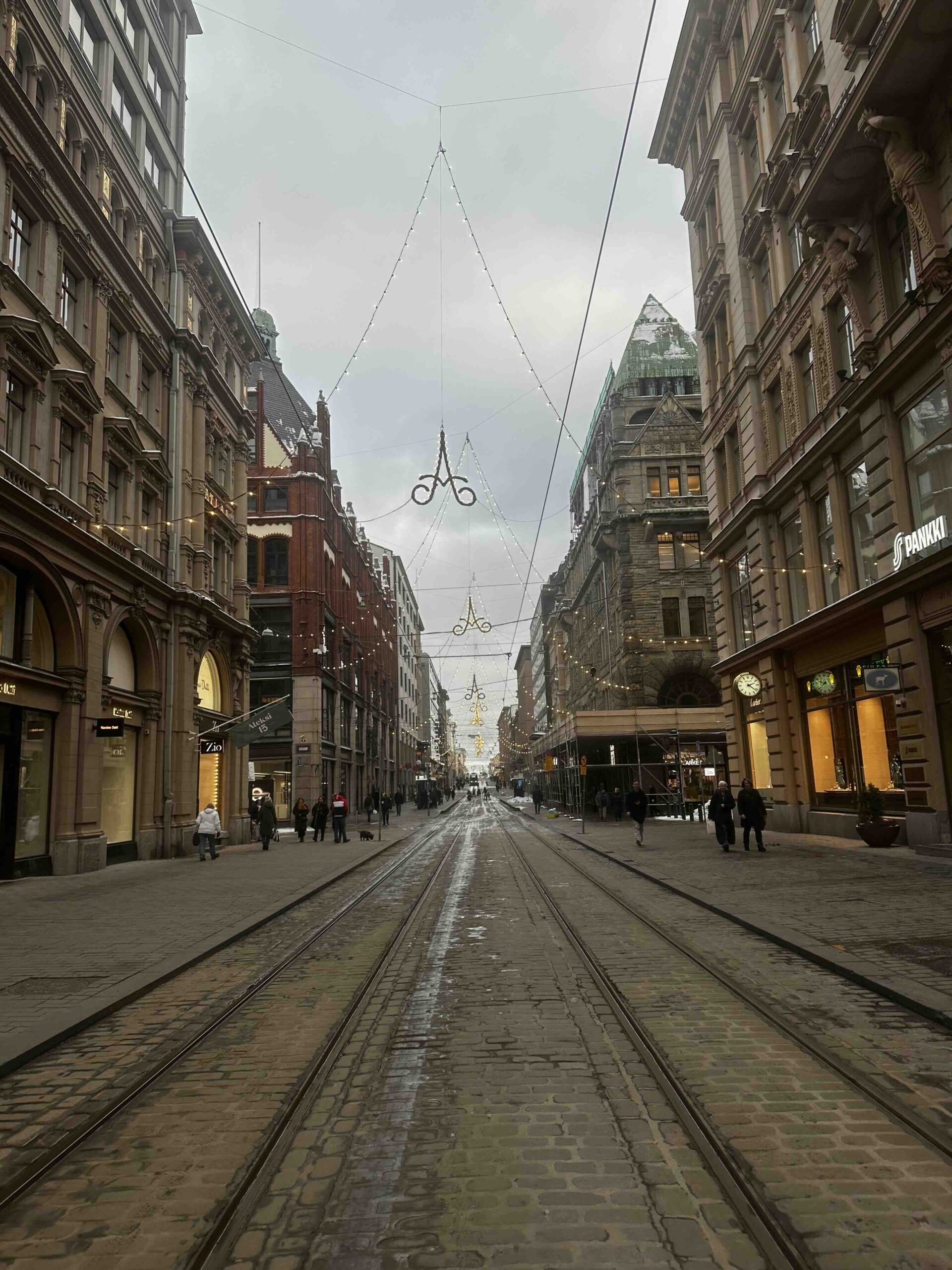
From our home in Rovaniemi, Stockholm is a familiar destination — a city we’ve flown to for work trips, drifted through on weekends, and crossed by sea more times than we’ve crossed by air. The Helsinki–Stockholm overnight ferry is one of the most iconic routes in the Baltic: you board in the evening, sail through the archipelago, and wake up in a new capital. We’ve done it in a tiny budget cabin with two small kids, and we’ve done it with a sea-view suite and dinner at the à la carte restaurant. Both trips were worth it, just in very different ways.
This is the guide we wished we had the first time — the honest one, with real costs, real trade-offs, and the things that surprised us even after multiple crossings.
The Helsinki–Stockholm overnight ferry takes around 16 hours, operated mainly by Tallink Silja and Viking Line. It’s a genuine experience — part cruise ship, part budget travel hack — and one of the best-value ways to cross between Finland and Sweden. Budget for €40–200+ per person depending on cabin type and season.
The Helsinki–Stockholm overnight ferry: route and operators
Who runs the route
Two companies dominate the Helsinki–Stockholm crossing: Tallink Silja (flagship route: Helsinki’s West Harbour to Stockholm’s Frihamnen) and Viking Line (departing from Helsinki’s South Harbour). Both operate large, purpose-built cruise ferries — ships carrying up to 2,800 passengers, with restaurants, bars, shops, spas, and entertainment on board. The journey takes roughly 16–17 hours, departing in the late afternoon or early evening from both ends and arriving the following morning.
The route itself
Half of what makes this crossing special is the scenery. Leaving Helsinki, you sail through the Finnish archipelago — thousands of small islands, granite skerries, and forested islets that gradually thin out as you reach open sea. In summer, this stretch stays lit until well past midnight, and watching it from the deck with a drink is genuinely one of the great Baltic experiences. The Stockholm arrival mirrors it: the ship threads through the Swedish archipelago at dawn, which on a clear morning is as beautiful as anything we’ve seen from a ferry deck.
Cabin types: what to actually book
This is where most first-timers go wrong. The range of cabin options on a Baltic cruise ferry is genuinely wide — and what you book will define your entire experience.
The main options and our honest take on each
- Deck passage (cheapest): a seat or reclining chair in a public lounge. Fine for students or for one direction on a tight budget. We’ve done it. Sleep is patchy and you’ll arrive more tired than you left. Not recommended if you’re over 25.
- Interior/economy cabin (our budget pick): a small windowless room with bunk beds, decent bedding, and your own bathroom. It’s genuinely fine. Earplugs help. This is how we brought the kids the first time — it worked well, they slept through everything, and we saved significantly over a window cabin.
- Sea-view cabin: worth it for the archipelago departure if you can stretch the budget. The view while leaving Helsinki in the evening and arriving Stockholm at dawn is the main reason to pay extra. If you’re only doing this once, book a sea-view cabin for the Stockholm arrival — watching the Swedish islands through your porthole at 7 am is something you won’t forget.
- Superior/suite cabins: Tallink Silja’s upper-tier cabins have more space, better finishes, and sometimes a private deck or lounge access. Genuinely comfortable. Worth considering if you’re treating this as the trip, not just the transfer.
Practical cabin tips
- Book a lower deck cabin if you’re prone to seasickness — the Baltic can be rough in autumn and winter, and lower decks feel less motion.
- Cabin doors are thick but the corridors can get noisy in the first hour after boarding. Bring earplugs regardless of cabin type.
- Check the cabin number range on the booking form — on Tallink Silja, cabins in the 8000–9000 range tend to be amidships, which is calmer in rough weather than forward or aft.
What the onboard experience is really like
The ships are large. Tallink’s Galaxy and Silja Serenade carry thousands of passengers, and it shows — these are floating small cities with multiple decks of restaurants, bars, duty-free shopping, a spa, a pool, and nightly entertainment. Whether this sounds wonderful or exhausting depends entirely on what you want from the crossing.
The Helsinki–Stockholm ferry is one of the last major Baltic routes where you can still buy duty-free goods on board. For Finnish and Swedish passengers, this is a significant draw — the ships are packed on Friday evenings with people buying wine, beer, and spirits at non-Nordic prices. If you’re traveling from outside Scandinavia, it’s a novelty; if you live here, it’s genuinely useful.
Every ship has a “lido” buffet, which is all-you-can-eat and surprisingly decent — think smoked salmon, herring, roast meats, salads, and desserts. It’s not cheap (roughly €30–45 per person), but it’s filling and atmospheric. The à la carte restaurants on the upper decks are better quality and quieter. Budget travelers can bring their own food — there are no restrictions on eating in your cabin.
There are live music acts, DJs, and sometimes stand-up or comedy shows — quality varies. The ships are popular with hen parties and groups celebrating milestones, which means the main bars can get very loud by 10 pm. We tend to have dinner, walk the deck, and retreat to the cabin by 11 — which means we actually arrive rested, unlike the revelers who show up for breakfast looking slightly haunted.
Both operators are genuinely family-friendly. There are kids’ clubs, play areas, and indoor pools. Our kids have always slept brilliantly once the ship gets moving — the gentle vibration and white noise are better than any sound machine. We pack their usual bedtime items (books, small toys) and treat the cabin like a hotel room from the moment we board.
Related Read Thinking about an Interrail pass for the rest of your Scandinavian trip? Is the Interrail Pass Still Worth It in Summer 2026?
Quick-reference: what to bring and book in advance
- Cabin booking: book at least 3–4 weeks ahead for summer or holiday weekends — sea-view cabins sell out first.
- Dinner reservation: if you want the à la carte restaurant, pre-book online when you buy the ticket — tables fill up fast on Friday and Saturday sailings.
- Earplugs (always, regardless of cabin type).
- A light jacket or fleece for deck time — even in summer, the Baltic wind at sea is cold after dark.
- Breakfast plan: the buffet breakfast is included in some packages; check your booking. If not, it’s €18–25 — decent but not exceptional. We usually grab coffee from the café and save ourselves for Stockholm brunch.
- Arrival time awareness: disembarkation can take 30–45 minutes on busy sailings. Factor this into your Stockholm morning plans.
- Seasickness medication if you’re at all prone — the Baltic in October–February can be genuinely rough.
- Your passport or EU ID card — even as an EU citizen, you’ll need ID for boarding, and Swedish border control occasionally checks.
Get our best travel tips in your inbox
Monthly stories from Rovaniemi — Arctic tips, packing lists, and the places we keep coming back to.