Greece in Summer: Which Islands Are Worth the Crowds?
We visited Greece with no fixed plan and came back with strong opinions. Here is our honest breakdown of the Greek islands in summer — which ones justified the crowds, which ones didn’t, and how to make your Greek islands summer trip actually work.
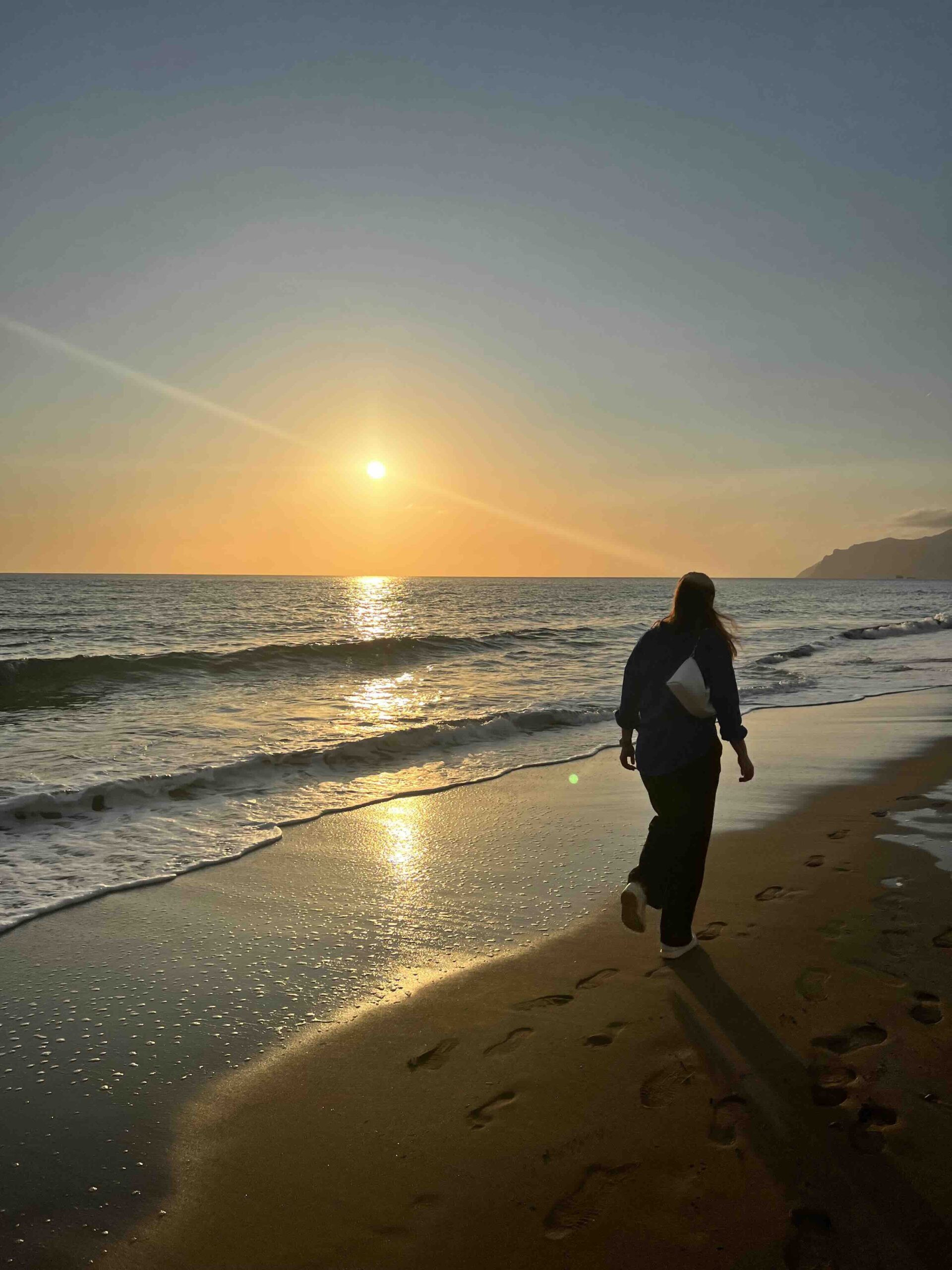
We came to Greece with the same question every Northern European eventually asks themselves: is it really worth the hype in peak summer? We’ve spent weeks island-hopping across the Aegean, from the postcard-famous to the genuinely overlooked. Living in Rovaniemi, where summer means the midnight sun and empty forests, the contrast of a scorching Greek island in July is hard to overstate. And yet we kept going back.
This is not a generic listicle of “top Greek islands” recycled from a tourism board. We are going to tell you which Greece islands summer experiences we thought were genuinely worth the effort, which felt like tourist traps in disguise, and how to tilt the odds in your favor regardless of budget or island preference.
Santorini and Mykonos deliver on their promise if you visit the right way — arrive early, stay late, avoid July–August peak if possible. Crete is the best all-rounder for value and variety. Naxos and Milos offer genuine serenity without sacrificing beauty. Rhodes is underrated. And the northern Aegean islands (Lesvos, Samos, Thassos) are almost entirely crowd-free and worth a serious look for summer 2026.
Why Greek islands summer still makes sense in 2026
We get it. Every travel publication runs the same warning every June: “Greek islands are overcrowded, overpriced, overrated.” We have said similar things ourselves. But after visiting Greece multiple times, across different islands and different seasons, our honest conclusion is more nuanced.
The case for going despite the crowds
The Greek islands in summer have a quality that is genuinely hard to replicate elsewhere. The light is extraordinary — that particular shade of blue-gold you only get when the Aegean reflects a late-afternoon sun. The food is outstanding at almost every price point. The sea is warm enough to swim in without hesitation, which coming from Finland we do not take lightly. And the rhythm of island life, even on the busy ones, has a looseness to it that northern Europe simply does not offer.
- The sea temperature: 25–28°C in July–August. We have swum in Finnish lakes at 18°C and told ourselves it was refreshing. The Aegean in summer is a different universe.
- The ferry network: Greece has one of Europe’s best domestic ferry systems. Island-hopping is genuinely easy and relatively affordable if you plan a few days ahead.
- The food: Fresh grilled octopus, fava from Santorini, loukoumades at midnight — the eating in Greece is as good as the scenery.
- The range: From hyperactive party islands to near-deserted fishing villages, the archipelago has something for almost every travel style, often within a short ferry ride of each other.
The honest caveats
- July and August are genuinely intense: Santorini at sunset in August is beautiful and also slightly chaotic. Hotels at the caldera edge sell out months in advance. Temperatures hit 35–40°C with some regularity.
- Prices have risen sharply: A mid-range double room in Oia or Mykonos Town can easily run €300–600 a night in peak. Budget options exist but require more effort and earlier booking than they used to.
- Not all islands justify the hype equally: Some famous ones punch above their weight. Others coast on Instagram reputation. We will be specific.
The famous islands: Santorini, Mykonos, and Crete — honest verdicts
Let’s do the main events first. These three islands dominate the conversation for good reason, and we have visited all of them.
Santorini: worth it, but the clock matters
Santorini is one of very few places in the world that looks exactly like its photographs. That caldera view from Oia or Fira at sunset is, genuinely, breathtaking — and we are people who see dramatic landscapes regularly from our home in the Arctic. The problem is timing. In July and August, Oia at sunset is shoulder-to-shoulder. The main village streets become slow queues. If you can visit in late May, June, or September, you get the same light, the same caldera, and roughly a third of the people.
- Best for: couples, honeymoons, sunset chasers, volcanic beach lovers (Perissa and Kamari).
- Best base: Imerovigli for views with slightly fewer crowds than Oia; Akrotiri for a quieter south-end base.
- Worth it in peak summer? Yes, with caveats. Stay at least 3 nights, book caldera accommodation 3–5 months ahead, and wake up before 7 am to see Oia undisturbed.
Mykonos: not for us, maybe for you
We will be honest: Mykonos is not our kind of island. It is loud, it is expensive, and it is relentlessly party-focused in a way that does not match how we travel. But we are not the target audience, and that is okay. Mykonos in summer is spectacular for people who want high-energy beach clubs, world-class DJs, and a cosmopolitan atmosphere that genuinely rivals Ibiza. The Little Venice sunset views are legitimately beautiful. If that is what you are after, Mykonos delivers. Just know that “mid-range” here starts where “expensive” ends elsewhere in Greece.
- Best for: party travellers, luxury beach seekers, food-and-drink focused visitors.
- Best base: Mykonos Town for atmosphere; Ornos or Platis Gialos for beach-first stays.
- Worth it in peak summer? If the nightlife and energy appeal, yes. If you want quiet beauty, go literally anywhere else.
Crete: the most underrated of the famous three
Crete is the one we keep recommending to people who feel priced out of Santorini or intimidated by Mykonos. It is the largest Greek island, which means it absorbs tourists more gracefully. The old town of Chania is one of the most beautiful we have walked in the Mediterranean. The Samaria Gorge hike is genuinely spectacular. The beaches of Elafonissi — pink-tinged sand, turquoise shallows — are among the most memorable we have seen anywhere in Europe. And the food in Crete, particularly the mezedes and the locally produced olive oil and wine, is outstanding even by Greek standards.
- Best for: families, hikers, food lovers, couples who want variety over exclusivity.
- Best base: Chania for western Crete; Heraklion for archaeology and central access; Agios Nikolaos for eastern Crete.
- Worth it in peak summer? Absolutely. Just skip the very busiest beaches (Vai, Elafonissi) between 11 am and 4 pm and you will be fine.
Related read If you are still deciding between the Greek islands and the Faroe Islands for summer 2026, our comparison guide breaks down the exact differences in crowds, costs, and scenery. Iceland vs Faroe Islands: Which North Atlantic Escape in 2026?
Greek islands summer 2026: quick-reference comparison
Use this as a planning shortcut. The islands below are the ones that come up most often when people ask us for a Greece recommendation — we have tried to be specific about what each one actually delivers versus what it is known for.
- Santorini — Crowd level: very high (peak) / Prices: premium / Best for: romance, sunsets, volcanic beaches / Avoid: Oia after 4 pm in August
- Mykonos — Crowd level: very high / Prices: premium+ / Best for: nightlife, luxury beach / Avoid: expecting a quiet getaway
- Crete — Crowd level: moderate–high (varies by town) / Prices: mid-range–premium / Best for: variety, food, hiking, families
- Rhodes — Crowd level: moderate / Prices: mid-range / Best for: history lovers, families, beach + culture combo / Standout: Old Town medieval quarter (UNESCO)
- Naxos — Crowd level: moderate / Prices: mid-range / Best for: families, beach lovers, local food / Standout: largest Cycladic island with farms and mountains
- Milos — Crowd level: low–moderate / Prices: mid-range–premium / Best for: geology lovers, photographers, off-beaten-path seekers / Standout: Sarakiniko lunar beach
- Paros — Crowd level: moderate / Prices: mid-range / Best for: watersports, windsurfers, nightlife-lite / Good balance between famous and relaxed
- Lesvos — Crowd level: low / Prices: budget–mid / Best for: culture, olive groves, birdwatching, authentic Greece
Get our best travel tips in your inbox
Monthly stories from Rovaniemi — Arctic tips, packing lists, and the places we keep coming back to.
Quieter alternatives worth considering for summer 2026
The northern Aegean and some of the Dodecanese islands remain genuinely under the radar, even in summer 2026 when Greek tourism is at record highs. These are the ones we would send a friend to if they asked for the real Greece without the crowds.
- Lesvos (Mytilene): Greece’s third-largest island and almost entirely skipped by package tourists. Olive groves, thermal springs at Polichnitos, beautiful Molyvos village with a Genoese castle, and one of the best sardine festivals in Greece (mid-August, Kalloni). Fly direct from many European cities or ferry from Athens or Chios.
- Samos: Lush and green compared to the dry Cyclades — vineyards, mountain villages, the ancient Temple of Hera. Only a short boat ride from Turkey. Busy enough to have good infrastructure, quiet enough to find empty beaches.
- Thassos: Covered in pine forests, with marble beaches and a surprisingly cool microclimate. Close to Kavala in northern Greece. Almost no international tourists, mainly Greek families. Excellent value.
- Ikaria: Famous for its high concentration of centenarians (one of the world’s original Blue Zones) and its legendarily relaxed attitude to schedules. Ferries run when they run. Tavernas open when the owner feels like it. It is either maddening or exactly what you need.
- Naxos: Our favourite Cycladic island that is not Santorini. Big enough to feel like it has its own life beyond tourism, good ferry connections to surrounding smaller islands, excellent local food (cheese, potatoes, citron liqueur), and some of the best beaches in the Cyclades (Plaka, Agios Prokopios).
- Rhodes Old Town: We are listing just the Old Town because the rest of Rhodes is fairly standard package-holiday territory. But the UNESCO-listed medieval town — walking the Street of the Knights, the Palace of the Grand Master, the old harbour — is genuinely one of the best-preserved medieval towns in Europe and is worth a two-night stop on any Aegean trip.
Related read Thinking about combining Greece with another destination? Read our guide on Corfu vs Crete: Which Greek Island First for a focused comparison of the two most popular entry points.
Mistakes we made island-hopping in Greece (so you don’t have to)
- We booked a fast ferry and it was cancelled: High winds in the Aegean — especially around the Cyclades — can cancel fast ferries with very short notice. We once waited 18 hours in Piraeus because the morning high-speed was pulled. Now we always book conventional ferries for critical connections and treat fast ferries as a bonus.
- We stayed in the most famous village on Santorini and hated the nights: The caldera-view hotels in Oia are magical for sunset. At 2 am, when the last restaurant closes and you are trying to sleep with a caldera view you are paying €400 a night for, the noise from the terraces below is considerable. We wished we had stayed in Fira or Imerovigli and day-tripped.
- We underestimated how long island-hopping actually takes: A 4-hour ferry with a 90-minute check-in, followed by finding your accommodation on foot in 35°C heat, is a half-day of travel. We tried to do three islands in five days once. We saw ferry terminals, mostly.
- We skipped Rhodes because it seemed too touristy: We regret this. The Old Town alone is worth two days. We finally went in autumn and felt like we had wasted years avoiding it.
- We over-planned the beach days: Greece’s best beach moments tend to happen when you follow a local tip or turn down an unmarked road. We have learned to leave some days with no itinerary and a scooter tank of petrol.
Frequently asked questions about Greece in summer
Is Greece too crowded in summer to be enjoyable?
It depends which islands you choose and when you visit. The famous Cyclades (Santorini, Mykonos) are very busy from mid-July through August. Crete, Rhodes, and the northern Aegean islands remain manageable year-round. September is our strongest recommendation for anyone with flexibility — the sea is still warm, prices drop, and the crowds thin significantly.
Which Greek island is best for families in summer?
Crete is the most consistently family-friendly: it has excellent shallow beaches (Elafonissi, Balos), a huge range of accommodation at every budget, good infrastructure, and enough non-beach activities to keep a multi-generational group happy. Naxos and Rhodes are also strong family options. Mykonos and Santorini are generally better suited to couples and adult groups.
How much does a week in Greece cost in summer 2026?
Budget travellers staying in guesthouses and eating at local tavernas can manage €80–120 per person per day including accommodation, food, activities, and local transport. A mid-range week for two (€150–200 per person per day) covers comfortable hotels, a mix of restaurants, and ferry tickets. On Santorini or Mykonos specifically, add 30–50% to those figures for peak weeks. We have a full cost breakdown in our Greece cost guide for 2026.
Is it safe to travel between islands by ferry in summer?
The ferry network is well-established and very safe. The main issue is weather: the Meltemi wind in July–August can be strong enough to cancel or delay fast ferries, especially in the Cyclades. Always give yourself a buffer day before a flight home, and consider booking the slower conventional ferries for critical connections rather than relying on high-speed services.
Can you do a Greek islands trip on a budget in peak summer?
Yes, with some planning. Staying on Crete, Lesvos, Thassos, or Samos instead of Santorini and Mykonos immediately cuts accommodation costs by 40–60%. Travelling by ferry rather than internal flights, eating at lunchtime specials (many tavernas offer fixed-price lunch menus), and renting a scooter instead of taxis all help. Self-catering accommodation also makes a significant difference on a week-long stay.
Which Greek island has the best food?
Crete has the strongest local food culture — it has its own culinary traditions distinct from mainland Greece, with exceptional olive oil, cheeses (graviera, mizithra), slow-cooked lamb, and Cretan raki. Lesvos is known for ouzo and sardines. Santorini has unique produce from volcanic soil: white aubergines, fava, and a distinctive cherry tomato. In general, any island with a significant local fishing community will have excellent fresh seafood at reasonable prices.
A final word from Rovaniemi
The Greek islands summer debate — too crowded, too hot, too expensive — is largely a matter of expectations and planning. We have come home from Greece sweaty and slightly sunburned and completely happy more times than we can count. We have also come home frustrated, once, because we booked the wrong island in the wrong month and did not adapt quickly enough.
Our general advice: do not chase the Instagram version of Greece. Chase the version where you are sitting at a table under a vine canopy at 9 pm, eating grilled fish that arrived this morning, drinking local wine, and not thinking about anything else for a few hours. That version of Greece is still very much available in summer 2026, if you are willing to look half a step beyond the obvious.
We will keep updating this guide as we visit more islands. If you have been somewhere we have not mentioned and think it deserves more attention, reach out — we genuinely appreciate recommendations from people who travel the same way we do.
— Joona & Alla, Rovaniemi
Joona & Alla
We are a Finnish-Ukrainian couple based in Rovaniemi, Finnish Lapland, and between us we have visited 25 countries across Europe and Asia. Joona works in marketing and travel; Alla in content and AI. We started Hungry Travel Family because we were tired of travel content that told you where to go without telling you what it is actually like. Everything we write, we have done ourselves.
More about us →