Food in Denmark: What to Expect
A Rovaniemi couple who has eaten their way through Copenhagen and beyond breaks down Danish food honestly — what to order, what to skip, and how much it’ll cost you.
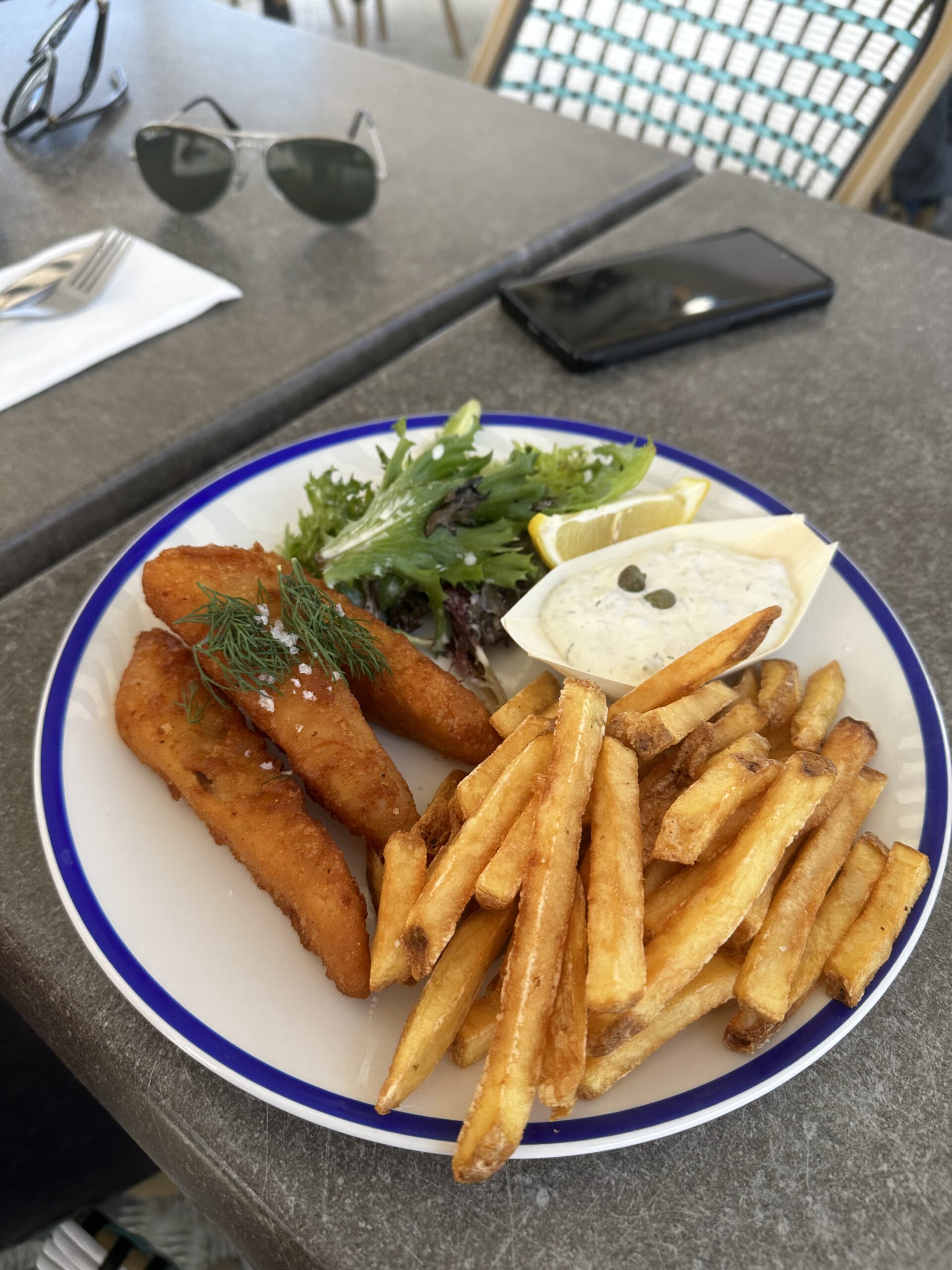
We came to Denmark expecting minimalist food. We left thinking Danish food might be one of the most underrated culinary scenes in Northern Europe. After several visits to Copenhagen and a road trip through Jutland, here is our honest take on what to expect when you eat in Denmark — not the Noma version, the real version.
Danish food surprised us both as a Finn and a Ukrainian. There are flavours here that feel genuinely Nordic — cold, clean, slightly sour — and then there are sweet pastries that will ruin every other bakery for you. This guide is about Danish food as we actually found it, at street level.
Danish food centres on open sandwiches (smørrebrød), rye bread, wienerbrød pastries, pickled herring, and meatballs. It is not cheap — expect to pay €12–20 for a lunch and €30–60 for dinner. The quality is consistently high and portions are generous. Street food markets are your best budget option. Skip the tourist-trap restaurants near Nyhavn; walk two streets away and things improve immediately.
What Danish food actually is
Danish cuisine sits at the Nordic crossroads — influenced by Germany in the south, Sweden to the north, and a North Atlantic fishing tradition that shapes the menu in ways visitors don’t expect. It is not dramatic or spicy. It is precise, seasonal, and quietly proud.
The building blocks of a Danish meal
If you strip Danish food back to its essentials, three things define it: rye bread, pork, and dairy. Almost every traditional dish involves at least one of these. Denmark is one of the largest pork producers in Europe (more pigs than people), and that shapes the menu from breakfast to dinner.
- Rugbrød (rye bread): dense, dark, slightly sour, and nothing like the sliced bread you know. It forms the base of smørrebrød and is eaten at almost every meal. Once you adjust to the texture, you’ll want to take some home.
- Smørrebrød: the open-face sandwich that is essentially the national lunch dish. One thick slice of buttered rye bread, topped with herring, roast beef, egg, shrimp, or liver pâté. Eaten with a knife and fork, not your hands.
- Pork: roast pork with crackling (flæskesteg) is the national dish. You’ll also find pork meatballs (frikadeller) everywhere, often served warm or cold in a smørrebrød topping.
- Dairy: Danish butter is exceptional. The pastries are made with it, the rye bread is spread with it, and several classic desserts are cream-heavy. If you’re lactose intolerant, you’ll need to plan ahead.
Smørrebrød: the open sandwich explained
We want to spend a moment on smørrebrød because it is the single thing most visitors get wrong — either skipping it entirely or eating a tourist-grade version at a Nyhavn café and writing it off.
How to order and eat it properly
A proper smørrebrød lunch is an event. You order two or three pieces — each a different topping — and eat them in a traditional sequence: herring first, then meat, then cheese. This ritual still exists in Copenhagen lunch restaurants and is one of the genuinely authentic food experiences you can have in Denmark.
The classic opener. Usually marinated in vinegar and spices or served in a cream sauce with onion. Comes on rye bread with a few capers. Don’t be afraid of it — if you like sour flavours, this is excellent.
Thin slices of cold roast beef with remoulade, crispy onions, and horseradish. One of the most satisfying things you’ll eat in Denmark and available almost everywhere.
Cold, tiny, and sweet. Piled high on buttered white bread with mayonnaise, lemon, and dill. Not rye bread — this one uses white toast. Found at every fish market and most lunch spots.
Warm liver pâté spread thick on rye with crispy bacon and mushrooms. Danes eat this like we eat peanut butter — it is a daily staple, not a fancy dish. Underrated for visitors.
Must-try dishes in Denmark
Beyond smørrebrød, here are the dishes worth specifically hunting down. We’ve tried all of these on our trips and would order them again.
- Flæskesteg (roast pork with crackling): Denmark’s national dish, eaten especially at Christmas but available year-round. The crackling is taken seriously — look for golden, blistered skin that snaps cleanly.
- Frikadeller (pork meatballs): pan-fried, slightly flattened, and served with boiled potatoes, brown gravy, and pickled red cabbage. Simple and deeply satisfying.
- Æbleskiver (apple pancake balls): round, light batter balls eaten with powdered sugar and jam, usually at Christmas markets but also in cafés. Worth trying even in summer if you find them.
- Rød pølse (red hot dog): the Danish hot dog — bright red, served in a white bun from a pølsevogn (sausage cart). Topped with remoulade, ketchup, mustard, crispy onions, and pickled cucumber. This is a cultural institution, not just street food.
- Tarteletter (pastry shells with filling): small puff pastry shells filled with chicken, asparagus, and white sauce. An old-fashioned classic that is making a comeback.
- Koldt bord (cold table): the Danish version of a buffet spread — cold cuts, herring varieties, cheeses, salads. Found at hotels and traditional restaurants. Go hungry.
The Danish pastry situation
Let us be direct: what Denmark calls a wienerbrød (“Vienna bread”) is what the rest of the world calls a Danish pastry. And the ones in Denmark are substantially better than anything you’ve had elsewhere. This is not nostalgia — it is butter quality and lamination technique.
What to look for
- Spandauer: the classic square pastry with a cream or jam centre. The benchmark for any bakery.
- Kanelsnegl (cinnamon roll): denser and less sweet than the Swedish kanelbulle. Eaten warm with coffee. Available everywhere.
- Tebirkes: a flaky, poppy-seed-covered pastry filled with remonce (a sweet butter-almond filling). Very Danish, very worth it.
- Hindbærsnitte (raspberry slice): layered pastry with raspberry jam and white icing. Sold at supermarkets and bakeries. A quick and cheap Danish sugar hit.
Bakeries in Denmark open early and the best pastries are gone by 10 am. Plan accordingly. A good benchmark: if the place has queues of local office workers at 8 am, you’re in the right bakery.
What Danish food costs
Denmark is expensive for food. There is no way around it, and we’d rather give you real numbers than vague warnings.
- Bakery breakfast (coffee + pastry): €6–10.
- Lunch smørrebrød (2–3 pieces + a beer): €20–35 at a sit-down restaurant. €12–18 at a market or takeaway.
- Hot dog from a pølsevogn: €4–6. One of the genuinely affordable street food options.
- Street food market meal: €12–18 for a main, €3–5 for a drink. Reffen and Torvehallerne in Copenhagen are the best options.
- Mid-range restaurant dinner (per person, no wine): €35–55.
- Fine dining / tasting menu: €150–300+ per person. Copenhagen has some of the best restaurants in the world — it is also the most expensive category in one of the most expensive cities in Europe.
- Supermarket self-catering: €10–15 per person per day if you shop at Netto, Fakta, or Rema 1000. Rye bread, cheese, cold cuts, and pastries from supermarkets are excellent quality.
Where to eat like a local
The difference between a good and a mediocre food experience in Denmark usually comes down to where you choose to eat, not what you order.
- Avoid Nyhavn restaurants: beautiful canal, overpriced menus. Mostly frozen food and tourist pricing. Walk two streets inland and things improve dramatically.
- Torvehallerne food market (Copenhagen): two covered market halls with excellent vendors — fresh fish, cheese, smørrebrød, Thai food, Nordic fast food. Best lunch option in the city centre.
- Reffen street food market (Refshaleøen): an outdoor street food market in a former industrial harbour. Cheap, local, international options. Requires a short cycle or bus ride from the centre.
- Neighbourhood bakeries: every Danish neighbourhood has one. Leave the tourist areas and find the one your hotel receptionist goes to in the morning.
- Traditional lunch restaurants (frokostrestaurant): these serve smørrebrød at lunch only, close by 3 pm, and are where Danes eat on special occasions. Schønnemann and Palægade in Copenhagen are institutions.
- Supermarkets for breakfast and snacks: Danish supermarkets stock excellent ready-to-eat options — the bakery section alone is worth a visit.
What to avoid
A few things that trip up first-time visitors to Denmark when it comes to food.
- Assuming “Danish” means sweet: the food is actually often salty, sour, and savoury. The sweetness lives in the pastry section, not the main meals.
- Eating near major tourist sights at peak hours: the Little Mermaid, Tivoli, and Nyhavn all have restaurants nearby that serve mediocre food at high prices. Almost any other option in the city will be better.
- Skipping the rye bread: it looks dense and unexciting. It is not. Give it a proper try with good butter and proper toppings before forming an opinion.
- Ordering tap water and expecting it to be charged: tap water is free in Denmark, always, and is perfectly good. No need to buy bottled water at any point.
- Expecting vegetarian-friendly menus everywhere: Denmark is a pork-heavy country. Vegetarian options exist but require more effort outside major cities. Vegans should research specific restaurants before going.
- Going to Noma expecting lunch: the famous restaurant is a tasting menu dinner experience that requires months of advance booking and costs hundreds of euros. It is not typical Danish food and it is not open to walk-ins.
Frequently asked questions
Is Danish food similar to Swedish or Norwegian food?
There is overlap — rye bread, pickled herring, and meatballs appear across all three countries. But Denmark is more influenced by German and Central European cooking, with heavier use of pork and dairy. The pastry tradition is also distinctly Danish. Norwegian and Swedish food tends to be plainer and fish-heavier.
What is the most iconic Danish dish for a first-time visitor?
Smørrebrød — the open-face rye bread sandwich. It is uniquely Danish, available everywhere, and represents the food culture better than anything else. Start with roast beef or herring and work from there.
Are there good vegetarian or vegan options in Denmark?
Copenhagen has excellent vegetarian and vegan restaurants — the city is genuinely progressive on this front. Outside the capital, options narrow considerably. Traditional Danish cuisine is pork-centric, so you’ll need to search more deliberately in smaller towns.
How much should I budget for food per day in Denmark?
Budget travellers eating at markets and buying supermarket lunches can manage on €25–35 per day. Mid-range travellers eating one sit-down meal daily should budget €50–70. If you want restaurant dinners every night, €80–120+ is more realistic.
Is the tap water safe to drink in Denmark?
Yes, completely. Copenhagen has some of the best tap water in Europe and Danes are proud of it. Never pay for bottled water — just ask for a glass of tap water anywhere.
What is a pølsevogn and where do I find one?
A pølsevogn is a traditional Danish hot dog cart — a small wheeled stand selling red sausages (rød pølse) in various styles. They are found at train stations, squares, and busy streets in every Danish city. Getting a hot dog from one is a genuine local experience that costs €4–6.
Joona & Alla
A Finnish-Ukrainian couple living in Rovaniemi, Finland. Joona is a marketing professional in Lapland tourism; Alla is an AI Engineer. Together we’ve visited 25 countries and share honest, locally-grounded travel writing from our home in the Arctic.
Read our full story →