Faroe Islands Travel Guide: Everything We Wish We’d Known
We came for the puffins and the cliffs. We stayed longer than planned, got fog-blocked on Gjógv, and ate lamb stew in a village of twelve people. Here is the honest Faroe Islands travel guide we wish someone had handed us at the gate.
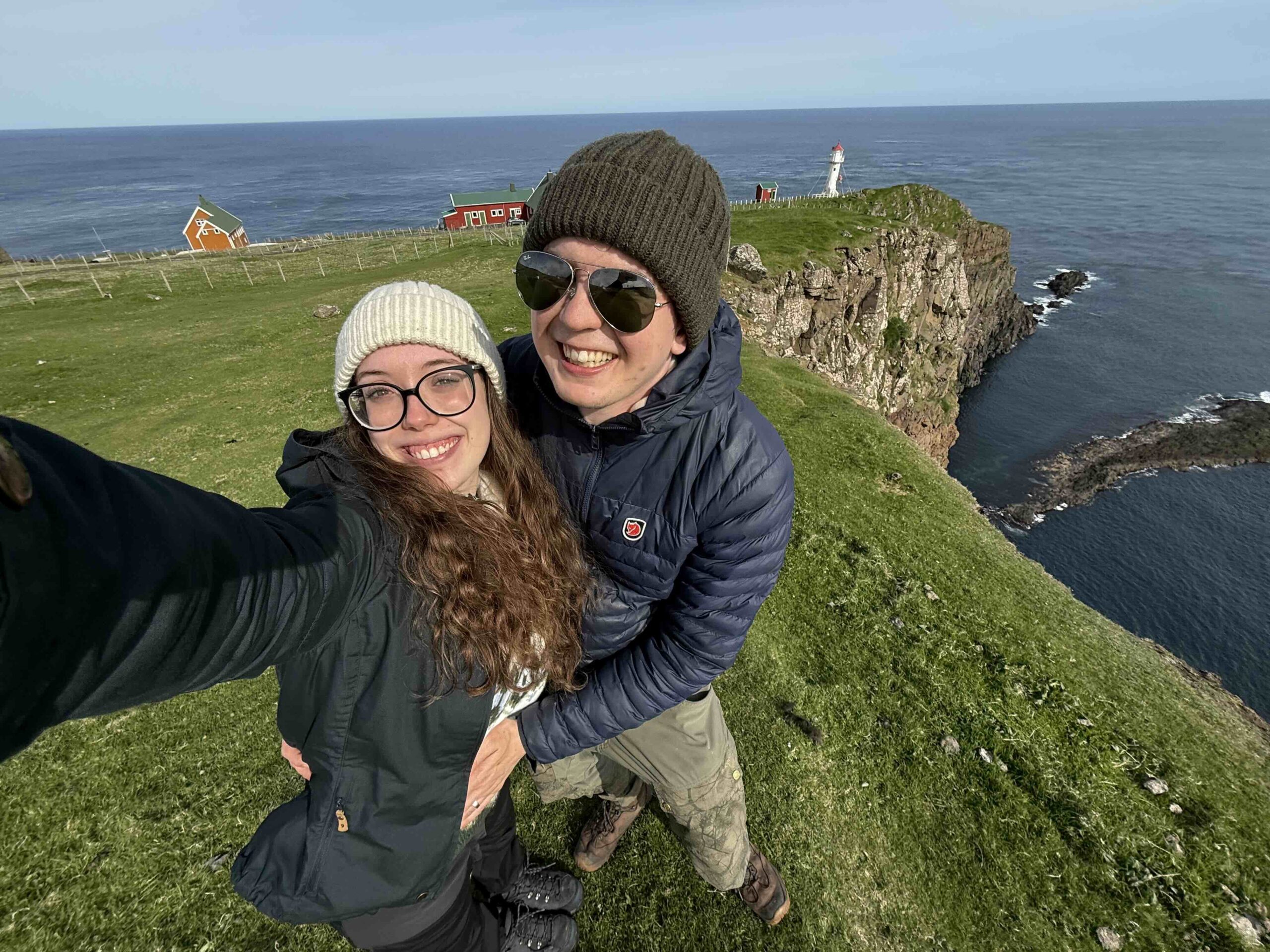
We first flew into Tórshavn on a grey May morning, not entirely sure what to expect. Coming from Finnish Lapland, we’re used to dramatic, quiet northern landscapes — but the Faroes hit differently. Every road ends at a cliff edge. Every tunnel might emerge into a fjord. Every village looks like it was dropped there by accident and decided to stay.
This Faroe Islands travel guide is built on that trip, plus research from the planning phase where we made plenty of avoidable mistakes. If you’re coming from Scandinavia, the UK, or Iceland, this will save you real time — and at least one wrong ferry booking.
The Faroe Islands are 18 volcanic islands in the North Atlantic, halfway between Norway and Iceland, governed by Denmark but fiercely their own. Getting there is easiest by flying into Tórshavn via Atlantic Airways from Copenhagen, Reykjavík, or Edinburgh. You need at least 5–7 days to do the islands justice — less and you’ll spend most of it waiting for fog to lift.
Getting to the Faroe Islands in 2026
Flying in — the realistic options
Vágar Airport is the only airport on the islands. Atlantic Airways is the main carrier and connects Tórshavn to Copenhagen, Reykjavík, Edinburgh, London Heathrow, Oslo, and a handful of other European cities. From Finland, the easiest route is Helsinki → Copenhagen → Vágar, usually a full day of travel. From the UK, the Edinburgh or London direct is around two hours. Flights book up fast in summer — we’d recommend locking in anything from June through August at least three months ahead.
Coming by ferry
The Smyril Line ferry runs from Hirtshals (northern Denmark) to Sérvag in the Faroes, with an optional stop in Iceland on some sailings. The crossing takes roughly 36 hours each way and is genuinely spectacular in calm weather — and genuinely rough in a North Atlantic storm. We’ve done it once. We would do it again, but not in October.
- Flight from Copenhagen: ~2 hours, Atlantic Airways, book direct.
- Flight from Reykjavík: ~1.5 hours, Atlantic Airways — pairs perfectly with an Iceland add-on.
- Ferry (Smyril Line): Hirtshals → Tórshavn, ~36 hours, runs year-round.
- Visa: The Faroes are not EU but are in the Common Travel Area with Denmark. EU/EEA citizens enter freely. UK passport holders also enter without a visa
How to get around the Faroe Islands
This is where most first-timers get tripped up. The Faroes are small — 1,400 km² total — but the terrain and the weather make distance feel very different. A 30-minute drive on Google Maps can become two hours if a mountain road closes in fog.
Renting a car
A car is essentially mandatory if you want to explore beyond Tórshavn. The roads are excellent, most tunnels are free or very cheap (a few underwater tunnels charge a small toll), and driving is on the right. Book in advance — the rental fleet is small and summer supply is tight. An ordinary compact is fine; you don’t need a 4×4 unless you’re going off-road, which is generally not permitted.
The tunnel system
The Faroes have invested heavily in subsea and mountain tunnels that connect islands which used to require ferries. The Eysturí tunnel (opened 2020) connects Streymoy to Eysturoy underwater and includes the world’s first undersea roundabout. The Sandoy tunnel (opened 2023) makes the southern island much more accessible. These changed how we planned the trip — islands we thought needed a ferry day were now a 20-minute drive.
Ferries and buses
Not every island is connected by tunnel. Smaller islands like Svínoy, Fugloy, and Skúvoy are still ferry-only, and sailings are infrequent — often once or twice a day. Plan ferry islands as dedicated day trips with buffer time. Local buses exist and are free (as of 2026), but schedules are sparse outside Tórshavn. Don’t rely on buses for early-morning hikes.
- Car rental: book at least 2–3 months ahead for summer; Sixt and Budget have Vágar Airport desks.
- Undersea tunnels: most are free; the Sandoy tunnel has a toll of ~70 DKK per crossing.
- Ferry to Skúvoy or Svínoy: check Strandfaraskip Landsíns for current schedules — book ahead in summer.
- Driving time across the main island (Streymoy): tip-to-tip, about 45 minutes in good weather.
Related read Planning a Nordic summer trip? Our Nordic destinations guide covers Iceland, Norway, and the lesser-known archipelago islands we’ve actually visited.
Get our best travel tips in your inbox
Monthly stories from Rovaniemi — Arctic tips, packing lists, and the places we keep coming back to.