Faroe Islands in Summer: Why It’s the Coolcation Nobody’s Talking About
We visited the Faroes in peak summer and came back with one question: why isn’t everyone here? Dramatic cliffs, zero crowds compared to Iceland, puffins you can almost touch, and weather that keeps the rest of Europe away — which is exactly why we loved it.
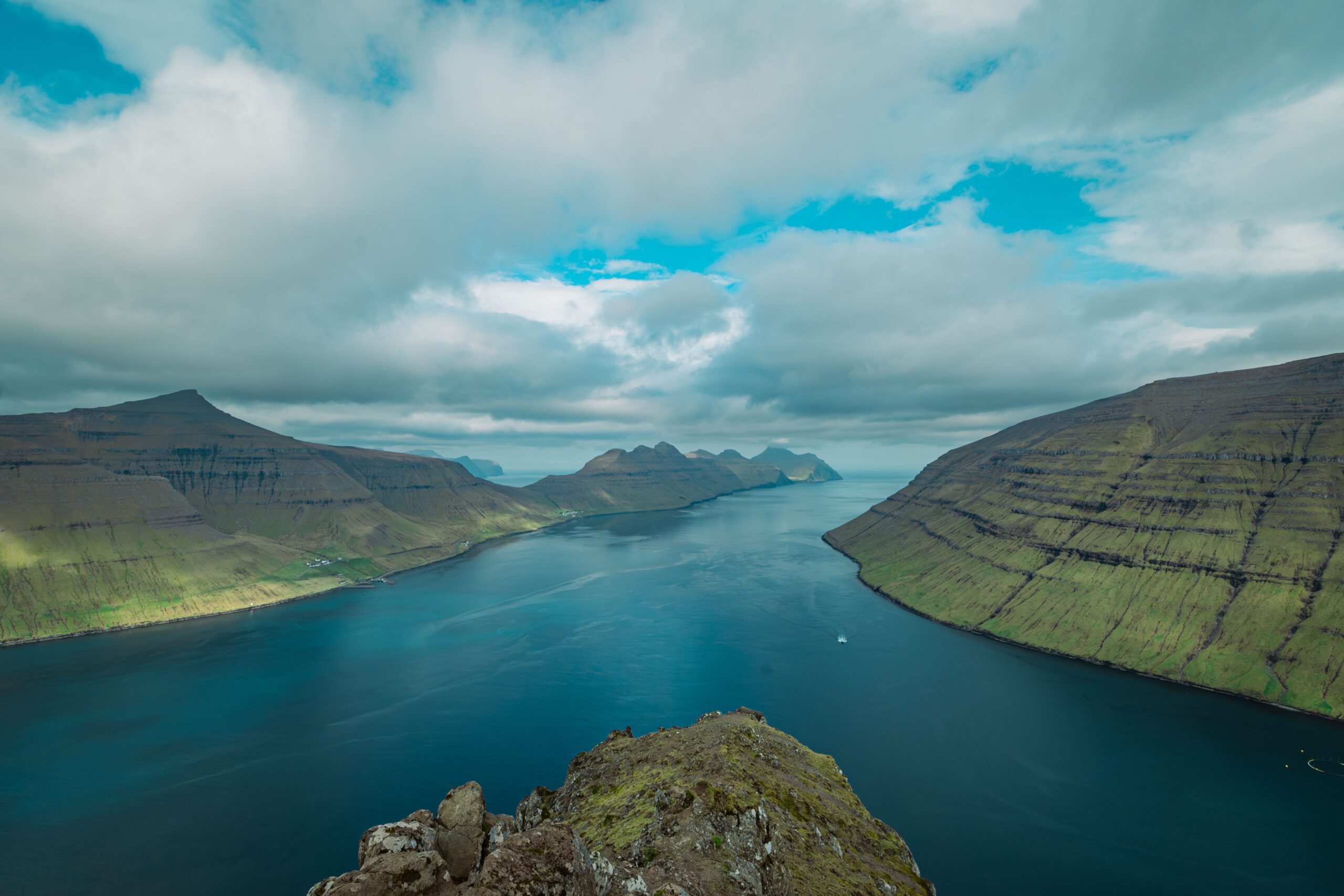
We’ve been lucky enough to visit 25 countries between us, and the Faroe Islands in summer still sits near the top of our list for sheer, unearned drama. We flew in from Copenhagen on a morning when the rest of Europe was sweating through a heatwave. By the afternoon we were standing on a cliff edge above Sørvágsvatn — the lake that appears to hang above the ocean — in a hoodie, with puffins gliding past at eye level, and almost no one else around.
This is our honest account of Faroe Islands summer travel: what it feels like, what actually surprised us, what you need to know before you book, and why we think this is the most underrated coolcation destination in 2026.
The Faroe Islands in summer offer dramatic scenery, mild temperatures (12–16°C), puffin season, and a fraction of Iceland’s crowds — making them one of the best coolcation destinations in Europe for 2026. Expect changeable weather, jaw-dropping cliffs, and a slowness of pace that feels deliberately designed to reset you.
Why the Faroe Islands are summer’s best-kept secret

The Faroes sit roughly halfway between Norway and Iceland in the North Atlantic. Eighteen islands, 54,000 people, 70,000 sheep, and more waterfalls than most continents. The distances are tiny — the entire island group is about 75 km from north to south — but within that small space, the scenery changes so fast it feels cinematic.
The coolcation case in plain numbers
- Average July temperature: 12–16°C — cool enough to hike comfortably, warm enough to sit outside.
- Annual visitors vs Iceland: Iceland receives roughly 2 million tourists per year; the Faroes receive around 200,000. The difference on the ground is enormous.
- Flights from mainland Europe: Atlantic Airways and SAS fly direct from Copenhagen, with connections across Scandinavia. The journey is under 3 hours from most of northern Europe.
- Cost compared to Iceland: accommodation and eating out are marginally cheaper, though neither is budget-territory by global standards.
What “coolcation” means here
The 2026 travel trend away from hot Mediterranean summers is real — we’ve written about it extensively. But most coolcation lists stop at Iceland. The Faroe Islands offer something slightly different: the same dramatic North Atlantic geology, a fraction of the tourist infrastructure (which means fewer crowds but requires more planning), and a pace that is genuinely, almost aggressively slow. There is no hustle here. The islands force you to slow down, and most people find that very hard to resist.
What Faroe Islands summer weather is actually like
We need to be honest about this, because it is the single most common question and the single most common source of disappointed visitors: Faroe Islands summer weather is unpredictable. Four seasons in one day is not a cliché here — it is routine. We experienced sunshine, fog, horizontal rain, and a brief almost-hailstorm all within a single morning hike to Múlafossur waterfall.
The low cloud and mist that rolls off the Atlantic is what keeps the Faroes green, dramatic, and crowd-free. On foggy days, waterfalls disappear into nothing, cliffs vanish, and the landscape becomes genuinely eerie. Some of our favorite photographs came from exactly those conditions. Embrace it rather than fighting it.
The average temperature in June to August is 12–16°C, but the Atlantic wind means it often feels colder. A waterproof shell, a mid-layer fleece, and a base layer are non-negotiable. We wore the same kit we use for hiking in Finnish Lapland in September.
Some hikes — particularly Slættaratindur and Kallurin — are simply not safe in strong winds. If you schedule these for specific days, you risk missing them entirely. Plan with weather windows rather than fixed days, and have indoor alternatives (the National Museum in Tórshavn is genuinely excellent) for the worst afternoons.
This far north, summer evenings are long and golden. By early July the sun sets around 10:30 pm, and the light between 8 and 10 pm is extraordinary — soft, sideways, and the same colour as the gold in the Faroese flag. Plan your best hikes for late afternoon into evening.
Related read Planning a broader North Atlantic trip? Read our full breakdown of Iceland vs Faroe Islands: which for summer 2026? — we lay out the case for each side by side.
The 8 things you must do in the Faroe Islands in summer
- Hike to Múlafossur waterfall (Vágar): the waterfall that plunges directly into the ocean. Go in the morning before tour groups arrive from Tórshavn.
- See Sørvágsvatn lake from above: the optical illusion lake that appears to float above the ocean. A 4 km return hike from the road, moderate difficulty. Absolutely worth it.
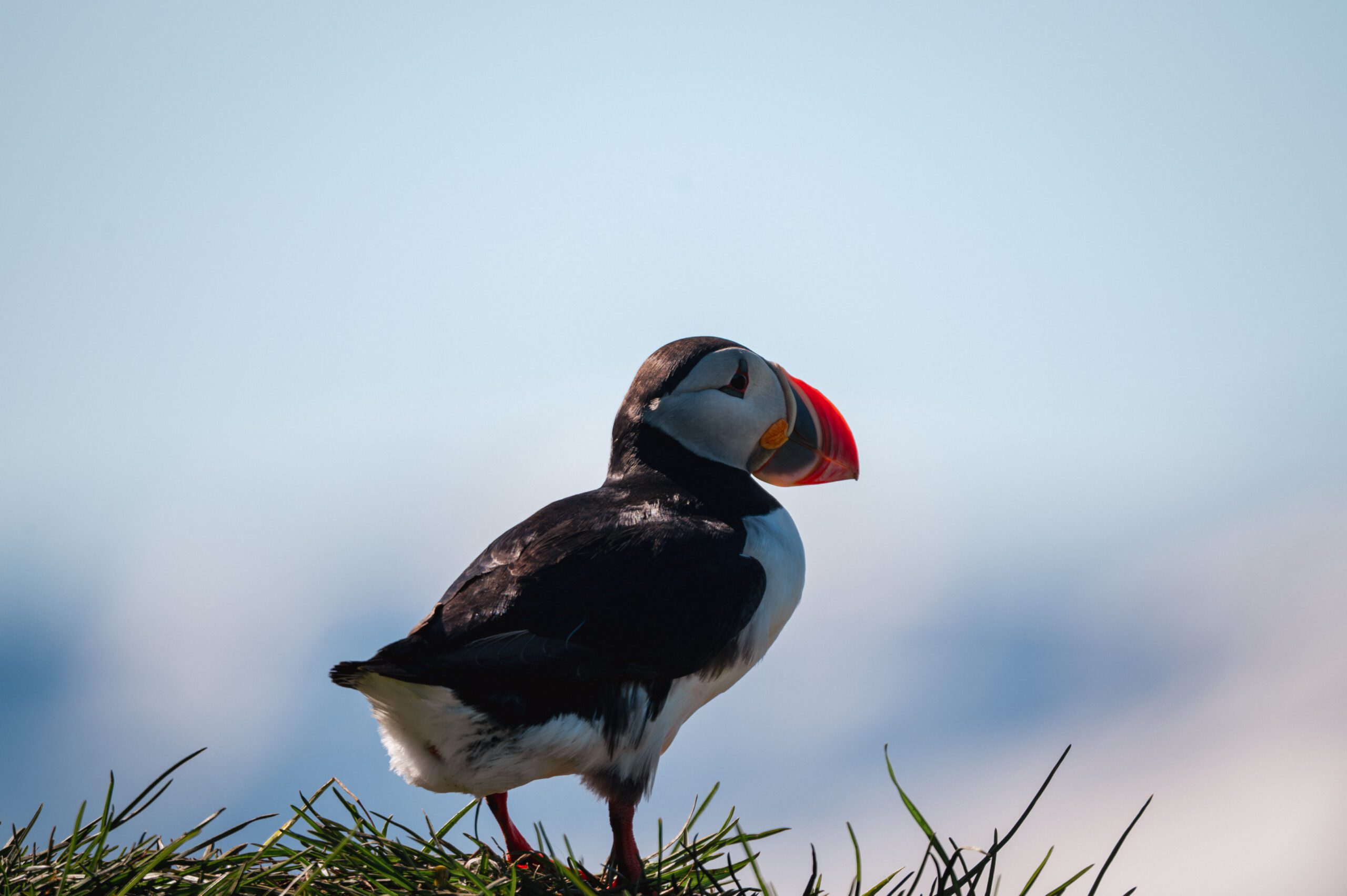
- Take the boat to Mykines: the westernmost island is the puffin capital of the Faroes. From late May to early August, puffins nest in the clifftops and you can watch them from a few metres away. Book the ferry weeks in advance — it sells out.
- Walk the Kallurin lighthouse trail (Eidi): a narrow cliff-edge walk with views towards Enniberg, one of the tallest sea cliffs in the world. Only attempt in calm weather.
- Eat in Tórshavn: the world’s smallest capital has an unexpectedly good food scene. RÆST (fermented lamb) is not for everyone, but the fresh seafood and lamb dishes are outstanding.
- Drive the Leynar–Kollafjørður road at golden hour: the coastal road on Síðan north of Tórshavn at 9 pm in July is one of those drives that makes you pull over every ten minutes.
- Visit Gjógv village: a fishing village at the end of a dramatic gorge on Eysturoy. It feels like the edge of the world in the best possible way.
- Do nothing for a morning: sit outside a café in Tórshavn’s old Tinganes district. Watch the boats. Watch the fog come and go. This is what the Faroes are actually for.
Get our best travel tips in your inbox
Monthly stories from Rovaniemi — Arctic tips, packing lists, and the places we keep coming back to.