Dublin in Summer: The 10 Things We Actually Did
We flew in from Rovaniemi with honest expectations and a list of things we wanted to test. Here’s what Dublin in summer actually delivered — and what surprised a couple used to Lapland summers.
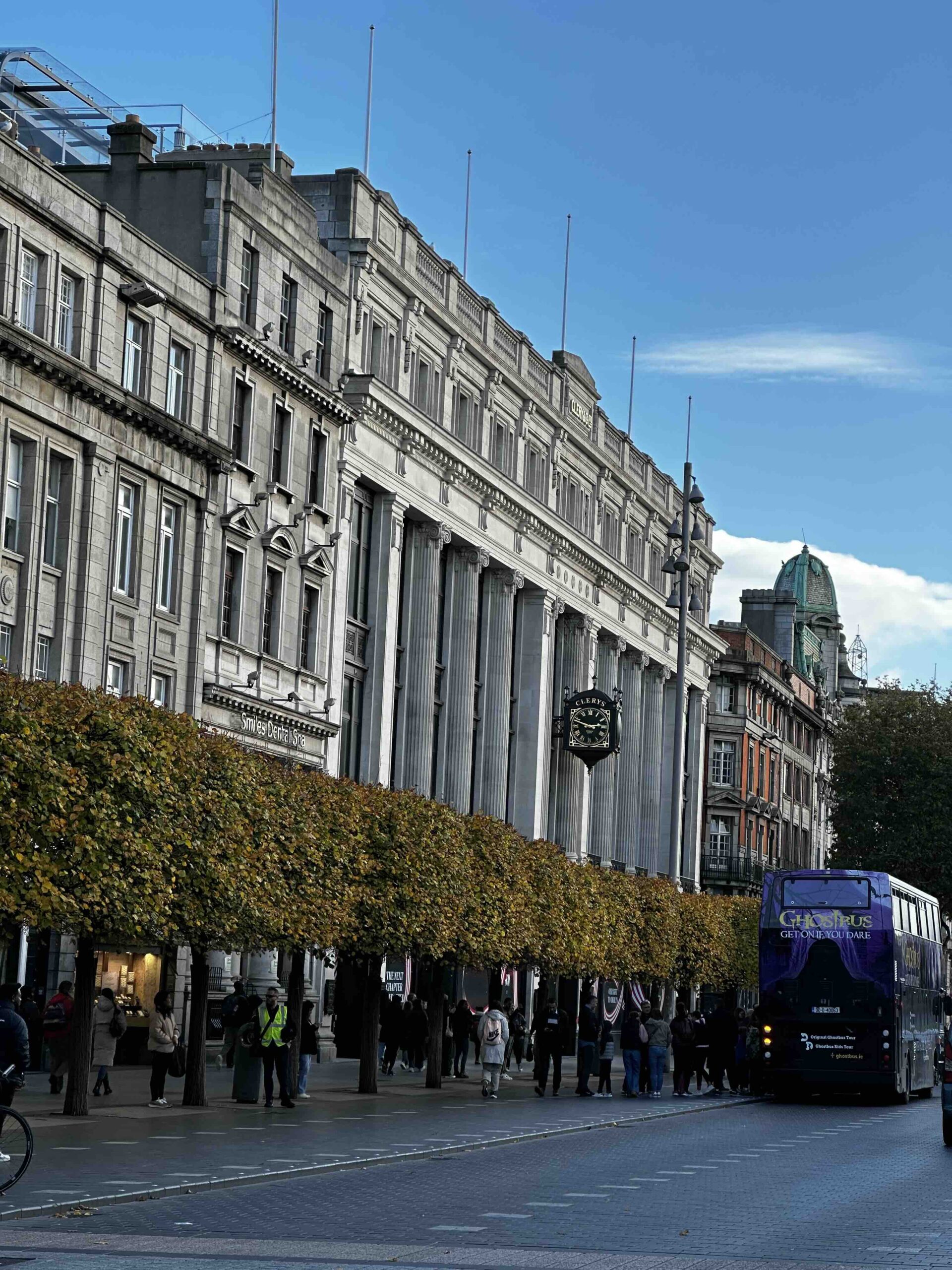
We booked Dublin on a whim — a long weekend in early June wedged between a Finnish summer cottage week and a flight to Norway. We’d heard mixed things: it’s expensive, it’s rainy, it’s full of hen parties. Coming from Rovaniemi, where summer means the sun never sets and the nearest big city is three hours away, we weren’t sure what to expect from a proper European capital in peak summer.
What we found was a city that rewards curiosity more than a checklist. Here are the ten things we actually did — not what the guidebooks told us to do — and what a Dublin summer looked like from our eyes.
Dublin in summer is lively, walkable, and genuinely fun — if you arrive expecting a mild Atlantic city rather than a Mediterranean beach trip. June and July bring long evenings, pub gardens, street festivals, and a cultural scene that punches well above Ireland’s size. Temperatures hover around 17–20 °C; pack a light rain jacket and embrace the grey spells between the sunshine.
The 10 things we actually did in Dublin summer
1. Trinity College and the Book of Kells
We almost skipped it. Joona figured it’d be crowded and overpriced; Alla had read about the Long Room and insisted. She was right. The Book of Kells itself is smaller than you expect — an illuminated manuscript behind glass, viewed in a hushed, dimly lit chamber. What blew us away was the Long Room upstairs: 65 metres of dark oak shelving, the smell of old books, and a vaulted ceiling that felt genuinely ancient. Pre-book online, go early (the 9 am slot we got was peaceful), and budget 90 minutes.
2. Kilmainham Gaol
This is the most emotionally heavy thing we did in Dublin, and one of the most memorable sites in all 25 countries we’ve visited. The tour takes you through a Victorian prison where the leaders of the 1916 Easter Rising were executed. The guide was extraordinary — not a rote recitation but a story that connected the building’s brutal architecture to Irish independence in a way that stayed with us for days. Book far in advance; it sells out weeks ahead in summer.
3. A morning in Dún Laoghaire
We took the DART commuter rail 14 km south to Dún Laoghaire on a whim, mostly because we wanted to see the sea. What we found was a breezy Victorian harbour town with long piers, ice cream kiosks, open-water swimmers at the Forty Foot baths, and almost no tourists. It felt like a different, quieter Dublin. The pier walk takes about 40 minutes and ends in a lighthouse. Worth every minute.
4. The National Museum of Ireland — Archaeology
Free, central, and genuinely fascinating. The bog bodies alone — Iron Age people preserved in Irish peat for two thousand years — were unlike anything we’d seen. The Gold Room’s prehistoric Irish gold torcs and lunulae are extraordinary. We spent two hours here and felt we’d only scratched the surface. One of the best free museums in Europe.
5. Pub hopping in the Liberties, not Temple Bar
Temple Bar in summer is wall-to-wall hen parties and tourist menus. We’d been warned, and we heeded the warning. Instead, we spent two evenings in the Liberties neighbourhood and the streets around Portobello — genuine local pubs, live trad music that started organically rather than on a schedule, and a Guinness that cost a euro less than it did two streets west. The Toner’s and Mulligan’s circuit if you want history; the Liberties for something that feels lived-in.
6. The National Gallery
Another free one. The Irish collection on the upper floors — Jack B. Yeats, Paul Henry, the big landscapes — gave us more context for the countryside we were about to drive through than any guidebook could. We sat in the Caravaggio room for twenty minutes and said almost nothing. Good art does that.
7. St. Stephen’s Green on a sunny afternoon
When the sun came out — and it did, genuinely, for three of our five days — the whole city relocated to the parks. Stephen’s Green transforms: lunch on the grass, musicians near the pond, children running and old men reading newspapers. Coming from Rovaniemi, where summer is precious and fleeting, we recognised immediately how Dubliners feel about a warm June afternoon. They treat it like a gift, which it is.
8. The Chester Beatty Library
This was the most unexpected delight. The Chester Beatty Library is a collection of manuscripts, miniatures, and rare books from Asia, the Middle East, and Europe — donated to Ireland by an American mining magnate who fell in love with the country. It’s housed in Dublin Castle, it’s free, and it’s consistently rated one of Europe’s best museums. The Islamic manuscripts room alone is worth the visit. Almost no queue, even in July.
9. A day trip to Howth
Thirty minutes north of the city by DART, Howth is a fishing village on a headland with a clifftop loop walk (about 10 km, easy terrain) that ends above a seal colony and a harbour full of working boats. We did the walk, ate fish and chips by the water, and were back in Dublin for dinner. If you can do one half-day trip from Dublin in summer, this is the one.
10. An evening at the Olympia Theatre
We booked a show at the Olympia on short notice — a comedy gig that turned out to be one of the funniest evenings of our trip. The venue is a Victorian music hall with red velvet and balconies and the feeling that something irreverent has been happening on that stage for a very long time. Check the listings before you go; summer is peak season for theatre, comedy, and concerts.
Navigating Dublin on foot and by bike
Dublin is compact. The city centre is comfortably walkable end-to-end in about 40 minutes. That said, the layout is not grid-like, and the street signs are easy to miss. A few things that made navigation smoother for us:
Getting around Dublin in summer
- Walk first. From Trinity College to Dublin Castle to Kilmainham — this is a 4 km route that passes through the heart of the city, and you miss almost nothing doing it on foot.
- The DART for coastal escapes. Dún Laoghaire and Howth are both on the DART commuter line. A Leap visitor card covers unlimited travel for 24 or 72 hours and is worth it.
- Dublinbikes for the parks. The city’s bike-share scheme is cheap and works well. Most stations are near the centre; the Phoenix Park and canal towpaths are lovely.
- Avoid driving in the centre. Dublin traffic is punishing and parking is expensive. Leave the car at the hotel or, better, don’t hire one until you’re heading out of the city.
Related readingIreland in Summer: 10 Things We Learned from Our First Trip — our broader take on the whole country, with practical advice on driving the Wild Atlantic Way and what surprised us most about Irish costs.
Dublin summer quick-reference
Everything you’d want to know before packing for a Dublin summer, condensed:
June to August averages 17–20 °C. Rain is possible any day — typically short bursts rather than all-day grey. Pack a light waterproof layer. The evenings stay bright until 10 pm in June and July (Dublin is 53°N).
June is quieter and often sunny. July is peak season with festivals, outdoor cinema, and longer queues. August is warm but the most crowded. If you’re flexible, early June is our pick.
Dublin is expensive by European standards. Expect €6–8 for a pint, €15–25 for a main course in a mid-range restaurant, and €120–250 per night for a central hotel. Free attractions (National Museum, Chester Beatty, National Gallery) help significantly.
Get a Leap Card or the Leap Visitor Card at the airport. It covers DART, Luas (tram), and buses. The 72-hour unlimited card is around €40 and pays for itself in a day and a half.
Kilmainham Gaol and the Book of Kells sell out weeks ahead in summer. Book both as soon as you know your dates. Most other attractions are walk-in or have short queues.
Stay in or near the city centre (Georges Street, Portobello, Rathmines) for easy walking access. Avoid Temple Bar as a base — noisy at night, tourist-priced, and no easier to get around from than anywhere else nearby.
Get our best travel tips in your inbox
Monthly stories from Rovaniemi — Arctic tips, packing lists, and the places we keep coming back to.