Driving in Estonia: What Surprised Us (And What to Expect)
We drove through Estonia on a Baltic road trip — and almost none of it matched what we expected. Here is the honest breakdown before you rent a car.
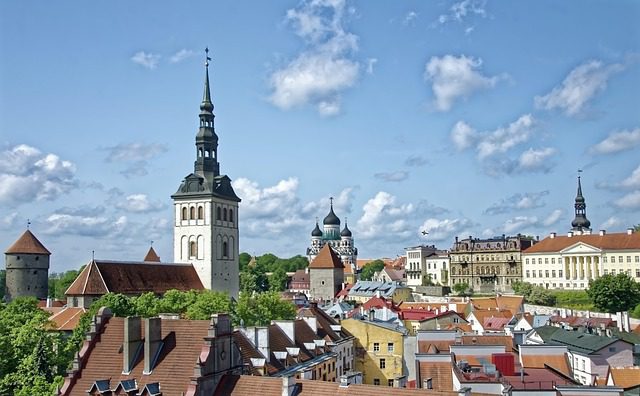
We had driven through Finland, Norway, and Sweden more times than we can count. Estonia felt, on paper, like it would be the easy one — a small country, flat terrain, EU member, and just a short ferry from Helsinki. We were right about the easy part. But we were wrong about almost everything else we assumed going in.
This post is the driving guide we wish we’d had before we crossed into Estonia by car. We cover the rules that catch foreign drivers off guard, what the roads are actually like, how to handle the toll system (spoiler: it’s painless), and the things that genuinely delighted us. If you are planning to drive in Estonia for the first time, read this before you go.
Driving in Estonia is genuinely easy for anyone used to driving in Europe — roads are well-maintained, signage is clear, and there are no manual tolls. The surprises are mostly positive: free parking in most small towns, an almost total absence of traffic outside Tallinn, and some of the emptiest, most beautiful coastal roads we have ever driven.
The basics: rules and licence requirements for driving in Estonia
Estonia is an EU and Schengen country, so if you hold a driving licence from the EU, UK, US, Canada, or Australia, you are legally allowed to drive. There is no international driving permit required for most nationalities — but it is worth double-checking before you travel if your licence is from a country outside the EU/EEA.
Key rules to know before you start
Estonia follows standard European driving rules — drive on the right, overtake on the left — but there are a few specifics that trip up first-timers:
- Headlights on at all times: Estonia requires dipped headlights 24/7, year-round. Not just tunnels and rain — always. This is enforced, and modern hire cars usually have automatic lights that handle it, but check yours before setting off.
- Winter tyres are mandatory December–March: If you are driving your own vehicle in winter, you need winter or all-season tyres. Rental companies are required to fit them during this period, so a standard hire car will have you covered.
- Child seat rules: Children under 135 cm or 36 kg must use an approved child restraint. The hire company will provide one if you book in advance.
- Blood alcohol limit: 0.2‰ — one of the strictest in Europe. For practical purposes, treat it as zero-tolerance and do not drink and drive at all.
- Mobile phones: Handheld use is prohibited. A dashboard mount or car kit is fine; holding the phone while moving is not.
- Roundabout priority: Traffic already inside the roundabout has priority — the standard European rule. This is not always the case in every country, so it bears repeating.
None of these rules are onerous. They largely mirror what you would find in Finland or the rest of northern Europe. The only one that genuinely catches people off guard is the blood alcohol limit, because at 0.2‰ even one beer could push you over.
What Estonian roads are actually like
Before we drove Estonia, we half-expected Soviet-era potholes and rough rural tracks. What we found instead was a country that has invested seriously in its road infrastructure since independence. The main highways — especially the Via Baltica (E67) running south from Tallinn — are smooth, dual-carriageway, and well-signed in both Estonian and English.
Road categories and what to expect from each
- National highways (E-routes and 1–5 digit numbered roads): Generally excellent. The E67 south toward Pärnu and Riga, and the roads east toward Narva, are motorway-standard or close to it.
- County roads (two and three-digit numbers): Mostly paved and in good shape. Some sections are single-lane with passing places — identical to rural Scandinavia. Slow down and be prepared to pull over.
- Forest and gravel roads: Estonia has a vast network of unpaved gravel tracks, marked on the map but not always suitable for a standard hire car. If you plan to explore deeply rural areas or island interior routes, a higher-clearance vehicle is worth it.
One thing that genuinely surprised us: the absence of other traffic. On a mid-week drive between Tallinn and Tartu, we had long stretches of excellent two-lane highway essentially to ourselves. Compared to Norway’s narrow mountain passes or Finland’s reindeer-risk roads, Estonia felt almost luxuriously stress-free to drive.
Speed limits, speed cameras, and what catches drivers out
Speed limits in Estonia are clearly signed and follow a logical pattern. Here is the quick reference:
Speed limit overview
- Urban areas (towns and villages): 50 km/h, dropping to 30 km/h in school zones and residential streets
- Rural roads outside settlements: 90 km/h in summer (May–September), 80 km/h in winter (October–April)
- Highways and motorway-equivalent roads: 110 km/h in summer, 90 km/h in winter
- Some dual carriageway sections: Up to 120 km/h where signed
The seasonal change is the one that catches foreign drivers. If you are driving in early October, the limit on rural roads has already dropped to 80 km/h even though the road feels like an 90 km/h road. The date-based change happens automatically — no additional signage required — so check the calendar before you cruise.
Speed enforcement
Estonia uses both fixed and mobile speed cameras. The fixed cameras are sometimes signed in advance, sometimes not. The tolerance is low — reports from locals suggest enforcement kicks in around 5 km/h over the limit on camera-monitored roads. We drove conservatively and had no issues. Do not assume that because the road feels empty there is no monitoring.
In Tallinn itself, speed bumps and narrow lanes do more enforcement work than cameras. The Old Town’s medieval street grid is essentially impassable by car without local knowledge, and parking in the historic core is restricted. Use the Park & Ride facilities on the city’s edge and walk in.
Parking, fuel, and the practical cost of driving in Estonia
This is where Estonia genuinely delighted us. Coming from Scandinavia, where parking in any city centre can cost €4–6 per hour and fuel routinely tops €1.90 per litre, Estonia felt remarkably affordable.
A quick practical cost breakdown
- Fuel (petrol/diesel): Typically €1.50–1.65 per litre at the time of writing — noticeably cheaper than Finland, Norway, or Sweden. Fill up in Estonia before crossing back into any Scandinavian country.
- Parking in Tallinn city centre: €1.50–2.50 per hour in paid zones; free in many surrounding neighbourhoods with a 2-hour limit. The Park & Ride lots on tram lines cost around €1–2 per day.
- Parking outside Tallinn: Almost universally free. In Tartu, Pärnu, Haapsalu, and smaller towns we visited, we never paid for parking once.
- Road tolls: None. Estonia has no manual or electronic toll booths on public roads. Zero. This was one of the nicest surprises of the trip after Norway’s constant AutoPASS deductions.
- Ferry crossings to islands: The state-operated ferries to Saaremaa and Hiiumaa are subsidised and extremely affordable — around €5–10 for a car, depending on the route.
The overall cost of a driving day in Estonia — fuel, parking, and incidentals — came in well below what a comparable day costs in any of the Nordic countries. If budget is part of your planning, Estonia rewards it.
Navigation tips that actually saved us time
Estonia’s digital infrastructure is excellent — this is the country that invented Skype and e-Residency, and it shows in how well-mapped everything is. That said, we picked up a few habits that made the driving smoother.
Our practical navigation checklist
- Download Google Maps offline before you go: Coverage is good even in rural areas, but downloading the Estonia map tile saves your data and works in areas with weak signal (particularly on the western islands).
- Use Waze for Tallinn traffic: The city has more congestion than its size suggests, particularly at commuter hours. Waze routes around it better than Google in our experience.
- Check the ferry timetable the day before: The Saaremaa ferry (Virtsu–Kuivastu) runs frequently but not on-demand. Missing the last evening crossing can strand you. Book a slot online during peak summer months.
- Pay attention to forest road signs: The yellow diamond with a car and tree silhouette marks roads that may be impassable in wet conditions. These are not suggestions — in spring thaw especially, they mean it.
- Petrol stations are plentiful on main routes: But in rural western Estonia and on the islands, they thin out. Fill up before leaving a larger town if you plan a full day of exploration.
- The 1200km app: A lesser-known Estonian road trip planning tool that flags points of interest, rest areas, and fuel stops along a route. Worth downloading for a longer trip.
One thing we genuinely appreciated: Estonian road signs are bilingual in areas near the Russian border (Estonian and Russian) and well-supported with international symbols throughout. Even without reading a word of Estonian, navigation felt intuitive.
Honest travel from the Arctic Circle
Road trip reports, Baltic tips, and a view from Finland’s north — no spam, ever.
Our favourite drives and detours in Estonia
We went in expecting competent infrastructure and came out with a list of roads we would happily drive again. These are the routes that earned that reaction.
- The Tallinn–Haapsalu coastal road (via Paldiski): Instead of taking the fast inland route, we followed the coast west from Tallinn through the Pakri Peninsula. Empty roads, sea views, Soviet-era military ruins, and zero other tourists. Allow an extra 90 minutes over the direct route and take it.
- The drive onto Saaremaa island: The ferry crossing itself takes under 30 minutes, but the approach through the Matsalu wetlands and along the Lääne county coast is as good as the island. Cranes, white-tailed eagles, and almost no traffic.
- Tartu to Võru through Otepää: The “Estonian Alps” — actually a range of gentle hills, but by Estonian standards this is dramatic terrain. In summer the road winds through forest and past swimming lakes. In winter it is the country’s main ski and sledding area.
- The Lahemaa National Park loop: An hour east of Tallinn, entirely different in character. Manor houses, boulder-strewn coastline, fishing villages, and forest roads that feel like they could go on forever. A full day loop from Tallinn is very doable.
- Narva to Narva-Jõesuu: We drove to the Russian border at Narva — the Hermann Castle on the Estonian side faces Ivangorod Fortress across the river — and then followed the River Narva north to the coast. Powerful, historical, and completely unlike the rest of the country.
None of these routes appear in most Estonia travel guides. All of them are on paved or good-quality roads. That ratio — quality roads, zero tourism pressure — is what keeps Estonia on our list of places worth returning to by car.
Mistakes we made (so you don’t have to)
- Underestimating island ferry logistics. We arrived at Virtsu on a summer weekend without a reservation and waited almost two hours for a ferry slot. Book in advance in June–August — it takes two minutes online and saves serious frustration.
- Ignoring the seasonal speed limit change. We drove into October without adjusting our mental model. The limit drops to 80 km/h on rural roads and it does so silently — no new signs, just the date. We caught ourselves before the cameras did, but only just.
- Not budgeting time for Tallinn’s Old Town on foot. We tried to drive into the Old Town’s edges to save walking. It was unnecessary and stressful. The Park & Ride works well, the tram is fast, and the Old Town rewards slow walking — not a car.
- Assuming forest side roads were fine for a standard hire car. One forest road near Lahemaa looked fine on the map. After 2 km of increasingly deep gravel ruts, we turned around. The hire car was fine, but it was a reminder: if the road is brown on the map and the surface looks uncertain, confirm before committing.
- Not carrying any cash. Almost everything in Estonia is card-friendly, including fuel. But a couple of rural campsites and one small boat tour were cash-only. Have €50 in small bills just in case — Estonian ATMs are easy to find in towns.
- Missing the Käsmu peninsula because we were rushing south. We drove past the turnoff twice before we finally stopped. The stone-strewn beach and fishing village there are among the most quietly beautiful places we have seen in the Baltics. Never rush past a small brown tourism sign in Estonia.
Frequently asked questions about driving in Estonia
Do I need an international driving permit to drive in Estonia?
Most Western nationalities — EU, UK, US, Canadian, Australian — do not need an international driving permit. Your standard national licence is sufficient. If your licence is from outside the EU/EEA and issued in a non-Latin script, an IDP is recommended. Always check the specific rules for your nationality before travelling.
Are there motorway tolls in Estonia?
No. Estonia has no road tolls of any kind on public roads. You do not need a vignette sticker, an electronic tag, or any special payment. The ferry crossings to the islands are the only vehicle costs you will encounter beyond fuel and parking.
What is the speed limit on Estonian roads?
In towns: 50 km/h (30 km/h in school zones). On rural roads outside settlements: 90 km/h in summer (May–September) and 80 km/h in winter (October–April). On highways: 110 km/h in summer, 90 km/h in winter, up to 120 km/h where signed. The seasonal change is automatic — no extra signage marks it.
Is parking free in Estonia outside Tallinn?
In our experience, yes — almost universally. Tallinn has paid parking zones in the city centre, but every other town we visited (Tartu, Pärnu, Haapsalu, Viljandi) had free parking at all the places we stopped. This was one of the most pleasant surprises of the trip compared to Nordic cities.
Can I drive from Finland to Estonia?
Not by road — there is no land border. You take the ferry from Helsinki or Tallinn (roughly 2–2.5 hours by fast ferry, operated by Tallink Silja and Eckerö Line among others). You can bring your car on the ferry, which makes a Finnish–Estonian driving combination very doable. We drove our rental from Tallinn after crossing on foot from Helsinki.
How long does it take to drive across Estonia?
From Tallinn to Narva (the Russian border) is about 210 km — roughly 2.5 hours on good roads. Tallinn to Pärnu (south) is about 130 km, under 90 minutes. The whole country fits comfortably in a few driving days. We covered the main highlights in five days and still felt unhurried.
A final word: why we’d drive Estonia again
Estonia did something that almost no other country we have driven manages to do: it lowered our stress level the moment we left Tallinn’s outskirts. Empty roads, clear signs, no tolls, affordable fuel, and scenery that quietly gets under your skin — the coastal wetlands, the manor house countryside, the boulder beaches of the north. It is not Norway in terms of drama, and it does not try to be.
What Estonia is, for a driver, is honest. The roads do what they say. The towns welcome you without trapping you in one-way systems. The islands are genuinely reachable and genuinely worth it. And the ferry back to Helsinki is waiting whenever you are ready.
If you are building a Baltic road trip — even just a long weekend from Helsinki or Tallinn — put Estonia behind the wheel. It will not overwhelm you. And that is exactly the point.
Joona & Alla
A Finnish-Ukrainian couple living in Rovaniemi, Finland. Joona is a marketing professional in Lapland tourism; Alla is an AI engineer. Together we have visited 25 countries and share the honest, unhurried kind of travel that fits between real jobs and a life in the Arctic.
Read our full story →