Is Renting a Campervan in Sweden Worth It?
We drove Sweden’s back roads from Stockholm to the Arctic. Here’s our honest take on campervan costs, wild camping rules, and whether it’s actually worth the effort in 2026.
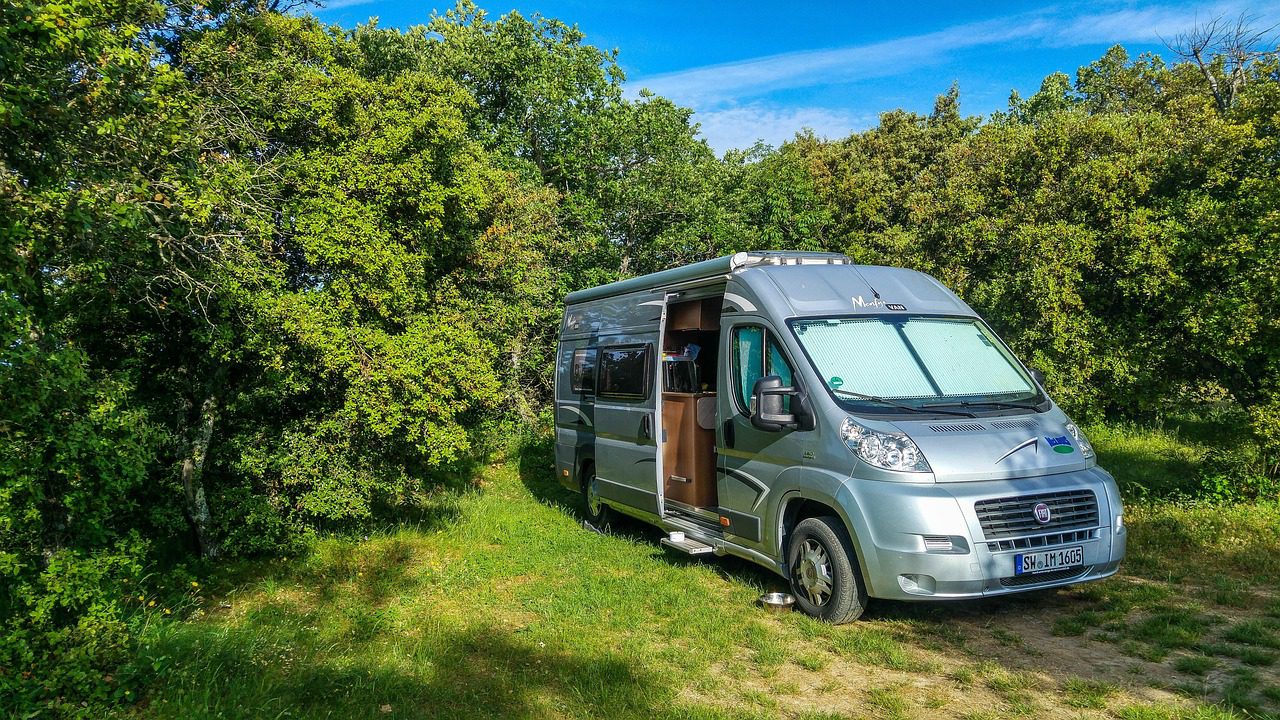
When we planned our first proper campervan road trip through Sweden, the internet gave us two kinds of answers: glossy rental-agency copy promising endless freedom, and Reddit threads full of people who’d spent a fortune and regretted it. Neither was particularly useful. We live in Rovaniemi — we’ve driven Sweden many times, we know the roads, and we know what it actually costs to sleep in a van rather than a hotel. This is the honest answer we wish someone had given us.
Renting a campervan in Sweden is absolutely worth it if you have at least 7 nights, plan to explore rural areas or Swedish Lapland, and can handle some planning around wild camping laws. It’s not worth it for a city-hopping trip or a budget under €100/day all-in. The freedom is real — but so are the costs.
- What a campervan trip in Sweden actually costs
- How wild camping works in Sweden (Allemansrätten)
- The best campervan routes in Sweden we’d recommend
- What to watch out for: hidden fees and common pitfalls
- Campervan vs hotel: which is actually cheaper?
- Mistakes we made on our first Swedish campervan trip
- Frequently asked questions
- Our verdict from Rovaniemi
What a campervan trip in Sweden actually costs
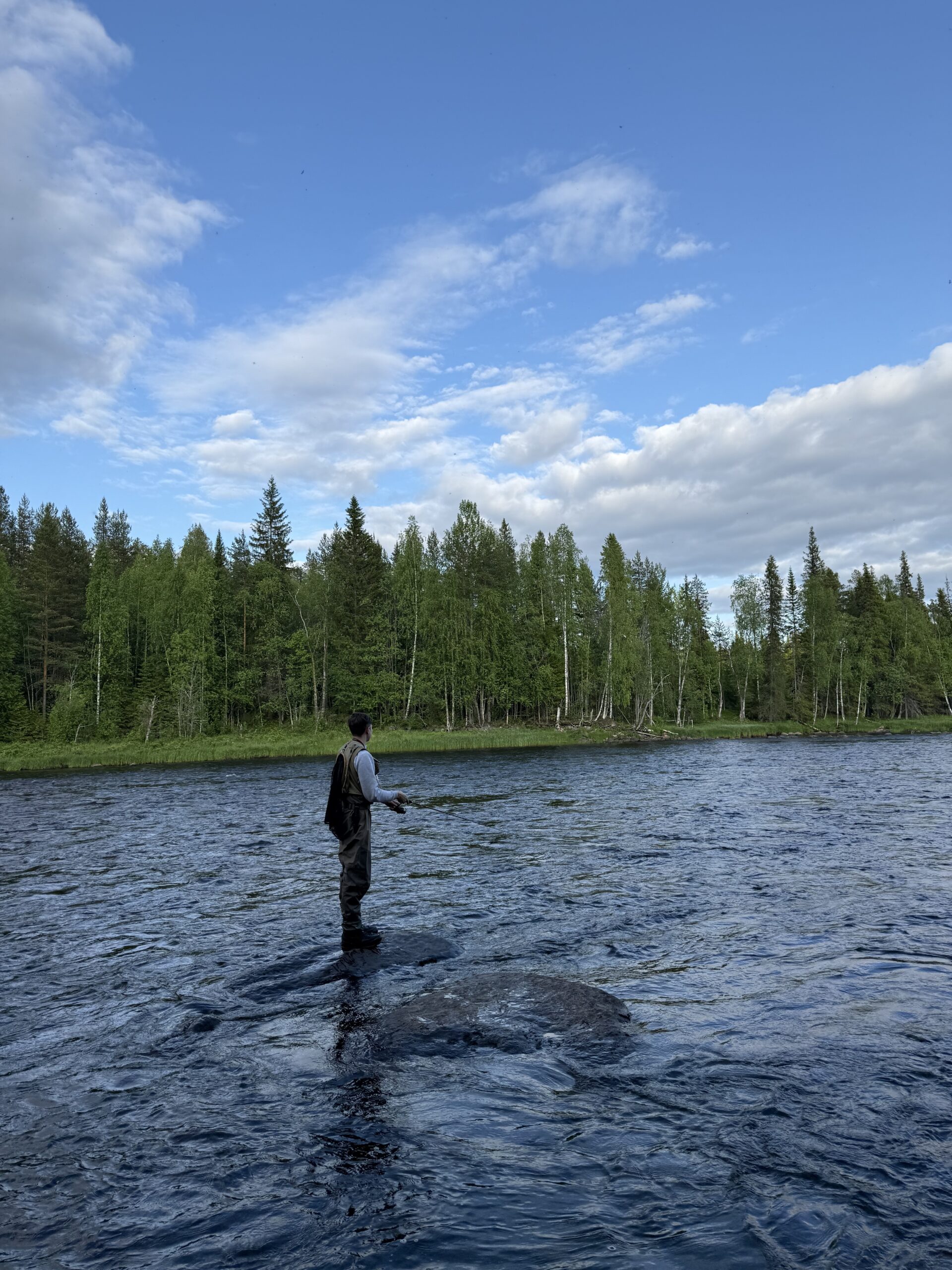
The number people most want to know is also the one most rental-agency blogs bury in fine print. Here’s what we actually paid and what we’d expect you to pay in 2026.
Realistic daily costs in 2026
- Campervan hire (compact, 2-person): €80–€130/day in peak summer. Larger 4–6 berth vans run €130–€200/day. Book 3–4 months ahead for July.
- Fuel: Sweden uses petrol and diesel. Expect to budget €25–€40/day depending on how far you drive. Most campervans get 8–11 litres/100km.
- Camping fees (if you don’t wild camp): Campsite pitches range from €20–€45/night at serviced sites with electricity hook-up. Wild camping under Allemansrätten costs nothing.
- Food: Swedish supermarkets (ICA, Lidl, Willys) are very well stocked. Budget €30–€45/day for two if you’re cooking in the van.
- Ferry crossings: The Stockholm archipelago ferries cost €5–€15 per vehicle. Travellers coming from Finland via the Helsinki–Stockholm ferry add €80–€150 for a vehicle cabin crossing.
- Total realistic daily budget (two people): €165–€230/day with moderate wild camping use, €130–€175/day if you wild camp most nights.
What affects the price most
- Season: July is peak. June and August are slightly cheaper. May and September can be 20–30% less expensive on hire rates.
- Van size: Bigger is not always better in Sweden. Narrow forest roads and tight campsites punish anything over 6 metres.
- Rental location: Stockholm, Gothenburg, and Malmö have the most competition and best rates. Picking up in a smaller city can cost more.
How wild camping works in Sweden (Allemansrätten)
This is the part that makes Sweden genuinely special for campervan travel. Sweden’s Allemansrätten — literally “Everyman’s Right” — allows anyone to camp almost anywhere in nature for up to two nights without asking permission. It’s not a loophole; it’s enshrined in the Swedish constitution.
What Allemansrätten actually lets you do
- Park and sleep in nature — forests, lakeshores, open fields — for free, for up to two nights in one spot.
- Walk, cycle, ski, or ride across almost any land.
- Pick berries, mushrooms, and wildflowers.
What it does NOT allow
- Camping within visible distance of a private home without permission.
- Driving off-road (tracks and forest roads you can drive are fine; open fields are not).
- Camping in protected nature reserves unless marked as permitted.
- Leaving rubbish or grey water on the land.
- Campfires during dry conditions (check the local fire warnings — Sweden has strict bans in summer).
In practice, wild camping works brilliantly for campervans. Pull off a forest road near a lake, sleep, pack up before midday, and move on. We did this for six of nine nights on our last Swedish trip and it felt completely natural and respectful.
Related read Wild camping in Scandinavia — our full guide to Everyman’s Right in Finland, Sweden and Norway
The best campervan routes in Sweden we’d recommend

Sweden is long — nearly 1,600 km from Malmö to the Norwegian border at Treriksröset. The routes below are the ones that reward campervan travel most. We’ve driven all of them.
Follow the E4 north from Stockholm, then branch west into the interior along the old Inlandsbanan railway route. 1,200 km, 8–10 days. Highlights: Gävle coast, Härjedalen fells, Storsjön lake, the Saami villages around Jokkmokk. Midnight sun from mid-June. Our top recommendation for a first long Swedish campervan trip.
A short but spectacular loop north of Sundsvall along the UNESCO-listed High Coast. 300 km, 3–4 days. Dramatic cliffs, tiny red-painted harbours, and some of Sweden’s best wild camping spots. Ideal if you’re adding a detour to a longer route.
The classic Swedish countryside circuit. Lake Siljan, Falun red mines, midsummer festival villages. 400 km, 4–5 days. Very popular in June — book campsites in advance if you want full hook-up during Midsommar week.
Stunning granite archipelago coast north of Gothenburg, then into Norway. 250 km to the border, 3–4 days. Seafood, smooth rock islands, and some of the most photogenic harbours we’ve seen anywhere in Scandinavia.
Stories like this, in your inbox
Monthly travel notes from our home in the Arctic — honest, firsthand, and never sponsored without disclosure.
💡 Our campervan tip: prices for the same van vary a lot between rental brands. We compare Sweden campervans across 160+ rental companies on CampervanPlanet — and code HUNGRYTRAVELFAMILY5 takes 5% off.
What to watch out for: hidden fees and common pitfalls
Rental agreements vary a lot in Sweden and several costs can blindside you if you haven’t read the fine print. Here’s what we check before signing anything.
- Kilometre caps: Some rentals cap at 200–300 km/day with a charge of €0.20–€0.35 per extra km. A 10-day route to Lapland can easily clock 3,000 km. Check whether unlimited mileage is included or calculate carefully.
- Cleaning fees: Most companies charge €80–€150 if the van comes back dirty inside. Budget time for a proper clean before return.
- Insurance excess: Standard excess on Swedish campervan rentals ranges from €800–€2,500. A full waiver brings the excess to €0 but costs €15–€30/day extra. Worth it on gravel forest roads.
- Generator use: Some vans restrict generator hours or charge for excess fuel use. Ask explicitly.
- One-way fees: Picking up in Stockholm and dropping in Gothenburg can add €150–€350. Check if you need a loop route.
- Early/late pickup charges: Peak summer is ruthless. Out-of-hours handovers often cost €50–€100 extra.
Campervan vs hotel: which is actually cheaper?
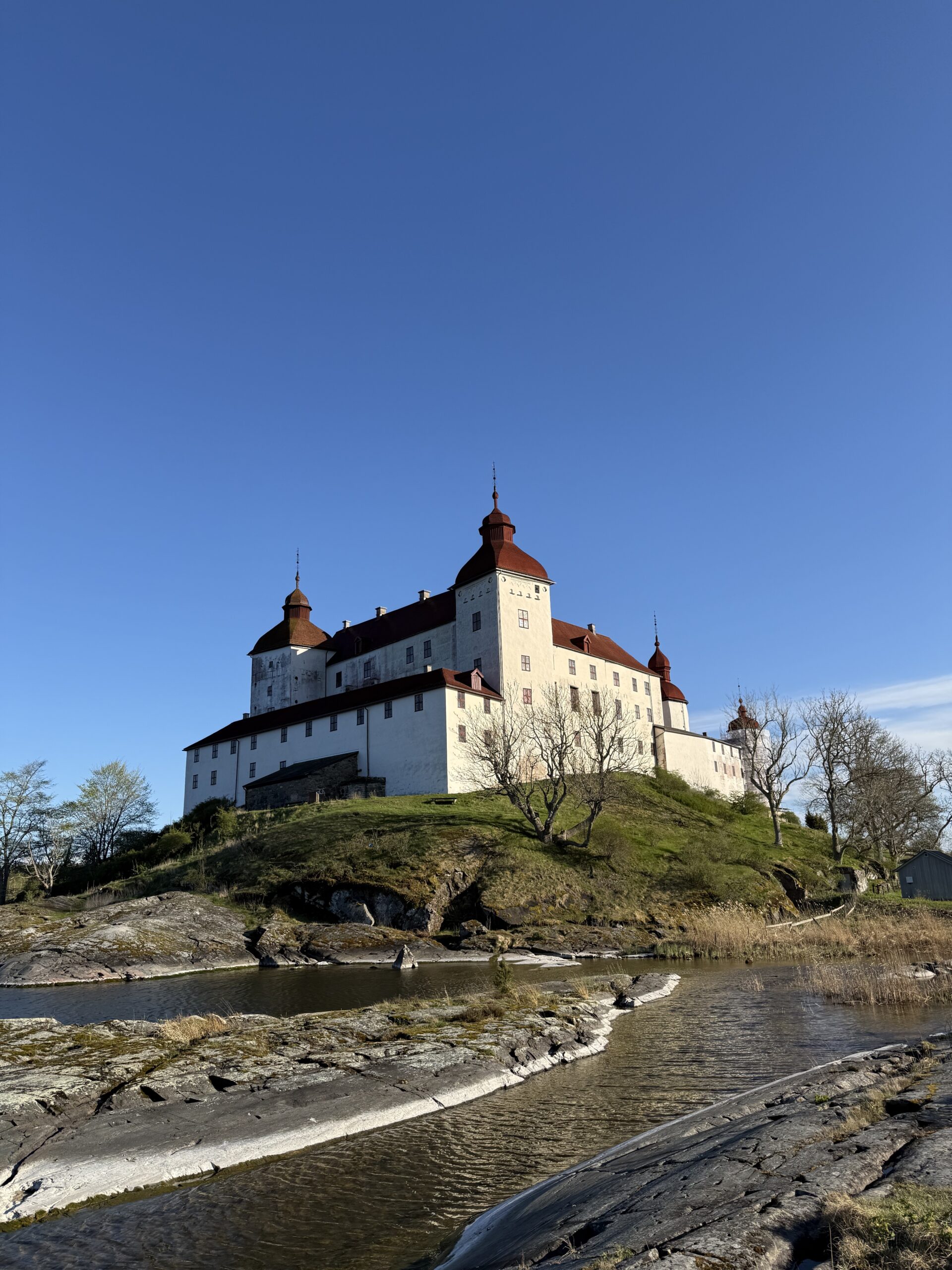
This is the question everyone asks and almost nobody answers honestly. Let’s do the maths for a 10-day trip for two people in July 2026.
Campervan scenario (10 days)
- Van hire (compact, 10 days): €1,100
- Fuel (avg 250 km/day, 10L/100km, €1.80/L): €450
- Accommodation (6 wild camping + 4 campsite nights at €30): €120
- Food (cooking in van, €35/day): €350
- Insurance waiver: €200
- Total: ~€2,220 for two / €1,110 per person
Hotel + car rental scenario (10 days)
- Mid-range hotels (avg €120/night for two): €1,200
- Car hire (compact, 10 days): €400
- Fuel (same distance, car is more efficient): €300
- Food (mix of restaurants and supermarkets, €55/day): €550
- Total: ~€2,450 for two / €1,225 per person
The real value isn’t just the money, though. The campervan gives you the ability to wake up at a lakeside, move when you feel like it, and spend the night where the light is best. That’s genuinely hard to put a price on — and it’s the reason we keep coming back to this way of travelling in Scandinavia.
Mistakes we made on our first Swedish campervan trip
- Booking too small a van for too many km. Our first Swedish van had a 200 km/day cap and we blew it every single day. Read the contract before you sign.
- Underestimating fuel costs in the north. Petrol stations get sparse above the Arctic Circle and prices rise. We once drove 80 km out of our way to avoid paying the expensive station. Not worth it.
- Not checking fire bans before building a campfire. Sweden had a severe fire ban in summer 2022. We’d packed all the firewood. Check the Naturvårdsverket website before every trip.
- Parking too close to a private cottage. Allemansrätten requires you to be out of sight of private homes. We had one uncomfortable conversation because we’d parked 50 metres from a summer cottage we hadn’t spotted through the trees.
- Skipping the van-washing ritual before return. The cleaning fee ate our last budget buffer. Add two hours and €10 at a petrol station car wash to your last morning — always.
- Going to Sweden in July without booking the high-demand campsites. Sites near the High Coast and Dalarna fill in March for July. If you need hook-up power, book the full-service nights well in advance and wild camp the rest.
Book your Sweden campervan
Compare prices across 160+ campervan and motorhome rental brands, get a free 1GB eSIM with every booking — and 5% off with code HUNGRYTRAVELFAMILY5.
Check prices & availability →Frequently asked questions
How far in advance should I book a campervan in Sweden for summer?
For July, book at least 3–4 months ahead. June and August can be booked 6–8 weeks out. The best compact vans (the ones that handle forest roads well) sell out fastest.
Is it safe to wild camp in a campervan in Sweden?
Very safe. Sweden is one of the safest countries in Europe for solo or couple travel. Wild camping is legal, well-understood culturally, and we’ve never had a single bad experience in dozens of nights sleeping in nature here.
What are the best months to campervan in Sweden?
June and August are our picks. July has the warmest weather and midnight sun but also the most crowds and highest prices. June gives you near-midnight sun in the north, quieter campsites, and slightly cheaper rates. September is beautiful for colours but cold at night.
Can I take a Swedish rental campervan into Norway or Finland?
Often yes, but check your rental agreement explicitly. Most major Swedish rental companies allow Nordic travel; some charge a cross-border fee. You’ll also need to inform them in writing, usually 48 hours before crossing.
Do I need a special driving licence for a campervan in Sweden?
A standard car licence (category B) covers most campervans up to 3,500 kg. Larger motorhomes (rare in rental fleets) may require a C1 licence. Always check the specific vehicle’s requirements with the rental company.
Is it worth paying for the insurance waiver on a Swedish campervan?
Yes, in our opinion. Forest gravel roads and tight campsite manoeuvres make minor scrapes more likely than on a standard car trip. Paying €15–€25/day to drop the excess to zero is good peace of mind — especially if this is your first campervan trip.
A final word from Rovaniemi
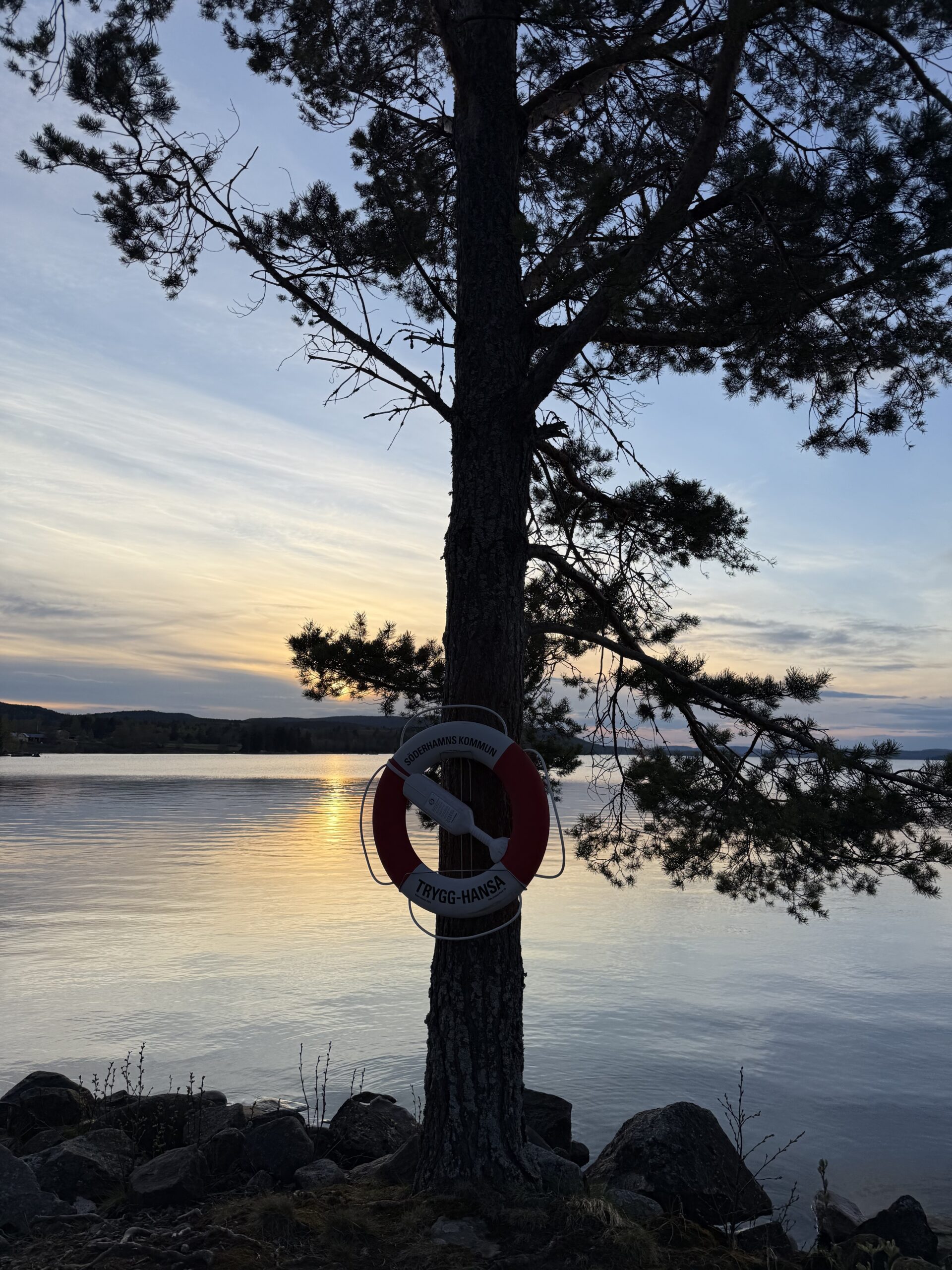
We live 800 km north of Stockholm. Sweden’s back roads are our back garden — places we drive through on the way to Norway, Iceland stopovers, and long weekends in the fells. When people ask us whether a Swedish campervan trip is worth it, our honest answer is: yes, with conditions.
It’s worth it if you genuinely want to slow down, if you’re willing to cook your own pasta on a lakeside with a glass of wine, and if you’re not expecting a budget miracle. The campervan gives you access to a Sweden that hotel guests just don’t see — the forest roads at 11 pm when the sky goes amber, the pike fishing lake an hour from the nearest town, the bird reserve where you’re the only vehicle for kilometres.
If that sounds like your kind of trip, rent the van. You won’t regret it.
Joona & Alla
A Finnish-Ukrainian couple living in Rovaniemi, Finland. Joona is a marketing professional in Lapland tourism; Alla is an AI/content specialist. Together we’ve visited 25 countries and share honest, locally-grounded travel writing from our home in the Arctic.
Read our full story →