Budapest in Summer: Thermal Bath Crawl Itinerary
We visited Budapest and soaked in six of its famous thermal baths over three days. Here is the order we’d do it again, what each one is actually like, and everything we wish we’d known before stepping into the first pool.
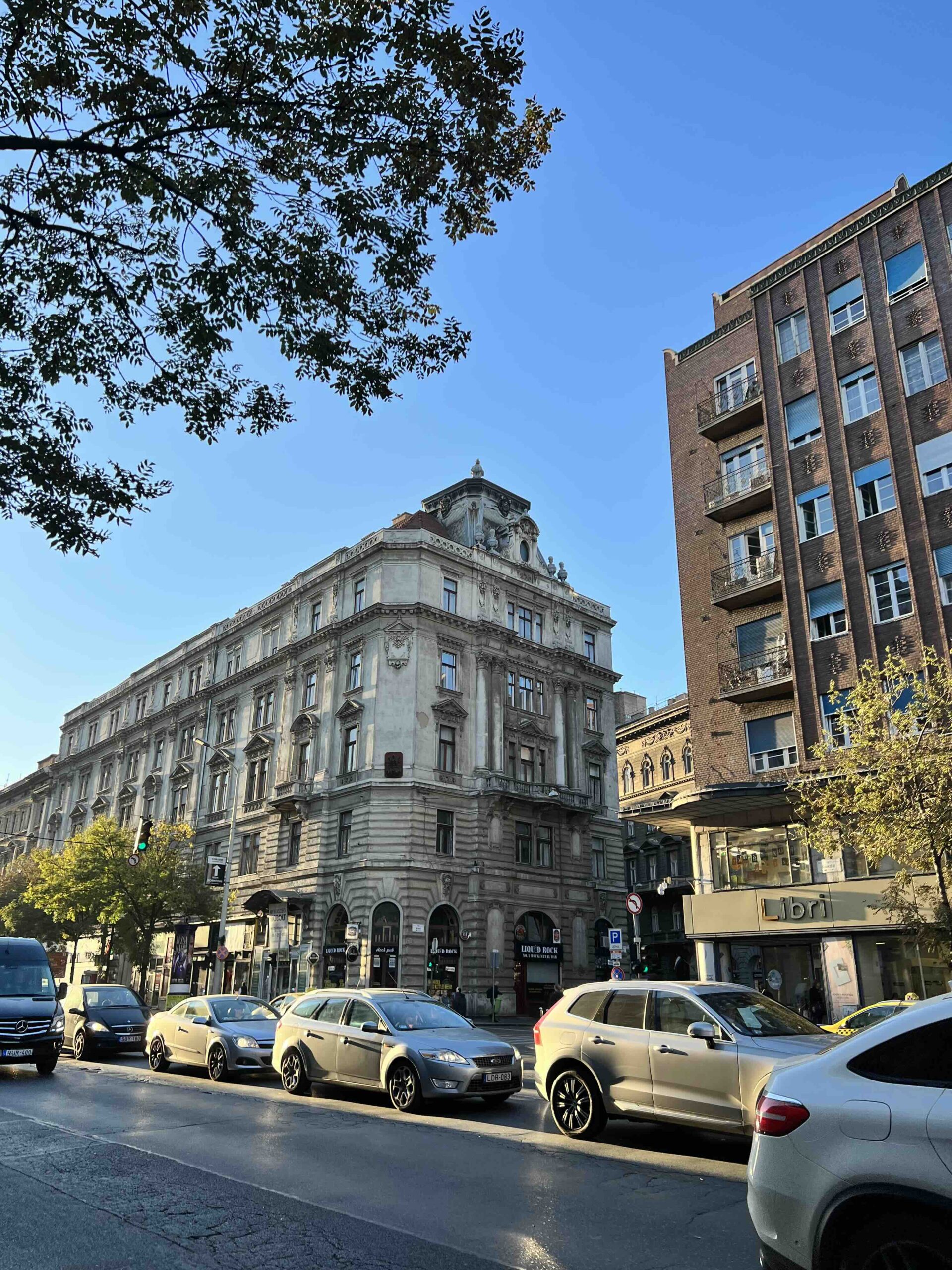
We arrived in Budapest in the middle of a sticky Central European summer, the kind where the air sits heavy over the Danube and every cobblestone radiates heat by noon. We had three days, a rough plan, and an embarrassing lack of knowledge about what a Budapest thermal bath actually involves. Two years later, it remains one of the most unexpectedly wonderful things we’ve done across our 25 countries.
This guide is the itinerary we would hand our past selves: which baths to hit, which to skip, and how to string them together without turning your legs into overcooked pasta.
Budapest’s thermal baths are genuinely unmissable in summer—the Budapest thermal bath scene ranges from grand 19th-century palaces to working-class neighbourhood pools. Buy tickets online a day ahead for the big three (Széchenyi, Gellért, Rudas), budget 2–3 hours per bath, and spread your crawl across two days to avoid fatigue.
Why Budapest’s thermal baths are worth the hype
Budapest sits on top of around 120 natural thermal springs. The Romans knew it; the Ottomans built the first proper bath complexes in the 16th century; the Austro-Hungarians turned the whole city into an elaborate spa resort in the late 1800s. The result is a collection of genuinely beautiful bath buildings that still function as everyday public spaces—not just tourist traps.
What makes them different from a regular spa
The water is the thing. These are natural mineral-rich springs, typically between 34°C and 44°C, with varying concentrations of calcium, magnesium, and sulphur depending on the source. The health claims are mostly unprovable, but the experience—floating in 38-degree water inside a century-old palace while a chess game happens in the corner—is categorically unlike anything you get at a Nordic spa weekend.
- Architecture: the major baths are listed heritage buildings—Széchenyi is neo-baroque, Gellért is art nouveau, Rudas dates to 1566.
- Price: entry runs roughly 6,000–9,000 HUF (€15–22) depending on the bath and services, which is startlingly affordable for what you get.
- Crowd level in summer: Széchenyi’s outdoor pools get very busy on July weekends—book early morning entry or go on a weekday.
- For couples: Rudas has mixed bathing sessions on weekends; Gellért is mixed throughout; Széchenyi is always mixed. The older Turkish baths (Veli Bej, Király) are traditionally gender-separated on weekdays.
The thermal bath crawl: our 3-day order
We spread six baths across three days. Here is the exact sequence and the reasoning behind it.
Day 1 — Start big: Széchenyi in the morning
Arrive at Széchenyi when it opens at 6am (yes, really). The outdoor pool in morning light, nearly empty, with steam rising off the water—we still talk about it. Locals come before work; tourists arrive from 9am. You get the best two hours of the day and you’re done before the afternoon crush.
Opening: 6am daily. Buy online the night before (weekend early-bird ticket is separate from the standard day ticket). Bring your own towel to avoid the €3 rental. Locker number is on your wristband—write it down, the lockers look identical. Allow 2.5–3 hours.
Walk or tram to Gellért on the Buda side in the afternoon. The indoor thermal hall is the most architecturally spectacular room in any bath in Budapest. Go for the indoor pool first—the outdoor wave pool is fun but not the reason to visit. Book at least a day ahead in summer.
Day 2 — The Ottoman layer: Rudas and Veli Bej
Rudas is a 16th-century Ottoman bath with a domed roof, octagonal pool, and a rooftop outdoor pool added in the 2000s that faces the Danube and the Chain Bridge. It is our favourite. Veli Bej is smaller, less touristed, and genuinely atmospheric if you want to feel like you have discovered something the guidebooks missed.
Weekday mornings Rudas is men-only in the historic Turkish section (weekends and evenings are mixed). The rooftop pool runs all day in mixed sessions and has stunning Danube views—this is worth booking even if you skip the thermal section. Bring flip-flops; the stone floors get slippery.
Less than 2km north of Rudas. Small, neighbourhood, no wave pools or swimsuit-friendly party nights. The 400-year-old dome still does what it was built for. Entry is cheaper than the tourist baths and the experience is more concentrated. Gender-separated on weekdays; check the schedule on their website before you go.
Day 3 — The neighbourhood pools: Lukács and Palatinus
Lukács is where Budapest locals actually go—a complex of five pools, an outdoor garden, and a genuine mix of ages. Palatinus is an island-based outdoor complex on Margit-sziget that is essentially a water park—wave pool, slides, thermal pools, and 2.5 km of parkland around it. Both are very different from the grand baths and give you a more textured picture of bath culture in the city.
Opens 6am. No advance booking needed most days. The outdoor courtyard pool is wonderful in late afternoon light. Locals thank the water for their recovery with marble plaques on the walls—we spent too long reading them. Allow 2 hours.
Different energy entirely: busy, family-oriented, social. Open June–August only. The thermal sections are smaller but real. Go in the late afternoon when the crowds thin slightly and the light turns golden over the island. Take the metro to Margit híd and walk across.
Bath-by-bath quick reference
Six baths, six sentences each
- Széchenyi (XIV. district, City Park): largest; outdoor pools, indoor thermal halls, chess players. Peak crowds 10am–4pm. Book online. Best for: first-timers, couples, social atmosphere.
- Gellért (XI. district, Buda): art nouveau interior, most beautiful indoor hall. Outdoor wave pool open in summer. Book 24hrs ahead. Best for: architecture lovers, mixed-gender couples visits.
- Rudas (I. district, Buda): Ottoman dome from 1566, rooftop Danube pool. Weekday mornings men-only. Best for: history enthusiasts, Danube views, people who want less tourist density.
- Veli Bej (II. district, Buda): small, authentic, cheap, gender-separated weekdays. Best for: those wanting an off-tourist-trail experience.
- Lukács (II. district, Buda): local favourite, five pools, outdoor garden, marble plaques. Best for: seeing how Budapest actually uses its baths daily.
- Palatinus (Margit-sziget): open-air, summer-only, wave pool + thermal sections. Best for: families, social summer afternoons, kids.
Related read Hungary in Summer: Budapest’s Thermal Baths and the Balaton — a broader look at what a summer week in Hungary actually looks like beyond the bath circuit. Browse Destinations →
Get our best travel tips in your inbox
Monthly stories from Rovaniemi — Arctic tips, packing lists, and the places we keep coming back to.