Bergen in Summer: 2 Days Between the Fjords
Bergen is one of those cities that looks like a postcard and actually delivers. We spent two full summer days here — Bryggen, the funicular, the fish market, a day trip into the fjords — and came away thinking most people give it too little time.
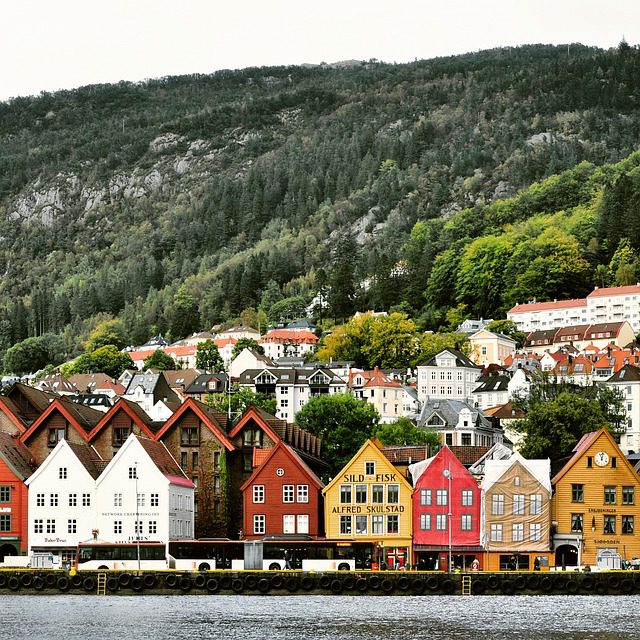
We flew into Bergen on a June afternoon coming from a road trip along Norway’s fjords. We’d given ourselves two nights — which felt tight at the time — and ended up wishing we’d booked a third. Bergen is one of those cities where the setting does a lot of the work. Surrounded by seven mountains, open to a wide fjord, with a UNESCO-listed waterfront that looks exactly as it does in photographs, it has a habit of making you feel like you’re somewhere genuinely special. And in summer, with long light lasting past 11 pm, that feeling stretches on luxuriously.
We’ve spent a lot of time in Nordic cities — we live in Rovaniemi, on the Arctic Circle in Finland, and have traveled through Norway, Sweden, Denmark, and Iceland. Bergen sits in its own category: smaller than Oslo, more atmospheric, and with direct access to some of the most famous fjord scenery on Earth. Here is the Bergen summer guide we wish someone had handed us before we arrived.
Two days in Bergen in summer is enough to see the highlights — Bryggen, the Fløibanen funicular, the fish market, and a half-day fjord trip — but you’ll want a third day if you plan to go deeper into Hardangerfjord or Nærøyfjord. The weather is unpredictable (pack a waterproof jacket regardless of the forecast), and the summer crowds are real but manageable if you start early.
Why Bergen Is Worth Two Full Summer Days
Bergen is Norway’s second-largest city and a place most visitors treat as a one-night stop on the way to the fjords. That is a mistake. The city has its own strong character — built around fishing, the medieval Hanseatic trade network, and a thriving arts and food scene — and it takes more than a rushed morning to feel it.
What makes Bergen genuinely different
Unlike Oslo, which is a modern Scandinavian capital spread over a large area, Bergen has a compact, walkable core surrounded by mountains. The Bryggen wharf, dating to the 14th century and a UNESCO World Heritage Site since 1979, is still the centre of gravity. Timber-framed buildings in ochre, red, and mustard lean slightly with age, and the lanes behind them — narrow, cobblestoned, and full of small galleries and cafés — reward slow exploration.
The summer light advantage
In June and early July, Bergen enjoys nearly 19 hours of daylight. The sun sets after 11 pm and rises before 5 am, which means the golden-hour light you would normally chase for 20 minutes stretches across the whole evening. Walking the harbour at 10 pm in soft amber light is one of those experiences that turns a good trip into a memorable one. We’ve seen midnight sun in Rovaniemi, but Bergen’s summer light has its own particular warmth — lower latitude, softer tones, reflecting off the water.
Day 1: Bryggen, Fløyen, and the Harbour
Our first day in Bergen was a slow one. After arriving by plane from Finland, we dropped bags, ate lunch at the fish market, and let the city arrive at its own pace. Here is roughly how the day unfolded, and what we’d recommend.
Morning: Bryggen and the back lanes
- Start at Bryggen before 9 am. The tourist coaches arrive mid-morning, and the lanes behind the wharf feel entirely different with the crowds gone. Walk slowly, peer into the small courtyards, and notice how the buildings tilt — built on reclaimed land, they’ve been shifting for centuries.
- Visit the Bryggens Museum. The archaeological museum beneath the wharf shows the original medieval foundations with good English interpretation. Budget 45 minutes.
- Eat at Fiskekøkken or similar. Bergen’s relationship with fish is serious. The harbour fish market (Fisketorget) is touristy, but fun for a quick lunch. For a proper meal, the smaller fish restaurants around Vågen harbour are better value.
Afternoon: Fløybanen funicular and Mount Fløyen
- Take the Fløybanen funicular to Mount Fløyen (top station at 320 metres). The ride takes 8 minutes and the view from the top — the whole city spread below, the fjord beyond, the seven mountains visible on a clear day — is the best single viewpoint in Bergen.
- Walk back down. The hiking trails from Fløyen into the surrounding forest are well-marked. The descent on foot takes about 40–50 minutes and feels far less crowded than the funicular queue. In summer, the forest is properly green and the light through the trees in the late afternoon is lovely.
- Explore the Nordnes peninsula. This quiet residential area west of the fish market has none of the tourist pressure and excellent sea views from Nordnes Park.
Day 2: A Fjord Day Trip from Bergen
Bergen is marketed as “the gateway to the fjords,” which is entirely accurate. The city sits at the mouth of the Byfjorden, and within a two-hour drive or ferry ride you can reach some of the most dramatic fjord scenery in Norway. Day 2 is best spent leaving the city.
The Norway in a Nutshell route
- What it is: a classic tourist loop combining a Bergen rail journey, the Flåmsbana mountain railway, a ferry through Nærøyfjord and Aurlandsfjord, and a bus return. Takes a full day from Bergen and back.
- Our honest assessment: it is a packaged experience, and that shows in places — the ferry is crowded in July, the Flåmsbana has almost no local passengers — but the scenery is genuinely extraordinary. Nærøyfjord is a UNESCO World Heritage Site for good reason. If this is your only opportunity to see the inner fjords, take it.
- Book ahead in summer. June and July seats on the Flåmsbana sell out days in advance. Book the full loop through the Flåm Railway website or Vy.
Alternative: Hardangerfjord by express boat
- For independent travellers who want fewer tour groups, the Hardangerfjord route by public express boat from Bergen is an excellent alternative. The ferry to Norheimsund takes about 2.5 hours each way and passes the Steindalsfossen waterfall area. Fewer tourists, same scale of fjord.
- Self-drive option: renting a car and driving south to Odda and the Hardangerfjord gives you maximum flexibility. The Rv7 road along the fjord is stunning. Factor in at least 4 hours of driving for the round trip.
Related reading Planning the broader Norway fjord route? Our guide to Norway fjords in summer covers the six fjords worth your time and how to avoid the worst of the peak-season crowds.
Quick-Reference: Bergen Summer Essentials
- Best time to visit Bergen in summer: late May and early June (before peak tourist season, but with long light and decent temperatures). Late July into August is busiest.
- Average summer temperature: 16–20°C (61–68°F). Genuinely warm days happen, but so do cool, rainy ones. Bergen is one of Europe’s rainiest cities — it averages around 230 rainy days a year.
- Getting to Bergen: direct flights from most major European hubs; Flybussen airport coach to city centre takes 45 minutes. Train from Oslo takes around 6.5 hours through spectacular mountain scenery (book the Bergen Railway in advance).
- Getting around: the city centre is walkable. The light rail (Bybanen) connects the airport and the western suburbs. Taxis and ride-sharing are available but expensive.
- Where to stay: the Bryggen/Vågen harbour area is the most atmospheric base, though hotels here are premium. Slightly further towards the Nordnes peninsula or the Nygaard area gives better value.
- Bergen Card: the tourist card covers museum entry and unlimited public transport. Worth buying if you plan to use the Fløybanen multiple times and visit 2+ museums.
- Fløybanen funicular: NOK 100–120 return (check current prices); queues can be 30–45 minutes in July. Go first thing in the morning or after 6 pm.
- Currency: Norwegian krone (NOK). Norway is expensive — budget around EUR 100–150 per person per day for accommodation, food, and one activity.
Get our best travel tips in your inbox
Monthly stories from Rovaniemi — Arctic tips, packing lists, and the places we keep coming back to.