How to Avoid Overtourism in Norway’s Fjords This Summer
We’ve driven Norway’s fjord roads from Geiranger to Hardanger and back again. Here’s what we wish more travelers knew before booking: the crowds are real, but they’re also very avoidable.
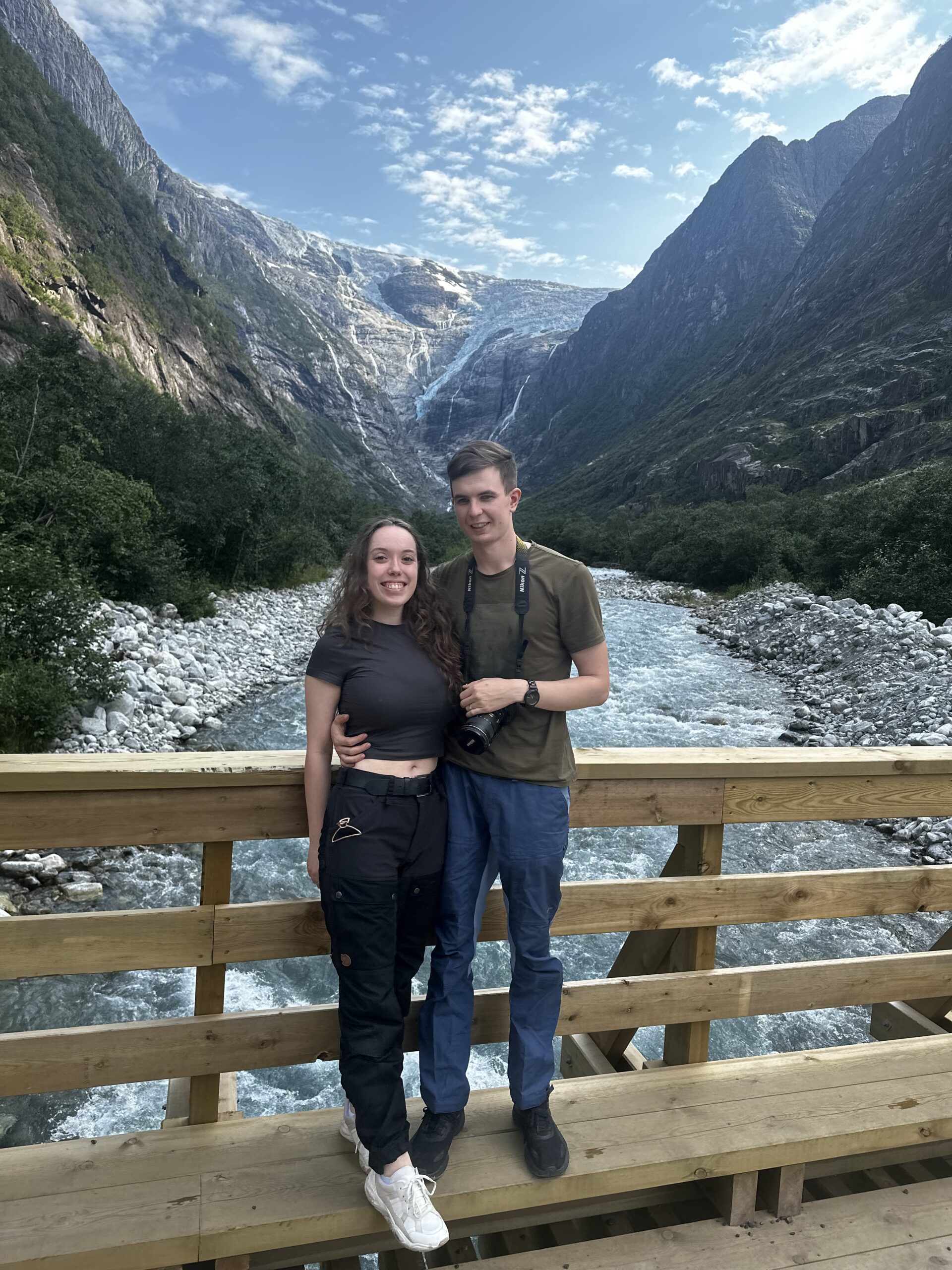
We first drove Norway’s fjord country on a long loop from Helsinki — ferry to Stockholm, then up through Sweden and across into Norway. We arrived at Geirangerfjord on a Tuesday morning in July and found a parking lot that looked like the M25 at rush hour and a viewpoint so packed we could barely see the water past the selfie sticks. We loved Norway. But we also learned, the hard way, what Norway overtourism actually looks like up close.
The good news: the crowds are entirely concentrated in about six specific places, at specific times of day. Once you understand the pattern, avoiding Norway fjords overtourism is mostly a matter of planning and timing — not of going somewhere else entirely.
To avoid overtourism in Norway’s fjords, arrive at famous viewpoints before 9 am or after 6 pm, choose Hardangerfjord or Nærøyfjord over Geiranger as your base, and spend at least one night in a small village rather than passing through on a day trip. Northern Norway fjords (Lofoten, Lyngen) see far fewer summer visitors than the Western fjords and are arguably more dramatic.
- Why Norway fjords overtourism is real — and concentrated
- The timing strategy: when to arrive at famous spots
- 8 quieter alternatives to the busiest fjord stops
- Staying overnight vs passing through: why it matters
- Northern Norway: the fjords that feel like secrets
- Mistakes we made in Norway’s fjord country
- FAQ: Norway fjords overtourism
- A final word from Rovaniemi
Why Norway fjords overtourism is real — and concentrated
The three hotspots driving the problem
The vast majority of overtourism complaints in Norway’s fjords come from three sites: the Geirangerfjord viewpoints (especially Ørnesvingen and Dalsnibba), the Trolltunga trail near Odda, and Preikestolen (Pulpit Rock) above Lysefjord. These three places collectively receive millions of visitors per year, most of them arriving in a window of about six summer weeks. Meanwhile, fjords an hour away see a fraction of the traffic.
The cruise ship effect
Geirangerfjord and Flåm are UNESCO-listed and anchor dozens of cruise itineraries. When two or three ships dock simultaneously in Geiranger, the village of roughly 250 permanent residents is flooded with thousands of day visitors within two hours. The footpaths, the single road up to the Eagle Road, and every café hits capacity simultaneously. If you arrive by car or ferry around midday in July, this is what you’ll find.
Norway has been actively managing this: Geirangerfjord introduced zero-emission regulations for cruise ships from 2026, which will reduce but not eliminate the problem. For summer 2026 the crowds remain very real.

The timing strategy: when to arrive at famous spots
The golden windows
If you want to visit Geiranger, Preikestolen, or Trolltunga — and honestly, they are genuinely spectacular — the solution isn’t to skip them. It’s to arrive at the right time. The crowd pattern is remarkably predictable: buses and cruise passengers arrive between 10 am and 2 pm. The parking lots are full by 9 am at Preikestolen in peak season. But the same spots at 7 am or after 5 pm are a completely different experience.
Specific windows we’ve tested
For Ørnesvingen (Eagle Road, Geiranger): arrive before 8:30 am or after 6 pm. The light is actually better in the evening anyway — the fjord turns gold instead of flat midday blue. For Preikestolen: start the 3.8 km trail no later than 7 am to have the rock to yourself. It takes about 2 hours; you’ll be on your way down as the crowds arrive. For Trolltunga: this is a serious 10–12 hour hike, and the crowds here are less about viewpoint access and more about trail safety. Book the official shuttle from Tyssedal early to secure a morning start.
8 quieter alternatives to the busiest fjord stops
This is our actual shortlist from firsthand time in Norway’s fjord region. These aren’t consolation prizes — several of them are better than the famous versions, just without the crowd.
Norway’s deepest fjord that almost no one visits. The road in from Etne is slow but the views are extraordinary — sheer walls, waterfalls, and villages that haven’t been discovered by mass tourism yet.
Immediately south of the more famous Geirangerfjord, Hjørundfjord is wilder, craggier, and has almost no tourist infrastructure — which means you’re essentially alone with the water and the Sunnmøre Alps.
The main Hardangerfjord villages get busy but the side arms — especially Sørfjorden — are quiet even in July. Apple orchards along the water, almost no tour buses, and direct ferry connections.
Still UNESCO-listed, still stunning, but Nærøyfjord is narrower and somehow more dramatic than Geiranger. The kayak tour from Gudvangen lets you see it from water level. Go mid-week if possible.
The Vøringfossen waterfall near Eidfjord is famous but the trail to Hardangervidden plateau from here is almost empty. Spend a night in the valley and you’ll have the whole upper area to yourself in the morning.
South of Lysefjord, this narrow arm of Ryfylke sees almost zero tourists despite being visually comparable. Great base if you’re doing Preikestolen and want somewhere quiet to stay.
The approach to Åndalsnes on the Rauma Railway is one of Europe’s great scenic train rides. The Romsdalsfjord itself is less visited than Geiranger just 60 km away, and the climbing culture here gives it a different, more local feeling.
We covered this properly in a section below, but Lyngenfjord near Tromsø deserves special mention: midnight sun, glaciers calving into the fjord, and the kind of silence that reminds you why you left home in the first place.
Get our best travel tips in your inbox
Monthly stories from Rovaniemi — Arctic tips, packing lists, and the places we keep coming back to.