Abisko National Park: Why You Should Visit
We drove up from Rovaniemi to Abisko on a whim one summer, and it quietly became one of the most affecting landscapes we’ve walked through in 25 countries. Here’s what it’s actually like — and why most Scandinavia itineraries skip it by mistake.
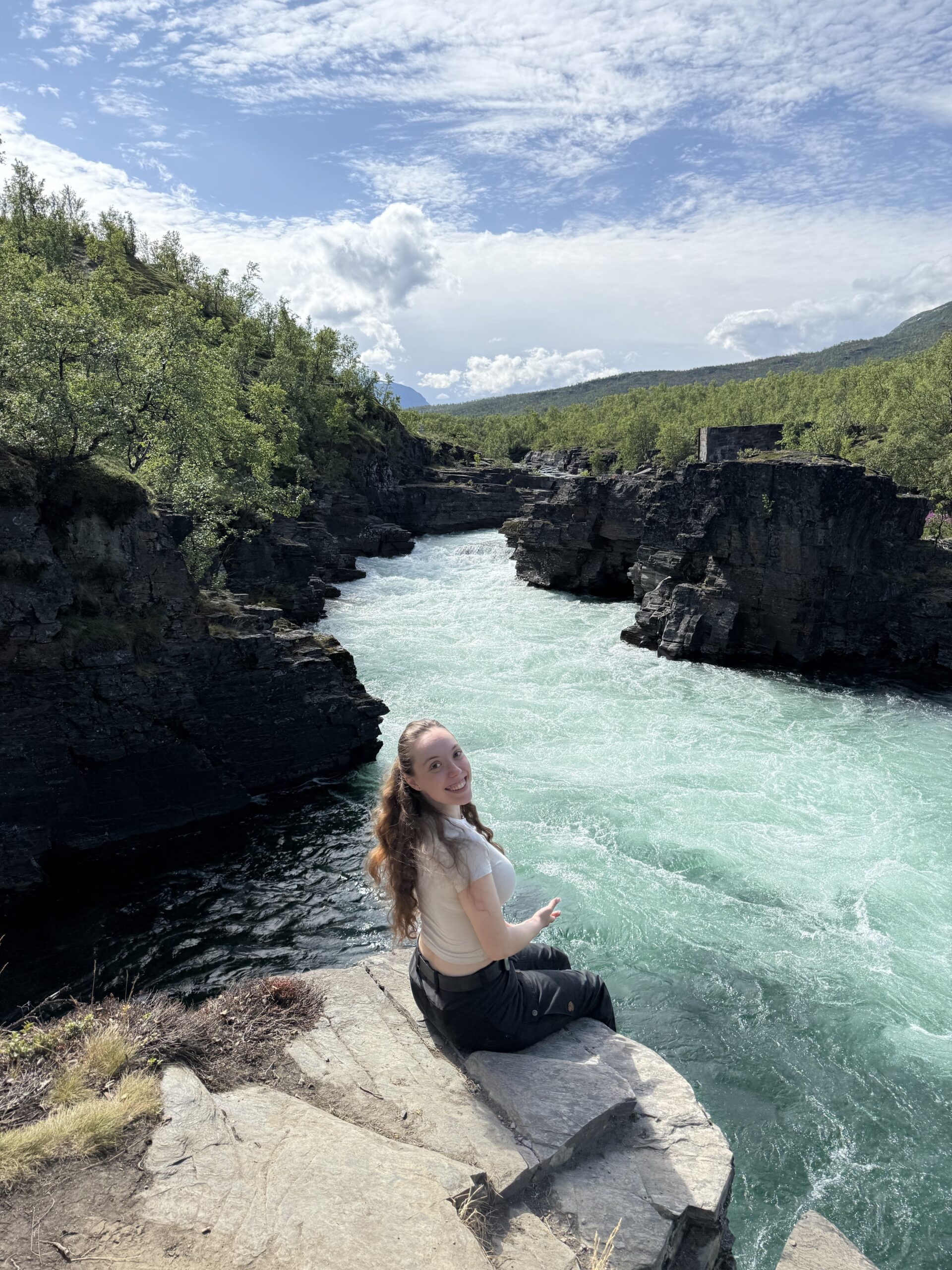
We live in Rovaniemi, on the Finnish side of the Arctic Circle. That means Swedish Lapland is a long day’s drive rather than a distant fantasy. We’ve crossed into northern Sweden more times than we can count — for road trips, for weekend escapes, and once because we simply needed a change of scenery from the flat birch forests of home. The drive up the E10 toward Abisko national park is one we keep coming back to, and every time the valley opens up and Lake Torneträsk appears below the Lapporten gate, we feel the same thing: quiet surprise that more people don’t make it this far.
This is not a post about Abisko in winter, when the aurora hunters arrive with cameras and high expectations. This is about the park in its fullness — what it looks like in June when the birch leaves are lime-green and the sun doesn’t set, what the hiking trails feel like underfoot, how to get there, what to bring, and why this particular corner of Swedish Lapland deserves a proper place on your Scandinavia plans.
Abisko National Park is one of the most scenically dramatic and logistically approachable wilderness areas in Scandinavia. It sits on the shore of Lake Torneträsk in Swedish Lapland, accessible by overnight train from Stockholm or a day’s drive from northern Finland. The park’s combination of mountain terrain, open tundra, sheltered microclimate, and genuine remoteness makes it worth a full detour — summer or winter.
What Abisko National Park actually is
Abisko is a small national park — just 77 square kilometres — but it punches well above its size. It was established in 1909, making it one of Sweden’s oldest, and it sits at the northern end of the Kungsleden (King’s Trail), the country’s most celebrated long-distance hiking route. The park lies on the southern shore of Torneträsk, one of Sweden’s largest lakes, with the Abisko river cutting through the valley floor and the mountain gate of Lapporten framing the view to the south like a geological postcard.
What makes it different from other mountain parks
The thing that struck us most on our first visit was the microclimate. Abisko is positioned in the rain shadow of the Kjølen mountains on the Norwegian border, which means it receives remarkably little precipitation for a subarctic location — around 300 mm per year, compared to over 1,000 mm on the Norwegian coast just a few hours west. In practice, this means Abisko tends to have clearer skies than almost anywhere else in northern Scandinavia. It’s a major reason the Aurora Sky Station was built here, and it’s a major reason the hiking windows are more reliable than the broader region might suggest.
- Elevation: valley floor at around 380 m, peaks up to about 1,200 m within easy reach.
- Vegetation: sub-alpine birch forest in the valley, open tundra on the higher ground, carpeted with cloudberry, crowberry, and dwarf willow in summer.
- Wildlife: reindeer are common (the Sámi community grazes them here seasonally), and you may encounter wolverine, Arctic fox, or ptarmigan if you’re quiet and patient.
- The Ábiskojåkka gorge: a short trail from the STF station leads into a narrow canyon carved by the Abisko river — one of the most impressive geological features we’ve seen on any hike.
We came expecting a quiet mountain park and found a place that felt genuinely wild without being inaccessible. That balance is rarer than it sounds.
How to get to Abisko National Park
This is where Abisko earns its reputation for being more reachable than it looks on the map. Unlike many comparable wilderness areas in Norway or Iceland, Abisko has direct rail access from Stockholm — the overnight train runs through the park and stops at Abisko Turiststation, meaning you can board a sleeper in the Swedish capital and wake up inside the national park. For us coming from Rovaniemi, the drive runs via Tornio, Haparanda, and then up the E10 through Gällivare and Kiruna — a long day but a scenic one.
Your main options
- Overnight train from Stockholm (Narvik line): the Nordpilen service connects Stockholm with Narvik, stopping at Abisko Turiststation. Travel time is roughly 17–18 hours. Book through SJ (the Swedish rail operator) well ahead in summer — this is not a secret route among Swedish hikers.
- Fly to Kiruna, then transfer: Kiruna Airport is served from Stockholm and sometimes Amsterdam. From Kiruna it’s about 90 km by bus or hired car to Abisko.
- Drive from northern Finland: from Rovaniemi it’s around 3.5–4 hours via Tornio and Kiruna. The E10 from Kiruna to Abisko follows the shore of Torneträsk for much of its length — one of the better drives in Scandinavia.
- Bus from Kiruna: a regional bus operates along the E10 and serves Abisko Turiststation. It’s slower and less comfortable than the train, but it’s there.
There is no realistic way to do Abisko as a day trip from anywhere south of Kiruna. Budget at least two nights — ideally three. The journey is part of the experience, and arriving after a full day of travel only to leave the next morning would be a waste of what the park offers.
What to do in Abisko National Park
The park is not large, but the terrain rewards slow movement. We’ve found that the people who leave disappointed are almost always the ones who tried to see everything in a few hours. The ones who stay, who let themselves sit by the lake and watch the light shift across Lapporten, who follow a trail past the gorge and into the open tundra — those people tend to look a bit dazed when they come back down, in the best way.
The hikes worth prioritising
- Ábiskojåkka Canyon (1–2 hours round trip): the most accessible walk from the STF station, leading through birch forest into the narrow river gorge. Dramatic rock walls, rushing water, wooden boardwalks. Suitable for most fitness levels.
- Njulla Mountain (half day): a gondola runs from the Aurora Sky Station up to about 900 m, from where you can walk across the plateau with Torneträsk laid out below you. In summer the wildflowers up here are extraordinary. You can also hike up without the gondola — allow 2–3 hours.
- The start of the Kungsleden: the trail begins (or ends, depending on direction) at Abisko and heads south toward Kebnekaise and eventually Hemavan, 440 km away. You don’t have to walk the whole thing. The first section to Abiskojaure lake (14 km one way) is one of the most beautiful day hikes in Sweden — open fjäll, reindeer, and the kind of silence that makes you realise how much ambient noise you normally live with.
- Lake Torneträsk shoreline: a simple, undramatic walk along the shore that rewards anyone who brings a book and sits still for a while. The lake is 73 km long and can generate its own weather. We once watched a storm build and pass over the Norwegian mountains in real time from the shore.
In winter and beyond hiking
- Aurora Sky Station: located at the top of Njulla, the station runs guided aurora nights from September to March. The microclimate advantage here is significant — genuinely higher clear-sky odds than anywhere else in northern Scandinavia.
- Dog sledding and snowmobiling: available through operators based at the STF station in winter.
- Midnight sun experiences: from late May through mid-July the sun doesn’t set. The light at midnight, across the lake, with the Lapporten silhouette, is worth staying up for.
We write from the Arctic. You read it wherever you are.
Honest travel writing, practical guides, and the occasional story from life in Finnish Lapland — once or twice a month, no fluff.
Where to stay near Abisko
The accommodation situation in Abisko is genuinely simple: there is one main option, and it is the right one. The STF Abisko Turiststation — run by the Swedish Tourist Association — sits directly on the edge of the national park, with the gondola, the trail access, and the lake views all within a few minutes’ walk. We’ve stayed here twice and would stay again without hesitation.
The practical breakdown
- STF Abisko Turiststation: a mountain lodge with a range of accommodation types from private rooms with en-suite bathrooms to hostel-style dormitories and self-catering cabins. The restaurant serves proper meals, which matters when you’ve been on the trail all day. Book well ahead for summer and winter peak periods — this fills up.
- STF Abisko Mountain Station (separate building): the Aurora Sky Station is run from here, and some aurora packages include overnight stays. More expensive but worth considering if the northern lights are your primary reason for visiting.
- Camping: wild camping is permitted under Swedish allemansrätten (the right to roam) outside the immediate park core. There’s also a small campsite associated with the STF station. In summer, with the midnight sun, camping is surprisingly pleasant — bring a good eye mask.
- Kiruna as a base: if Abisko is full or you want city infrastructure, Kiruna is 90 km away. Icehotel is in Jukkasjärvi, 15 minutes from Kiruna, if you want to add that to your trip.
Best time to visit Abisko
Abisko is genuinely a four-season destination, which is more than you can say for most places at this latitude. Each season has a clear character and a specific type of traveller it suits best.
Season by season
- Late June – early August (midnight sun): the hiking season is in full swing. Trails are dry, the Kungsleden is busy with long-distance walkers, the wildflowers are at peak on the high plateau, and the sun doesn’t set for weeks. Busy, warm (relatively — bring a layer), and dramatic.
- September – October (autumn): the birch forests turn yellow and gold against the first dusty snows on the mountain tops. Aurora season begins in late August. Fewer people. The lake takes on a steel-grey quality that we find more beautiful than summer, though that’s a personal preference.
- November – March (aurora and deep winter): this is when the Aurora Sky Station earns its reputation. The clear-sky microclimate is most valuable here — when Tromsø and Rovaniemi are clouded in, Abisko often isn’t. Cold (regularly −20 to −30 °C), dark, and spectacular. The train from Stockholm in winter feels like arriving somewhere genuinely remote.
- April – May (spring): the snow is melting, the trails are muddy and in some places impassable, but the light is extraordinary and the park is almost empty. Not the obvious choice, but worth knowing about.
We came for the hiking and stayed for the silence. Abisko is one of the few places where the landscape genuinely earns its reputation.
What to pack for Abisko
The microclimate cuts both ways. Yes, Abisko gets more clear days than surrounding areas — but the wind off the lake and the exposed plateau can be brutal even in July. We’ve been caught out by weather here in summer more than in any Norwegian fjord. Packing for a wider temperature range than you expect is not overcaution; it’s just experience.
The essentials, regardless of season
- Waterproof shell jacket and trousers: non-negotiable. Even in a good-weather window, conditions change fast on the high ground.
- Merino wool mid-layer: we default to merino in all Nordic contexts. It regulates temperature across a wide range, dries quickly, and doesn’t smell after three days on the trail.
- Hiking boots with ankle support: the Kungsleden trail surface is good, but the gorge section and the plateau approach involve uneven rock and tree roots. Trail runners work in dry summer conditions; waterproof boots are safer for any other season.
- Insect repellent (summer only): the mosquitoes in Swedish Lapland in July are not a joke. DEET-based repellent, a head net, and long sleeves. We learned this the hard way.
- Sleep mask (summer): the midnight sun is wonderful until 3 am, when you realise the room is completely bright and you have a hike at 7. A good mask makes the difference.
- Trekking poles: useful on the descent from Njulla and essential on any extended section of the Kungsleden, especially if you’re carrying a full pack.
In winter, add
- Insulated, waterproof overtrousers
- Down jacket rated to at least −20 °C
- Liner gloves plus insulated outer mitts
- Wool balaclava or face protection for exposed walks
- Microspikes or crampons for icy trail sections
Mistakes we made — and what we’d tell ourselves
We visited Abisko for the first time expecting a relaxed afternoon before driving back south. We had not booked a room. We had one layer each. We had not checked whether the gondola required a pre-booked ticket. We had sandwiches for lunch and thought we’d find somewhere to buy dinner.
We did not find somewhere to buy dinner.
- Not booking accommodation early enough. In summer and during aurora season, the STF station fills up weeks or months ahead. We camped the first time by necessity, not choice.
- Underestimating the wind off Torneträsk. The lake is enormous and acts as a wind corridor. Our light summer jackets were useless by 4 pm. Always pack more than you think you need above the valley floor.
- Skipping the canyon trail because we were short on time. We thought we’d seen it in photos. We had not. The real thing is quieter and stranger and better. Do the gorge walk first, not last.
- Not downloading the offline map before losing signal. There is no reliable mobile data coverage in the park. The Maps.me app with the offline Sweden tile is what we use now — or the STF’s own app, which has trail data for the Kungsleden.
- Arriving in mid-July expecting mosquito-free conditions. We have mentioned the mosquitoes. We will not mention them again. Buy the head net.
Frequently asked questions about Abisko National Park
Is Abisko National Park worth visiting in summer?
Absolutely. The hiking is excellent, the midnight sun is genuinely magical from the high ground, and the park’s famous microclimate means clearer skies than most of northern Scandinavia. Summer (late June through August) is arguably the most accessible and rewarding season for most visitors.
How do I get to Abisko from Stockholm?
The most comfortable option is the overnight Narvik train, which takes around 17–18 hours and stops at Abisko Turiststation. You board in Stockholm, sleep on the train, and wake up inside the park. Alternatively, fly to Kiruna and transfer by bus or hire car — about 90 km.
Do I need to pay to enter Abisko National Park?
There is no entry fee for the national park itself. The gondola up to the Aurora Sky Station and any guided activities run by the STF station are separately priced. The trails are free to walk under Swedish allemansrätten.
Is Abisko good for seeing the northern lights?
Yes — it’s arguably the best single location in Scandinavia for aurora odds, specifically because of the low-precipitation microclimate in the valley. The Aurora Sky Station at the top of Njulla has some of the most reliably clear skies anywhere in the region. Season runs from late August to March.
Can you do Abisko as a day trip from Kiruna?
Technically yes — Kiruna is about 90 km away and buses run the E10. But we’d encourage staying at least one night. The park reveals itself slowly, and the best light and the most interesting trail sections take more than a few hours to properly experience.
What is the Kungsleden trail, and does it start in Abisko?
The Kungsleden (King’s Trail) is Sweden’s most famous long-distance hiking route, running 440 km from Abisko in the north to Hemavan in the south. It officially begins at the STF Abisko Turiststation. You don’t have to hike the whole thing — the first section to Abiskojaure lake (14 km one way) is one of the most beautiful day hikes in the country.
A final word from Rovaniemi
We’ve driven past the Abisko turn-off before on the way to somewhere else, telling ourselves we’d come back. Then we stopped, and then we understood what we’d been missing. The park has a quality that’s hard to describe without sounding like a tourism brochure, so we’ll try to be specific instead: it’s the scale of the lake, visible from almost every point in the valley. It’s the way the Lapporten gap frames a view that looks deliberately composed. It’s the quiet on the plateau above the gondola top station, where the wind drops suddenly and the only sound is your own breathing and the distant call of a golden plover.
Swedish Lapland doesn’t get the volume of coverage that Norwegian fjords or Icelandic landscapes receive, and Abisko national park specifically sits at the end of a long road or a long train ride that many itineraries don’t bother with. That’s precisely why it’s worth bothering with. The places that take a little more effort to reach tend to give you a little more back.
If you’re building a Scandinavia route that includes northern Finland or northern Norway, Abisko is a natural stop. If you’re doing a dedicated Swedish Lapland trip, it’s the obvious anchor. And if you’ve already been to Tromsø and Rovaniemi and the Lofoten and you’re looking for what’s left — here it is.
Joona & Alla
A Finnish-Ukrainian couple living on the Arctic Circle. Joona leads marketing for a Lapland tourism company; Alla is an AI engineer and content creator. We write about the places we’ve actually been — with honest numbers, real opinions, and no manufactured enthusiasm.
Read our full story →